Workday: It’s Time to Close the AI Trust GapWorkday, a leading provider of enterprise cloud applications for finance and human resources, has pressed a global study recently recognizing the importance of addressing the AI trust gap. They believe that trust is a critical factor when it comes to implementing artificial intelligence (AI) systems, especially in areas such as workforce management and human resources.
Research results are as follows:
At the leadership level, only 62% welcome AI, and only 62% are confident their organization will ensure AI is implemented in a responsible and trustworthy way. At the employee level, these figures drop even lower to 52% and 55%, respectively.
70% of leaders say AI should be developed in a way that easily allows for human review and intervention. Yet 42% of employees believe their company does not have a clear understanding of which systems should be fully automated and which require human intervention.
1 in 4 employees (23%) are not confident that their organization will put employee interests above its own when implementing AI. (compared to 21% of leaders)
1 in 4 employees (23%) are not confident that their organization will prioritize innovating with care for people over innovating with speed. (compared to 17% of leaders)
1 in 4 employees (23%) are not confident that their organization will ensure AI is implemented in a responsible and trustworthy way. (compared to 17% of leaders)
“We know how these technologies can benefit economic opportunities for people—that’s our business. But people won’t use technologies they don’t trust. Skills are the way forward, and not only skills, but skills backed by a thoughtful, ethical, responsible implementation of AI that has regulatory safeguards that help facilitate trust.” said Chandler C. Morse, VP, Public Policy, Workday.
Workday’s study focuses on various key areas:
Section 1: Perspectives align on AI’s potential and responsible use.
“At the outset of our research, we hypothesized that there would be a general alignment between business leaders and employees regarding their overall enthusiasm for AI. Encouragingly, this has proven true: leaders and employees are aligned in several areas, including AI’s potential for business transformation, as well as efforts to reduce risk and ensure trustworthy AI.”
Both leaders and employees believe in and hope for a transformation scenario* with AI.
Both groups agree AI implementation should prioritize human control.
Both groups cite regulation and frameworks as most important for trustworthy AI.
Section 2: When it comes to the development of AI, the trust gap between leaders and employees diverges even more.
“While most leaders and employees agree on the value of AI and the need for its careful implementation, the existing trust gap becomes even more pronounced when it comes to developing AI in a way that facilitates human review and intervention.”
Employees aren’t confident their company takes a people-first approach.
At all levels, there’s the worry that human welfare isn’t a leadership priority.
Section 3: Data on AI governance and use is not readily visible to employees.
“While employees are calling for regulation and ethical frameworks to ensure that AI is trustworthy, there is a lack of awareness across all levels of the workforce when it comes to collaborating on AI regulation and sharing responsible AI guidelines.”
Closing remarks: How Workday is closing the AI trust gap.
Transparency: Workday can prioritize transparency in their AI systems. Providing clear explanations of how AI algorithms make decisions can help build trust among users. By revealing the factors, data, and processes that contribute to AI-driven outcomes, Workday can ensure transparency in their AI applications.
Explainability: Workday can work towards making their AI systems more explainable. This means enabling users to understand the reasoning behind AI-generated recommendations or decisions. Employing techniques like interpretable machine learning can help users comprehend the logic and factors influencing the AI-driven outcomes.
Ethical considerations: Working on ethical frameworks and guidelines for AI use can play a crucial role in closing the trust gap. Workday can ensure that their AI systems align with ethical principles, such as fairness, accountability, and avoiding bias. This might involve rigorous testing, auditing, and ongoing monitoring of AI models to detect and mitigate any potential biases or unintended consequences.
User feedback and collaboration: Engaging with users and seeking their feedback can be key to building trust. Workday can involve their customers and end-users in the AI development process, gathering insights and acting on user concerns. Collaboration and open communication will help Workday enhance their AI systems based on real-world feedback and user needs.
Data privacy and security: Ensuring robust data privacy and security measures is vital for instilling trust in AI systems. Workday can prioritize data protection and encryption, complying with industry standards and regulations. By demonstrating strong data privacy practices, they can alleviate concerns associated with AI-driven data processing.
SOURCE Workday
资讯
2024年01月11日
资讯
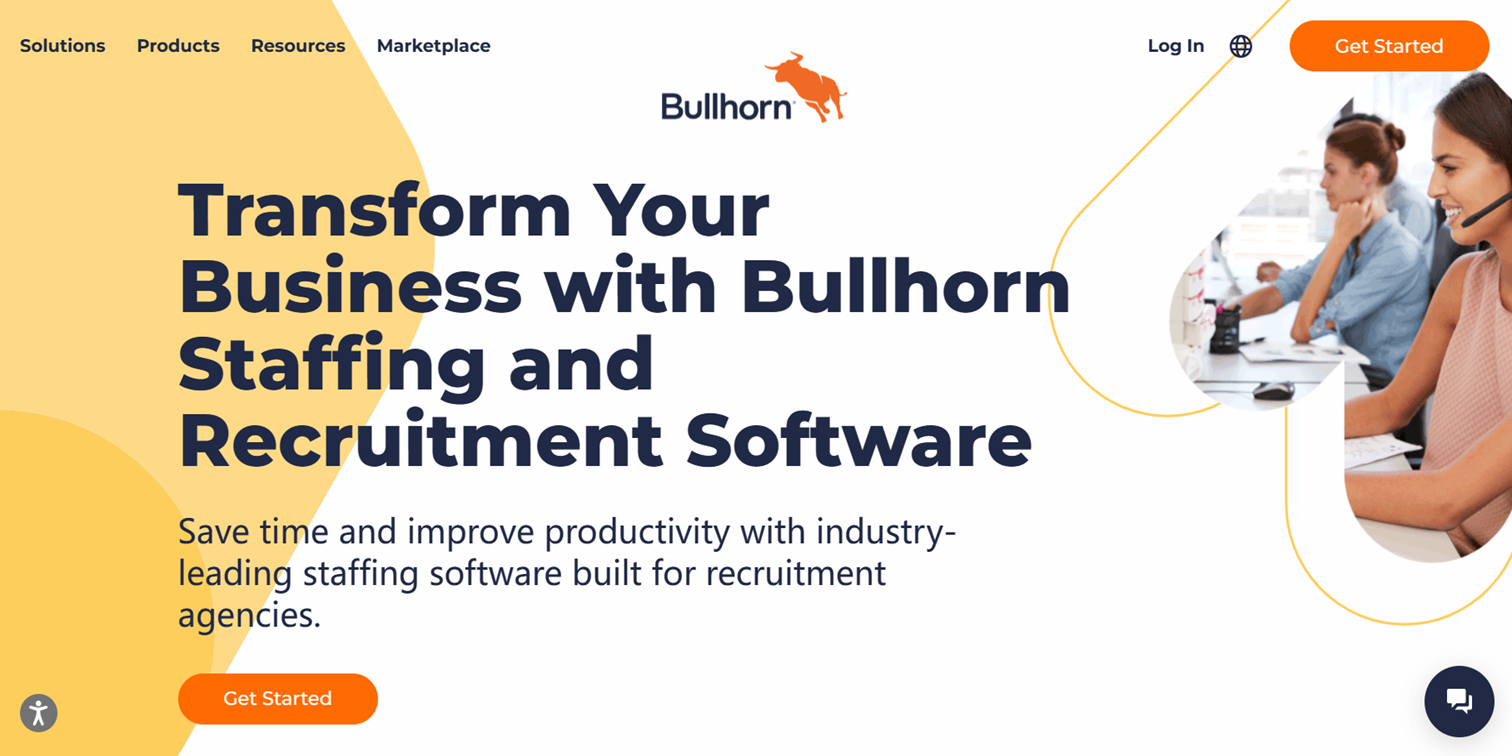
Bullhorn Acquires Mployee to Help Recruitment Agencies Accelerate Their Digital Transformation JourneyBullhorn's acquisition of Mployee will undoubtedly contribute to the digital transformation journey of recruitment agencies. By joining forces, Bullhorn will be able to leverage Mployee's expertise to enhance their offerings and provide agencies with the tools and technologies they need to thrive in the digital age.
The addition of this technology will help Bullhorn deliver an end-to-end enterprise solution for customers on the Salesforce platform
BOSTON,Jan. 5,2024 Bullhorn®, the global leader in software for the staffing and recruitment industry, today announced its acquisition of Mployee, a provider of Salesforce-based solutions for recruitment agencies, which is headquartered in the Netherlands. Mployee’s technology will accelerate Bullhorn’s vision to deliver a full, end-to-end, enterprise solution for Bullhorn customers using the Salesforce platform.
Mployee expands Bullhorn’s Salesforce-based enterprise offerings
Uncertainty over the economy, pricing pressure, and fewer job orders have all forced the recruitment industry to streamline internal operations as much as possible this year. Centralizing all recruitment activity on a single platform helps agencies gain those efficiencies. As a result, Bullhorn has seen a significant increase in adoption of the Salesforce platform, especially in Europe. It is now the largest independent software vendor (ISV) for Salesforce serving the recruitment industry. Bullhorn revenue on the Salesforce platform has grown at an average annual rate of nearly 30% since 2019.
Bullhorn products on the Salesforce platform are currently used across 40 countries, including by four of the five largest global recruitment agencies. By combining Mployee’s middle-office capabilities with Bullhorn’s front-office, Bullhorn can offer a true enterprise-grade, end-to-end solution built on the Salesforce platform. This solution will help solve a myriad of front- and middle-office challenges inhibiting agencies’ growth and differentiation.
Together, Bullhorn and Mployee will help global recruitment agencies excel
“We’ve seen tremendous growth in customers using Bullhorn for Salesforce globally in recent years, and this acquisition will help us better support those agencies throughout the world in delivering more efficient middle-office operations,” said Matt Fischer, President and Chief Operating Officer at Bullhorn. “We’re excited at the potential of combining Mployee’s offerings with Bullhorn for Salesforce to deliver a full, end-to-end solution.”
“We’re very excited to join Bullhorn to further our efforts to drive the digital revolution of the staffing industry,” said Mployee CEO Karen Weebers. “Bullhorn has the resources to invest in Mployee’s product roadmap and bring our solutions to even more recruitment agencies.”
About Bullhorn
Bullhorn is the global leader in software for the staffing industry. More than 10,000 companies rely on Bullhorn’s cloud-based platform to power their staffing processes from start to finish. Headquartered in Boston, with offices around the world, Bullhorn is founder-led and employs nearly 1,500 people globally. To learn more, visit www.bullhorn.com or follow Bullhorn on Linkedin or X.
About Mployee
Mployee is a leading front and mid office solution for the staffing and recruitment sector. The company has established a strong market position and is recognized as a rapidly growing technology company in the Netherlands by Deloitte Fast 50 and Main Software 50. Mployee has proven itself as an innovative player in the industry, with a commitment to optimizing workforce management.
SOURCE Bullhorn
资讯
2024年01月10日
资讯
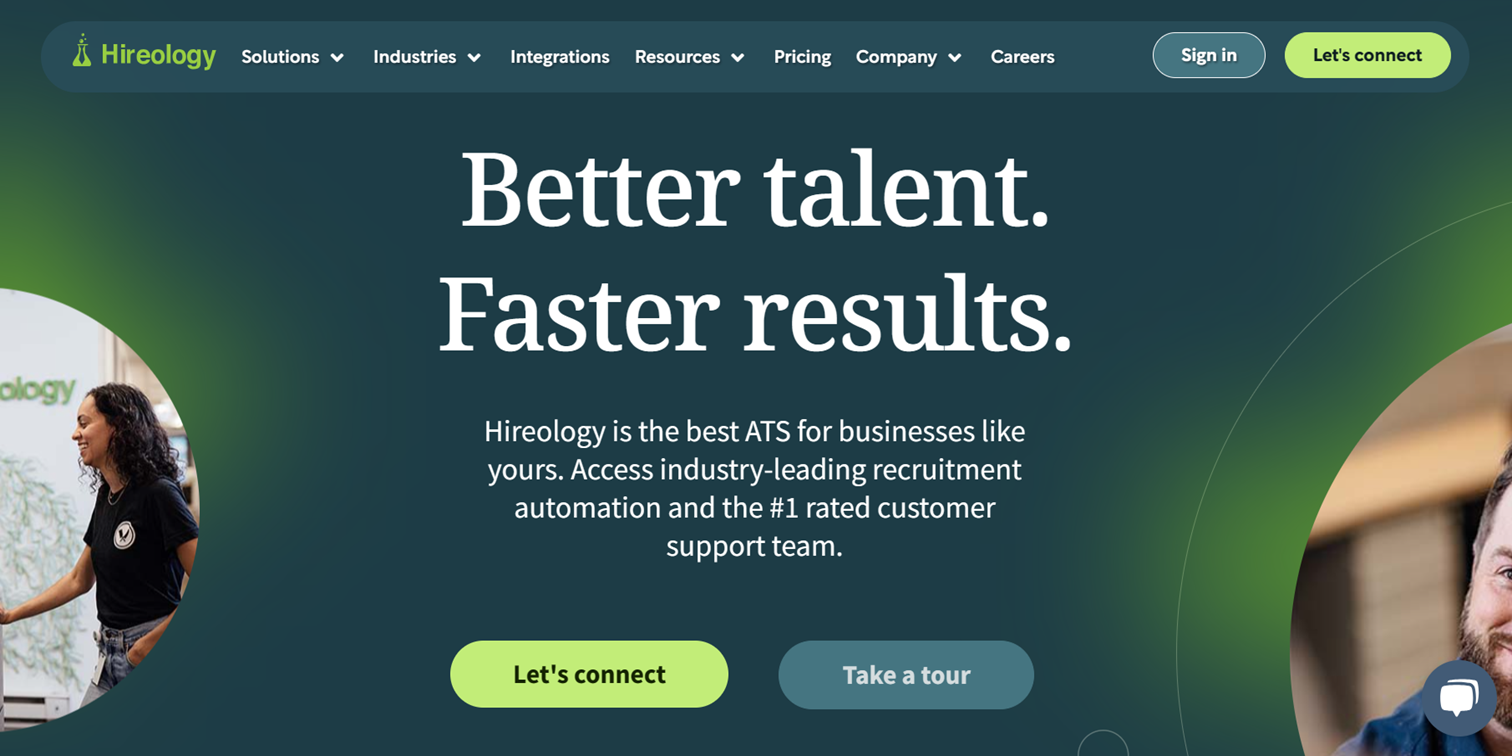
Hireology Named Best Applicant Tracking System of 2024 by Hotel Tech ReportHireology's recognition by Hotel Tech Report showcases their ability to understand the unique needs of the hotel sector and deliver innovative solutions. With an increasingly competitive job market, hiring the right personnel is crucial for hotels to maintain their high standards of service and guest satisfaction.
"We’re excited to announce that Hireology has ranked #1 overall on the Global Best Applicant Tracking Systems (ATS) list in the 2024 HotelTechAwards! The HotelTechAwards are produced by Hotel Tech Report, the leading authority on hotel software and digital transformation in the hotel industry."
Often referred to as “the Grammys of hotel tech,” the HotelTechAwards rank the world’s best hotel software companies and products based on authentic, timely reviews from real users. Winners have been selected from more than 200 of the top technology products around the world.
“The ranking process is simple, transparent, and unbiased — judging is based on time tested ranking factors developed specifically for the industry. Only verified hoteliers with hands-on experience using each product are allowed to participate in the voting process. This means that Hireology’s users decided the #1 ATS,” said Hotel Tech Report CEO, Jordan Hollander.
With more than 10,000 customers, Hireology is the only applicant tracking system built to power better hiring for multi-location businesses that largely rely on skilled talent like hotels. Our platform makes it easy for users to source quality talent across key channels, streamline hiring with innovative recruitment automation, and make smarter hiring decisions rooted in data.
“This recognition from Hotel Tech Report validates the work we’re doing at Hireology to help hotels capture more than their fair share of quality talent and fill critical revenue-driving roles faster,” said Adam Robinson, CEO at Hireology. “We’re grateful for every customer who helped us earn the top spot on this list, and we’re looking forward to helping even more hotels navigate today’s challenging hiring market and achieve their goals in 2024 and beyond.”
In 2023 alone, Hireology launched several critical product updates that are designed to help their hotel customers not only attract better quality talent but also streamline the hiring process to fill critical roles faster, including:
Indeed Sponsored Jobs integration: Sponsor jobs on Indeed directly from the Hireology platform — helping you maximize your reach to top candidates and make hires faster all without ever leaving Hireology
Innovative ChatGPT integration: Leverage generative AI to instantly craft quality descriptions for new open jobs
Enhanced candidate communication automations: Keep candidates engaged and reduce no-shows with automated messaging for routine updates
Employee referral campaign templates and manager: Quickly launch optimized text and email campaigns and start driving quality referrals faster
Hotel Tech Report’s lists are based on data from over 16,000 verified customer reviews during the HotelTechAwards period. These reviews were written and published between September 1,2023–December 15,2023, with participation from every major hotel brand and thousands of independents. In one review, a Hireology customer noted how they’ve driven better quality candidates and made smarter hiring decisions with our platform:
“With Hireology I am able to track all of my candidates from the various recruiting websites and see all the candidates in one spot. With their screening tools I am able to pick out the candidate that has the most potential to be a good fit for the position. I have a better turn out and response rate for candidates that I have considered, and I have had a better quality of candidates who show up to the interview. The candidates that I have hired have become invaluable assets to my property.”
Today’s announcement comes at the heels of the Winter G2 awards, where they placed in the top 10 in more than 200 reports and earned the top spot in 28—including referral programs, recruitment marketing, and HR analytics. Additionally, Hireology was recently named the American Hotel and Lodging Association’s (AHLA) Leadership Partner for Talent Technology. Learn more about this partnership here.
To learn more about Hireology’s hospitality-specific ATS, take a self-guided virtual tour today! Or reach out to one of our experts for a free 1:1 consultation.
SOURCE Hireology
Public Insight Releases Fall Update of TalentView SolutionPublic Insight, a leading provider of talent management solutions, has announced the release of its Fall update for the TalentView solution. This update brings new features and enhancements designed to further support organizations in managing their talent effectively.
Zip Code Analysis, LinkedIn® Data, Shift and Benefit Reporting Provide Hyper-Targeted Talent Intelligence for Recruiting and Business Development
(Akron, OH) Dec. 21,2023 Public Insight announces the fall release of its TalentView job market data and analytics solution. New features and capabilities such as zip code analysis and 3D mapping, LinkedIn organizational data, and shift and benefit reporting provide a unique level of hyper-targeted talent market intelligence for recruiting and business development.
Granular analysis is available for over 160 talent market metrics. The number of organizations available in employer analysis and benchmarking has increased from 400,000 to 1.7 million. TalentView insights inform and justify recruiting decisions and influence hiring manager discussions. Use cases for identifying prospective companies to target, expanding product/service offerings, benchmarking, competitive intelligence and content development support business development strategies.
Key Feature Highlights of the Fall Update of TalentView
Zip Code Analysis and 3D Mapping – Job postings can now be analyzed at the zip code level generating more targeted regional insights for posting volume, turnover, supply and demand, and compensation. Job postings were previously analyzed at the metro (CBSA) level. This level of targeting will help inform sourcing strategies and improve ability to fill jobs. 3D mapping provides a quick, visual way to understand posting activity by specific locations.
In the example below, nurse posting volumes and reposting rates in CA are analyzed over time.
LinkedIn Organization Data – The addition of LinkedIn data increases the number of organizations in TalentView reporting to 1.7 million. Indeed® and Glassdoor® company data for postings and reviews/ratings has been mapped to LinkedIn organizations. These organizations cover 95% of job posting activity in the U.S.
In addition to the posting volume, supply and demand, time-to-fill and compensation analysis available by employer in TalentView, LinkedIn data provides more volume, depth and details to employer analysis. This enhances the ability to do targeted employer selection, analysis and benchmarking. Organizational reporting now includes specialty tags, multiple locations, LinkedIn follower counts and more. Reports include LinkedIn profile and company website links.
Employer Analysis Use Cases
TalentView insights have several use cases for sales, account management, recruiting, benchmarking, competitive intelligence and content development:
Target prospective companies by company size, type and location for business development
Add insights to expand product/service offering and increase revenue
Justify recruiting decisions and prepare for hiring manager discussions
Share client/competitor/market insights and trends with clients
Utilize employer insights as content for recruitment marketing and social media
Benchmark employer job/talent market KPIs over time and against competitors and the industry (including employer brand and DEI ratings)
Utilize employer, competitor and industry benchmarks to supplement HR/Executive reporting
Utilize employer, competitor and industry benchmark in new business pitches
Analyze who and where competitors are hiring to understand their growth strategies and direction
Shift and Benefit Reporting – Analysis and reports for job posting volumes, supply/demand and compensation can be created at the shift, schedule and benefit category levels. This capability is beneficial for companies and solution providers that recruit candidates that work in job shifts or schedules, such as those in healthcare, manufacturing and transportation.
Benefits reporting provides a more holistic understanding of competitive job postings and trends related to new benefit offerings.
In the example below, nurses’ compensation is analyzed by shift over time.
Ad Indicators – Advertising indicators from Indeed job postings are now captured and analyzed. These include: Sponsored Ad, Quick Apply and Fair Chance Job. Sponsored ads can help identify which companies have job titles that may need to be filled more quickly and have budget to spend on filling them. Quick Apply jobs may indicate a company doesn’t have an ATS or may need recruitment marketing services. Fair Chance Jobs could be a competitive advantage for companies recruiting alternative sources of candidates and it is helpful to see these trends over time.
Integrated KPI Reporting – Analyze over 160 KPI metrics easily and quickly using the new visualization with integrated tables and KPI metrics.
In the example below, registered nurse posting volumes, reposting rates, compensation, and urgency rates are analyzed over time by simply clicking on the table row.
“This release enables our most targeted and granular level of analysis yet to report on 160 talent market metrics,” explains Dan Quigg, Public Insight Chief Executive Officer. “Several new features were customer driven, which is yet another indicator of market demand for hyper-targeted talent market intelligence for decision making,” adds Quigg.
About TalentView
TalentView integrates and transforms jobs, talent and labor market data from Indeed®, Glassdoor®, LinkedIn® and government agency publications into strategic insights. Hyper-targeted market intelligence helps solution providers with business development and practitioners to inform and justify recruiting decisions. TalentView market insights are provided via reports and dashboards in our analytics platform and data integration with third party applications.
SOURCE Public Insight
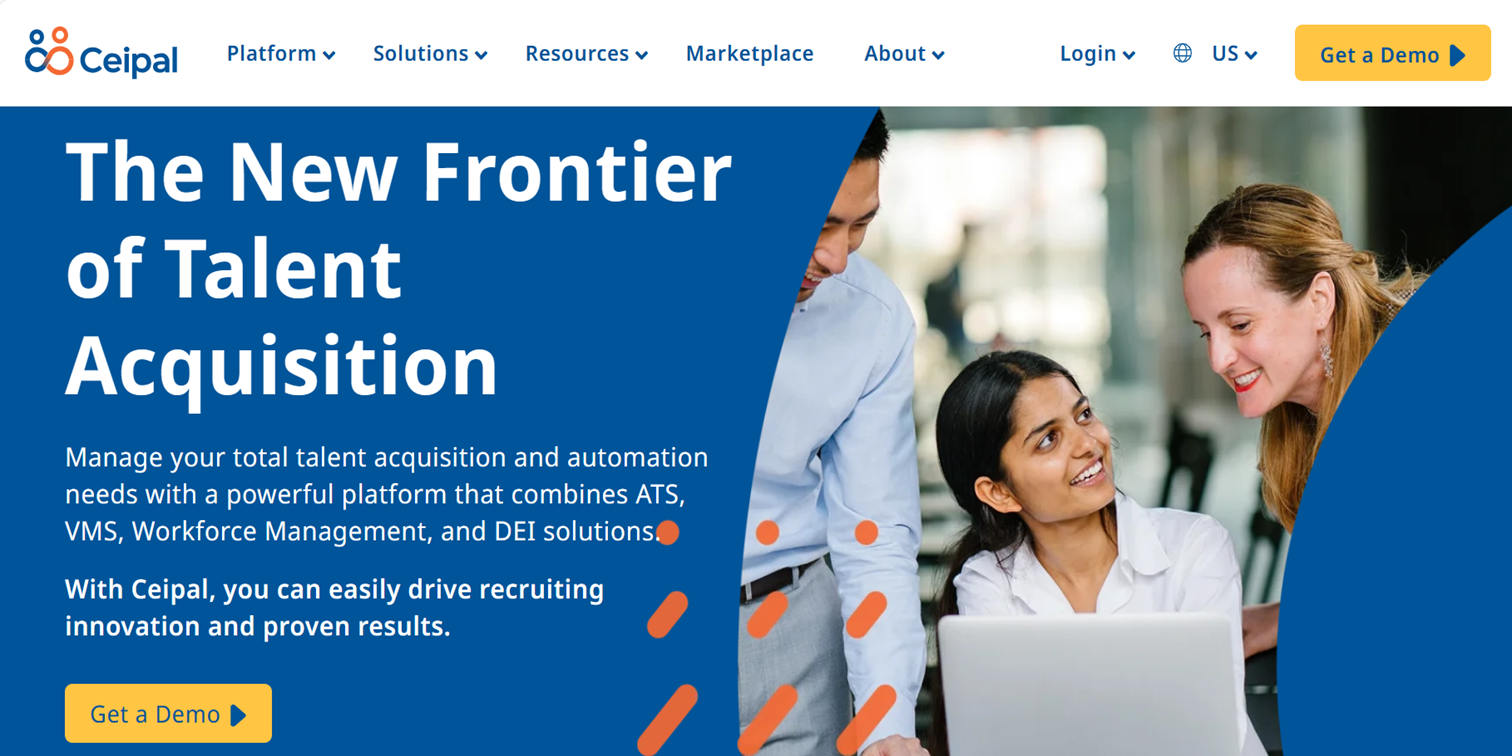
Ceipal Further Increases Recruiter Productivity With New WhatsApp IntegrationThe integration of WhatsApp into the Ceipal platform is a positive development for recruiter productivity. WhatsApp, a popular messaging application, is widely used by individuals and businesses worldwide. By incorporating this widely-used communication channel into Ceipal, the platform can now offer recruiters a more seamless and efficient way to engage with candidates.
Users Can Strengthen Candidate Relationships, Schedule Interviews, and Auto-Source Candidates Directly From the Ceipal ATS
ROCHESTER, N.Y.,OCT. 11,2023 Ceipal, the industry-leading, AI-powered total talent acquisition and automation platform, is further increasing recruiter productivity through its new integration with WhatsApp—a free, cross-platform messaging service—so they can deepen their engagement with candidates in real-time. Ceipal applicant tracking system (ATS) users can now connect with candidates directly through WhatsApp conversations that strengthen relationships, improve efficiency, and attract talent faster.
Ceipal users can configure WhatsApp to contact candidates and automatically schedule interviews with them directly through the ATS, allowing candidates to accept, reschedule, or reject calendar invites directly from WhatsApp. The integration also enables users to auto-source candidates with Ceipal’s industry-leading artificial intelligence technology, which connects with potential candidates by sharing job information via email and WhatsApp messages to engage top talent from internal databases.
“In order to create remarkable candidate experiences, recruiters and staffing professionals must be able to immediately reach and nurture top talent before the competition,” said Ceipal Founder and CEO Sameer Penakalapati. “By interacting with candidates via instant messaging tools, such as WhatsApp, they can further build out their talent pools and personalize their communication with them. Ceipal’s WhatsApp integration is another solution for recruiters and staffing professionals to streamline their workflows and boost their productivity so they can strengthen their candidate relationships.”
Additionally, recruiters and staffing professionals can use WhatsApp to share GDPR consent requests. Candidates can easily accept or decline requests directly through WhatsApp, providing a more efficient way to handle these responses.
Ceipal’s WhatsApp integration is part of its suite of productivity applications integrations, which enable users to leverage their favorite software more effectively. These integrations help recruiters and staffing professionals save valuable time, automate repetitive processes, and empower them to grow their businesses.
For more information about Ceipal’s WhatsApp integration, which is now available for free, please visit the WhatsApp integration page.
About Ceipal
Ceipal is a scalable, AI-driven, total talent acquisition platform that provides visibility across all channels and sources while organizing your data into a single talent ecosystem. With the power of advanced automation and artificial intelligence, Ceipal’s industry-leading ATS and CRM capabilities empower you to efficiently identify, assess, engage, hire, and onboard the best talent. Ceipal Procurewise, our native and fully integrated VMS platform, provides unmatched capabilities for your HR, corporate procurement teams, and MSPs to source, manage, and engage contingent staffing, direct sourcing, and statement of work vendors and workers. Ceipal enables you to integrate, manage, and improve the entire talent acquisition lifecycle, so you can simplify, scale, and transform any high-growth business into a diverse talent powerhouse. Welcome to the new frontier of talent acquisition.
SOURCE Ceipal
资讯
2024年01月08日
资讯
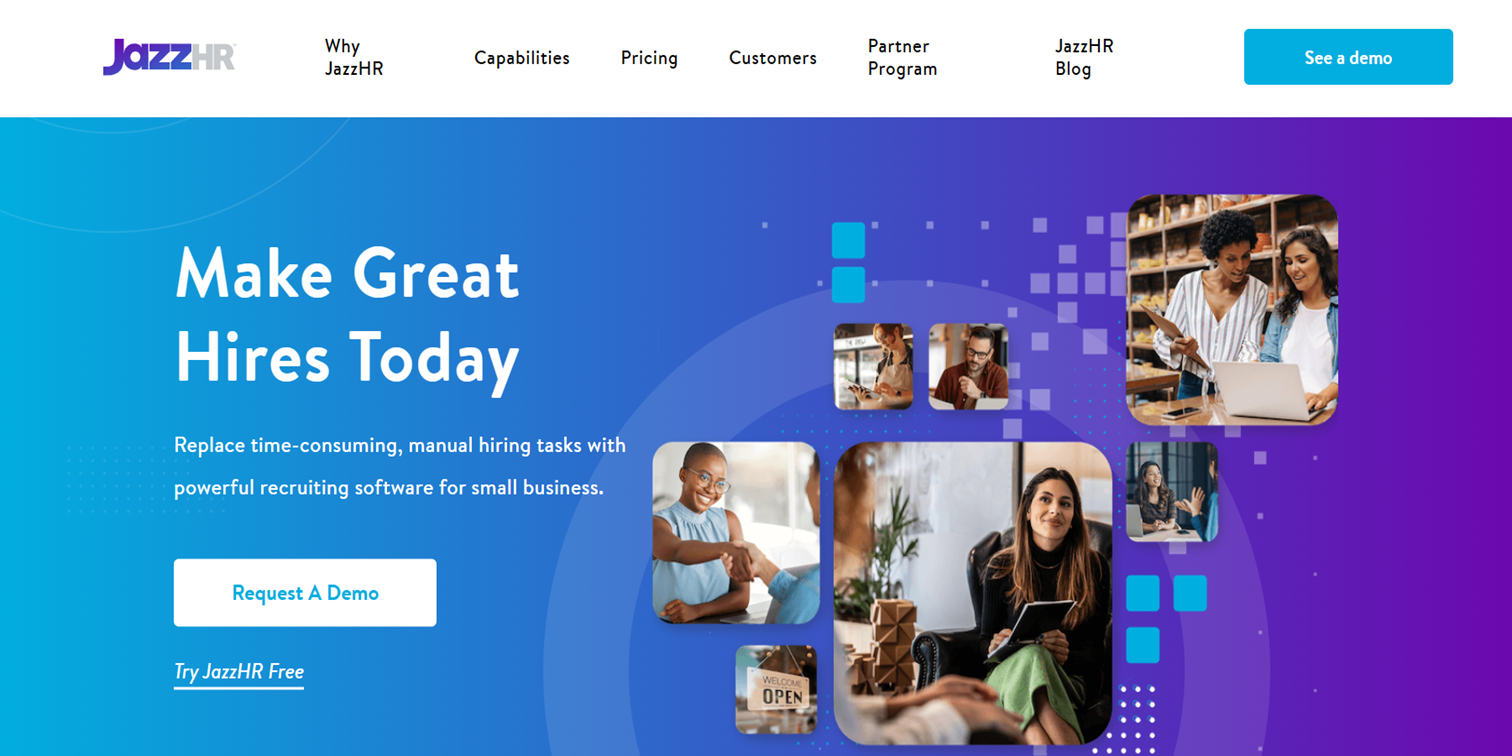
Brandon Hall Group and G2 Name JazzHR a Leading ATS
Great news for JazzHR customers! JazzHR, an Employ solution, has been recognized as top recruiting software for small businesses by G2 and the Brandon Hall Group™.
This recognition further supports JazzHR as a powerful, easy-to-use applicant tracking system — perfect for SMBs looking to move away from manual recruiting and streamline their hiring.
JazzHR recognized as leading ATS software for small and medium-sized business
JazzHR won a coveted Brandon Hall Group Silver award for excellence in the Best Advance in Talent Acquisition Technology for Small and Medium-Sized Businesses category. This is the fourth time JazzHR has received recognition from Brandon Hall Group, receiving a Silver award last year.
The 2023 Brandon Hall Group Excellence in Awards™ are given for work in Learning and Development, Talent Management, Talent Acquisition, Human Resources, Sales Enablement, Future of Work, and Education Technology.
“In our 30th year, the Excellence in Technology Awards continue to showcase the best innovations in Learning, Talent Management, Talent Acquisition, HR, Workforce Management and Sales Enablement technologies,” said Brandon Hall Group COO Rachel Cooke. “We are proud to receive applications from a diverse range of organizations globally, reflecting the ever-evolving landscape of technology solutions.”
Entries were evaluated by a panel of veteran, independent senior industry experts, Brandon Hall Group analysts, and executives based upon these criteria: fit the need, program design, functionality, innovation, and overall measurable benefits. The complete list of winners can be found at: https://excellenceawards.brandonhall.com/winners/.
As SMBs embark on their hiring journey for 2024, they need a central recruiting solution that allows them to easily post to job boards, source candidates, schedule interviews, and automate workflows. The recognition from Brandon Hall Group reinforces that JazzHR empowers SMBs to replace time-consuming, repetitive recruiting activities with automated recruiting software.
G2 reports name JazzHR a leading small business recruitment software provider
In addition to the recognition from Brandon Hall Group, JazzHR was also featured in the four G2 reports throughout 2023 that highlight the top applicant tracking systems for growing companies.
And most recently, JazzHR has been spotlighted as one of the best ATS solutions in the G2 Winter 2024 Reports. The JazzHR SMB hiring platform was named a leader in the small business applicant tracking system and recruitment marketing categories, with more than two dozen badges awarded.
JazzHR recruitment software has helped streamline hiring for thousands of growing companies and many hiring team members have shared their positive experiences on G2:
“I haven’t found a better ATS for such a competitive price. It’s great for prescreening, pipeline management, collaboration, assessments, sending job offers, in addition to an easy to set up career page and seamless job syndication.”
“I like how JazzHR simplifies the whole recruitment process. It’s user-friendly, especially for setting up job posts and tracking applicants. Plus, the collaboration tools are great for getting the whole team involved in the hiring decisions.”
“As an HR department of one, I love the collaboration features! It makes working with hiring teams so much easier without extra training and hassle. I also appreciate the extra hands of the workflows to create a seamless experience for candidates.”
Streamline your small business recruiting process in 2024 with JazzHR. Book a demo today to learn how our SMB hiring technology can help you make great hires smarter and faster.
SOURCE JazzHR
资讯
2024年01月07日
资讯
EzPaycheck 2024 Helps Businesses Update Payroll Tax Rates For Compliance And EfficiencyEzPaycheck, a leading payroll software provider, has announced the release of EzPaycheck 2024, a software update designed to help businesses update their payroll tax rates for compliance and efficiency. The update includes the latest tax rate changes and ensures that businesses stay up-to-date with payroll tax regulations.
HalfPriceSoft.com offers a new 2024 version of ezPaycheck for novice payroll processors, ease of use and peace of mind. Download and test drive to get ready for the new tax year.
EzPaycheck payroll software from Halfpricesoft.com has been released for compliance, efficiency and cost effectiveness. The latest software release includes the new 943 form for customer convenience with no additional cost. Furthermore, it still includes all of the exceptional features and forms from previous year versions.
When recently interviewed, Dr. Ge stated, “The payroll processing software, ezPaycheck 2024, has been revamped for compliance and efficiency.”
The payroll processing software, ezPaycheck 2024, has been revamped for compliance and efficiency for customer ease of use.
Despite its cost and ease of use, business, HR and entrepreneurs should not mistakenly assume ezPaycheck 2024 runs short on features. ezPaycheck 2024 has an abundance of features a business needs to run payroll quickly and easily, including:
Supports daily, weekly, biweekly, semimonthly and monthly payroll periods. Features report functions, print functions, and pay stub functions.
Automatically calculates Federal Withholding Tax, Social Security, Medicare Tax and Employer Unemployment Taxes.
Includes built-in tax tables for all 50 states and the District of Columbia.
Easily calculates differential pay
Prints miscellaneous checks as well as payroll calculation checks.
Prints payroll checks on blank computer checks or preprinted checks.
Creates and maintains payroll for multiple companies, and does it simultaneously.
Prints Tax Forms NEW 943 Form,940,941,W2, and W3 (Copy A preprinted form required)
Supports multiple accounts at no additional charge.
Supports network access (additional cost)
30 day no cost trial. No registration required and absolutely no obligation.
ezPaycheck is compatible with Windows 11,10,8,7, and other Windows systems. We also sell a MAC version separately.
SOURCE HRTECH SERIES
资讯
2024年01月07日
资讯
ManpowerGroup to Announce 4th Quarter 2023 Earnings Results
MILWAUKEE, Jan. 2, 2024 ManpowerGroup (NYSE: MAN), the world leader in innovative workforce solutions, today announced that it plans to release 4th quarter earnings results before the market opens on Tuesday, January 30,2024. Management will discuss the results the same day in a live webcast at 7:30 a.m. Central Time (8:30 a.m. Eastern Time), which can be accessed on the company's website.
The webcast will be available for replay at the same URL beginning at 10:30 a.m. Central Time (11:30 a.m. Eastern Time) on January 30,2024. The replay will remain available for 30 days in this location. Supplemental financial information referenced in the webcast and the text of the 4th quarter press release can be found on the company's website, in the section titled "Financial Information," after 7:30 a.m. Central Time on January 30,2024.
About ManpowerGroup
ManpowerGroup®(NYSE: MAN), the leading global workforce solutions company, helps organizations transform in a fast-changing world of work by sourcing, assessing, developing, and managing the talent that enables them to win. We develop innovative solutions for hundreds of thousands of organizations every year, providing them with skilled talent while finding meaningful, sustainable employment for millions of people across a wide range of industries and skills. Our expert family of brands – Manpower, Experis, and Talent Solutions – creates substantially more value for candidates and clients across more than 70 countries and territories and has done so for 75 years. We are recognized consistently for our diversity – as a best place to work for Women, Inclusion, Equality, and Disability, and in 2023 ManpowerGroup was named one of the World's Most Ethical Companies for the 14th time – all confirming our position as the brand of choice for in-demand talent. For more information, visit www.manpowergroup.com.
SOURCE ManpowerGroup

 资讯
资讯
 资讯
资讯
 资讯
资讯
 资讯
资讯
 资讯
资讯
 资讯
资讯
 资讯
资讯
 资讯
资讯
 资讯
资讯
 资讯
资讯

 扫一扫
添加客服
扫一扫
添加客服


