切换导航
头条
HR科技资讯
美国HR合规
北美精英职位
美国企业保险
9月年度论坛
年度大奖
登录
注册
资讯
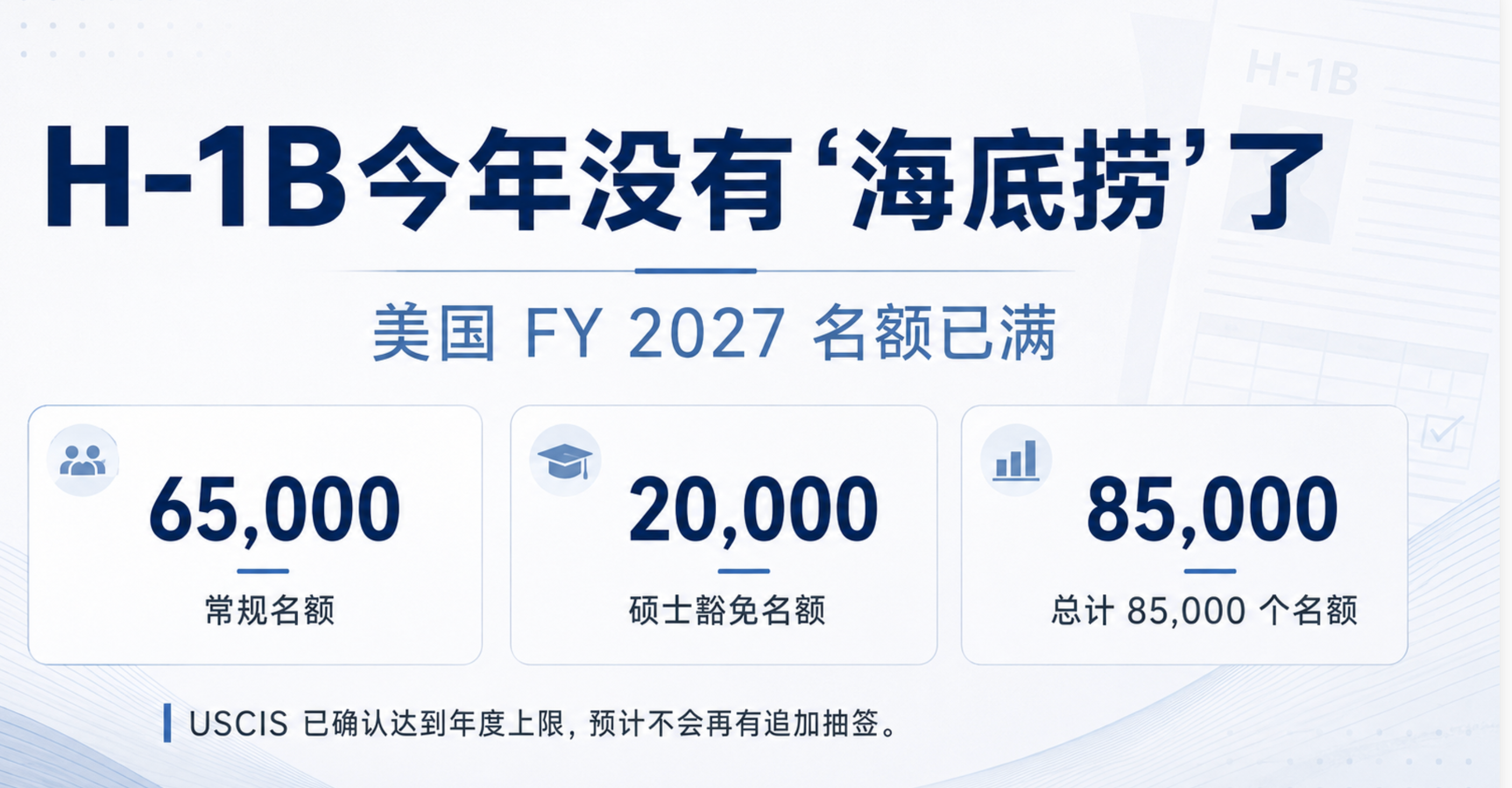
H-1B今年没有“海底捞”了:FY 2027名额已满,企业HR接下来怎么办?
美国公民及移民服务局 USCIS 近日确认,2027 财年 H-1B 已经收到足够数量的申请,达到年度法定配额。其中包括 65,000 个常规 H-1B 名额,以及面向美国高校硕士及以上学位申请人的 20,000 个 advanced degree exemption 名额,总计 85,000 个。这也意味着,很多申请人和企业等待的第二轮追加抽签,基本不会再来了。 在华人求职和移民社群中,H-1B 第二轮、第三轮追加抽签有时会被形象地称为“海底捞”——第一轮没有被选中的申请人,仍有机会因为部分中签申请未提交、材料不合格或名额未被充分使用,而重新进入追加选取。 但 USCIS 此次明确表示,已经收到足够数量的合格申请,以满足 FY 2027 的年度配额要求。因此,对今年第一轮没有获得 selection notice 的候选人而言,继续等待追加抽签的可能性已经非常有限。 85,000个名额达到上限,不等于85,000份申请全部获批 企业 HR 需要注意,“达到年度配额”并不代表所有被选中的申请都已经获得批准,也不代表 USCIS 已经发放了全部 85,000 个签证。 H-1B通常需要经历注册选取、雇主提交完整申请、USCIS审理以及身份生效等多个环节。部分申请可能因为岗位不符合 specialty occupation 要求、工资或工作地点信息不一致、雇佣关系证明不足,或者未能及时提交材料而被补件、拒绝或撤回。 USCIS会根据实际申请数量和预期批准情况,提前选取略高于年度法定配额的注册。因此,当 USCIS 判断现有申请已经足以填满年度名额时,就不会再进行第二轮或后续追加选取。 对没有在第一轮被选中的申请人而言,这意味着企业需要尽快停止“继续等一等”的被动状态,转向其他合法用工或人才配置方案。NACSHR 可以推荐相关优秀的移民律师事务所供大家选择。 今年更大的变化,是H-1B开始与岗位薪酬直接挂钩 FY 2027 值得关注的不只是名额已经用完,更重要的是 H-1B 选取机制正在发生变化。 根据新的工资加权选取规则,岗位所对应的 OEWS Wage Level 越高,在选取池中获得的权重越大。其中,Wage Level IV、Level III、Level II 和 Level I 分别可以获得四次、三次、两次和一次进入选取池的机会。 这并不意味着 Level I 或 Level II 的岗位完全没有机会,也不代表企业可以通过简单提高工资数字来提高中签率。申报工资必须与岗位职责、工作地点、候选人经验、SOC职业分类以及企业真实薪酬结构保持一致。 但从企业人才战略角度看,H-1B已经不再是一个完全独立、相对随机的移民程序。岗位级别和薪酬设计,正在更直接地影响国际人才获得工作身份的机会。 对于大量招聘应届毕业生、职业早期技术人才或初级专业岗位的企业而言,未来的H-1B竞争压力可能进一步增加。 企业HR不能再等到抽签前才讨论H-1B 过去,部分企业通常在每年3月H-1B注册窗口开放前,才开始统计哪些员工需要参与抽签。业务部门确定候选人后,再把名单交给HR和移民律师处理。 在新的环境下,这种临时处理方式已经不够。 企业需要在招聘国际人才时,提前确认候选人的现有身份、OPT或STEM OPT到期时间、岗位工资等级、工作地点、远程办公安排以及未来职位发展路径。 例如,一名国际学生即使能够通过OPT顺利入职,也不代表企业可以等到OPT即将到期时才考虑后续身份。企业应当提前评估其未来一到三年的岗位发展、薪酬调整和签证路径,避免在H-1B没有中签后才仓促寻找替代方案。 对于关键岗位,HR还需要提前与业务负责人讨论:如果候选人无法获得H-1B,企业能否安排海外办公、内部调动、转换工作地点,或者通过其他合规方式继续雇佣? 这些问题正在成为全球人才管理的一部分,而不仅是移民律师的工作。 没有中签后,企业还能考虑哪些路径? 对于FY 2027没有获得H-1B选取的候选人,企业不应直接得出“无法继续雇佣”的结论,而应结合个人背景、企业结构和岗位情况,评估其他可能路径。 符合条件的美国高校毕业生可能仍可使用OPT或STEM OPT继续工作。跨国企业可以评估未来是否具备L-1内部调动条件。具有突出专业能力、行业影响力或重要成就的人才,可以进一步了解O-1的适用可能性。 部分大学、非营利研究机构及与其存在法定关联的组织,可能适用cap-exempt H-1B,不受每年85,000个名额限制。已经被计入过H-1B年度配额的员工,在符合条件的情况下,也可能继续申请延期、更换雇主或修改工作条件,而不需要再次参加年度抽签。 但这些方案都有明确的资格和证据要求,企业不能将其视为可以互相替代的标准产品。HR应尽早与专业移民律师评估,而不是等到员工身份即将到期时才启动申请。 对初创公司和中小企业的影响可能更明显 大型企业通常拥有相对成熟的岗位体系、薪酬等级和全球办公网络。当员工未能获得H-1B时,一些企业还可以通过海外办公室、内部调动或其他人才安排提供替代方案。 相比之下,初创公司和中小企业的选择往往更有限。它们可能更依赖职业早期人才,薪酬预算相对受限,也不一定拥有能够支持海外调动的国际实体。 因此,H-1B选取机制的变化,可能进一步放大不同规模企业在国际人才竞争中的资源差距。 这并不意味着中小企业应该放弃国际人才,而是需要更加精确地评估岗位价值、身份风险和长期用工成本。对于高度关键、难以替代的岗位,企业可能需要更早介入身份规划;对于替代性较高的岗位,则应建立更具弹性的人才储备,避免把业务连续性完全建立在一次年度抽签结果上。 NACSHR建议:把移民规划纳入年度人才战略 对于正在美国招聘和雇佣国际人才的企业,NACSHR建议HR重点推进以下工作。 第一,建立国际员工身份台账,持续记录签证类型、OPT和STEM OPT期限、H-1B参与记录、身份到期时间及关键申请节点。 第二,在岗位批准和招聘预算阶段,提前评估职位职责、工作地点、SOC Code、市场工资和OEWS Wage Level,而不是等到H-1B注册时才核对。 第三,对关键国际人才建立至少两套后续方案,包括H-1B之外的身份路径、海外办公安排、内部调动方案或岗位替代计划。 第四,加强HR、业务负责人、薪酬团队和移民律师之间的协作,确保招聘承诺、岗位描述、工资数据和实际雇佣安排保持一致。 第五,避免向候选人承诺一定能够获得H-1B。企业应当清晰说明抽签及审批存在的不确定性,同时提前沟通未中签情况下的处理原则。 H-1B名额达到上限并不是一条孤立的移民新闻。它提醒企业,全球人才竞争正在进入一个更加重视岗位价值、薪酬设计、合规能力和长期规划的阶段。 对于HR而言,真正需要关注的已经不只是“今年有没有中签”,而是企业是否拥有一套能够应对身份不确定性的全球人才管理机制。 目前,USCIS尚未公布FY 2027完整的注册总量、不同工资等级的注册分布和最终选中率。NACSHR将继续关注相关政策与数据变化,为北美华人HR及出海企业提供人才管理和跨境用工信息。 关于NACSHR 北美华人人力资源协会(NACSHR)成立于2016年,致力于连接北美华人HR专业人士、企业管理者与全球人才服务机构,推动跨境人才管理、海外用工合规和人力资源行业交流。 本文仅作为人力资源管理与行业信息参考,不构成法律或移民建议。企业及个人应根据具体情况咨询具备资质的美国移民律师。 如果需要推荐相关移民律师可以联系 nacshr818@gmail.com
资讯
2026年07月22日
资讯
LinkedIn因“幽灵职位”遭得州调查,招聘平台真实性与付费模式面临审视
核心概述:LinkedIn因“幽灵职位”问题遭得州总检察长调查。所谓幽灵职位,是指岗位并不存在实际空缺,或企业发布职位后并没有真正填补计划。调查将审查LinkedIn是否在缺乏充分职位核验和风险披露的情况下,以求职机会吸引用户购买Premium Career和Premium Business服务,二者月付价格分别起价39.99美元和69.99美元。得州方面已经发出民事调查要求,索取LinkedIn职位广告、核验机制及相关通信数据。目前调查不代表LinkedIn已经违法,但它将招聘平台的商业责任推到台前:当平台依靠岗位流量、付费曝光和订阅服务获利时,是否有义务确保职位真实有效?对HR而言,长期挂着不招、预算冻结后不撤岗、用正式职位包装人才库需求,都可能成为新的候选人体验与合规风险。 美国得克萨斯州总检察长办公室近日宣布,已对微软旗下职业社交与招聘平台 LinkedIn 展开调查,重点审查其是否通过发布虚假或误导性招聘信息,并向求职者销售付费订阅服务从中获利。 得州总检察长 Ken Paxton 于2026年7月14日表示,此次调查涉及被称为“幽灵职位”(Ghost Jobs)的招聘信息,即相关职位并不存在真实空缺,岗位已经停止招聘,或者雇主虽然发布职位,却没有实际填补岗位的计划。调查目前仍处于取证阶段,并不意味着 LinkedIn 已被认定存在违法行为。 根据得州总检察长办公室披露的信息,LinkedIn 一直将自身定位为帮助求职者寻找就业机会的可信平台,同时向用户提供 Premium Career、Premium Business 等付费服务。调查将重点关注,在部分职位可能不代表真实就业机会的情况下,LinkedIn 是否向付费用户进行了充分披露,以及平台是否采取了合理的职位真实性核验措施。 得州方面已经向 LinkedIn 发出民事调查要求,要求其提交与招聘广告、职位验证机制、用户沟通及相关商业实践有关的文件、数据和内部通信。得州总检察长办公室援引的研究认为,“幽灵职位”可能占在线招聘信息的五分之一至三分之一,这意味着该问题可能并非个别企业的操作失误,而是在线招聘市场长期存在的结构性问题。 “幽灵职位”的形成原因较为复杂。一些企业会在招聘预算尚未批准时提前发布岗位,也有企业通过长期保留职位建立人才库、测试市场供给或展示业务增长形象。部分岗位则已经暂停或完成招聘,但企业招聘系统与外部平台之间没有及时同步,导致职位仍然持续接受申请。 对于求职者而言,每一次申请都意味着简历修改、资料填写、面试准备和时间投入。大量无效职位不仅会降低求职效率,也会加剧候选人的焦虑和挫败感,最终削弱其对招聘平台和企业雇主品牌的信任。 NACSHR认为,此次调查将招聘信息真实性问题进一步推向监管层面。招聘平台不能只以职位数量、用户活跃度和申请流量衡量平台价值,还需要建立更完善的雇主身份验证、岗位有效期、招聘状态更新和过期职位清理机制。 企业HR也应加强招聘职位治理。只有获得明确预算、Headcount批准和招聘计划的岗位,才应被标记为正式开放职位;用于人才储备或未来招聘的职位,应清楚注明“人才社区”或“未来机会”;暂停、冻结或已经完成招聘的岗位,则应及时从ATS和外部招聘平台撤下。 随着招聘越来越依赖数字化平台,职位真实性正在成为候选人体验、雇主品牌和企业合规管理的重要组成部分。LinkedIn调查的最终结果尚未确定,但它已经向招聘行业发出清晰信号:真实、透明和可验证的招聘信息,将成为未来招聘平台与企业必须共同承担的责任。 ——NACSHR 北美华人人力资源协会
资讯
2026年07月15日
资讯
【商战】Deel申请排除核心证人证词,与Rippling“商业间谍”诉讼进入关键阶段
Deel与Rippling的“商业间谍”诉讼进入关键阶段。Deel请求San Francisco联邦法院排除核心证人Keith O’Brien的证词,称其在证据开示阶段拒绝回答超过100个问题,并曾援引美国宪法第五修正案。O’Brien此前担任Rippling薪酬合规经理,并在宣誓陈述中称Deel CEO Alex Bouaziz亲自指示其收集Rippling的薪酬战略、扩张计划等机密信息。Rippling及O’Brien律师则表示,证人不会依据第五修正案拒绝回答问题,Deel的申请建立在错误前提上。Deel估值173亿美元,Rippling估值168亿美元,两家公司合计估值约341亿美元。这场诉讼正在成为HR科技行业商业秘密、员工权限与管理层治理的重要案例。 全球薪酬与跨境用工平台 Deel 与 Rippling 之间持续一年多的法律争端,正在进入围绕核心证人资格与证据可信度的关键阶段。 据 Bloomberg News 2026 年 7 月 15 日报道,Deel Inc. 已向美国联邦法院提出申请,要求排除 Rippling 诉讼核心证人 Keith O’Brien 的相关证词。Deel 认为,O’Brien 在案件证据开示过程中拒绝回答超过 100 个问题及信息请求,并曾援引美国宪法第五修正案所保障的拒绝自证其罪权利,因此不应在正式庭审中继续就相关事项作证。 这场诉讼始于 2025 年 3 月。Rippling 当时起诉 Deel,指控 Deel 向其员工 Keith O’Brien 支付报酬,要求其秘密收集 Rippling 的内部机密信息。O’Brien 曾在 Rippling 担任 payroll compliance manager,主要负责薪酬合规相关工作。 在 2025 年 4 月提交的一份宣誓陈述中,O’Brien 支持了 Rippling 的核心指控,并称 Deel CEO Alex Bouaziz 曾亲自指示其收集 Rippling 的薪酬战略、业务扩张计划及其他内部信息。Deel 始终否认相关指控,并对 Rippling 及 O’Brien 提起反诉,同时持续质疑 O’Brien 的证人可信度、财务动机以及其陈述的完整性。 Deel 此次申请的核心法律逻辑是,民事诉讼中的证人通常不能在审前证据开示阶段拒绝回答问题,却在正式庭审阶段选择性地提供证词。Deel 在提交给 San Francisco 联邦法院的文件中列举了多项其认为 O’Brien 未作回答的问题,包括其与 Deel 的通信、Rippling 机密信息的转移、2025 年宣誓陈述中的具体内容,以及其个人财务和商业活动情况。 不过,Rippling 及 O’Brien 的律师对 Deel 的说法提出了直接反驳。Rippling 律师 Eric H. MacMichael 表示,O’Brien 并没有计划基于第五修正案拒绝提供信息,并已通过书面方式确认这一点。O’Brien 的律师 Josh Cohen 也表示,其客户“没有拒绝,也不会拒绝”基于第五修正案回答 Deel 的问题。 Rippling 随后将 Deel 的申请形容为一次试图阻止事实公开的“最后一搏”,并认为该申请建立在“错误前提”之上。最终,法院是否接受 Deel 的申请,将直接影响 Rippling 能否继续依赖 O’Brien 的证词支持其核心主张。 这场争端已经不再只是两家 HR 科技公司的普通商业纠纷。据 The Wall Street Journal 此前报道,美国司法部曾基于 Rippling 的相关指控对 Deel 展开刑事调查。Deel 对该报道拒绝发表评论,目前调查是否形成正式指控,原文未说明。 值得注意的是,诉讼并未明显削弱两家公司的融资能力和市场估值。Deel 在完成 3 亿美元融资后估值达到 173 亿美元,并于 2026 年 3 月宣布年度经常性收入超过 14 亿美元。Rippling 则在 2026 年 5 月完成 4.5 亿美元融资,估值达到 168 亿美元,其中包括 2 亿美元员工股份回购安排。 NACSHR 认为,本案对 HR 科技行业具有较强警示意义。随着全球薪酬、跨境雇佣和劳动力管理平台快速扩张,企业不仅要关注产品与市场竞争,也需要建立更严格的员工权限管理、商业秘密保护、内部通信留痕和高管合规机制。高速增长和高估值并不能替代治理能力,一旦内部数据访问、员工行为与管理层决策缺乏边界,商业竞争风险可能迅速演变为法律、品牌与客户信任危机。
资讯
2026年07月15日
资讯
Walmart超1300万美元和解案:Spark Driver薪酬透明度争议释放平台用工合规新信号
Walmart 在德州就 Spark Driver 配送司机薪酬争议达成超过 1300 万美元和解,涉及小费、基础报酬和激励奖金等薪酬透明度问题。这个案例很值得 HR、法务和灵活用工平台关注:未来平台用工的合规重点,不只是是否支付报酬,更包括收入展示是否准确、订单接受后能否调整薪酬、激励规则是否清楚以及系统记录是否可审计。建议大家看看这个案例,对平台用工和外部劳动力管理都有参考价值。 NACSHR 关注到,Walmart 近期在 Texas 就其 Spark Driver Program 配送司机薪酬相关指控达成超过 1300 万美元和解。该事件围绕平台型配送司机的收入展示、客户小费、基础报酬以及激励奖金等问题展开,反映出美国监管机构对零工经济、独立承包商和平台用工薪酬透明度的持续关注。 Spark Driver Program 是 Walmart 用于支持杂货及商品配送的平台型服务,司机通过平台接受配送任务,并根据订单、基础报酬、客户小费及相关激励获得收入。此次 Texas Attorney General Ken Paxton 公布的和解重点在于,相关司机是否能够在接受配送任务前后获得清晰、准确、可理解的薪酬信息,尤其涉及预计收入、客户小费、基础报酬和激励收入等关键组成部分。 根据公开信息,本次和解金额超过 1300 万美元,其中约 669 万美元用于向受影响的 Texas Spark drivers 支付赔偿金,另有约 669 万美元用于民事罚款、律师费用及相关成本。Walmart 否认存在不当行为,和解也不构成对责任或违法行为的承认,但公司同意在未来进一步改进薪酬沟通和支付保障机制,提升司机端收入信息展示的准确性与透明度。 这起事件的行业意义并不局限于 Walmart 本身。随着即时配送、零售平台、灵活用工、外包劳动力和独立承包商模式不断扩展,企业在“非传统雇佣关系”下的合规责任正在变得更加复杂。过去,企业往往更关注是否按约支付报酬;而现在,监管关注点正在进一步前移,延伸到企业如何向劳动者展示收入预期、如何解释小费归属、如何设定激励条件、是否允许订单接受后调整报酬,以及系统是否能够留下可审计的薪酬记录。 对于 HR、法务、合规和用工平台而言,这一案例提醒企业需要重新审视平台型用工中的薪酬治理机制。即使劳动者被归类为独立承包商,企业依然需要确保收入规则清晰、平台界面表述准确、激励项目条件明确、小费处理方式透明,并且能够在发生争议时提供完整的数据记录与解释依据。尤其是在使用算法派单、动态定价、自动化激励和移动端收入展示的业务场景中,薪酬信息的准确性已经成为平台信任和合规风控的重要组成部分。 NACSHR 认为,平台经济的发展正在推动人力资源管理从传统雇佣关系管理,走向更广义的劳动力治理。未来企业管理的不仅是员工,也包括承包商、临时工、外包人员、平台劳动者和生态合作伙伴。不同用工类型之间虽然法律关系不同,但围绕薪酬透明、工作规则披露、数据留痕、争议处理和劳动者体验的治理要求正在不断趋同。 对企业 HR 来说,这一趋势值得高度重视。 第一,企业需要定期审查面向劳动者的收入展示和薪酬沟通材料,避免出现过度承诺、模糊描述或误导性表达。 第二,涉及小费、奖金、补贴、激励和动态报酬的项目,应建立清晰的规则说明和可追溯的计算逻辑。 第三,平台系统、HRIS、Payroll、Workforce Management 和合规团队之间需要形成更紧密的数据协同,确保劳动者看到的信息、后台计算逻辑和最终支付结果保持一致。 第四,企业在扩大灵活用工规模时,应将薪酬透明度纳入平台治理、供应商管理和风险控制框架,而不是仅作为运营细节处理。 Walmart Spark Driver 和解案再次表明,零工经济并不意味着合规边界降低,平台化用工也不意味着企业可以弱化对薪酬规则的解释责任。相反,平台越依赖算法、动态报酬和移动端交互,就越需要建立更透明、更可解释、更可审计的薪酬治理体系。 在未来的美国劳动力市场中,薪酬透明度、收入核验、面向劳动者的信息披露以及薪酬审计追踪很可能成为平台用工和灵活用工合规管理的核心关键词。 对于正在使用或计划使用灵活用工模式的企业而言,提前建立系统化的薪酬透明机制,不仅有助于降低法律风险,也有助于提升劳动者信任、平台稳定性和企业品牌声誉。
资讯
2026年07月08日
资讯
北美合规观察:一起美国劳动争议给中国企业的用工管理提醒
核心概述:Miniso USA 相关劳动争议,给所有出海美国的中国企业敲了一个很重的警钟。这个案子不是简单的“员工起诉公司”,而是把岗位分类、工资工时、反骚扰、HR独立性、举报报复和仲裁条款边界全都串了起来。加州法院明确,若案件中包含受 EFAA 保护的性骚扰相关请求,企业预先签署的仲裁协议可能对整个案件都不可执行。此后案件在 2026 年 3 月出现“全案和解通知”,但金额和条款未公开。对出海企业来说,真正的风险控制不是靠仲裁条款,而是靠本地化管理和合规体系。 对于进入美国市场的中国企业来说,劳动雇佣风险往往不是单一事件,而是一整套管理系统的集中反映。一宗发生在加州的劳动雇佣争议,近期再次引发出海企业对美国用工合规、仲裁条款、HR 独立性和本地管理边界的关注。该案涉及 Miniso Depot CA, Inc.、USA Miniso Depot, Inc. 及相关个人被告。为便于阅读,本文将相关美国实体统称为 Miniso USA。 需要首先说明的是,本文基于美国公开法院文件、公开案卷信息及公开法律资料整理,仅作出海企业用工合规观察,不构成法律意见。文中涉及的诉讼请求和事实描述,除法院已经就程序问题作出裁定的部分外,均属于当事方在诉讼中的主张,不代表法院已作出实体认定。公开案卷信息显示,该案后续出现全案和解通知,但和解金额、具体条款、支付安排及是否包含责任承认并未公开,本文不作推测。 这起案件之所以值得出海企业关注,并不在于外界能够得知具体赔偿金额,而在于它把美国市场中常见的多项劳动雇佣风险集中呈现出来:岗位分类是否准确、工资工时是否合规、管理者言论是否触及受保护身份特征、HR 是否具备合规独立性、员工投诉后是否存在报复风险、移民用工和招聘流程是否经得起审查,以及企业能否依靠预先签署的仲裁协议把争议带离公开法院程序。 一、案件程序:从强制仲裁争议到全案和解通知 根据公开法院文件,原告 Yongtong “Jade” Liu 于 2023 年 10 月 5 日提起诉讼。诉状中提出的请求涉及工资工时、加州《公平就业与住房法》(Fair Employment and Housing Act,简称 FEHA)下的骚扰和歧视、加州劳动法第 1102.5 条下的报复、建设性解雇、有意造成情绪痛苦,以及相关补偿性损害赔偿、法定罚金、惩罚性赔偿、禁令救济和律师费请求。 2024 年 1 月 31 日,Miniso USA 依据员工入职时据称签署的仲裁协议,向法院申请强制仲裁。企业一方的核心立场是,原告提出的全部劳动雇佣请求均与其雇佣关系相关,因此应当按照仲裁协议进入私人仲裁程序。原告一方则主张,案件中包含性骚扰相关请求,根据《终止强制仲裁性侵犯和性骚扰法》(Ending Forced Arbitration of Sexual Assault and Sexual Harassment Act,简称 EFAA),其有权选择不受预先争议仲裁协议约束。 洛杉矶高等法院拒绝了 Miniso USA 的强制仲裁申请。案件随后上诉至加州第二上诉区。加州上诉法院在 2024 年 10 月 7 日发布公开判决,维持一审裁定。法院讨论的核心问题不是原告所有实体主张是否成立,而是 EFAA 适用时,仲裁协议是否只对性骚扰相关请求不可执行,还是对整个案件不可执行。法院最终认为,EFAA 使用的是“案件”(case)这一概念,而不是“单项诉讼请求”(claim)。因此,当一个诉讼中至少包含一个受 EFAA 覆盖的性骚扰相关请求时,预先仲裁协议对整个案件不可执行。 Miniso USA 后续继续寻求更高层级法院审查,并向美国最高法院提交调卷令申请,希望最高法院审查这一法律问题。美国最高法院最终拒绝审理。此后,原审案件回到洛杉矶高等法院程序。公开案卷信息显示,案件在 2026 年 3 月出现全案和解通知。根据加州法院对该类表格的说明,全案和解通知用于告知法院和对方,案件争议已由当事方通过协议解决,并将进入撤诉流程。由于和解协议通常不在公开案卷中披露,外界无法确认和解金额、具体付款安排、律师费分配、保密条款、非贬损条款,或是否包含任何责任承认。 因此,准确理解这起案件,不能写成“法院已经判 Miniso USA 赔偿”,也不能写成“企业承认违法”。更准确的表述是:该案在强制仲裁程序争议中形成了有影响力的上诉判决,明确了 EFAA 对整个案件的覆盖效果;随后原审案件出现全案和解通知,具体和解条款未公开。 二、岗位分类争议:职位名称不能替代法律标准 公开判决文件显示,原告在诉状中称,其大约在 2021 年 4 月被聘为人力资源管理员,最初按小时工资支付;大约在 2022 年 1 月,其职位名称发生变化,并被归类为豁免员工。原告主张,虽然职位名称发生变化,但实际工作职责基本未变。她据此主张自己被错误归类为豁免员工,导致未获得全部工时工资、最低工资、加班工资,也没有获得合规的用餐和休息时间以及准确工资单。 这一点对出海企业非常现实。很多中国企业在美国设立本地团队时,习惯沿用总部对职级、头衔和岗位价值的理解,把“管理员”“主管”“经理”“负责人”“HR”等职位名称直接等同于更高级别的豁免员工身份。但在美国,尤其是在加州,员工是否属于豁免员工,不能只看头衔,而要看实际职责、薪资支付方式、管理权限、独立判断程度和法定豁免条件。 这类问题在出海零售、餐饮、仓储、电商、制造和门店运营企业中都很常见。企业快速扩张时,往往会把一个本地员工赋予多个职责:既做 HR 行政,又做门店支持;既处理招聘,又协助运营;既管理文档,又配合总部执行具体任务。岗位一旦混合化,员工分类就不能简单套用总部模板。企业如果没有进行加州本地劳动法审查,可能在不知不觉中积累工资工时风险。 对 HR 来说,这个案例提醒企业,在美国市场配置岗位时,需要提前完成岗位职责说明、豁免状态判断、工时记录规则、加班审批流程、用餐休息管理、工资单合规检查等基础工作。尤其是中国企业常见的“小团队多任务”模式,在美国并不自动降低合规要求,反而可能因为职责边界不清,增加后续争议难度。 三、职场言论边界:文化差异不能成为管理风险的解释理由 公开判决文件还显示,原告在诉状中提出了与性别、性取向、性别表达和外貌相关的骚扰及歧视请求。出于隐私和合规考虑,本文不完整复述诉状中涉及的具体言论和称呼。但从法院文件可见,原告将部分会议中的外貌评价、性别角色表达、与性取向相关的评论,以及针对其个人身份表达的称呼等内容,纳入 FEHA 下的性骚扰、性别歧视、性取向和性别身份骚扰、性取向和性别身份歧视请求。 这部分内容目前仍属于原告主张,法院并未在该程序阶段对实体事实作出最终认定。但它对出海企业的管理启示非常直接:在美国职场中,对员工外貌、身材、性别角色、性取向、性别表达、年龄、族裔、国籍、怀孕、残障等内容的评论,不能被简单视为“玩笑”“直率表达”或“文化差异”。一旦这些言论与受保护身份特征发生关联,就可能进入骚扰、歧视或敌意工作环境的法律分析框架。 很多出海企业在美国遇到的合规问题,并不是因为没有员工手册,而是因为管理者没有真正理解当地职场边界。总部管理者、外派负责人、区域经理、门店负责人和业务主管,在中国语境下可能习惯于更直接的评价方式,例如评价员工形象、穿着、气质、性格、性别表达或“是否适合某类岗位”。但在美国,这些表达如果被员工理解为与受保护身份相关,后续可能成为投诉、调查、律师函或诉讼中的重要背景事实。 因此,出海企业在美国做管理培训时,不能只讲制度流程,还要讲“哪些话不能说”“哪些玩笑不能开”“哪些评价不能进入绩效反馈”“哪些表达必须转换为岗位相关、行为相关、可记录的管理语言”。本地化管理不是把总部话术翻译成英文,而是重新建立美国语境下的管理边界。 四、HR 被卷入争议:合规防线不能只是业务执行工具 这起案件最值得出海企业重视的地方,是原告本人曾在 HR 岗位工作。公开判决文件显示,原告在诉状中称,作为 HR 岗位员工,她被要求参与其认为存在违法风险的做法,其中涉及薪酬公平、招聘偏好和移民相关文件等事项。原告还主张,自己曾向相关人员投诉并拒绝参与这些做法,之后遭遇进一步骚扰和歧视。 这些内容目前仍是诉状主张,并不代表法院已经认定相关事实成立。但作为出海管理案例,它揭示出一个非常典型的问题:很多企业在海外市场把 HR 当作执行部门,而不是合规控制节点。业务负责人需要快速招聘、快速开店、快速处理员工问题,HR 往往被要求“配合业务”“解决问题”“不要拖慢进度”。但在美国,HR 的角色不仅是招聘和行政支持,更是雇佣风险的第一道防线。 如果 HR 在招聘、薪酬、身份文件、工时记录、员工投诉、纪律处分或解雇问题上提出合规疑虑,企业需要有正式的升级机制,而不是把这种提醒视为“不支持业务”。如果 HR 员工本人认为自己因提出合规异议、拒绝参与其认为违法的行为,或投诉内部问题而遭到不利对待,争议性质就可能从普通劳动纠纷升级为举报人保护和反报复风险。 对出海企业来说,这一层风险比普通员工投诉更敏感。因为它意味着企业内部本应承担合规提醒和风险识别功能的人,反而成为争议当事人。这样的案件一旦进入公开法院程序,外界关注的不只是某一个员工争议,而是企业的 HR 职能是否独立、内部投诉机制是否有效、业务扩张是否压过了合规底线。 五、招聘、薪酬与移民用工:出海企业最容易低估的复合风险 公开判决文件显示,原告在诉状中还提到其认为存在问题的内部做法,包括薪酬公平、招聘偏好及移民相关文件事项。本文不对这些主张作实体判断,也不将其作为已经被法院确认的事实。但从出海企业合规角度看,这几类问题本身都属于美国雇佣管理中的高敏感领域。 招聘偏好方面,美国企业在招聘中必须避免将年龄、国籍、族裔、性别、性取向、婚育状况、残障等受保护因素作为筛选标准。即使业务确实有语言、文化、班次、客户沟通或岗位适配需求,也应转化为合法、岗位相关、可证明的资格标准。例如,“需要具备某语言能力以服务特定客户群体”和“只招某类人”在法律风险上完全不同。 薪酬公平方面,加州对同工同酬、薪酬透明、工资记录和反歧视管理有较高要求。企业不能仅凭谈判能力、过往薪资、主管偏好或总部经验决定本地薪酬。尤其是跨境企业中常见的“同岗不同薪”“中方员工和本地员工薪酬逻辑不同”“门店员工和后台员工分类混乱”等问题,都可能在争议中被放大。 移民用工方面,美国对员工工作许可、I-9 表格、签证身份、雇佣资格和文件真实性要求严格。企业不能为了快速补人、帮助员工入职或配合业务运营,而让 HR 或管理者处理不清楚、不完整或存在风险的身份文件。任何涉及工作许可和身份文件的问题,都应由熟悉美国移民和雇佣合规的专业人员处理,避免业务团队用“先上岗、后补文件”的方式制造更大风险。 这些问题本身并不一定单独导致重大诉讼,但一旦与员工投诉、骚扰歧视主张、岗位分类问题和离职争议叠加,就可能形成复杂的劳动雇佣案件结构。出海企业必须认识到,美国劳动争议常常不是一个点,而是一条线,甚至是一张网。 六、强制仲裁的边界:协议不是万能防火墙 Miniso USA 在该案中提出强制仲裁申请,是美国劳动雇佣争议中常见的程序策略。企业使用仲裁协议本身并不罕见,也并不当然不合规。许多美国雇主都会在员工入职时签署仲裁协议,希望通过仲裁降低公开诉讼风险、控制争议解决成本、避免陪审团审理带来的不确定性。 但这起案件的法律意义在于,EFAA 对这一工具设置了重要边界。EFAA 在“#MeToo”运动背景下通过,核心目的之一是防止性骚扰和性侵犯争议被预先仲裁协议强制转入私人程序。加州上诉法院在本案中采用的解释是,只要案件中至少包含一个受 EFAA 覆盖的性骚扰相关请求,仲裁协议对整个案件不可执行,而不是只排除性骚扰请求、再把其他工资工时或报复请求拆出去仲裁。 对出海企业而言,这一规则有两个直接影响。第一,企业不能假设员工签了仲裁协议,所有劳动争议都可以避免公开法院程序。第二,如果一起劳动争议中同时包含工资工时、骚扰歧视、报复、建设性解雇等多项请求,只要其中性骚扰相关请求足以触发 EFAA,企业原本预期的仲裁策略可能无法发挥作用。 这并不意味着出海企业不应使用仲裁协议。更准确的理解是,仲裁协议是争议解决工具,不是合规管理替代品。企业仍可以在律师指导下使用合规的仲裁协议,但不能把它视为风险的最终防线。真正降低风险的方式,是把合规控制前移到日常管理中。 七、和解的意义:不是实体定罪,也不是风险消失 公开案卷显示,该案后续出现全案和解通知。从法律和报道角度看,这一点必须谨慎表述。和解不等于法院实体判定原告全部主张成立,也不等于企业承认违法;同时,和解也不意味着案件中反映出的管理问题可以被忽略。它更像是一种争议解决结果:双方在成本、风险、时间、证据、声誉、诉讼不确定性等因素之间作出商业和法律权衡。 美国劳动雇佣案件中,和解是一种常见结局。尤其是在案件经历长时间程序争议后,继续进入实体审理可能意味着更多律师费、更多证据开示、更多管理层时间投入,以及更多公开信息暴露。对企业而言,和解可能是一种控制不确定性的方式。对个人员工而言,和解也可能是结束漫长争议、降低继续诉讼压力的现实选择。 因此,文章不应把这起案件写成“谁被法院定罪”或“谁被判赔多少”,而应把重点放在更有价值的合规复盘上:为什么一个员工争议会牵出这么多管理环节?为什么仲裁协议没有把案件带离法院?为什么 HR 角色一旦卷入争议,案件复杂度会显著上升?为什么出海企业必须把美国用工合规视为管理系统,而不是文件工程? 八、给出海企业的管理提醒 第一,美国员工岗位分类必须基于法律标准,而不是职位名称。出海企业不能因为员工头衔中带有管理员、经理、负责人、主管或 HR,就自动将其归为豁免员工。加州对工资工时、休息时间、用餐时间和工资单要求非常严格,岗位分类错误可能成为后续多项诉讼请求的基础。 第二,管理者言论需要本地化训练。外貌、身材、性别角色、性取向、族裔、年龄、怀孕、残障、国籍等话题,在美国职场中都可能涉及受保护身份特征。企业应对中国外派管理层、门店经理、区域负责人和总部远程管理者进行反骚扰、反歧视和反报复培训,而不是只让基层员工在线签收员工手册。 第三,HR 必须具备合规独立性。HR 不能只是业务指令的执行者,更应有权对招聘、薪酬、身份文件、员工投诉、解雇和纪律处分提出合规意见。企业应建立升级机制,让 HR 可以向法务、外部律师或更高层汇报合规疑虑,而不必担心被视为“不支持业务”。 第四,招聘偏好和薪酬决策必须避免触及受保护身份特征。涉及年龄、国籍、性别、族裔、语言、身份等因素的招聘表达,都应由专业 HR 或劳动雇佣律师审查。即使业务有真实需求,也应转换为合法、岗位相关、可证明的资格标准。 第五,移民用工和身份文件不能由业务团队随意处理。涉及 I-9 表格、工作许可、签证身份、移民文件和雇佣资格的问题,应严格按照法律流程执行,避免任何看似“帮员工解决问题”但实际可能触及文件真实性或雇佣资格风险的操作。 第六,员工投诉之后的管理动作必须高度谨慎。员工一旦提出工资、骚扰、歧视、非法行为或合规问题投诉,企业后续的排班、绩效、降职、调岗、纪律处分、解雇和沟通方式,都可能被审视是否构成报复。企业需要形成清晰的调查记录和非报复性管理依据。 第七,仲裁协议需要更新,但不能迷信。企业仍然可以在律师指导下使用合规的仲裁协议,但必须认识到 EFAA 和州法限制。对于涉及性骚扰或性侵犯的争议,预先仲裁协议可能无法发挥企业预期的隔离效果。真正降低风险的方式,是把争议解决前移到组织治理和日常管理中。 结语:出海合规不是文件工程,而是管理系统工程 这起美国劳动争议的最终公开信号,不是一个明确的实体判赔结果,而是一个更现实的管理提醒:企业可以使用仲裁协议和程序性抗辩,但不能指望它们替代本地化管理能力。案件从强制仲裁争议一路走到美国最高法院拒绝审查,再到原审程序出现全案和解通知,说明劳动雇佣风险一旦进入公开法院体系,企业面对的不只是法律问题,也包括声誉、成本、管理成熟度和组织信任问题。 美国市场的劳动雇佣合规,已经不是“签好员工手册”和“准备仲裁协议”就能解决的问题。真正的风险控制能力来自三个层面:一是制度准确,确保岗位分类、薪酬、招聘、移民用工和投诉流程符合当地法律;二是管理者行为可控,确保总部和本地团队都理解美国职场边界;三是 HR 与法务能够形成有效制衡,让业务增长不以牺牲合规底线为代价。 从这个角度看,这起案件不是一个孤立的劳动争议,而是一面镜子。它提醒所有进入美国市场的企业:本地化管理不是把中国经验翻译成英文,而是重新理解当地法律、文化和组织治理规则。出海企业真正需要建设的,不只是海外门店、海外团队和海外销售网络,更是一套经得起法院、员工、监管和公众检验的管理系统。 如相关当事方认为本文引用的公开资料存在更新或表述需要澄清,欢迎提供公开可核验材料。我们将依据公开记录及时更正或补充。本文仅作出海合规与企业管理观察,不构成法律意见。案件实体责任、和解条款及赔偿金额,以法院后续公开记录或当事方依法披露信息为准。
资讯
2026年07月04日
资讯
EEOC 起诉 99 Ranch Market 母公司,指控其涉嫌歧视非华人员工
洛杉矶,2026年6月30日——美国平等就业机会委员会(U.S. Equal Employment Opportunity Commission,简称 EEOC)宣布,已对 99 Ranch Market 母公司 Tawa Supermarket, Inc. 提起诉讼,指控其在雇佣管理中涉嫌基于员工的原国籍背景歧视非华人员工。该案已提交至美国加州中区联邦地区法院,案件名称为 EEOC v. Tawa Supermarket, Inc. dba 99 Ranch Market, et al.,案号为 Case No. 8:26-cv-01682。 案件背景 Tawa Supermarket, Inc. 以 99 Ranch Market 品牌在美国经营亚洲超市连锁业务。根据 EEOC 官方信息,99 Ranch Market 至少拥有 66 家门店,覆盖加利福尼亚州、内华达州、俄勒冈州、华盛顿州、得克萨斯州、纽约州、新泽西州、马萨诸塞州、马里兰州、亚利桑那州和弗吉尼亚州等多个州。该公司是美国亚裔社区中具有较高知名度的超市品牌,服务对象和员工构成都具有明显的多元文化特征。 此次诉讼的核心并非单一员工争议,而是 EEOC 对企业门店层级用工管理方式提出的系统性指控。案件涉及招聘后管理、经理岗位安排、晋升机会、薪酬水平、工时安排和员工离职等多个雇佣环节。 EEOC 的主要指控 EEOC 指控,Tawa Supermarket, Inc. 自至少 2016 年一次领导层变动之后,在多个门店针对非华人员工实施了差别化管理。相关指控包括:解雇刚入职不久的非华人经理;因为员工并非华人而拒绝给予晋升机会;向非华人门店员工支付低于华人员工的薪酬;为非华人员工安排少于华人员工的工作时长。 EEOC 还称,部分非华人员工因受到相关待遇,认为自己已经没有其他选择,只能离职。换言之,EEOC 不仅关注企业是否存在直接解雇行为,也关注企业是否通过晋升、薪酬、排班等工作条件上的差别待遇,使员工处于不利就业环境之中。 涉及的法律依据 EEOC 认为,上述行为涉嫌违反《1964 年民权法案》第七章(Title VII of the Civil Rights Act of 1964)。该法律禁止雇主基于种族、肤色、宗教、性别和原国籍等受保护特征,在招聘、解雇、晋升、薪酬、排班、培训机会以及其他雇佣条款和工作条件上实施歧视。 本案的核心争议在于,企业是否因为员工的原国籍背景,对非华人员工作出了不利的就业决定。对于雇主而言,法律并不禁止企业根据真实业务需要设定岗位能力要求,例如语言能力、客户服务能力、供应链经验或跨文化沟通能力;但这些要求必须与岗位职责直接相关,并且不能被用来替代或掩盖基于族裔、国籍背景或原国籍的用人偏好。 EEOC 的官方立场 EEOC 代理总法律顾问 Catherine Eschbach 表示,雇主不能以“文化偏好”作为劳动力构成的理由来规避法律责任。她强调,基于受保护特征的偏好属于《1964 年民权法案》第七章所禁止的非法歧视;即使涉案雇主是一家华人超市连锁企业,也不能因此解雇非华人经理,或在就业条款和工作条件上歧视非华人员工。 EEOC 洛杉矶地区办公室负责人 Christine Park-Gonzalez 也指出,客户偏好,或认为某一群体员工更高效的观念,并不能成为原国籍歧视的合法理由。雇主必须遵守联邦法律,不能因为员工或求职者的原国籍背景,将其排除在就业机会之外。 这一表态也意味着,在服务特定族裔社区的商业环境中,企业仍然需要将“岗位所需能力”与“身份背景偏好”严格区分。客户群体的语言和文化特征,不能自动转化为企业内部招聘、晋升、薪酬和排班中的身份筛选标准。 案件当前状态 目前,该案仍处于诉讼阶段,相关内容属于 EEOC 的诉讼指控,尚不等同于法院已经作出最终责任认定。MyNewsLA 的报道显示,Tawa Supermarket 代表暂未能立即取得回应。后续案件可能通过法院审理、和解或其他程序继续推进,最终结果仍需以法院文件、正式和解协议或双方公开声明为准。 在案件最终结果明确之前,企业和公众需要区分“监管机构提出的指控”与“法院最终认定”。不过,从合规角度看,该案已经反映出美国就业执法机构对多族裔工作场所、移民企业和服务特定社区企业的用工管理问题保持高度关注。 对在美华人企业的合规提醒 NACSHR 认为,该案对在美华人企业和服务多族裔社区的企业具有现实警示意义。企业可以根据真实业务需要设定岗位条件,例如特定岗位需要中文沟通能力、熟悉亚洲食品供应链、具备跨文化客户服务经验,或能够服务特定客户群体。但这些要求必须与岗位职责直接相关,并以客观、可验证、非歧视性的方式执行。 语言能力可以是岗位能力要求,但族裔、国籍背景或原国籍背景不能成为招聘、晋升、排班、薪酬或解雇的依据。企业在制定岗位说明、评估候选人、决定晋升、安排工时和处理离职时,都应保留清晰、一致、可追溯的决策依据。 对于零售、餐饮、物流、制造和本地服务业企业,HR 和管理层尤其需要关注招聘标准、晋升记录、薪酬结构、排班规则和离职文件是否具备一致性。如果不同员工群体之间长期存在明显的晋升机会、薪酬水平或工时安排差异,企业就需要能够说明这些差异是否基于岗位职责、资历、绩效、可用工时、业务需求或其他合法因素。 美国职场合规的关键,不是企业不能保留自身文化特色,也不是企业不能服务特定族裔或语言社区,而是所有就业决策都必须回到岗位相关、业务必要、标准统一和证据充分的基础上。对于正在美国经营或计划进入美国市场的华人企业而言,建立专业、透明、可审查的人力资源管理机制,已经成为企业长期发展的基础能力。 来源链接:EEOC 官方新闻稿:https://www.eeoc.gov/newsroom/eeoc-sues-99-ranch-market-discrimination-against-non-chinese-workersMyNewsLA 报道:https://mynewsla.com/business/2026/06/30/99-ranch-market-sued-by-feds-for-alleged-discrimination-against-non-chinese/起诉书 PDF 公开转载链接:https://wpdash.medianewsgroup.com/wp-content/uploads/2026/06/001-Filed-Tawa-Complaint.pdf注:起诉书 PDF 为媒体公开转载链接,并非 EEOC 或法院官网页面;正式法院文件建议以 PACER 或美国加州中区联邦地区法院案卷为准。
资讯
2026年07月01日
资讯
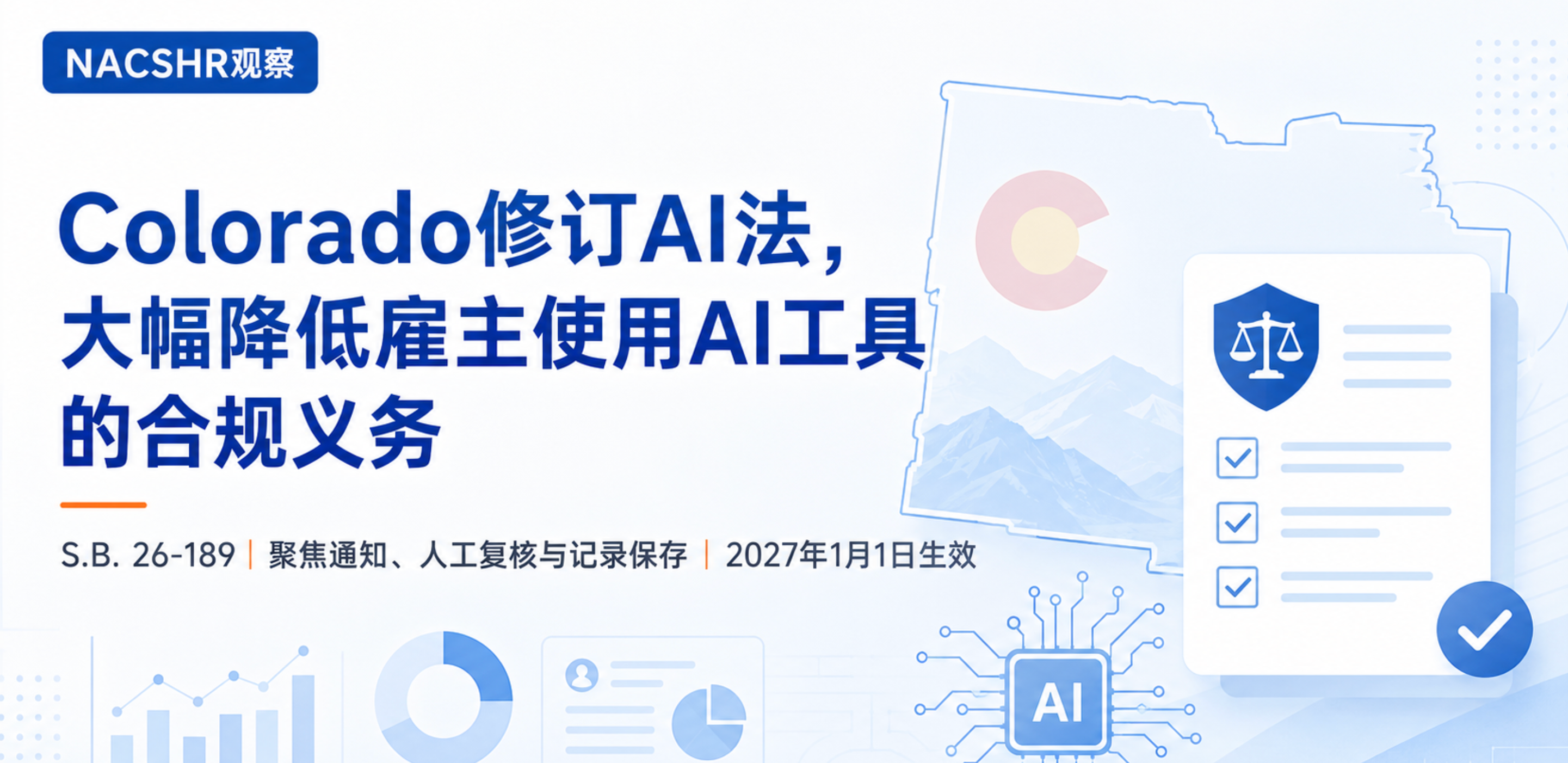
Colorado修订AI法,大幅降低雇主使用AI工具的合规义务,删除了旧版本中许多高负担要求
Colorado正式修订其人工智能法律S.B. 26-189,大幅降低雇主AI合规负担,并将生效日推迟至2027年1月1日。新版法律不再要求雇主进行impact assessments、risk management program、年度AI工具审查或向Colorado Attorney General报告歧视性结果,而是聚焦三项核心义务:使用自动化决策技术前提供清晰通知;在AI或自动化工具实质影响不利就业决定后,提供说明、更正和人工复核机制;相关记录至少保存三年。 对HR来说,这意味着AI招聘、候选人筛选、绩效评估、薪酬建议等工具仍需被纳入治理,但合规重点从“全面监管”转向“关键就业决策的透明度与程序保障”。企业应尽快盘点HR技术栈,明确哪些工具可能影响雇佣、选择、资格或薪酬决定,并提前审查供应商合同与数据流程。 NACSHR观察|AI进入HR的速度,已经远远快过企业治理能力的建设速度。招聘系统在自动筛选候选人,绩效平台在生成员工洞察,薪酬工具在给出市场建议,员工服务系统也在用AI回答越来越多的问题。但一个越来越重要的问题是:当AI参与了人的职业机会分配,谁来负责? Colorado近期通过S.B. 26-189修订其人工智能法律,给出了一个非常值得HR关注的信号:AI监管正在从“全面、高负担、技术导向”的治理模式,转向“聚焦关键就业决策”的责任模式。换句话说,监管者并不是要阻止企业使用AI,而是要求企业在AI影响招聘、选择、资格、薪酬等重大就业决定时,必须做到可告知、可解释、可复核、可追踪。 这是一种更务实的AI监管方向。新版法律将生效日推迟至2027年1月1日,同时删除了旧版本中许多高负担要求,例如impact assessments、risk management program、年度AI工具审查以及向Colorado Attorney General报告歧视性结果等。对雇主来说,这是明显的合规减负。但对HR来说,这并不是“AI可以随便用”的信号,而是提醒企业把合规资源集中到真正影响员工和候选人机会的决策环节。 这也是AI时代HR治理的核心变化。过去,HR技术采购主要看效率:能不能更快筛简历?能不能减少人工操作?能不能提升匹配准确率?现在,HR必须多问一层:这个工具是否影响候选人是否进入下一轮?是否影响员工绩效判断?是否影响薪酬建议?是否影响晋升、调岗或解雇?如果答案是肯定的,这个工具就不再只是“效率工具”,而是组织决策系统的一部分。 Colorado新版AI法保留的义务非常清晰:使用前需要通知;如果自动化决策技术实质影响了不利就业决定,需要提供说明、数据更正机会和在商业上合理范围内的人工复核;相关记录至少保存三年。总结起来,就是三句话:让人知道AI在被使用,让人有机会理解和纠正结果,让企业能够证明自己的决策过程。 这对HR的启发非常直接。AI不会减少HR的责任,反而会放大HR的责任。因为AI越多参与决策,企业越需要有人定义边界、解释流程、管理偏差、保护信任。真正成熟的HR组织,不是简单购买最多AI工具的组织,而是能够把AI嵌入清晰、可信、负责任的人力资本决策体系中的组织。 对北美华人企业和出海企业来说,这一点尤其重要。很多企业习惯把技术当作标准化管理的捷径,但美国雇佣合规的核心始终是机会公平、程序透明和责任可追溯。一个看似普通的AI筛选、评分或推荐工具,一旦影响候选人或员工的实际机会,就可能成为合规风险点。 NACSHR认为,Colorado这次修法释放出的不是监管放松,而是监管成熟。AI合规的未来,不是禁止AI,也不是让企业被复杂流程压垮,而是推动企业回答一个更本质的问题:当AI参与人的职业命运时,组织是否仍然保持判断、责任和信任? HR现在需要做的事情并不复杂,但必须开始。第一,盘点所有正在使用的AI和自动化决策工具;第二,识别哪些工具会影响招聘、薪酬、绩效、晋升和员工机会;第三,审查供应商合同和数据来源;第四,建立通知、复核和记录保存机制;第五,培训经理人,让他们知道AI输出不是最终决定。 AI时代,HR的价值不会来自“会用多少工具”,而是来自能否帮助组织建立可信的决策系统。Colorado新版AI法提醒我们:未来的HR合规,不只是法律问题,更是组织能力问题。
资讯
2026年06月19日
资讯
LinkedIn 招聘与职业社交平台被点名:北美 HR 需要关注的跨国人才安全风险
LinkedIn最近被推上风口浪尖。美国及五眼联盟联合发布安全警示,提醒警惕通过职业社交平台、招聘项目和顾问合作进行的异常接触。对于北美HR来说,这背后反映的是招聘工作正在与信息安全、背景调查和跨境合规深度融合。特别是AI、芯片、网络安全、国防等行业,未来招聘流程可能面临更严格审查。NACSHR整理了一份重点解读,建议所有从事招聘、人才管理和跨境用工的HR阅读参考。 近日,美国、英国、加拿大、澳大利亚和新西兰“五眼联盟”情报机构联合发布警告,提醒政府、军方、国防、外交、情报及相关敏感行业人员,警惕通过 LinkedIn 等职业社交平台和在线招聘平台进行的异常接触与潜在情报招募风险。 根据相关声明,部分可疑人员可能以咨询公司、智库、人力资源公司、招聘机构或研究项目的名义,在 LinkedIn 等平台上主动接触目标对象,尤其关注具有安全许可、政府背景、国防相关经验、外交事务经验、军事经验,或能够接触机密及敏感信息的专业人士。常见方式包括发布看似正常的顾问项目、邀请撰写研究报告、提供有偿兼职分析任务,并以几百至几千美元不等的报酬建立初步关系,部分支付甚至可能通过加密货币完成。 对于北美 HR 和招聘从业者而言,这一事件的重点并不只是地缘政治本身,而是提醒我们:职业社交平台已经不再只是招聘和职业发展工具,也可能成为人才信息收集、商业情报接触以及跨境安全风险的入口。特别是在 AI、芯片、网络安全、航空航天、国防、政府事务、能源、生命科学等高度敏感行业,招聘、猎头、专家访谈和咨询项目都可能受到更高标准的合规审查。 NACSHR 建议北美 HR 和招聘负责人关注以下几点: 第一,招聘沟通应尽量透明、可验证。企业在联系候选人时,应使用正式公司邮箱、清晰说明公司实体、岗位信息、工作地点、汇报关系、薪酬范围及招聘目的,避免使用过于模糊的“顾问项目”“研究合作”“高薪兼职分析”等表达。 第二,谨慎处理候选人的前雇主信息。HR 和招聘人员不应要求候选人提供前雇主的非公开资料、内部流程、客户名单、技术细节、政府项目内容、报价信息或其他可能涉及保密义务的信息。面试问题应聚焦能力、经验和可公开讨论的工作成果。 第三,涉及敏感行业和关键岗位时,应加强身份验证。对于国防、政府承包商、AI、芯片、网络安全、航空航天等行业的候选人和顾问合作项目,企业应建立更严格的背景核查、利益冲突审查和合规审批流程。 第四,HR 团队自身也需要安全意识培训。招聘团队、HRBP、Talent Acquisition、Global Mobility 和外部猎头合作伙伴,都应了解可疑接触的典型模式,包括虚假公司身份、不透明付款、异常高额报酬、要求提供非公开信息、绕开正式合同流程等。 第五,华人 HR 和跨国企业更应注意专业边界。在当前国际环境下,跨境招聘、专家访谈和商业合作容易被放在更敏感的视角下审视。保持透明、合规、可追溯的流程,不仅有助于保护企业,也有助于保护 HR 从业者和候选人本人。 总体来看,这一警告说明,LinkedIn 等职业平台正在成为全球人才竞争、商业情报获取和国家安全风险交汇的场景。对于北美 HR 来说,未来招聘不只是“找到合适的人”,也包括“以合规、透明、安全的方式找到合适的人”。 NACSHR 提醒广大北美 HR 从业者:在开展跨国招聘、专家访谈、顾问项目和高敏感岗位招募时,应主动建立风险意识,完善内部流程,保护候选人信息安全,避免在无意中触碰合规与安全红线。
资讯
2026年06月08日
资讯
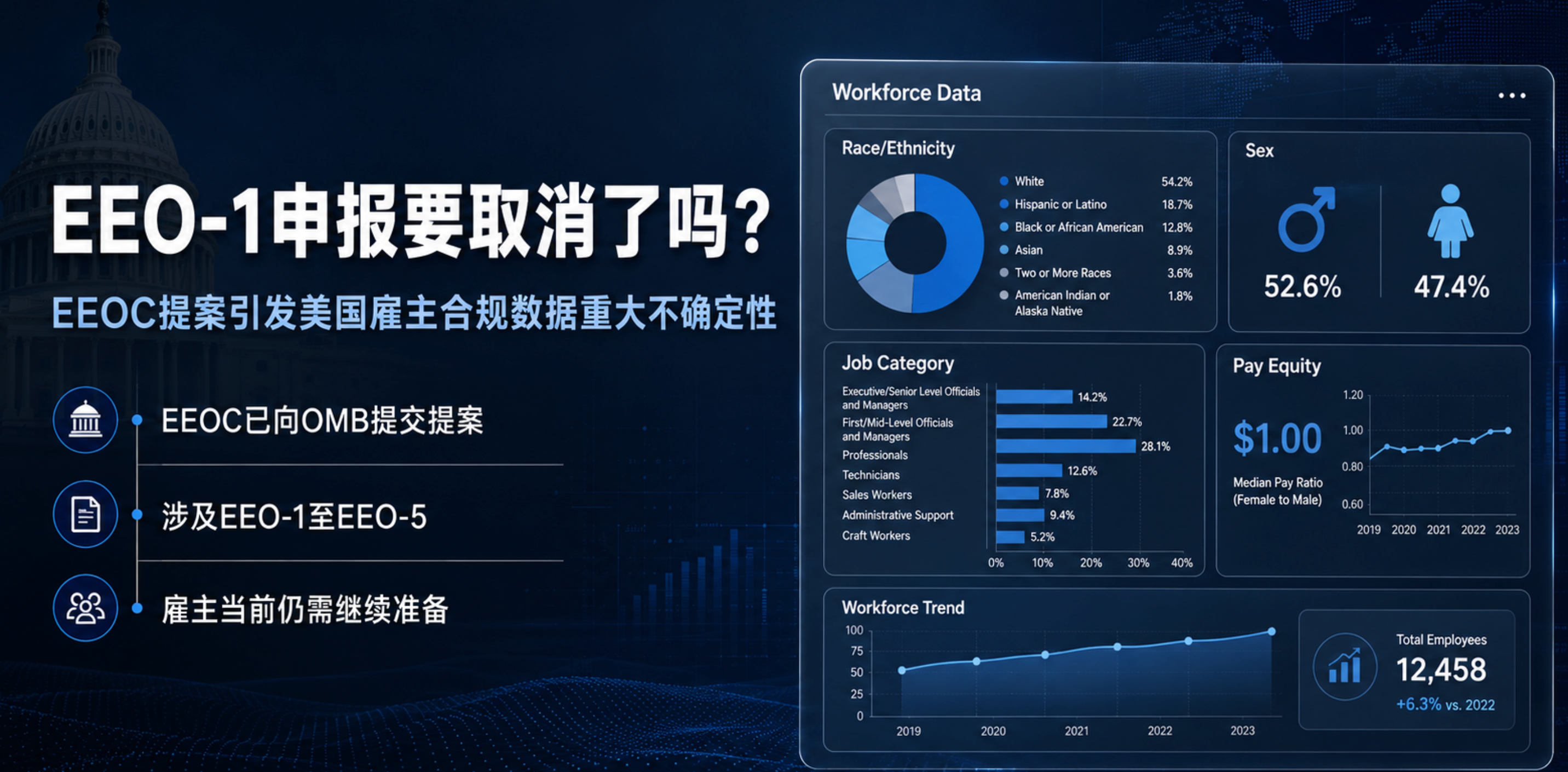
EEOC拟撤销EEO-1等劳动力人口统计报告要求,美国雇主合规申报制度或迎重大变化
美国平等就业机会委员会(EEOC)正在推动一项可能重塑美国雇主合规申报体系的重要政策调整。根据最新消息,EEOC 已于 2026 年 5 月 14 日向白宫管理和预算办公室(White House Office of Management and Budget,OMB)提交提案,寻求撤销 EEO-1 以及 EEO-2、EEO-3、EEO-4、EEO-5 等多项劳动力人口统计报告要求。如果该提案最终获得批准,美国联邦政府长期以来要求雇主定期提交员工种族、族裔和性别等人口统计数据的制度将面临重大改变。 EEO-1 Component 1 报告是美国雇主最重要、也最具代表性的劳动力合规申报之一。按照现行要求,拥有 100 名及以上员工的私营雇主需要每年向 EEOC 提交员工构成数据,内容包括岗位类别、种族、族裔和性别等信息。相关数据长期以来被 EEOC 用于识别潜在的系统性就业歧视,也被企业用于内部薪酬公平、员工代表性、晋升趋势和多元化治理分析。 此次提案的影响并不局限于大型私营企业。根据文章内容,EEOC 拟撤销的报告范围还包括 EEO-2、EEO-3、EEO-4 和 EEO-5,这意味着相关变化可能进一步影响劳工组织、公立学校系统、州和地方政府等不同类型的机构。若最终规则落地,联邦层面对劳动力人口统计数据的收集机制将出现明显收缩。 这一政策动向也被视为当前美国联邦政府在多元化、公平与包容性(DEI)政策、人口统计数据收集和反歧视执法方向上的进一步调整。文章指出,该提案与 Trump administration 更广泛的政策取向一致,即减少联邦层面对 DEI 相关事项的介入,并缩小政府对人口统计信息的收集范围。此前,EEOC 已撤回部分 workplace harassment guidance,并进行了若干程序性调整,显示出其执法和监管重点正在发生变化。 不过,对雇主和 HR 部门而言,最需要注意的是:该提案目前并不意味着 EEO-1 报告义务已经取消。EEOC 的提案仍需经过 OMB 审查,并可能在 Federal Register 发布后进入公众评论程序。只有在监管流程完成并形成最终规则后,相关申报义务才可能正式发生变化。因此,在当前阶段,符合条件的雇主仍应假设 EEO-1 报告要求继续有效,并按照原有合规节奏准备相关数据。 合规专家普遍建议,HR 和合规负责人不应因为该提案提前停止数据准备。通常情况下,EEO-1 报告要求雇主基于前一年第四季度某一工资周期内的员工快照数据进行申报。虽然未来申报要求存在不确定性,但在正式规则出台前,继续收集、清洗和验证人口统计数据仍是更稳妥的做法。 更重要的是,即使联邦层面的 EEO-1 报告义务未来被取消,企业对劳动力人口统计数据的实际需求也不会消失。许多组织仍需要这些数据来评估招聘、晋升、薪酬和员工流动中的结构性差异,支持薪酬公平分析、平权行动计划、内部审计、董事会报告和投资者沟通。同时,部分州法要求、私人诉讼和企业自身治理需求,也可能继续要求雇主保留和使用高质量的人力资源数据。 从 HR 管理角度看,EEOC 的这项提案带来的真正变化,可能不是“企业不再需要人口统计数据”,而是相关数据的价值将从“联邦申报导向”进一步转向“组织治理、风险管理和人才公平分析导向”。对于中大型企业而言,人口统计数据仍然是识别潜在歧视风险、监测薪酬公平、评估领导梯队多样性和回应外部问责的重要基础。 因此,HR 和合规负责人当前应重点做好三件事:第一,继续按照现有规则准备 EEO-1 相关数据,不要提前改变申报实践;第二,持续关注 EEOC、OMB 和 Federal Register 的后续进展,判断提案是否进入公开评论和最终规则阶段;第三,在调整任何人口统计数据收集、存储或使用政策前,应与劳动与就业法律顾问进行确认,避免因误判政策状态而产生新的合规风险。 总体来看,EEOC 拟撤销 EEO-1 等报告要求,是美国雇佣合规与劳动力数据治理领域的一项重要政策信号。它反映出联邦层面对人口统计数据收集和 DEI 相关监管的重新定位,也给企业 HR 带来新的不确定性。但在规则正式改变之前,雇主义务并未发生实质变化。对企业而言,最稳妥的策略不是等待或暂停,而是在继续履行现有义务的同时,重新审视劳动力数据在薪酬公平、组织风险和人才治理中的长期价值。
资讯
2026年05月22日
资讯
微软用“买断”替代裁员:AI时代组织重构的一个关键信号|NACSHR解读
在科技行业持续推进AI转型的大背景下,Microsoft 于2026年4月推出其历史上首次大规模自愿买断(Voluntary Buyout)计划,覆盖美国最多约7%的员工(约8750人)。这一举措表面上是一次“员工福利型退出机制”,但从HR与组织设计角度来看,其本质是一种更精细化、结构化的人才重组工具,标志着企业开始系统性应对AI带来的组织变化。 一、从“裁员”到“买断”:组织调整逻辑的升级 此次微软采用“Rule of 70”(年龄+工龄≥70)作为筛选标准,主要面向Senior Director及以下员工。这一设计并非简单成本削减,而是具有明显的结构性导向: 首先,它优先影响的是长期任职员工,这类人群通常薪酬较高、岗位稳定,但在AI驱动的新型工作模式中,其岗位价值可能面临重估。通过买断方式,公司可以在不直接裁员的情况下,实现成本优化与组织更新。 其次,相比传统裁员,买断机制更具“软着陆”特征。一方面降低了法律与合规风险,另一方面也减少了对雇主品牌的冲击。在当前美国劳动力市场仍具不确定性的情况下,这种方式更有利于维持组织稳定。 从HR角度来看,这代表一种趋势:企业正在从“被动裁员”转向“主动结构优化”,通过制度设计实现人才流动,而不是一次性冲击。 二、AI投入压力下的现实选择 微软此举的时间点,与其AI战略高度相关。在Satya Nadella 主导下,公司正大规模投入AI基础设施与产品,包括Copilot等核心业务。但现实情况是,AI商业化仍处于早期阶段。 公开信息显示,Copilot的用户渗透率仍然较低(约3%),而微软年度资本开支已接近1000亿美元。这意味着企业正处于“成本先行、回报滞后”的阶段。 在这种结构下,组织必须同步调整,否则将面临两重压力:一是AI投入带来的财务负担,二是传统业务(如云增长)放缓带来的收入压力。 因此,这次买断并不是单一HR动作,而是财务、战略与组织三者共同作用的结果。 三、组织模型正在发生根本变化 更值得关注的是,微软不仅推出买断计划,还同步调整了薪酬结构与绩效体系,包括减少股票激励复杂度、优化绩效评估方式等。这些动作共同指向一个更深层的变化: 企业正在从“人力规模驱动”转向“AI+精干团队驱动”。 在传统模式下,增长依赖于不断增加人力;而在AI驱动下,增长更依赖于系统能力与自动化程度。这意味着: 一部分重复性或流程性岗位将被弱化 中高层管理结构将趋于扁平 对“能够与AI协同工作的人才”需求显著上升 换句话说,企业不再只是“减少员工”,而是在重新定义“什么样的人才是核心资产”。 四、对美国HR的三点直接启示 对于在美国市场的HR从业者,这一案例具有明确的现实意义。 第一,组织调整工具正在升级。未来企业不会只依赖裁员(Layoff),而是更多采用买断、自然流失、内部转岗等组合方式,实现更可控的结构优化。 第二,AI不只是效率工具,而是组织变量。HR需要从“工具应用”转向“组织设计”,思考哪些岗位会被重构,哪些能力需要被强化。 第三,雇主品牌与合规风险仍是核心约束。在美国环境下,大规模裁员往往伴随法律风险与品牌损伤,而买断机制提供了一种更平衡的路径。 五、结论:微软做的不是裁员,而是“组织再建模” 从表面看,这是一次员工退出计划;从本质看,这是一次围绕AI展开的组织再建模(Organizational Re-modeling)。 微软正在尝试回答一个关键问题:在AI成为“工作操作系统”的时代,一个企业需要多少人,以及需要什么样的人。 对于HR来说,这个问题不会停留在微软。未来3-5年,这种以AI为核心驱动力的组织重构,将逐步成为大型企业的标准动作。 NACSHR建议:与其关注“是否裁员”,不如关注“组织是否已经为AI重构”。这才是决定企业长期竞争力的关键变量。
资讯
2026年04月23日
1
2
3
4
5
》
31
跳转至
订阅NACSHR周报
HR Jobs
Sales Assistant/Warehouse Assistant(销售支持) About Us When we
2026年07月24日
您好,我是 HiTHIUM(海辰储能) HR Kristina。我们目前在 Dallas(Mesquite) 招聘一位
2026年07月13日
Manufacturing Cost Accountant At HiTHIUM, we're not just le
2026年07月09日
Senior Tax Accountant, Manufacturing At HiTHIUM, we're not
2026年07月09日
最近文章
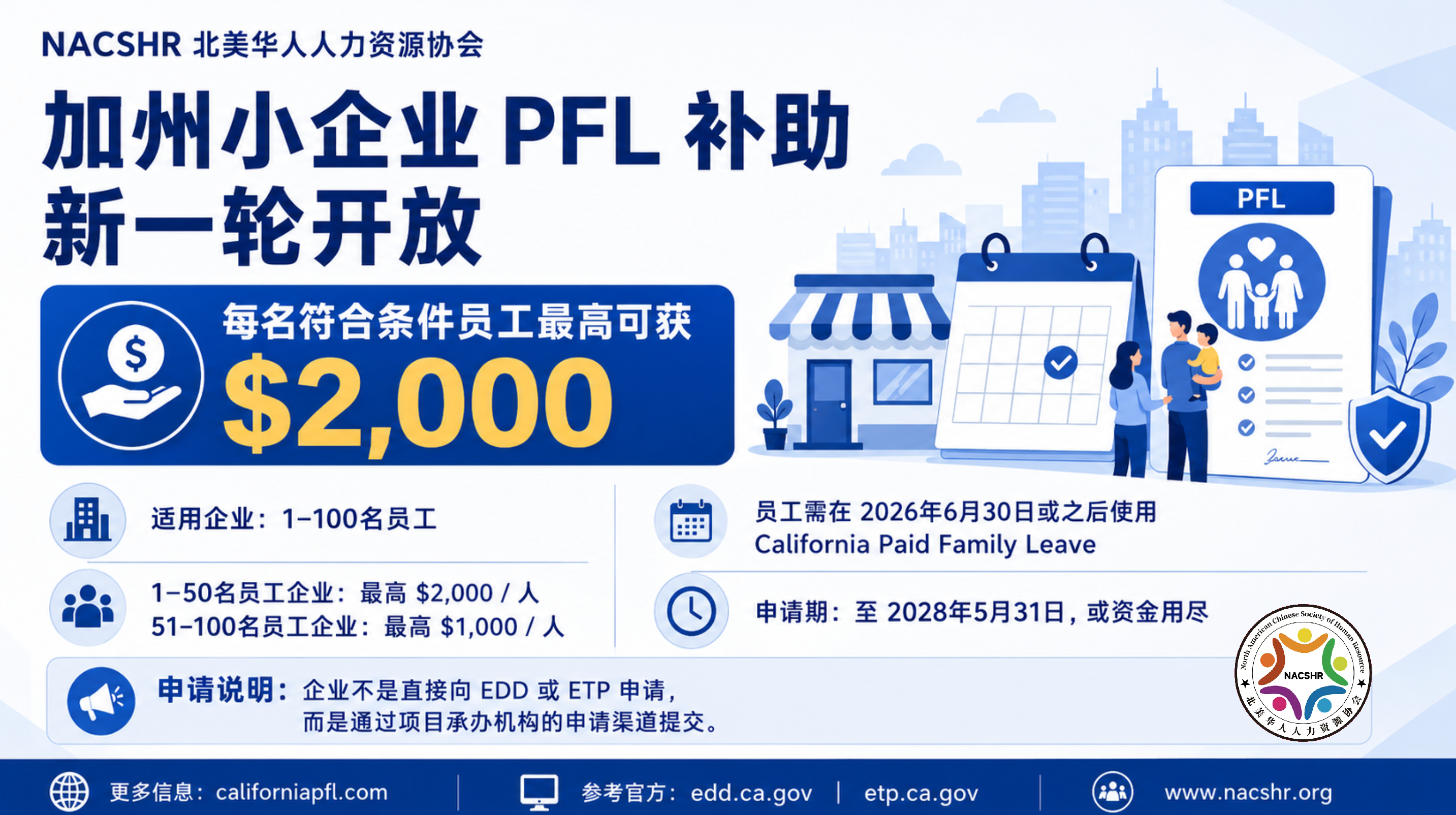
加州小企业PFL补助启动新一轮:每名符合条件员工最高可获2,000美元,申请路径与资格要求详解
2026年07月27日
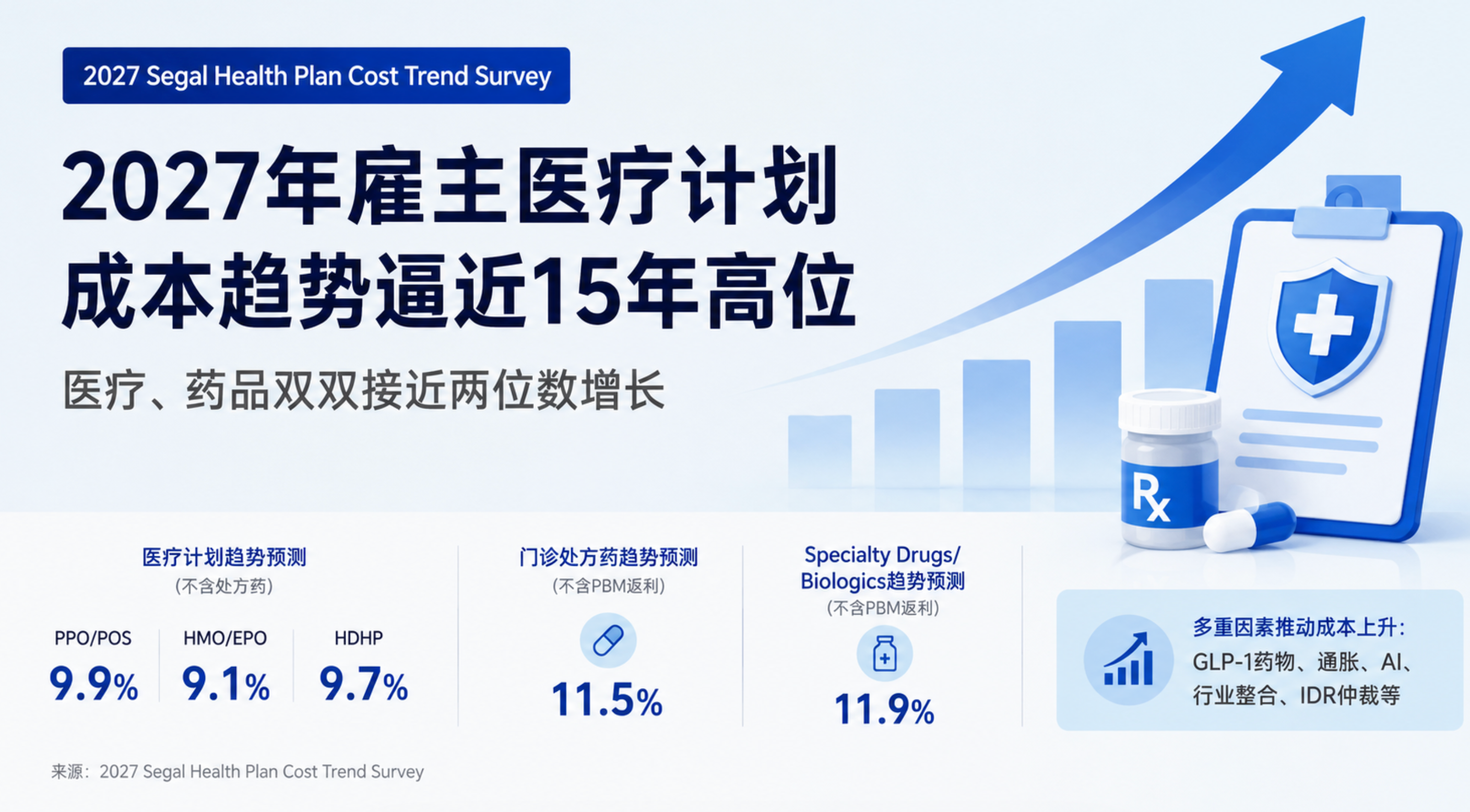
2027年美国雇主医疗成本逼近15年高位:企业需要重新审视员工健康福利策略
2026年07月27日
H-1B今年没有“海底捞”了:FY 2027名额已满,企业HR接下来怎么办?
2026年07月22日
LinkedIn因“幽灵职位”遭得州调查,招聘平台真实性与付费模式面临审视
2026年07月15日
【商战】Deel申请排除核心证人证词,与Rippling“商业间谍”诉讼进入关键阶段
2026年07月15日
热门文章
扫一扫 添加客服
NACSHR招聘平台用户协议 & 免责声明
|
订阅NACSHR月报
|
NACSHR2024年度活动计划
|
NACSHR6月夏季论坛启动
|
Become a Speaker
|
北美HR需求指南-征集中
|
2024北美华人人力资源年度峰会
|
北美HR招聘平台-企业直招,内推
|
我有需求,想咨询
|
北美华人人力资源服务图谱
|
北美人力资源服务图谱
|
NACSHR在北美HR图谱
|
洛杉矶·NACSHR论坛
|
2025洛杉矶·华人HR年度论坛
|
NACSHR会员服务
|
NACSHR重磅发布企业高管签证与移民优选服务平台
|
官方邮箱:nacshr818@gmail.com
|
2026团体健康险报价开放中
|
免费发布北美HR职位
|
在线留言
|
联系我们
|
2026NACSHR夏季论坛·硅谷
|
付费方式
|
EPLI (雇主责任险)自主询价
|
福利保险
|
美国高官签证优选平台- L1、EB-1A等
|
2026NACSHR年度论坛9月26日
|
北美企业保险咨询
|
加州合规检测,仅需199一次
|
加州小企业医疗保险全指南
|
加州SB553
|
赞助合作
|
高管签证和移民优选服务
Email:
hi@nacshr.org
Copyright © 2026 NACSHR.org All Rights Reserved.
×
登录
用户注册
Email
密码
保持登录
忘记密码
登录

 资讯
资讯
 资讯
资讯
 资讯
资讯
 资讯
资讯
 资讯
资讯
 资讯
资讯
 资讯
资讯
 资讯
资讯
 资讯
资讯
 资讯
资讯

 扫一扫
添加客服
扫一扫
添加客服


