
What is Employer Branding?
2024-04-05 · NACSHR · 阅读约 14 分钟
- 文章将雇主品牌定义为对组织在现有及潜在员工中的声誉和价值主张进行有意识的管理,强势雇主品牌可提升可信度并降低流失。
- 据 LinkedIn 数据,72% 的中小企业招聘负责人认为雇主品牌对招聘影响显著,有策略者招聘成本降低50%、合格申请者增加50%。
- 雇主品牌源于全员共建的文化,但策略落地主要由人才招聘团队负责,社交媒体等渠道宜与市场团队协同以保持信息一致。
- 建议经营社交媒体、优化企业招聘官网、回复全部 Glassdoor 评价并保障候选人体验,Glassdoor 评分更高可使申请转化率提升约50%。
- 雇主品牌效果应持续衡量,可选用招聘成本、招聘周期、招聘质量、留任率、eNPS 等指标,并在项目启动前设定基准。
AI 根据原文整理,以发布日期为准(2024-04-05)
本文目录(1 节)
根据前亚马逊CEO杰夫·贝佐斯的说法,“你的品牌是当你不在房间里时人们对你的评价。”对我们这些在招聘领域的人来说,你的品牌是求职者和潜在候选人在线上阅读关于你的信息、在你的网站和社交媒体上看到的内容,以及从你现在的员工那里在Glassdoor等网站上听到的信息。
所有这些,还有更多,构成了你的雇主品牌。在这篇博客文章中,我们深入探讨了良好的雇主品牌战略的基本原理,并分享了如何将雇主品牌融入你的招聘工作的提示。
 According to former Amazon CEO Jeff Bezos, “Your brand is what people say about you when you’re not in the room.” For those of us in the recruiting space, your brand is what job seekers and potential candidates read about you online, see on your website and social media, and hear about from your current employees on sites like Glassdoor.
All of this, and more, is what makes up your employer brand.
In this blog post, we dig into the fundamentals of a good employer branding strategy and share tips on how you can incorporate employer branding into your recruitment efforts.
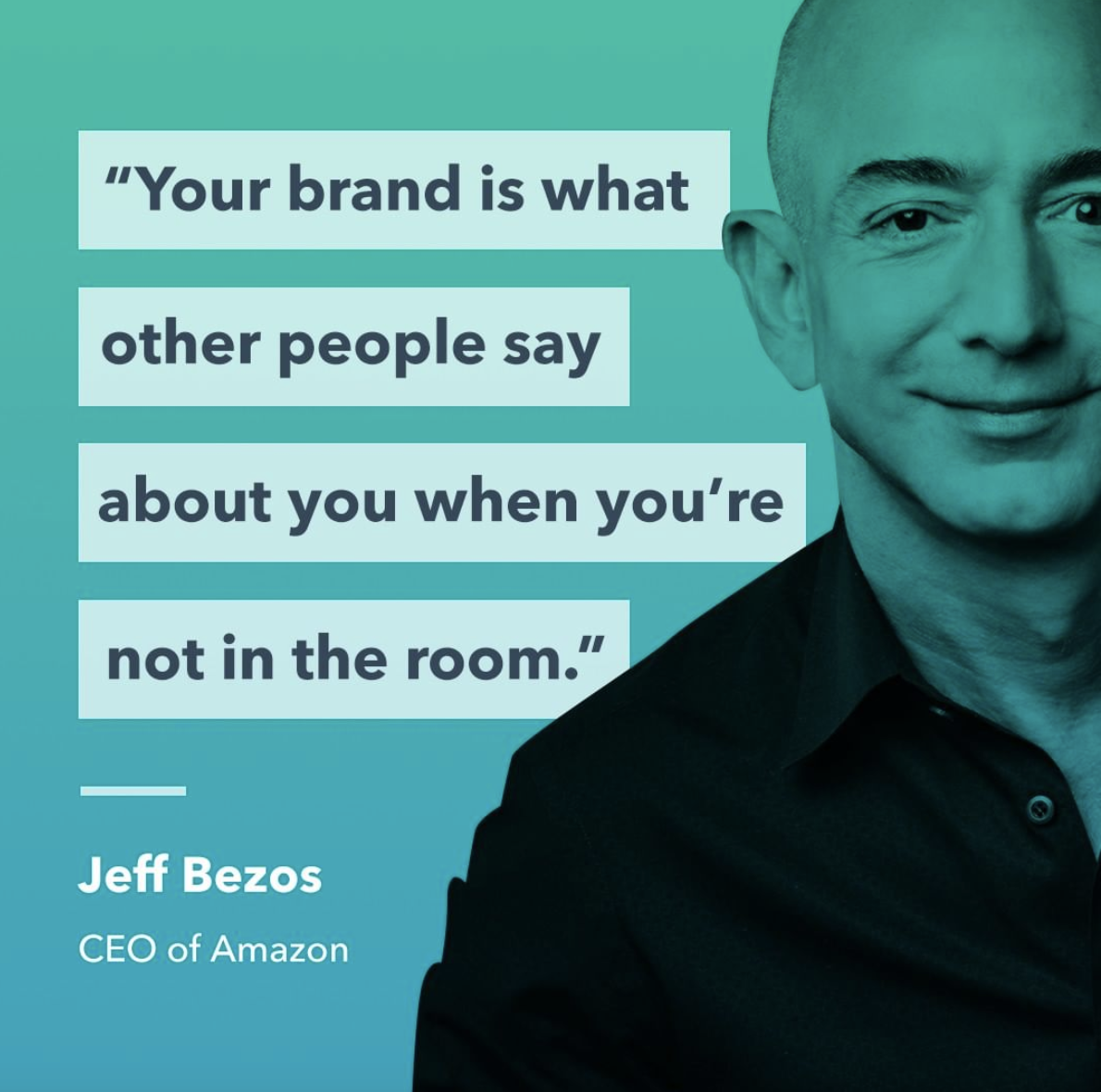 Image via @HubSpot on Instagram
Their research also shows that having an employer branding strategy has an impact on their business’ bottom line, with a 50% reduced cost-per-hire, 50% more qualified job applicants, and a 28% reduced employee turnover.
Numbers don’t lie: employer branding can have a significant impact on your business’ overall reputation, as well as your entire recruitment funnel.
When job seekers can get a glimpse into what it’s like to work at your company, read reviews from current and past employees about their experiences, and see your brand’s initiative to share your culture outside of your business’ walls, they become attracted to your brand’s online presence. From there, it becomes that much easier for your recruiting team to engage those qualified job seekers, convert them into candidates, and, eventually, hire them into your organization.
Defining Employer Branding
Employer branding is the intentional management of an organization’s reputation and value proposition amongst current and prospective employees. In other words, it refers to efforts made by members of an organization (most often, recruitment and talent acquisition teams) to cultivate a positive image of their company’s brand, both internally and externally. Having a strong employer brand increases your credibility with job seekers, reduces company turnover, and can dramatically reduce your cost-per-hire. According to LinkedIn, among small to mid-size businesses, 72% of recruiting leaders worldwide agreed that employer brand has a significant impact on hiring.Image via @HubSpot on Instagram
Their research also shows that having an employer branding strategy has an impact on their business’ bottom line, with a 50% reduced cost-per-hire, 50% more qualified job applicants, and a 28% reduced employee turnover.
Numbers don’t lie: employer branding can have a significant impact on your business’ overall reputation, as well as your entire recruitment funnel.
When job seekers can get a glimpse into what it’s like to work at your company, read reviews from current and past employees about their experiences, and see your brand’s initiative to share your culture outside of your business’ walls, they become attracted to your brand’s online presence. From there, it becomes that much easier for your recruiting team to engage those qualified job seekers, convert them into candidates, and, eventually, hire them into your organization.
Who’s Responsible for Employer Branding?
Employer branding, from an internal perspective, is culture, and culture is the responsibility of every leader and every employee within an organization. It requires input and, ultimately, buy-in from everyone throughout the organization. When you have a culture that your entire company believes in, people outside of your company will start to believe in it too. The implementation and execution of an employer branding strategy, however, remains largely the responsibility of the organization’s talent acquisition team. Why? Because talent acquisition and recruitment teams know their organization, and their ideal candidates, best. As such, they play a major role in helping to shape, share, and maintain the message of their organization’s employer brand. It’s up to them to understand how their organization is viewed (both internally and externally), to create and circulate a positive identity with current employees and stakeholders, and to craft a strategy around communicating that employer brand identity outside the walls of the company. This can be done in a few ways, from utilizing social media as a recruiting tool to elevating job descriptions to showcase company culture and perks, as well as engaging with reviews left on sites like Glassdoor. In some cases, like social media, it will make sense to team up with your organization’s marketing team to ensure that your messaging is aligned with theirs. By doing so, you‘ll be able to work together to achieve both teams’ goals. Building an employer brand is no easy task – it requires research, testing, and optimization. But in the end, it can become a main driver of applications from candidates who are excited to work at your organization.How to Build Employer Branding into the Recruiting Process
In many ways, your employer branding is the recruiting process. Candidates have the power to research your organization, look up reviews, and even talk to current employees – all without ever contacting a recruiter or clicking on a job posting. When it comes to employer branding within the recruiting process, there are various moving pieces to pay close attention to, including:- Cultivating an employer brand presence on social media: Become a champion of your own company culture, and make sure that job seekers who research your brand’s social presence (pssst…a lot of them will!) get a clear, accurate picture of what it’s like to work at your company.
- Improving and optimizing your corporate careers site: Despite the rise of social media, most candidates still visit a company’s corporate career site to learn more about their culture and the type of work they do, and to look for potential employment opportunities. Put your best foot forward with high-quality employee testimonial videos, office photography, and an accurate description of who your company is.
- Responding to employee reviews: Our research has found that on average, a higher Glassdoor rating leads to an almost ~50% increase in application conversion rates. Replying to every employee review your organization has on Glassdoor, whether positive or negative, can have a massive impact on the likelihood that job seekers will see, click on, and apply to your jobs.
- Ensuring a positive candidate experience: Word travels fast in the age of the Internet, and if a candidate has a poor experience during your hiring process, they’ll likely share their negative feelings. Continuously audit your hiring process for potential roadblocks, communicate timelines and expectations clearly with candidates, and ensure that even candidates who don’t receive an offer feel positive about their experience.
- Candidate and new hire satisfaction with the hiring process
- Cost-per-hire
- Time-to-hire
- Quality of hire (like new hire retention, hiring manager satisfaction)
- Number of applicants
- Employee retention rates
- Employee engagement scores
- Social media sentiment
- Number of social media followers
- Traffic to corporate career site
- Review site ratings (like Glassdoor and Indeed)
- eNPS (employee Net Promoter Score)
- Placement on employer ranking sites
- New hire interviews
- Employee exit surveys
Why Investing in Employer Branding Matters
Across the board, one of the biggest obstacles that candidates come up against during their job search is not knowing what it’s like to work for an organization (LinkedIn). Think about it: you stumble on a job title you’re interested in, read the job description, and might come away knowing more about the position…but nothing about the company that position is for. So, you do a quick Google search, read a few positive (and, likely, a few negative) company reviews, visit the company’s social media (where they showcase their marketing efforts), and take a look at the careers page (which hosts their other various open positions). And still, you’ve learned nothing about the company’s values, culture, or what it might be like to join the team. Often, this can keep good-fit candidates from ever clicking on the “Submit Application” button. Your reputation plays a key factor in helping candidates take that final step to enter your recruitment pipeline. Having a positive reputation leads to more interest in your company, lower recruitment costs, and an employer brand and culture that your employees can rave about. By investing in employer branding, you can improve both your bottom line, as well as the overall culture of your organization.每周招聘与人才要点,周一送到邮箱精选北美用工合规、签证移民、福利保险、招聘与 AI 资讯,外加 NACSHR 活动和会员服务。
读完之后,你可能需要
相关文章
 微软向6万名员工开放自愿离职:AI时代,企业正在重新定义组织与人才管理2026-10-26
 全球劳动力报告深度解读:AI时代最大的挑战,不是裁员,而是员工的工作已经改变,组织却还没有跟上2026-10-06
 2027年CHRO信心继续降温:北美华人HR需要看到的,不只是招聘变化2026-10-01