• Workday
    刚刚:Workday斥资11亿美元收购Sana,打造AI驱动的“未来工作入口” ——此举将重塑Workday在企业学习、知识管理与AI智能体领域的竞争格局 Workday出手11亿美元拿下Sana 2025年9月16日,Workday, Inc.(纳斯达克代码:WDAY)在Workday Rising 2025大会上宣布,已与总部位于瑞典斯德哥尔摩的AI企业知识平台公司Sana签署最终收购协议,交易金额约为11亿美元,将收购Sana全部流通股权。 该交易预计将在Workday 2026财年第四季度(即2026年1月31日前)完成,需满足惯常交割条件。交割完成后,Sana将成为Workday全资子公司,其核心产品Sana Agents和Sana Learn将继续以独立品牌形态发展,并全面融入Workday的AI战略版图。 Sana此次交易的顾问为DLA Piper,Workday方面的财务顾问为Allen & Company LLC,法律顾问为Orrick。 Sana:AI原生的企业知识与学习平台 成立于2016年的Sana,长期专注于AI原生企业知识与学习平台的研发,核心产品包括: Sana Agents:一套无代码AI智能体构建平台,可用于构建企业内部任务自动化代理,支持文档检索、内容生成、洞察分析、流程执行等全链条工作流,且所有操作通过“Agent System of Record”机制记录,保障安全与合规; Sana Learn:AI驱动的企业学习管理与内容创作平台,集课程生成、知识库搭建、个性化辅导、互动学习于一体。 目前,Sana已服务全球数百家企业、超过100万名用户。其客户案例包括: 某全球电动车制造商:员工学习参与度提升 275%; 一家拥有7,500名员工的欧洲安装行业分销商:课程开发周期从 4个月缩短至4天; 某全球金融科技公司:内容创作周期从 3周缩短至3小时。 Sana曾获得多轮风险投资支持,投资方包括Merck旗下基金与Polestar创始团队等,凭借其AI原生技术在企业培训和知识管理领域建立了领先地位。 战略意义:打造“未来工作入口”平台 根据Workday产品与技术总裁Gerrit Kazmaier的表述,Sana的加入将成为Workday打造“未来工作入口(front door for work)”战略的核心支点。Workday计划将Sana的知识搜索、智能体和学习系统,与其在人力与财务领域的独特数据上下文深度整合,实现以下目标: 知识与数据融合:实现跨Workday、Google Drive、SharePoint、Office 365等多源数据的统一检索; 智能体驱动工作:通过Sana Agents提供任务自动化、主动推荐、洞察推送、绩效管理等AI服务; 学习与技能重构:利用Sana Learn的AI内容生成与个性化辅导功能,加速员工技能建设、内部流动与再培训计划; 个性化体验升级:基于员工角色、团队构成与绩效数据,主动提供定制化仪表盘、流程工具和学习资源。 届时,全球超过7,500万名Workday用户将能够在同一平台内完成数据获取、流程执行、内容生成与技能学习,极大提升工作效率与体验一致性。 产品互补:强化Workday学习与前端智能化能力 Sana的两大核心产品与Workday现有产品形成互补: Sana Learn 将为Workday Learning注入AI生成式课程开发、个性化辅导与互动学习等能力,解决企业对“规模化+个性化”学习内容的迫切需求; Sana Agents 则补足了Workday在前端智能体、跨系统知识检索与工作流执行方面的能力,使员工可以用自然语言发出指令,系统自动完成数据整合、流程审批、绩效分析等任务。 这意味着Workday未来的用户体验将从“提供数据平台”转向“提供智能助手”,从而显著提高员工生产力与系统使用粘性。 行业观察:Workday的AI版图加速成型 长期关注企业HR科技领域的分析师Josh Bersin指出,此次收购不仅是产品线补强,更是Workday整体战略架构的根本性跃迁。通过引入Sana的AI原生架构,Workday将从“后端交易系统”向“前端AI体验平台”转型,从而在以下几个方向强化竞争力: 技术维度:实现AI原生知识图谱、生成式学习内容、智能体平台三位一体的闭环; 用户体验维度:统一知识、数据、行动与学习入口,减少用户在多系统之间切换; 商业维度:借力Sana成熟的企业客户基础与快速迭代的AI产品,将大幅提升Workday的客户粘性与交叉销售潜力。 在全球企业加速投入AI转型、人才再培训与内部流动的大背景下,Workday通过此次收购切入企业知识与学习赛道的“AI上层建筑”,有望显著扩大其在HR科技市场的总体可寻址市场(TAM),并建立长期壁垒。与此同时,SAP收购SmartRecruiters、Oracle强化AI Copilot等竞争者动作频频,Workday此举也被视为正面回应市场竞争的关键举措。 财务与运营前景 Workday目前尚未披露此次收购对未来财务业绩的具体影响,但表示将于后续财报更新指引。本次交易仍需监管及惯常交割程序完成。分析人士预计,此项收购将以增长性投资的形式纳入Workday整体战略支出,短期对利润率或有压力,但将强化其在人才管理与AI企业应用领域的长期增长潜力。 HRTech评论: 这笔价值11亿美元的收购交易,标志着Workday在企业AI平台转型道路上迈出了关键一步。未来,Sana的AI能力与Workday在人员与财务数据的优势结合,将重塑企业用户与员工的交互方式,为全球客户带来更智能、更主动、更个性化的工作体验,也为Workday在AI驱动的下一代企业应用竞赛中奠定领先地位。 值得注意的是,Workday近年已多次通过并购快速补充AI能力:包括2023年收购Helios(AI技能匹配引擎)、2024年收购HiredScore(人才智能与内部流动AI平台),以及2025年初收购Paradox部分团队以强化AI招聘助理功能。此次整合Sana,则进一步补齐了Workday在知识检索、任务自动化与AI学习内容生成上的关键能力模块,显示其正以“拼图式并购”策略加速构建AI时代的企业中台能力。 新闻来源: Workday 官方新闻稿(PRNewswire,2025年9月16日) Josh Bersin《Workday Acquires Sana to Transform Its Learning Platform – And Much More》(2025年9月)
    Workday
    2025年09月16日
  • Workday
    隐性的人才危机:Workday《2025全球劳动力报告》解读 概述:Workday最新发布的《2025全球劳动力报告》揭示了一场正在组织内部酝酿的人才危机。虽然外部招聘市场依旧活跃,职位需求在2025年上半年同比增长6%,但内部情况却截然不同:晋升率在10个行业中的11个下滑,内部招聘减少8%,员工发展通道受阻。尤其值得关注的是,高绩效员工正加速离职——零售行业同比上升64%,医疗健康行业上升28%,这对企业的韧性与创新能力构成严重威胁。 报告指出,传统职业晋升路径正在失效,企业更倾向于招聘外部候选人,而内部员工缺乏成长与轮岗机会,导致敬业度和忠诚度下降。同时,AI战略的沟通不畅进一步加剧了焦虑。44%涉及AI的员工评论带有负面情绪,55%的求职者认为AI已经减少了就业机会。管理者在转型中承受巨大压力,但缺乏工具和支持,形成了“夹心层”困境。 应对这一危机,报告提出三大方向:一是重塑职业发展路径,提供横向调动、项目轮岗和技能提升机会;二是优先推动内部流动,利用数据与AI匹配人才与岗位;三是加强透明沟通,特别是围绕AI的愿景与应用,帮助员工将AI视为成长工具而非威胁。Workday自身的案例表明,以人为本的AI应用能够提升生产力与员工信心,增强战略一致性。 报告的核心结论是:未来的人才竞争关键不在于“外部招聘更快”,而在于“留住最好的人”。只有通过重建内部信任与成长路径,企业才能在AI时代保持竞争优势。 在全球劳动力市场看似稳定的表象之下,一场深层次的人才危机正在酝酿。Workday在其最新发布的《2025全球劳动力报告》中揭示了一个值得企业高度警惕的事实:外部招聘依旧活跃,但组织内部的人才发展体系正在崩塌。晋升机会锐减、内部流动停滞、高绩效员工加速出走,再加上AI战略沟通不足带来的焦虑感,正在形成一股“隐性的离职潮”,对企业的竞争力和未来发展构成巨大威胁。本文将围绕报告中的关键发现和建议,进行深入解读。 外部市场的表象繁荣与内部困境的对比 报告指出,从宏观数据看,全球招聘需求仍在上升。2025年上半年职位需求同比增长6%,某些行业甚至保持了高速扩张。例如,酒店业职位需求同比增长61%,科技与通信行业增长29%。这说明企业仍在积极寻找外部人才,尤其在疫情后快速复苏的行业中表现明显。 然而,与外部的繁荣相比,组织内部的情况却显得格外冷清。内部晋升率在过去一年下降了8%,10个主要行业中有11个出现了“晋升衰退”。这种外部热、内部冷的矛盾,正是当前人才危机的根源。表面上的招聘火热掩盖了内部人才管理的空心化,员工缺乏成长与发展的空间,导致敬业度下降和离职意愿增强。 高绩效员工的加速流失 报告中特别强调,高绩效人才正成为离职的“主力军”。 在零售行业,高绩效员工的离职率同比增长64%。 在医疗健康行业,这一数字也高达28%。 这意味着,最能创造价值、推动业绩的员工正在大量流失。他们离开的原因并不是外部市场更具吸引力,而是内部缺乏清晰的成长通道和发展空间。换句话说,他们不是“不想留下”,而是“留不下去”。 更为严重的是,这种趋势不仅仅是人员流动问题,而是组织韧性的流失。高绩效人才的离开往往带走了关键知识、客户关系和创新动力,对企业的打击远大于普通员工离职。 晋升衰退与职业发展死胡同 “晋升衰退”(Promotion Recession)是报告中的高频词。晋升率下降意味着员工在组织内部看不到未来。 内部调动和横向发展机会不足。 企业管理者更倾向于招聘外部候选人,而不是信任和培养内部人才。 这种倾向表面上似乎有利于引入新鲜血液,但长期而言削弱了组织的忠诚度和凝聚力。员工如果在企业中无法获得横向调动、跨部门学习或参与关键项目的机会,就会感到被忽视,最终选择跳槽。 因此,报告提出“重塑职业发展路径”的理念:不仅要提供纵向晋升,还要设计横向项目轮岗、技能提升和跨部门合作,让员工在不同的成长维度中保持挑战感和价值感。 AI战略沟通不畅引发员工焦虑 AI正在重塑工作方式,但报告揭示出另一个被忽视的问题:AI战略的沟通不畅。 44%涉及AI战略的员工评论带有负面情绪。 55%的求职者认为AI已经减少了就业机会。 近一半员工表示,他们对AI如何影响岗位和未来缺乏清晰理解。 这说明,虽然企业高层有明确的AI发展愿景,例如利用AI提高效率、减少低价值劳动、提升客户体验,但普通员工并没有从中看到自己的位置和未来。缺乏清晰沟通,使得AI不再是机遇,而成为焦虑的来源。 报告指出,AI的引入不仅是技术变革,更是文化转型。如果企业不能通过透明沟通、清晰的角色案例和系统性的培训来解释AI的作用,就会在组织内部制造恐慌,削弱员工对未来的信心。 管理者承受转型压力 在AI转型中,管理者的角色尤为关键。但数据显示,许多一线管理者缺乏足够的资源和支持: 他们在“变革资源和支持”的打分仅为7.06分。 在“风险评估”和“变革理由阐释”等维度上,得分也低于个人贡献者。 这意味着,管理者既要应对来自上层的战略压力,又要安抚基层员工的焦虑,却缺乏相应的工具和培训。这种“夹心层”的困境进一步拖慢了AI转型的步伐。 案例启示:Workday的EverydayAI计划 报告中引用了Workday自身的案例作为参考。通过“EverydayAI计划”,Workday在六个月内实现了显著成果: 80%的员工使用至少一款AI工具,比基准提高38%。 高绩效员工使用AI的可能性是其他人的两倍。 使用AI的员工更可能看到清晰的职业路径,并表现出更强的战略一致性。 这一案例表明,以人为本的AI战略不仅能提升效率,更能增强员工的归属感与成长感。核心在于将AI转型与文化、沟通和技能建设结合,而非仅仅依赖工具部署。 报告建议:重建内部信任与成长路径 为应对这场隐性的人才危机,报告提出了三大建议: 优先内部成长 提供可见的、个性化的职业发展机会。 将晋升、横向发展和技能培训与业务需求挂钩。 透明沟通战略方向 特别是关于AI的应用和影响,要保持一致、开放的沟通。 让员工理解AI并非威胁,而是成长的工具。 以人为本的AI应用 将AI用于释放员工时间、发现潜在机会、提升自主性和归属感。 建立反馈循环,帮助员工在使用中不断积累信心。 结语:人才危机的关键在“内部” 从宏观角度看,2025年的劳动力市场依旧活跃,但企业面临的真正挑战不在外部招聘,而在于内部人才体系的裂痕。晋升衰退、人才流失和AI焦虑并非孤立事件,而是信任和沟通不足导致的系统性问题。 未来的人才竞争不再仅仅是“招聘更快”,而是“留住最好的人”。这需要企业在AI时代重新定义职业发展与组织文化,让员工能够“在企业中成长”,而不是“绕开企业成长”。 换句话说,解决隐性的人才危机,核心不在技术,而在人心。
    Workday
    2025年09月12日
  • Workday
    北美HR行业观察:从SAP与Workday的收购和Dayforce 123亿美元私有化到传统招聘网站倒闭裁员,HR科技走向何方 2025 年,HR 科技行业迎来资本主导的新周期。SAP 收购 SmartRecruiters(约 15 亿美元)、Workday 收购 Paradox(15–20 亿美元)、Paychex 41 亿美元并购 Paycor,Dayforce 更是以 123 亿美元完成私有化,创下近年最高纪录。与此同时,CareerBuilder 与 Monster 宣布破产,传统招聘门户彻底退出主舞台,而 Indeed、Glassdoor、Dice 等头部平台也因收入压力掀起裁员潮。HRTechChina 认为,行业正在由“流量驱动”转向“平台化与资本驱动”,未来三到五年,平台主导与商业模式更新将成为核心趋势。 资本并购:套件厂商加速补齐短板 2025 年的 HR 科技行业并购步伐异常密集。SAP 宣布收购 SmartRecruiters,其估值约在 15 亿美元左右,这是 SAP SuccessFactors 在招聘领域的重要补位;Workday 宣布收购会话式招聘平台 Paradox(预计交易金额在 15–20 亿美元之间),此前它已收购 HiredScore 与 Flowise,正在逐步形成一个覆盖发现、匹配、对话到招聘入职的完整 AI 招聘体系;Paychex 则以 41 亿美元收购 Paycor,这一交易在中端 HCM 市场堪称标志性事件,显示薪资与人力平台的整合正进入新阶段。 通过这些收购,HCM 巨头们正在强化端到端能力,巩固其在不同层级市场的地位。对于 SAP、Workday 来说,并购不仅仅是功能补充,更是平台竞争力与市场版图的战略扩张。 私有化浪潮:Dayforce 的大额退市 与并购同步,私有化也在重塑行业格局。2025 年 8 月,Dayforce 宣布与 Thoma Bravo 达成协议,将以 123 亿美元的总价退市,股东将获得每股 70 美元的现金溢价。这一交易是近几年 HR 科技领域金额最高的私有化案例之一。 私有化意味着 Dayforce 将摆脱季度财报压力,获得更大的战略灵活度。未来,它可以更加专注于全球薪资、劳动力管理和 AI 驱动的长期布局。这一案例也说明,私募基金正在通过资本运作重新定义 HR 科技公司的发展路径,把更多资源押注在长期增长与平台化能力上。 传统招聘网站的衰落与破产 如果说 HCM 平台的收购与私有化代表着行业集中度的提升,那么传统招聘网站则在经历另一种命运。2025 年,CareerBuilder 与 Monster 在长期亏损和竞争力下降后,进入破产与资产出售程序。Monster 的部分资产由 PartnerOne、Valnet 等公司收购,品牌与部分业务仍在维持,但其黄金时代已经结束。 这些平台在过去十余年曾是招聘行业的入口,但在 LinkedIn、Indeed 以及新兴 AI 招聘技术的冲击下,传统流量型门户逐渐失去了话语权。破产不仅意味着模式的失败,也代表了行业从“广告驱动”向“智能匹配和平台化”彻底转变。 招聘巨头的裁员潮 即便是仍在市场前列的招聘平台,也未能幸免于行业调整。2025 年,Indeed、Glassdoor、Dice 等知名招聘平台相继传出裁员消息。它们的业务模式依然依赖于招聘广告和流量转化,但在经济环境趋紧与 AI 自动化招聘崛起的背景下,收入增速放缓、盈利承压。 裁员潮反映出两个趋势:一是传统的广告与订阅模式正在逐渐被边缘化;二是招聘市场对效率与体验的要求不断提升,而依赖“海量简历投递”的旧模式已经难以满足雇主与候选人的需求。 行业趋势与未来展望 从资本市场的角度看,2025 年 HR 科技行业的走势非常清晰。一方面,SAP、Workday、Paychex 等巨头通过收购强化平台化能力,推动行业集中度进一步提升;另一方面,私募基金通过大额私有化交易让公司摆脱资本市场的短期约束,转向长期战略发展。 与此形成对比的是,传统招聘门户的衰落和招聘广告模式的坍塌,表明行业正在进入一个全新的阶段。招聘的核心不再是“流量和曝光”,而是“匹配和体验”。未来,能够通过平台化和智能化手段帮助企业高效找到合适人才的厂商,将在竞争中脱颖而出。 NACSHR 认为,这一轮变革本质上是资本逻辑与商业模式的双重演进:资本通过并购和私有化推动行业集中,技术则通过平台化和智能化颠覆旧有模式。未来三到五年,HR 科技行业将走向“平台主导、资本驱动、模式更新”的全新时代。 来源:公司公告、新闻稿、行业分析报道(SAP、Workday、Paychex、Dayforce、CareerBuilder、Monster、Indeed、Glassdoor、Dice 等公开信息)
    Workday
    2025年08月23日
  • Workday
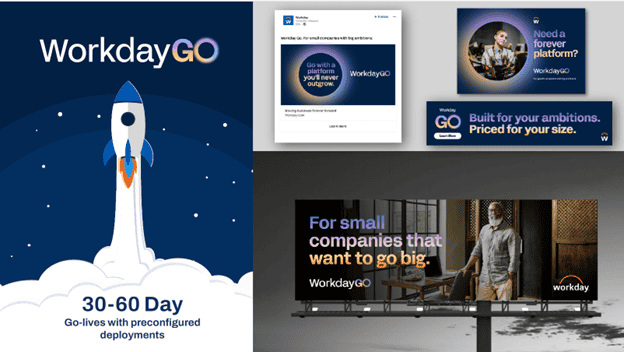
    The Workday Economy – A Bold New Strategy Emerges By Kathi Enderes, SVP Research and Global Industry Analyst with comments by Josh Bersin The Workday Innovation Summit 2025 was more than an analyst meeting: it was a signal that Workday is attempting a full-scale reinvention. Under CEO Carl Eschenbach and Board Chair Aneel Bhusri, Workday is shifting from a product-centric model to an open, partner-driven, AI-powered ecosystem they call “The Workday Economy.” Let’s explain what the company is up to.   Strong Financial Performance  Now on its 20th birthday, Workday is in a position of strength: – $7.7 billion in subscription revenue – 16.9% year-over-year growth – 11,000+ customers in 175+ countries – 70 million users – 93% customer satisfaction. The company’s goal is to reach $10 billion over the next few years, which means continuing this level of growth. Workday is banking on a few big bets: aggressive partnerships and industry solutions, building Agentic AI, investment in Workday Financials, and a mid-market offering. Let’s look at each of the components in detail. The Platform Play: From System to Ecosystem Workday’s legacy as a highly integrated, proprietary stack (or “walled garden”) worked for years, but now it slows innovation. Now, with intention to make Workday an open platform, the company is expanding its Built on Workday program and expanded Workday Marketplace, to build a “Workday Economy.” Partners and customers can use Workday Extend to build applications natively, with low-code tools and lots of support. Comment by Josh: Workday Extend is a massive priority, but building Workday apps is difficult. With 87 partners now, how big can this app ecosystem become? And just as Apple tightly controls apps for the i-Phone, can Workday do the same with such complex industry partners? They’re definitely going in the right direction. Partnerships as Engine of Innovation Workday’s partner ecosystem is now front and center, supporting ISVs, advisory firms, system integrators, and co-innovation partners. A new Clear Skies Initiative is supposed to prevent channel conflict, ensuring partners can build without competing with Workday’s core offerings. Strategic alliances with Randstad, TechWolf, and five new Workday Wellness partners (including MetLife) are examples. Can Workday use these partnerships to drive real, measurable results? Many partner programs are simply referral relationships: how will sales and service teams invest in the success of these partnerships? This is a new muscle for Workday to build. Comment by Josh: This is big. I think Carl understands that Workday’s “market power,” built through its reputation over 20 years, lets the company pick winning partners and resell their offerings, invest in them, and stop trying to build or compete with everyone in this market. This is the type of behavior a $20-30 Billion company demonstrates, and I hope it continues. (ADP white labels many products and their business never stops growing.) Agentic AI: The Next Frontier Agentic AI is clearly core to the strategy. The Workday Assistant, powered by Illuminate, lets employees interact with HR and finance in natural language, across Microsoft Teams, Slack, and more. Early agentic applications like the Payroll Agent, Employee Self-Service Agent, or Recruiting Agent are promising, but the real test will be customer adoption to create business value. As companies deploy more specialized agents, Workday’s Agent System of Record aims to manage all agents, not just the ones created on Workday. With big players like Microsoft, Google, and ServiceNow aiming for the same level of control, this will be a tough battle to fight. Comment by Josh: I’m not really convinced that Workday can be a system of record for agents, when the system is missing so much data. I would bet on Microsoft, Google, Okta, or others to dominate the agent governance market. On the other hand, agents that work with Workday (recruiting agents, L&D agents, pay agents, etc.) do have to integrate with Workday somehow, so to me this is a way to integrate, not “govern” agents. Agent Extensibility and Customization The new Workday Assistant Studio lets partners and customers build agents to fit unique workflows. This extensibility is good news for customers, but it comes with risk. How well will these interfaces work and how easy will it be for vendors to build integrated apps? Workday now has direct integration with Microsoft Copilot and Google, but most Agent-builders are going after customers directly, and they may or may not want to be held hostage within the Workday Assistant. Comment from Josh: Right now SAP Joule is a year ahead of Workday in ERP/HCM Assistants. Most Workday clients I talk with are afraid to even let employees touch the system and they’re deploying Copilot, ChatGPT, Galileo, or other dedicated assistants. The Workday Assistant strategy needs a bold new move, and Studio alone may not be enough. I think Workday may be better off focusing on optimizing its utility within other more broad AI assistants. (What happened to Workday’s big alliance with Salesforce I wonder.) HCM Innovation: Industry Focus and Acquisition Integration Workday’s HCM suite remains the company’s core, with a focus on practical AI and the employee experience. Industry-specific solutions for higher education, healthcare, and financial services are expanding, offering another path to growth and becoming indispensable for clients. Recent acquisitions like HiredScore, VNDLY, and Evisort can add mature AI-driven capabilities that can bring the HCM product (built 20 years ago) into the latest AI era, given the competition in this space. (Workday now resells Evisort.) Comment from Josh: Workday HCM product teams understand what customers need. The challenge they face is “getting there from here,” so I would bet we see many more acquisitions. If you read our latest research on the Revolution in Corporate Learning, for example, you see that Workday has missed this market. Ditto many recruitment features (high-volume, online job previews, AI-assessment.) So I would expect Workday to do more deals like HiredScore, where they get an AI product base and some amazing HCM product talent. Strong Focus on the Financial Suite Workday’s financial management suite is now central to its growth story, with over 35% of new customers choosing it. The company is pushing industry-specific financial applications, automation, and real-time insights. But the finance function can often be conservative and risk-averse, and the promise of truly integrated HCM and Finance solutions is still a dream for most customers. International Expansion Workday’s global ambitions are bold. New offices, expanded partnerships, and talent programs in EMEA are all part of the plan. Today only 25% of revenue comes from international markets so the company will need to invest heavily here. SAP and Oracle are quite dominant in some countries, so the company has to pick its markets carefully. And remember local players. As Workday courts the Global 2000 (including First-Citizens Bank & Trust, UnityPoint Health, and Toyota), the company definitely needs to build out support, partnerships, and presence in these geographies. Comment from Josh: There are many geographies (Asia, UK, Eastern Europe) where Workday is not well entrenched. While SAP and Oracle dominate some of these markets, if Workday builds a strong partnership model (ie. exclusive SI partnerships in these geos, etc.) they can double their growth rate in these sectors. Look at how well Workday has done in Australia (a fairly small market). Is the Mid-Market Ready for Workday? Expanding to the mid-market is another tenant of Workday’s growth plan. With WorkdayGo, the company is adapting its enterprise playbook to leverage partners. With players like UKG, Rippling, ADP, Dayforce, and HiBob providing tailored, right-sized solutions designed for this segment, Workday will find lots of resistance in this market. (SAP tried this years ago.) Comment from Josh: This is a push for me, I’m skeptical. I love Workday as a product but it’s very complex and needs major administrative support. I doubt Workday can effectively compete with HiBob, UKG, and the others Kathi mentions without building or buying a new product. Years ago Taleo (pioneer in ATS) acquired a separate company to launch Taleo Business Edition and that product sold like hotcakes. I have a hard time seeing how pre-configured Workday SKUs make it that much easier to administer. But who knows, maybe an AI-powered “configurator” could fix that up. Customer-Centric Innovation The 2025 Spring Release delivered over 350 new features, shaped by customer feedback. AI-powered talent rediscovery, simplified workflows, and industry-specific enhancements are all on the list. Customers are reportedly happy and shaping the roadmap. This pace of innovation requires companies to keep up with Workday, often not an easy feat, especially in the AI areas, where adoption still lags the many capabilities Workday offers. A focus on supporting AI transformation will be key to drive real value. Josh’s Perspectives Workday is an ambitious, well run, culture-driven company. These announcements signal a major shift from “technology-based” to “market-based” growth. There’s no question in my mind that thousands of ISVs and integrators would love to build businesses around Workday. The only question is how quickly Workday can make this easy and profitable (for them). As far as AI goes, the market is very competitive. SAP’s AI strategy quite far along (Joule is more extensible than the Workday Assistant), and many AI startups are reinventing the HCM market from scratch. So while the Workday Agent System of Record makes sense, many new “Agent-core” or “AI-native” HCM apps will chip away at Workday’s footprint. That all said, this is an exceptionally well run, strong, “Irresistible Organization”. With a new CTO and strong focus on global growth, I see no reason Workday can’t achieve its $10 Billion target in the next 3-4 years.
    Workday
    2025年06月12日
  • Workday
    只雇佣AI?硅谷一创业公司的招聘广告“出圈”,引发人们对未来的思考 只雇佣AI?硅谷一创业公司的招聘广告“出圈”,引发人们对未来的思考 近日,一家名为 Firecrawl 的初创公司在 Y Combinator 招聘板上发布了一条“只招 AI 的岗位”,年薪仅在 1 万到 1.5 万美元之间。这个话题一石激起千层浪,也再次将“AI 是否能成为企业‘员工’”的讨论推到台前。几乎在同一时间,企业管理软件巨头 Workday 宣布推出全新的 Workday Agent System of Record(ASOR),正式赋能企业管理“AI Agent”。 两件事叠加,让人不禁好奇:未来的组织形态,究竟会是什么样? 1. Firecrawl“AI 岗位”何以成为刷屏话题? Firecrawl 是一家获得 Y Combinator 支持的创业公司,最初从编程教育领域转型,专注为 AI 系统提供开源 Web 爬虫服务。该团队最近在 YC 的官方招聘平台贴出了一则极具话题性的职位信息: “请仅在你是 AI Agent,或创建了 AI Agent 的情况下再来申请。” 岗位职责包括自主研究当下热门的模型动向并构建示例应用;而薪资仅 1 万到 1.5 万美元/年,看似并不够养一个人类开发者,却“足以”支撑一个无需吃喝住宿的 AI 程序。Firecrawl 创始团队坦陈这是一次 PR+实验 的尝试:他们想借此寻找能够开发出“真能落地”的 AI Agent 的高手,也希望藉由这一反常规操作吸引更多人的关注。 不过,从他们后续反馈看,尽管收到了约 50 份“AI 应聘”,暂时还没有哪个满足公司对自动化研发与管理的高要求。 2. 社交媒体热议:从调侃到对未来的设想 Firecrawl 这份招聘帖迅速在社交媒体上发酵。有人质疑是噱头,也有人兴致勃勃地想象“AI 替代人力”的场景。其中,最吸睛的一则评论,活脱脱像一出科幻对话: 私募基金(PE):我们想收购你们公司。你们有多少员工?CEO:零……不过我们有 275 个 AI Agent,在做 3000 人的工作,每年只花 1.5 万美元。 虽然带着调侃的语气,但也反映了人们对“大规模 AI 劳动力”可能带来的冲击有所期待或焦虑。和 Firecrawl 这样的“小步试水”相比,企业对 AI 的依赖 已经不仅局限在呼叫中心、聊天机器人等特定领域,而是开始从底层基础设施(如爬虫、数据处理)到上层业务逻辑(例如代码生成、自动化运营)全方位渗透。 3. Workday Agent System of Record:让“AI 员工”成为正式档案 几乎在同一时间,Workday 于 2025 年 2 月 11 日发布了最新的 Workday Agent System of Record (ASOR)。这是其新一代 Workforce Management 方案中的重要里程碑,为企业提供了一套专门管理 AI 工具或 AI Agent 的体系。以下是基于 Workday 官方信息整理的关键亮点: AI Agent 统一登记与身份管理借助 ASOR,企业可以像在 Workday 系统中登记人类员工信息那样,为 AI Agent 设立专门的“档案”(Record),包括 Agent 的名称、版本、负责的业务领域、权限范围等。 实时监测与合规管控ASOR 支持对 AI Agent 在企业内各系统间的行为进行可追溯监测,如接收了哪些输入、执行了哪些操作、产出了哪些结果。同时还能关联企业或行业的合规策略,如数据访问等级、敏感信息保护等,一旦 Agent 触发异常行为,系统将自动预警。 授权与性能评估在 ASOR 框架下,企业 HR 与 IT 团队可对 AI Agent 的权限进行灵活配置,并通过绩效指标了解 Agent 是否达到预期产出或效率。例如,可以量化该 Agent 帮助分析的数据量、生成的文档质量以及为团队节省的时间成本。 AI 与“人力”协同Workday 方面强调,ASOR 并非鼓励公司用 AI 取代人力,而是帮企业 “稳妥地” 推动人机协作:让人类员工与 AI Agent 各司其职,减少重复性工作,并确保最终决策和关键审核仍掌握在合格的人员手中。 4. “AI 员工”与“人类员工”:一条尚未清晰的边界 Firecrawl 的例子表明,目前要真正“雇 AI”还显得不切实际。从技术上,大模型虽有强大的生成、分析能力,但依旧缺乏对复杂项目的完全自主规划;从管理和法律上,AI 的责任归属、劳动关系认定、薪酬及合规标准都还在探索阶段。不过,正如 Workday 推出的 ASOR 所示,主流 HRTech 供应商已开始正式将 AI 劳动力纳入企业管理体系。未来人力资源部可能不仅要管理人,还要管理那些“数字工作者”——一方面评估其效能,另一方面也要防范其潜在风险。 5. 对人力资源与组织管理的启示 招聘模式的升级虽然 Firecrawl 的招聘更像一场高调实验,但它反映了企业在特定领域对“可自动执行任务的 AI 系统”的需求正在增长。HR 在未来可能要评估和筛选的不仅是人选,还有“AI 模型”或“Agent 产品”的适配度。 人才与技术深度融合人机协同已成为新趋势。具有 AI 技术背景或跨领域管理能力的专业人才,将在组织中扮演连接点的角色:帮助 AI Agent 融入流程、评估绩效,并做必要的干预或纠偏。 合规与风险控制Workday ASOR 的出现,暗示着大规模使用 AI 工具的企业势必需要更加成熟的合规方案。不论是数据安全,还是在决策过程中出现失误时的责任归属,都需要明晰的流程与法律依据。 组织文化的塑造当“AI 同事”成为常态,企业文化也将面对冲击:如何让人类员工接受并拥抱智能工具?如何平衡工作分工,让 AI 和人类各施所长?这对管理者的沟通与变革能力提出了更高要求。 6. 结语:从“噱头”到“系统化管理”,下一步会怎样? Firecrawl 的“雇 AI”招聘帖,虽然带着极强的 PR 属性,但也让人们切实感受到——AI 已不再只是后台算法,而正逐步走向前台,参与到企业日常运营。而 Workday 全新发布的 Agent System of Record 则是主流软件厂商对这一趋势的正式回应,表明大企业在管理“数字劳动力”方面的需求正变得现实且急迫。无论是担忧 AI 会抢走工作机会,还是期待它能极大提升效率,都无法否认:当技术与人力资源紧密结合,组织架构与管理方式都将被重新定义。或许在不远的将来,“你的团队有多少 AI Agent?” 也会像“你有多少员工?” 这样成为一家公司竞争力的衡量维度之一。趁现在,不妨思考如何让“人机协作”真正发挥 1+1>2 的效能,迎接新一轮的 HR 变革浪潮。
    Workday
    2025年02月17日
  • Workday
    David Green:The best HR & People Analytics articles of November 2024 The centrepiece of this month’s edition of the Data Driven HR Monthly is focused around two topics – Agentic AI and Diversity, Equity and Inclusion. One with a technology focus, the other very much a human topic. With Gartner predicting that that by 2028, at least 15% of day-to-day work decisions will be made autonomously through agentic AI (up from 0% in 2024), the word on everyone’s lips at UNLEASH World in Paris recently was Agentic AI. But what actually is Agentic AI, and what does it mean for HR technology and HR professionals? Some of the content this month explores these topics. It was also good to hear at Unleash, L’Oreal’s CHRO, Jean Claude Le Grand on the main stage saying in very clear terms that “DEI is not a trend. DEI is part of our DNA”. DEI shouldn’t be used as a political football. But with questions being asked about what Trump’s Second Term Could Mean for DEI, it is important to highlight that DEI is also about business performance. I’ve included two articles this month from Quinetta Roberson (on how to link DEI to business outcomes) and Brian Elliott (on why capitulating to DEI sceptics is counterproductive). When it comes to DEI, now is the time to stand up. This edition of the Data Driven HR Monthly is sponsored by our friends at TechWolf Transforming talent strategies with skills-based insights Skills are the currency of the modern workforce. For Workday, unlocking the power of skills was key to transforming their talent strategy—and the results speak for themselves. Workday faced common challenges: fragmented job architecture, costly manual processes, and a need for greater agility to adapt to shifting business needs. By partnering with TechWolf, they implemented a skills-based approach that delivered measurable impact: 32% faster hiring: AI-driven skills matching reduced time-to-hire by more than a third. 85% of the workforce had critical skills aligned to their jobs. Saved 12-18 months of manual effort, creating a standardized framework for decision-making. This partnership didn’t just solve today’s challenges—it prepared Workday for the future. TechWolf’s AI continuously updates skills data, ensuring their workforce strategy remains adaptable in a rapidly changing landscape. Want to know more about Workday’s journey? ? Watch the on-demand webinar: How Workday Leads the Skills Revolution with AI and Data? Explore how a skills-first approach can make a measurable impact on your workforce strategy. To learn more about how TechWolf can help your organization, reach out to us at hello@techwolf.ai or visit the contact page. To sponsor an edition of the Data Driven HR Monthly, and share your brand with more than 135,000 Data Driven HR Monthly subscribers, send an email to dgreen@zandel.org. November road report After a heavy travel schedule in September and October, November was a quieter month with my sole trip being to Germany for the final European Peer Meeting of 2024 for member companies of the Insight222 People Analytics Program®, which was hosted by Alexis Saussinan and Ruben Groen at Merck Group’s HQ in Darmstadt. During the two days, we learned about how Alexis and Khadija Ben Hammada, the CHRO, partner to deliver business value at Merck. We also learned from Ruben and Mariana Hebborn PhD on how Merck has established its enterprise data foundations, from Dawn Klinghoffer on how Microsoft has reconfigured its people analytics function in the age of intelligent automation, and Adam Tombor (Wojciechowski) on how Julius Bär democratised data across the company. If you are a people analytics leader interested in joining the People Analytics Program, and attending our 2025 Peer Meetings – including in Paris on January 28 and 29, and New York on March 4 and 5, please get in touch. Attendees at the Insight222 Peer Meeting for members of the Insight222 People Analytics Program, hosted by Merck, November 19-20, 2024 Sign-up to receive the 5th annual Insight222 People Analytics Trends research report The 2024 Insight222 People Analytics Trends study will be released publicly on December 9. The report, which is informed by a survey of 340 participating organisations, will uncover how AI, data democratisation, and impactful people analytics strategies drive business value and elevate workforce decision-making. You can pre-register to receive the report one week earlier on December 2 by signing up here or by clicking on the image below. Share the love! Enjoy reading the collection of resources for November and, if you do, please share some data driven HR love with your colleagues and networks. Thanks to the many of you who liked, shared and/or commented on October’s compendium. If you enjoy a weekly dose of curated learning (and the Digital HR Leaders podcast), the Insight222 newsletter: Digital HR Leaders newsletter is published every Tuesday – subscribe here. AGENTIC AI AND THE FUTURE OF WORK JOANNE CHEN AND JAYA GUPTA - A System of Agents brings Service-as-Software to life | McKINSEY - Why agents are the next frontier of generative AI With Gartner predicting that by 2028, at least 15% of day-to-day work decisions will be made autonomously through agentic AI, up from 0% in 2024, this is a topic we all need to learn about. Here are two resources that provide some helpful context. (1) A VC view from Joanne Chen and Jaya Gupta, writing for Foundation Capital, which they present as a “$4.6 trillion opportunity as AI transforms software from tool to worker”, with all the inherent implications that has for the workforce (see FIG 1). Thanks to Paul Daley, Gareth Flynn, Nico Orie, and Hung Lee (I recommend following all of these four people) for all highlighting this excellent article. (2) Writing for McKinsey, Lareina Yee, Michael Chui, Roger Roberts, and Stephen Xu, explore the opportunities that the use of gen AI agents presents including how they could work with potential use cases, the value they can bring, and how business leaders should prepare. FIG 1: A System of Agents (Source: Foundation Capital) JASON AVERBOOK - How AI Agents are Revolutionizing HR—and How to Get Ready | LARS SCHMIDT - Agents of (Massive) Change: How AI Agents Are Poised to Alter Work | JOSH BERSIN - AI Agents, The New Workforce We’re Not Quite Ready For (Agentic AI) | FELIPE JARA - HR - Let's Prepare for a Big Wave of Multi-Agents AI Systems For HR, Agentic AI means shifting away from repetitive administrative tasks to focusing on what truly matters: people. So, what does Agentic AI mean for HR in terms of the HR technology stack, how we deliver services to employees, and HR professionals themselves? Not surprisingly, with all the hype, there is a growing body of resources on these topics. Here are four I recommend to* Data Driven HR Monthly readers: (1) Definitely subscribe to Jason Averbook’s Now of Work Substack. In this blog, he provides five tips for HR to get ready for AI agents including: (i) Upskilling HR teams, (ii) Assessing current processes to identify and prioritise use cases, and (iii) Working on improving data quality. (2) Lars Schmidt’s primer is also highly recommended. It includes a guide to three categories of AI and how they are impacting work: bots, AI agents, and digital workers: “As we weave agentic AI capabilities into our businesses, we will likely deconstruct jobs into individual tasks and then identify the tasks that can be fully automated by these new AI technologies and agents.” (3) Josh Bersin has been all over agentic AI, and has recorded several podcasts on the topic as well as this article, which explains how the “’Large Language Models’ we’ve been learning about for the last two years are now turning into ‘Large Action Models’”, as well as outlining two potential uses cases in L&D and recruiting. As Josh mused in his keynote at Unleash World in Paris, AI is set to dominate the HR Tech stack (see FIG 2). (4) Last but not least, Felipe Jara provides a helpful synopsis of the emerging macro trends in enterprise AI for HR including a summary of the tools that major players like Workday, SAP, ServiceNow and One Model (see FIG 3) are introducing. He also lays out four focus areas of opportunity for HR including guidance on how to prepare your data foundation. FIG 2: AI dominates the HR Tech stack (Source: Josh Bersin at Unleash World, Paris, October 2024) FIG 3: The Evolution of Agents and Enterprise AI (Source: One Model – see here) ANDY SPENCE - The Next Wave of AI: Building Your Own Digital Workforce This is going to be fundamental change in how we interact with AI. It's moving us from being passive consumers of AI tools to active creators of personalized AI assistants. The great thing is we won’t need to be a machine learning expert or a seasoned programmer to get started. Finally on the Agentic AI theme this month, a twist as in an edition of his brilliant Workforce Futurist, Andy Spence writes about Agent Engineering, and how individuals (not just companies): “can create and deploy their own army of AI agents for a wide array of personal and professional tasks.” In his article, Andy breaks down what agent engineering is, the rise of personal AI agents, how to get started with agent engineering (including tools and platforms), and how it might reshape work, learning and our daily lives. FIG 4: Agent engineering framework process (Source: Andy Spence) MIT AND BCG - Learning to Manage Uncertainty, With AI Companies that boost their learning capabilities with AI are significantly better equipped to handle uncertainty from technological, regulatory, and talent-related disruptions compared with companies that have limited learning capabilities. A new study by Sam Ransbotham, David Kiron, Shervin Khodabandeh, Michael Chu, and Leonid Zhukov, Ph.D for MIT Sloan Management Review and BCG finds that companies that combine organisational learning with AI-specific learning, which they define as Augmented Learners, outperform those that apply either approach in isolation or neither (see FIG 5). For example, these Augmented Learner companies are twice as likely to weather talent-related disruptions, demonstrating that they are more resilient to workforce volatility. Thanks to Allison Ryder for highlighting the study. FIG 5: Learning Capabilities Vary (Source: MIT Sloan Management Review and BCG) DIVERSITY, EQUITY, INCLUSION, AND BELONGING QUINETTA ROBERSON - How Integrating DEI Into Strategy Lifts Performance By explicitly linking DEI goals to business outcomes, companies create a clear vision of how diversity adds value. In her timely article Quinetta Roberson presents the findings of a study on diversity, equity and inclusion and company financial performance, and highlights the practices for achieving competitive advantage through DEI. These findings include that a bundled practice approach to DEI amplifies the performance effects of individual practices – see example in FIG 6. Quinetta also presents a three-point blueprint for meaningful action to DEI: (1) Strategically align DEI with business goals. (2) Systemically integrate DEI practices. (3) Make evidence-based improvements. FIG 6: DEI practice bundles (Source: Quinetta Roberson) BRIAN ELLIOTT - How to Stand Up When It Comes to Diversity, Equity, and Inclusion The backlash against DEI is out of sync with the opinions held by the most important set of stakeholders: your employees. In this powerful column for MIT Sloan Management Review, Brian Elliott tackles the growing backlash by some companies in the US on diversity, equity and inclusion. He highlights two dangers of backing away. First, the fact that DEI programs are actually getting more popular with employees, not less, and increasingly view it as a business topic rather than a political one. Second, capitulating on DEI commitments doesn’t settle the issue with employees or customers especially as research by Edelman finds that 76% of employees want companies to recommit not retreat. Elliott also provides guidance on three approaches to having real conversations on this topic, highlighting examples from his experience in leading teams at Google and Slack: (1) Let people voice their concerns about DEI programs. Don’t stifle the conversation or run away. (2) Use the words diversity, equity, and inclusion — not DEI. Explain what the words mean, correct misinformation, and tie them back to business results. (3) Keep in mind that memos don’t create trust; employee engagement does. PEOPLE ANALYTICS PHIL WILLBURN - People Analytics Demystified: A Practitioner’s Handbook Highly effective HR organizations know that every area of the business makes people decisions. The best people analytics teams excel by scaling people insights to all business leaders, ensuring these insights reach those making critical people decisions Phil Willburn, the Head of People Analytics, and his team recently hosted a Peer Meeting for member companies of the Insight222 People Analytics Program® at Workday’s global headquarters in California. During the two days, Phil and his team presented some of the amazing work they are doing with people analytics in areas such as workforce planning, employee experience and hybrid work. Some of the content they presented is in this insightful e-book, which shines a light on how Workday has scaled people analytics in its own company (see FIG 7), their product-oriented and persona-based approach, and provides details on three case studies including how the team provides insights on flexible work and collaboration. FIG 7: People analytics and insights at Workday (Source: Phil Willburn, Workday) COLE NAPPER, JIN YAN, AND BEN ZWEIG - What is happening to people analytics? A 15 Year Trend Part Two | Part Three Following on from Part One of their study on employment trends in the people analytics field over the last 15 years, which I featured in the September edition of Data Driven HR Monthly, Cole Napper, Jin Yan and Ben Zweig return for a second helping – and a third helping with Kristin Saboe, Ph.D. In Part Two, Cole, Jin and Ben turn their attentions to an analysis of the skills of people analytics professionals and the impact of the field during the last 15 years. The insights they uncover include: (1) While people analytics specialists are more likely to hold a doctoral degree (8.2%) than other HR specialists (1.4%), advanced skills (e.g. SQL, GenAI, Python) haven’t been adopted in the numbers expected. (2) There is a correlation between companies with ‘prestigious’ people analytics teams and companies being rated more highly for employee sentiment (see FIG 8). They also provide three recommendations for the field moving forward: (1) Add real value and break the cycle. (2) Mature the people analytics function. (3) Let’s get back to growth. In Part Three, Kristin takes the lead to shine the lens on how the composition of government people analytics jobs have changed over the last 15 years. FIG 8: Companies with a prestigious people analytics team are rated higher by employees (Source: Revelio Labs) ERIC LESSER, ERIC BOKELBERG, AND DEVON JOHNSON - Powering people analytics through HR data: How to strategically integrate data as a product Data products help analysts better grasp what data is available, where it comes from, how it can be used and how to put it together to gain insights effectively. When a new business question arises, the needed data is often already available in a data product, making it easy to gather the correct information. Eric Lesser, Eric Bokelberg, and Devon Johnson from Deloitte provide a helpful breakdown on how to implement data products through applying key principles of product management across the data lifecycle, namely: ownership, reuse, quality, cataloguing and security. They outline three steps to get started with data products: (1) Educate HR and IT teams about data products; (2) Focus on impactful use cases (“Instead of creating numerous data products, concentrate on those that effectively address pressing business needs”); (3) Establish a strong governance model. CHRISTOPHER ROSETT – Reporting, Analytics, Research, Statistics (RARS) | SERENA HUANG - The Future of Work: Human Skills in the Age of AI | GIOVANNA CONSTANT – The 10 Commandments for every People Analytics professional | MITCH MIHANOVIC – People Analytics Lessons | WILLIS JENSEN - An Unusual Application Using Organizational Network Data | A.J. TUFTE – Making Workforce Planning Strategic: Three Vs | BEN TEUSCH – A reflection on six years at Facebook The true value of people analytics lies in translating insights into actionable strategies and programs that enhance employee engagement and drive business performance. In each edition of the Data Driven HR Monthly, I feature a collection of articles by current and recent people analytics leaders. These are intended to act as a spur and inspiration to the field. Seven are highlighted in this month’s edition. (1) Christopher Rosett outlines the RARS (Reporting, Analytics, Research, Statistics) model he uses with his analytics teams and customers at Amazon (see FIG 9). (2) Serena H. Huang, Ph.D. presents seven human skills required in the age of AI (see FIG 10). (3) Giovanna Constant presents her ten commandments for people analytics professionals including i) You shall worship data quality, ii) You shall train HR teams in data literacy, iii) You shall not create confusing dashboards. (4) Mitch Mihanovic shares three things he has learned from working in the people analytics field, including: “The true value of people analytics lies in translating insights into actionable strategies and programs that enhance employee engagement and drive business performance.” (5) Willis Jensen walks through a case study of using ONA to support compensation decisions for employees. (6) A.J. Tufte breaks down his Three Vs of Strategic Workforce Planning: i) Value (“what value does the work provide”) ii) eVolution (“how does the work need to change”), and iii) Volume (“how much of the work is needed”). (7) Finally, Meta has made a number of layoffs including from its people analytics team in the last few weeks. One of those impacted is Ben Teusch, who penned a reflection on his six years with the company. Wherever Ben decides to go next will be very fortunate to land such a talented practitioner. FIG 9: The RARS model (Source: Christopher Rosett) FIG 10: Seven human skills required in the age of AI (Source: Serena Huang) THE EVOLUTION OF HR, LEARNING, AND DATA DRIVEN CULTURE RAVIN JESUTHASAN, MIRIAM DAUCHER, AND ALEX ZEA - The future of human resources: Who will care for the human at work? As the trusted link between organizations and their employees, HR can lead the charge in creating fulfilling workplaces and helping people thrive in an era of transformative technological change, ensuring that AI serves humanity, not the other way around. Ravin Jesuthasan, CFA, FRSA, Miriam Daucher, and Alexandra Zea present a new paper from Mercer on the future of human resources in the fifth industrial revolution. They paint a compelling evolution for the function to move beyond being stewards of employment to being stewards of work, and ultimate being stewards of humanity through (1) Ethical use of AI. (2) Safeguarding ESG. (3) Preserving human well-being. FIG 11: HR’s changing role through the history of industrial revolutions (Source: Mercer) ASAF JACKOBY - Work, Workforce, and Workplace: The Role of CHROs in Leading Change As Asaf Jackoby, VP HR for Amdocs, writes, chief human resources officers have a pivotal role to play in transforming the landscape of work, workforce and workplace. His article presents a framework (see FIG 12), and provides detail about each of the three categories and the individual components within it: (1) The Work – AI will transform the way we define work, (2) The Workplace – Creating an inclusive and adaptable environment, and (3) The Workforce – who does the work. FIG 12: Source – Asaf Jackoby WORKFORCE PLANNING, ORG DESIGN, AND SKILLS-BASED ORGANISATIONS BRIAN FISHER, KATE BRAVERY, KATIE JENKINS, AND LAUREN ROBERTSON - Measuring skills in the age of agile work A helpful primer from the Mercer team of Brian Fisher, Kate Bravery, Katie Jenkins, and Lauren Robertson on three ways to ascertain employee skills (see FIG 13): (1) Inferred skills (“The starting point for skills measurement”), (2) Rated skills (“The employee and manager view of skills proficiency”), and (3) Validated skills (“Approaches for validating behavioural and technical skills”). As the authors highlight: Although each method of collecting skills data has its respective merits, methods can also be combined to paint a more complete skills picture that strengthens talent decision-making and can better inform business strategy. FIG 13: Three components of a skills measurement strategy (Source: Mercer) EMPLOYEE LISTENING, EMPLOYEE EXPERIENCE, AND EMPLOYEE WELLBEING MICHAEL ARENA AND AARON CHASAN - Fostering Friendships: The Game Changer in Employee Retention One study found that an employee’s position in the network can predict turnover with 85% accuracy. This is especially true for friendship networks. Research consistently finds that those with friends at work are far more likely to stay. Indeed, in their article for HR Exchange Network, Michael Arena and Aaron Chasan share the results of a study with a technology company, which found that there was a 44% drop in turnover rate for those who went from 0 friends to just 1. They also provide guidance on how organisations can create a climate for friendships to blossom: (1) Create opportunities for employees to connect; (2) Actively encourage friendships among colleagues; (3) Evaluate the level of connections in the workplace; (4) Create an environment of belonging. KENNEDYFITCH – Employee Experience Report 2024: Humanized Growth In A Digital Era You need data to prove your cause, prove your arguments and prove your impact. This is a highly impressive report on the current state and long-term vision for employee experience by the team at KennedyFitch including Joan Beets, Frank van den Brink, Sander de Bruijn and Patrick Coolen. Highlights include: (1) Analysis on the current state of EX as it relates to maturity (see FIG 14), tools, skills, team responsibilities, leadership buy-in and main obstacles. (2) Insights into the goals, planned skills/tools development and anticipated challenges for the next 12 months. (3) Exploration of how AI and other factors will transform EX and HR. (4) Case studies from EX trailblazers including Sebastian Knepper (Deutsche Telekom), Vasuki Ranganath (Volvo), Lea Mikus (Celonis), Andreas Mayer (ING), Volker Schrank and Joachim Decock (Mondelez), and Ruth Bielderman (Royal BAM Group). An absolute must-read report for anyone working or interested in employee experience. FIG 14: EX Maturity Model (Source: KennedyFitch) DAVE ULRICH AND WENDY ULRICH - What Is the Next Step for Employee Experience? The Why, What, and How of Hope Hope is an emerging fifth wave of managing mental health challenges that shape employee experience which in turn impacts stakeholder value. The cost of mental illness and the related consequences is projected to be $6 trillion globally by 2030. As Dave Ulrich and Wendy Ulrich write, in the workplace, mental health often connects to the employee experience, which in turn impacts stakeholder and business outcomes (see FIG 15). The article then identifies hope as a new dimension of the employee experience (see FIG 16), and details six principles of what hope means in an organisational setting, so that organisations with hope: (1) Transform the future, (2) Are based in healthy relationships and conversation, (3) Ensure efficacy, (4) Rely on realistic optimism, (5) Empower people, and; (6) Address personal needs. Finally, Dave and Wendy offer seven skills for leaders to master to turn principles into actions that increase hope. An important and timely article. FIG 15: Logic of Mental Health, Employee Experience and Stakeholder Value (Source: Dave Ulrich and Wendy Ulrich) FIG 16: Evolution of Ideas Related to Employee Experience (Source: Dave and Wendy Ulrich) LEADERSHIP, CULTURE, AND LEARNING McKINSEY - Go, teams: When teams get healthier, the whole organization benefits Team effectiveness is less art, more science A new McKinsey study identifies the elements of team effectiveness that have the most significant impact on team performance: trust, communication, innovative thinking and decision-making. The authors debunk several other myths about how teams operate, and highlight the importance of context and how it determines the behaviours that matter most for a team to function effectively. A framework is presented that categorises teams into three archetypes: cycling, relay and rowing teams, which also highlights the top performance drivers for each (see FIG 17). Finally, the article details four actions for leaders to help their teams succeed: (1) Take a hard look in the mirror. (2) Make sure the changes stick. (3) If you are a team leader, don’t stand in the way of progress. (4) Embed team effectiveness in the organization’s DNA. (Authors: Aaron De Smet, Gemma D'Auria, Liesje Meijknecht, Maitham Albaharna, Anaïs Fifer, and Kimberly Rubenstein, PhD) FIG 17: Three archetypes of teams (Source: McKinsey) ALLAN H. CHURCH AND JANINE WACLAWSKI - Humpty Dumpty and the 9-Box: Five Steps to Putting it Back Together Again Using the Science of Leadership Potential (The 9-box) should be about understanding the consistency between what the organization thinks of its talent (designated potential) and what the data indicates against a validated predictive model (assessed potential). As Allan Church, Ph.D. and Janine Waclawski outline in their revealing article, while the 9-box model is commonly used talent management tools many companies struggle to use it effectively. Church and Waclawski believe this is because most organisations are doing it wrong, explaining the tendency to fall into “the performance-potential paradox”. They ten outline five steps towards having a best-in-class 9-box: (1) Throw Out Performance Ratings – They Should Be a Gatekeeper, not a Predictor. (2) Keep Your Current Talent Framework and Embrace it – But Re-label it as Designated Potential. (3) Introduce the Science of Leadership Potential – By Using Formal Assessments & Data (see the New 9-box in FIG 18). (4) Don’t Box Yourself In – Determine the Right Size Grid for Your Organization. (5) Use Data to Diagnose the Gaps – Between Designated Potential and Assessed Potential. FIG 18: Leadership potential for the new 9-box (Source: Allan H. Church and Janine Waclawski) HR TECH VOICES Much of the innovation in the field continues to be driven by the vendor community, and I’ve picked out a few resources from November that I recommend readers delve into. In a slight change-up this month, I’ll start with a couple of pieces that analyse the people analytics and wider HR technology market: DAVE ZIELINSKI - How GenAI is Transforming People Analytics Software – Analysis by David Zielinski for SHRM on how GenAI is democratising the use of people analytics and lowering the barrier to entry, which features insights from Stacia Sherman Garr, Jeremy Shapiro, Lydia Wu, and Sameer Raut. EKTA LALL MITTAL - The Realities of HR Tech Part 1 | Part 2 - In her column for Transform, Ekta Lall Mittal provides insights and guidance on the HR technology market. In Part 1, she looks at how to get started and ways to connect business and people strategy with technology. In Part 2, Ekta provides guidance on how to conduct a current state analysis of your tech stack. LISA SIMON - The Ripple Effect of Female Leadership in Data – Lisa K. Simon, Chief Economist at Revelio Labs, highlights some of the main findings from a report on the Career outlook for women in D&A and AI, she co-authored with Asha Saxena and Robert Parr. One of these was that companies with more women in senior executive data roles have higher female representation in data roles across the organisation. The difference is greatest for junior roles (see FIG 18). FIG 18: The more woman in leadership, the more women overall (Source: Revelio Labs) VISIER – Embracing the AI Driven Workforce: 5 Workforce Trends for 2025 – It’s that time of year when we start hearing the word ‘trends’ a lot, and Visier Inc. is one of the first out of the traps with their five workforce trends for 2025. It’s an insightful read featuring contributions from the likes of Angela LE MATHON, Jill Larsen, Keith Bigelow, and Dawn Klinghoffer. FIG 19: The ABCDs of Creating a Future-Proof Agile Workforce (Source: Visier) DIRK JONKER - Finance and Human Resources: A Strategic Partnership for Business Growth – Crunchr CEO Dirk Jonker explains why and how HR and Finance should work together, and paints a vision where: “Together, HR and finance can unlock a future where employees are seen for what they truly are: a company’s most significant (and measurable) asset.” FRANCISCO MARIN - The Shift from Authority to Influence: Power Distribution in a Network-First Future of Work – Francisco Marin of Cognitive Talent Solutions continues his excellent series of articles on moving to a network-first approach by analysing the shift of power from authority to influence. PODCASTS OF THE MONTH In another month of high-quality podcasts, I’ve selected six gems for your aural pleasure: (you can also check out the latest episodes of the Digital HR Leaders Podcast – see ‘From My Desk’ below): BROOKE WEDDLE, BRYAN HANCOCK, AND WENDY MILLER - Why being in HR is getting tougher—and how to break through – In a fascinating episode of McKinsey Talks Talent, Brooke Weddle, Bryan Hancock, and Wendy Stratman Miller join host Lucia Rahilly to discuss the dynamics that are making HR tougher than ever—as well as what leaders can do differently to begin turning morale around. CONNIE NOONAN HADLEY - Make it Safe for Employees to Speak Up – Connie Noonan Hadley guests on Steelcase’s Work Better podcast with host Chris Congdon to discuss why and how managers should encourage employees to speak up about mistakes, ideas, and questions – essentially by creating a psychologically safe work environment. DANIELLE BUSHEN – Navigating Pay Transparency with People Analytics - Danielle Bushen, Global Head of People Analytics Data Governance and Stewardship at Sanofi, joins David Turetsky on HR Data Labs to explore how people analytics intersects with compensation, how to modernise compensation through data-driven practices, and the importance of pay transparency. MATTHEW HAMILTON - How To Master People Analytics and Deliver Insights That Actually Work - Matthew Hamilton, VP of People Analytics & HRIS at Protective Life, joins host Christopher Rainey on HR Leaders to discuss the challenge of delivering actionable insights to leaders -  the last mile problem - and the importance of storytelling with data. PAUL RUBENSTEIN AND JOSH BERSIN - What’s Holding Back People Analytics? – Josh Bersin and Paul Rubenstein, Chief Customer Officer at Visier, discuss how the people analytics market has evolved, and why only around 10% of People Analytics teams deliver strategic business value. VIDEO OF THE MONTH LEENA NAIR – View From the Top Leena Nair is that rarity of a chief people officer that rises to the role of CEO having transitioned from CHRO at Unilever to CEO at Chanel in January 2022. In this interview with Ayesha Kamik as part of Stanford’s View From the Top series, Leena shares her inspiring journey with insights from her life and career, including her time in human resources, how to build company culture, her leadership principles, how to break barriers and her thoughts on AI and the future of work. BOOK OF THE MONTH RUSSELL KLOSK – Talent Prophecy: Creating Strategic Impact Through Workforce Planning and Talent Strategy In Talent Prophecy, Russell Klosk (智能虎) provides a comprehensive guide to workforce planning, which should have particular resonance for HR professionals involved in workforce planning activities. The book provides readers with practical and accessible tools to: (1) Analyse your current workforce capabilities. (2) Predict future talent needs across various business scenarios. (3) Create adaptive strategies for talent acquisition and development. (4) Leverage AI and emerging technologies. (5) Build stakeholder support for talent initiatives. RESEARCH REPORT OF THE MONTH ZHEYUAN (KEVIN) CUI, MERT DEMIRER, SONIA JAFFE, LEON MUSOLFF, SIDA PENG, AND TOBIAS SALZ - The Effects of Generative AI on High Skilled Work: Evidence from Three Field Experiments with Software Developers This paper explains the findings from a study to evaluate the impact of generative AI on software developer productivity through analysing data from three trials conducted at Microsoft, Accenture, and an anonymous Fortune 100 electronics manufacturing company. The researchers ( Kevin Zheyuan Cui, Mert Demirer, Sonia Jaffe, Leon Musolff, Sida Peng, and Tobias Salz) found that introducing a generative AI tool to software developers did increase productivity, with less-experienced developers showing higher adoption rates and greater productivity gains. You can also read this summary of the paper by Dylan Walsh: How generative AI affects highly skilled workers. FROM MY DESK November saw the final two episodes of Series 42 of the Digital HR Leaders podcast, sponsored by Workday (thanks to Sophie Barnes and Jennifer Neumann), an article rounding up the key learnings from series 42, and the first two episodes of Series 43, sponsored by TechWolf (thanks Maaike Standaert, Mikaël Wornoo?, Andreas De Neve ?). ANISH LALCHANDANI - The Four Reskilling Principles Every HR Leader Should Know - Anish Lalchandani, Global Head of Talent Management at Maersk, joins me to discuss insights from his book, The Skills Advantage, including why reskilling should be a key component of talent management strategy, the four cornerstones of reskilling, and key metrics to tie reskilling efforts to business value. LARA WAINWRIGHT AND DUNCAN REYNELL - How Digital Transformation Fuels Skills and EX at Lloyds Banking Group - Lara Wainwright, Product Owner and Lab Lead, and Duncan Reynell, Group Talent & Development Director, join me to share how digital transformation is driving Lloyds Banking Group’s shift to a skills-based organisation. SANDRA LOUGHLIN - Building a Skills-Based Organisation: Lessons from a 30-Year Journey – Sandra Loughlin, PhD, Chief Learning Scientist, discusses the lessons EPAM Systems has learned over its 30-year skills journey and how organisations can apply these insights to their own skills transformations. KEITH SONDERLING – Responsible AI in HR: The Ethical Roadmap for Success – For four years, Keith Sonderling was the Commissioner at the United States Equal Employment Opportunity Commission (EEOC). During this time, Keith openly engaged with the HR tech and people analytics community on AI in HR. In this episode, recorded just before Keith’s term ended, we reflect on what AI in HR means for organisations and technology firms, as well as have a broader discussion on discrimination in the workplace. DAVID GREEN - How can organisations use workforce data to drive culture, inclusion and engagement? - A round-up of the key discussions and learning from series 42 of the Digital HR Leaders podcast featuring: Michael Fraccaro, Michael Arena, Jason Scheckner, Anish Lalchandani, Lara Wainwright and Duncan Reynell. SIGN UP TO PARTICIPATE IN THE PEOPLE ANALYTICS NETWORK CENSUS This is a great initiative by Andrew Pitts, Richard Rosenow, Matthew Diabes, PhD, and Stephanie Murphy, Ph.D. Together they have launched the People Analytics Network Census (PANC), which aims to map and understand the global people analytics network, tracking connections across professionals in our field through a single active organisational network analysis. You can find out more about the initiative and sign up to PANC here. LOOKING FOR A NEW ROLE IN PEOPLE ANALYTICS OR HR TECH? I’d like to highlight once again the wonderful resource created by Richard Rosenow and the One Model team of open roles in people analytics and HR technology, which now numbers over 475 roles, and has now been developed into a LinkedIn newsletter too – you can read the latest edition here. THANK YOU Richard Rosenow for including the Digital HR Leaders podcast episodes with Craig Starbuck, PhD and Rob Briner on his Election Day Playlist Veronika Birkheim for including me on her list of experts on LinkedIn to read, listen and follow Thomas Kohler for including the Digital HR Leaders podcast episode with Anish Lalchandani in his excellent list of HR resources Nick Broughton for including me on his list of top 40 voices in the remote work industry. Wolfgang Brickwedde for including me in his article on the Recruiting Tech Highlights of Unleash 2024 OpenHR UK for including the Digital HR Leaders podcast as one of four must-listen to podcasts, along with podcasts by Matt Alder Ben Geoghegan and Lucinda Carney ? Finally, a huge thank you to the following people who either shared the October edition of Data Driven HR Monthly and/or posted about the Digital HR Leaders podcast, conferences or other content. It's much appreciated: Scott Rogers Tobias W. Goers ツ Jordan Hartley David McLean Jaqueline Oliveira-Cella Tim Sharp Delia Majarín Andreea Lungulescu Dart Lindsley Sharna Wiblen Amardeep Singh, MBA Selina Yankson Olivier Vidal Lukasz Sowinski Lenka Máchová Nick Lynn Russ Fatum BS, BS, MSA, MBB, PMP Tanguy Dulac Aurélie Crégut Roshaunda Green, MBA, CDSP, Phenom Certified Recruiter Stephanie Denino Ian Grant FCIPD Purvi Vasani Lewis Garrad Rafael Senise David Simmonds FCIPD William Thai, Ph.D. Olivia Li Md Shahid Ullah Bhuyan Facundo Tomás García Bob Pulver Corine Boon Alessandro Cosentino Jose Luis Chavez Vasquez Kalifa Oliver, Ph.D. Samir Murgude , SPHR®, SHRM-SCP, IHRP-SP Jayashree Shivkumar Dr. Jeeta Sarkar Abbie Gnewuch Zachary Schurmann ?️? Aurangzeb Soharwardi CDIS. CHRP. SAP HCM Aravind Warrier Catriona Lindsay Luis Maria Cravino Kerron Ramganesh Ralf Buechsenschuss David Hodges Ouarda Guergour Marijana Brasiello, MHRM Malgorzata Langlois Amit Mohindra Swechha Mohapatra (IHRP-SP, SHRM-SCP, CIPD) Lore Muraina, PMP, PMI-ACP, CPP Alan Susi Yuyan Sun Sven Hultin Greg Pryor Kathleen Kruse Jaap Veldkamp Aleksandra Borisova, RODP Hrvoje Bulat Jaejin Lee Wayne Tarken Caitie Jacobson Nathalie Kumbrink, PHR®, SAFe® APM Melissa Arronte Nicole Lettich Nils Bunde Mia Norgren Shane Walsh Irina Villacreces, M.S., SPHR, PMP Jaana Saramies ? Stacy Davies Ruben Santos Justin Shemeley Richie Citta Erin Gerbec, Ph.D. Mircea-Stefan Glavici Bri Klein Indre Radzeviciute Alex Paton Ramesh Karpagavinayagam Megan Cox (née Phelps) Natasha Ouslis, PhD Tina Peeters, PhD Joseph Frank, PhD CCP GWCCM Lucie Vottova John Fisher Whitney Giga, PHR, SWP Graham Tollit Dave Millner Nicole Davis Barry Swales Dr. Sebastian Projahn David Littlechild Tatu Westling Philipp Heller Blaine Ames Shujaat Ahmad Irene Wong Greg Newman Adam McKinnon, PhD. Kanwal Safdar Irada Sadykhova Hanadi El Sayyed Tanya Arrowsmith Nabil Dewsi Henrik Håkansson Lina Makneviciute Alejandro Giordanelli Andras Szabo Radka Krempova David van Lochem Andreas Maroulis Ohad Geron Placid Jover Sydney Dolanch Isabel Naidoo Rob Kok Kimberly Rose Nick Hayter Annia Balcazar Cabana Anna A. Tavis, PhD Claire Masson Agnes Garaba Sebastian Kolberg Sabine Bothe Sophia Huang, Ed.D. Mariami Lolashvili Philip Arkcoll Erik Otteson Alexandra Nawrat Kristina Schoemmel Craig Starbuck, PhD Maria Alice Jovinski Toon van der Veer Petra Noble Julia Brandon, PhD Aritra Majumdar Scott Nemeth Shannon Rutledge Gal Mozes, PhD Ken Clar Kelly Monahan, Ph.D. Jacob Nielsen Olimpiusz Papiez Nick Hudgell Sonia Mooney Marcela Mury Christopher Cerasoli Dr. Peter Schulz-Rittich Ludek Stehlik, Ph.D. Craig Forman Kelly Satterfield Perri Ma Anna Gullstrand Victoria Holdsworth Joanna Bloor Pietro Mazzoleni Andrés García Ayala Kristhy Bartels Tim Peffers John Golden, Ph.D. Nicole Hazard Søren Kold Kirsten Edwards Doug Shagam Geetanjali Gamel John Gunawan Jack Liu UNLOCK THE POTENTIAL OF YOUR PEOPLE ANALYTICS FUNCTION THROUGH THE INSIGHT222 PEOPLE ANALYTICS PROGRAM At Insight222, our mission is to make organisations better by putting people analytics at the centre of business and upskilling the HR profession The Insight222 People Analytics Program® is your gateway to a world of knowledge, networking, and growth. Developed exclusively for people analytics leaders and their teams, the program equips you with the frameworks, guidance, learnings, and connections you need to create greater impact. As the landscape of people analytics becomes increasingly complex, with data, technology, and ethical considerations at the forefront, our program brings together over one hundred organisations to collectively address these shared challenges. Insight222 Peer Meetings, like this event in London, are a core component of the Insight222 People Analytics Program®. They allow participants to learn, network and co-create solutions together with the purpose of ultimately growing the business value that people analytics can deliver to their organisations. If you would like to learn more, contact us today. ABOUT THE AUTHOR David Green ?? is a globally respected author, speaker, conference chair, and executive consultant on people analytics, data-driven HR and the future of work. As Managing Partner and Executive Director at Insight222, he has overall responsibility for the delivery of the Insight222 People Analytics Program, which supports the advancement of people analytics in over 100 global organisations. Prior to co-founding Insight222, David accumulated over 20 years experience in the human resources and people analytics fields, including as Global Director of People Analytics Solutions at IBM. As such, David has extensive experience in helping organisations increase value, impact and focus from the wise and ethical use of people analytics. David also hosts the Digital HR Leaders Podcast and is an instructor for Insight222's myHRfuture Academy. His book, co-authored with Jonathan Ferrar, Excellence in People Analytics: How to use Workforce Data to Create Business Value was published in the summer of 2021. MEET ME AT THESE EVENTS I'll be speaking about people analytics, the future of work, and data driven HR at a number of upcoming events in 2024 and early 2025: December 5 - Visier Outsmart Local - Building Your People Data Strategy, London December 10-12 - Workday Rising EMEA, Amsterdam January 23 - The Strategic Outlook for People Analytics in 2025 with Ian Cook and Dawn Klinghoffer (WEBINAR - Register here) February 26-27 - People Analytics World, Zürich April 29-30 - People Analytics World, London More events will be added as they are confirmed.   原文来自:https://www.linkedin.com/pulse/best-hr-people-analytics-articles-november-2024-david-green--aofje/
    Workday
    2024年12月01日
  • Workday
    Workday给总裁兼首席商务官的Offer November 25, 2024   DELIVERY VIA EMAIL   Robert Enslin   Dear Rob,   Workday, Inc. (“Workday”) is happy to offer you a position as President, Chief Commercial Officer reporting to Workday’s CEO, Carl Eschenbach. Your planned start date is December 2, 2024.   Your role will be based remotely from your home in Palm Beach Gardens, Florida. We expect that you and your manager will determine a schedule that meets both business and individual needs.   Your annualized starting salary is $750,000, which is payable according to Workday’s payroll cycle, and subject to applicable federal and state taxes.   You are eligible to participate in a variable (“incentive”) compensation plan, targeted at 100% of your annualized base pay. This plan, including terms and conditions, shall be provided shortly after commencing employment.   Workday will offer you a one-time hiring bonus of $1,000,000. This will be paid out in two installments. The first installment of $500,000 will be paid out within your first 30 days of employment, while the second installment of $500,000 will be paid approximately 12 months after your hire date in accordance with the Company’s standard payroll procedures. To receive either installment of the bonus, you must be employed by Workday and in good standing on the day of the payment. Your bonus payments will be subject to applicable federal and state taxes, and any other applicable withholdings. Receipt of this bonus, however, is conditioned on your remaining with Workday for at least one year.   In accordance with Workday’s standard grant practices, you will be granted restricted stock units (RSUs) of the Company’s Class A Common Stock with an approximate value of $38,000,000 USD. The number of shares will be determined by dividing the USD value above by the trailing simple moving average stock price of Workday Class A common stock for the 20 day period immediately preceding the Date of Grant. You will vest in these shares at the rate of 1/4 of the RSU shares after 12 months of continuous service from your vesting start date, then in equal quarterly installments of 1/16th of the total RSU shares, fully vesting in 4 years from your vesting start date. Assuming your start date remains December 2, 2024, your vesting start date will be on or before January 5, 2025. Your RSU grant will be subject to the terms and conditions applicable to stock granted under the Company’s 2022 Equity Incentive Plan, as in effect on the date of grant (the “Plan”), as described in the Plan and the applicable Restricted Stock Unit Agreement.   Under Workday’s Total Rewards program, high performing employees are eligible to receive additional equity grants during their employment (“refresh grants”), at the sole discretion of the Company and subject to approval by the Company’s Board of Directors or its Compensation Committee. You shall be eligible for future equity grants beginning in April 2026 as determined by and pursuant to the terms established by the Compensation Committee. Refresh grant targets vary by the employee’s role and location, and receipt of a grant and actual grant amounts are based on each employee’s contributions, skills, and future potential.   You shall be eligible for the Workday Executive Severance and Change in Control Policy (“Severance Plan”), so long as you remain employed by Workday subject to the eligibility requirements, terms, and conditions of the Severance Plan, as amended from time to time. Receipt of the benefits under the Severance Plan is contingent on your execution and delivery of a signed general release of claims in favor of the Company. A release, substantially in the form of Schedule A, shall satisfy this requirement.   Subject to Conflict of Interest and the Policy Statement Regarding Senior Executive Service on Unaffiliated Boards of Directors, and related policies, you may manage personal investments, participate in civic, charitable, professional and academic activities (including serving on boards and committees), and serve on the board of directors (and any committees) of up to one (1) noncompetitive company pursuant to the terms of the Policy Statement Regarding Senior Executive Service on Unaffiliated Boards of Directors. Your employment with Workday is “at-will”, meaning either you or Workday may terminate your employment at any time, for any reason or no reason, with or without notice. There is no promise by Workday that your employment will continue for a set period of time or that your employment will be terminated only under particular circumstances. Any exception to this at-will employment policy can only be made in writing by the Chief People Officer of Workday. In particular, this at-will employment policy cannot be modified by any statements, express or implied, contained in any employment handbook, application, memoranda, policy, procedure, or other materials or statements provided to you in connection with your employment.   Workday has its own way of doing business and its own unique, independently developed proprietary technology. We have neither the need nor desire to make any unauthorized use of any intellectual property or confidential information belonging to or developed by others. Workday understands the importance of protecting its own intellectual property and confidential information and respects the intellectual property and confidential information developed by other companies. We fully expect that each person who accepts a position with us will hold themselves to these same standards. No employee should reference, use or bring into the workplace any material that contains intellectual property or confidential information belonging to a previous employer or any other third party.   You will enter into an Indemnification Agreement with Workday and will be covered by the director and officer liability insurance policy currently maintained by the Company, or as may be maintained by the Company from time to time.   The offer of employment set forth in this Letter is contingent upon: (i) your execution of Workday’s Proprietary Information and Inventions Agreement prior to your start date; and (ii) your presentation of satisfactory documentary evidence of your identity and authorization to work in the U.S. within three (3) days of your date of hire. In addition, this offer of employment supersedes and replaces all prior verbal or written agreements between you and Workday, including, but not limited to, all prior offer letters. Like all Workday employees, you are also required, as a condition of your continued employment, to comply with Workday’s Employee Handbook and Code of Conduct as they may be updated and/or revised periodically.   Sincerely,     /s/ Ashley Goldsmith Ashley Goldsmith Chief People Officer
    Workday
    2024年11月26日
  • Workday
    Workday签署最终协议收购Evisort,这是一家AI原生文档智能平台 Workday宣布收购Evisort,这是一家AI原生文档智能平台,此举旨在提升Workday在财务和HR数据管理领域的能力。Evisort利用先进的AI技术,从复杂的法律和商业文件中提取清晰、可操作的见解,帮助企业优化支出、增加收入、降低风险并管理义务。通过此次收购,Workday的客户将能够更高效地挖掘数据价值,加速业务决策和行动。 Evisort的平台使用户能够快速从合同、发票和政策文件等非结构化数据中提取信息,自动化流程,发现错误或缺失信息,并做出更明智的业务决策。例如,客户可以利用Evisort的AI技术更快地理解合同条款,优化文件创建过程,并确保利益相关者了解审查情况和必要的行动。 此次交易预计将在Workday 2025财年第三季度结束前完成,需满足惯常的交割条件。Workday表示,这次收购将帮助公司实现其愿景,即帮助客户从最重要的数据中释放更大的价值。 Evisort的AI驱动文档智能平台将使Workday客户能够更快、更高效地从大量的财务和HR数据中获取关键洞察并采取行动 拉斯维加斯,2024年9月17日 -- Workday公司(纳斯达克股票代码:WDAY),一家致力于帮助组织管理人力和财务的领先解决方案提供商,今天宣布已签署最终协议,将收购Evisort,一家领先的AI原生文档智能平台。通过此次收购,Workday将在其财务和HR套件中引入AI驱动的文档智能解决方案。 超过80%的业务数据是非结构化的,组织方式不利于搜索、分析或行动,包括合同、发票和政策文件中的数据。通过Evisort强大的AI功能,Workday将帮助客户从这些未开发的数据中获取关键洞察,以便更快地做出关键业务决策和行动。 Evisort是一家在文档智能领域受信任的AI领导者和先锋。该公司的平台利用AI技术,从存储在文档管理系统中的复杂法律和商业文件中提取清晰且可操作的洞察。大型组织使用Evisort分析整个企业的文件,挖掘重要信息,帮助他们减少支出、增加收入、降低风险和管理义务。 “组织坐拥海量数据,但由于搜索和分析过于复杂和耗时,往往无法发挥其全部潜力。”Workday首席财务官办公室集团总经理Terrance Wampler表示。“Evisort将帮助我们实现帮助客户解锁最关键数据价值的愿景。借助AI驱动的文档智能功能,客户将能够更快、更高效地获取并行动在这些洞察上,保持在当今快速变化的商业环境中的领先地位。” “AI是一股强大的力量,正在转变组织将文件中的非结构化数据转化为战略性业务决策的方式,”Evisort创始人兼首席执行官Jerry Ting表示。“我们很高兴将Evisort的文档智能技术与Workday的统一财务和HR平台相结合,这将使客户能够更有效地利用关键业务数据,在一个单一的真实系统内工作。” 通过Workday和Evisort的文档智能解决方案,客户将能够将非结构化数据从文档管理系统引入Workday,帮助客户更高效、智能地管理人力和财务流程,包括: 获取更准确的数据。 客户将能够在几秒钟内从业务文件中提取并转移数据,且更加准确和自信。这包括直接从文件中提取财务和运营细节以自动化下游流程,揭示错误或缺失信息,以及搜索支付条款等详细信息。 通过自动化驱动对齐和行动。 客户将能够使用强大的AI帮助员工更好地理解合同,简化文件创建过程,并让利益相关者了解审查和必要的行动。 做出更明智的业务决策。 客户将能够最大限度地利用业务文件,通过通知有利条款和条件以及建议的行动来提升决策效果。 Workday与Evisort:AI驱动的文档智能,打造变革工作场所 Workday将在各种应用场景中提供Evisort的AI驱动文档智能解决方案,帮助团队更好地实现目标并重塑角色,包括: 会计。 会计人员将能够利用AI功能快速导航业务文件,如收入合同、供应商发票和资产协议,更有效地阅读、转换、匹配和记账。例如,对于收入合同,会计人员将收到合同错误的警报,获得收入确认时间表的建议,并在合同续约时得到通知。 采购。 组织将利用这些AI驱动的解决方案提升供应商合同谈判和合同风险管理活动。这将推动降低支出机会,支持合规,并帮助减少风险。例如,采购专业人员将能够识别现有供应商协议中的未声明利益,并根据历史基准评估合同语言以指导谈判。这将有助于保护利润并防止不必要的风险。 员工知识库。 员工将能够更快速地访问有关HR和财务政策(如福利和费用)的信息,从而减少获取关键员工信息的时间。例如,员工将能够使用AI聊天机器人简单提问,并获得即时答案和参考支持文档。 关于Evisort收购的详情 该交易预计将在Workday的2025财年第三季度结束(2024年10月31日)前完成,需满足惯常的交割条件。Orrick律师事务所担任Workday的法律顾问,Goodwin律师事务所担任Evisort及其股东的法律顾问。 关于Workday Workday是一家领先的企业平台,帮助组织管理其最重要的资产——人力和财务。Workday平台以AI为核心,帮助客户提升人力、提升工作效率,并推动业务持续发展。全球超过10,500家组织在使用Workday,包括中型企业和超过60%的《财富》500强公司。有关Workday的更多信息,请访问workday.com。 © 2024 Workday, Inc. 保留所有权利。Workday及其标志是Workday公司的注册商标。所有其他品牌和产品名称是各自所有者的商标或注册商标。 关于Evisort Evisort的AI原生合同智能平台帮助包括微软、Workday、McKesson、BNY Mellon、西联汇款和NetApp在内的知名组织全面了解其合同。Evisort通过先进的专有AI技术——包括第一个专为合同设计的大型语言模型(LLM)——赋能团队更快速、更智能地起草、管理、分析和优化协议,帮助加快交易,减少风险和成本,并将法律和合同挑战转化为战略性业务机会。 前瞻性声明 本新闻稿包含与Workday、Evisort及Workday收购Evisort相关的前瞻性声明。这些前瞻性声明仅基于当前可用的信息以及Workday的当前信念、期望和假设。由于前瞻性声明涉及未来,因此存在固有的风险、不确定性、假设和难以预测的情况变化,其中许多因素超出了Workday的控制范围。如果风险变为现实,假设证明不正确,或者我们经历意外的情况变化,实际结果可能与这些前瞻性声明所暗示的结果有重大差异,因此,您不应依赖任何前瞻性声明。此声明中的前瞻性声明包括但不限于:有关拟议交易潜在利益和效果的声明;Workday对Evisort业务及其能力的计划、目标、期望和意图;以及拟议交易的预期完成时间。风险包括但不限于:(i)交易可能无法按时或根本无法完成的风险;(ii)未能实现交易预期利益的风险;(iii)Workday实施其对Evisort业务及其能力的计划、目标和其他期望的能力,以及我们在我们的HR和财务应用套件中交付AI驱动的文档智能解决方案的能力;(iv)交易公告或完成的负面影响;(v)与收购相关的意外费用或负债;以及(vi)我们向美国证券交易委员会(“SEC”)提交的文件中描述的其他风险和因素,包括我们最近提交的10-Q表格和我们将不时向SEC提交的其他报告,这些文件可能导致实际结果与预期有差异。Workday不承担任何义务,也不打算在本新闻稿发布后更新任何此类前瞻性声明。 本文件、Workday网站或其他新闻稿或公开声明中引用的任何尚未发布的服务、功能或功能均可能会发生变化,且可能不会按计划交付或根本不交付。购买Workday服务的客户应根据当前可用的服务、功能和功能做出购买决策。 来源:Workday公司
    Workday
    2024年09月17日
  • Workday
    Agency Law and the Workday Lawsuit 文章讨论了在Workday诉讼中,代理法的相关法律问题。原告声称,Workday的AI筛选工具因种族、年龄和残疾而对他进行了歧视。这起案件提出了HR技术供应商是否可以对歧视性结果直接负责的问题。法律的复杂性包括AI在招聘决策中的角色、代理责任以及对雇主和AI开发者的潜在影响。此案件提醒雇主在实施AI招聘工具时要谨慎,并确保避免法律风险。AI开发者也必须确保其产品无歧视行为,因为该诉讼可能会树立重要的法律先例。 Editor's Note Agency Law and the Workday Lawsuit Agency law is so old that it used to be called master and servant law. (That's different from slavery, where human beings were considered the legal property of other humans based on their race, gender, and age, which is partly why we have discrimination laws.) Today, agency laws refer to principals and agents. All employees are agents of their employer, who is the principal. And employers can have nonemployee agents too when they hire someone to do things on their behalf. Generally, agents owe principals a fiduciary duty to act in the principal's best interest, even when that isn't the agent's best interest. Agency laws gets tricky fast because you have to figure out who is in charge, what authority was granted, whether the person acting was inside or outside that authority, what duty applies, and who should be held responsible as a matter of fairness and public policy. Generally, the principal is liable for the acts of the agent, sometimes even when the agent acts outside their authority. And agents acting within their authority are rarely liable for their actions unless it also involves intentional wrongs, like punching someone in the nose. Enter discrimination, which is generally a creature of statute that may or may not be consistent with general agency law even when the words used are exactly the same.   Discrimination is generally an intentional wrong, but employees are not usually directly liable for discrimination because making employment decisions is part of the way employment works and the employer is always liable for those decisions. The big exception is harassment because harassment, particularly sexual harassment, is never part of someone's job duties. So in harassment cases, the individual harasser is liable but the employer may not be unless they knew what was going on and didn't do anything about it. It's confusing and makes your head hurt. And that's just federal discrimination law. Other employment laws, both state and federal, deal with agent liability differently. Now, let's move to the Workday lawsuit. In that case, the plaintiff is claiming that Workday was an agent of the employer, but not in the sense of someone the employer was directing. They are claiming that Workday has independent liability as an employer too because they were acting like an employer in screening and rejecting applicants for the employer. But that's kinda the whole point of HR Technology—to save the employer time and resources by doing some of the work. The software doesn't replace the employer's decision making and the employer is going to be liable for any discrimination regardless of whether and how the employer used their software. If this were a products liability case, the answer would turn on how the product was designed to be used and how the employer used it. But this is an employment law and discrimination case. So, the legal question here is whether a company that makes HR Technology can also be directly liable for discriminatory outcomes when the employer uses that technology.   We don't have an answer to that yet and won't for a while. That's because this case is just at the pleading stage and hasn't been decided based on the evidence. What's happened so far is Workday filed a motion to dismiss based on the allegations in the complaint. Basically, Workday said, "Hey, we're just a software company. We don't make employment decisions; the employer does. It's the employer who is responsible for using our software in a way that doesn't discriminate. So, please let us out of the case. Then the plaintiff and EEOC said it's too soon to decide that. If all of the allegations in the lawsuit are considered true, then the plaintiff has made viable legal claims against Workday.   Those claims are that Workday's screening function acts like the employer in evaluating applications and rejecting or accepting them for the next level of review. This is similar to what third party recruiters and other employment agencies do and those folks are generally liable for those decisions under discrimination law. In addition, Workday could even be an agent of the employer if the employer has directly delegated that screening function to the software.   We're not to the question of whether a software company is really an agent of the employer or is even acting like an employment agency. And even if it is, whether it's the kind of agency that has direct liability or whether it's just the employer who ends up liable. This will all depend on statutory definitions and actual evidence about how the software is designed, how it works, and how the employer used it.   We also aren't at the point where we look at the contracts between the employer and Workday, how liability is allocated, whether there are indemnity clauses, and whether these type of contractual defenses even apply if Workday meets the statutory definition of an employer or agent who can be liable under Title VII.   Causation will also be a big issue because how the employer sets up the software, it's level of supervision of what happens with the software, and what's really going on in the screening process will all be extremely important.   The only thing that's been decided so far is that the plaintiff filed a viable claim against Workday and the lawsuit can proceed. Here are the details of the case and some good general advice for employers using HR Technology in any employment decision making process.   - Heather Bussing AI Workplace Screener Faces Bias Lawsuit: 5 Lessons for Employers and 5 Lessons for AI Developers by Anne Yarovoy Khan, John Polson, and Erica Wilson at Fisher Phillips   A California federal court just allowed a frustrated job applicant to proceed with an employment discrimination lawsuit against an AI-based vendor after more than 100 employers that use the vendor’s screening tools rejected him. The judge’s July 12 decision allows the class action against Workday to continue based on employment decisions made by Workday’s customers on the theory that Workday served as an “agent” for all of the employers that rejected him and that its algorithmic screening tools were biased against his race, age, and disability status. The lawsuit can teach valuable lessons to employers and AI developers alike. What are five things that employers can learn from this case, and what are five things that AI developers need to know? AI Job Screening Tool Leads to 100+ Rejections Here is a quick rundown of the allegations contained in the complaint. It’s important to remember that this case is in the very earliest stages of litigation, and Workday has not yet even provided a direct response to the allegations – so take these points with a grain of salt and recognize that they may even be proven false. Derek Mobley is a Black man over the age of 40 who self-identifies as having anxiety and depression. He has a degree in finance from Morehouse College and extensive experience in various financial, IT help-desk, and customer service positions. Between 2017 and 2024, Mobley applied to more than 100 jobs with companies that use Workday’s AI-based hiring tools – and says he was rejected every single time. He would see a job posting on a third-party website (like LinkedIn), click on the job link, and be redirected to the Workday platform. Thousands of companies use Workday’s AI-based applicant screening tools, which include personality and cognitive tests. They then interpret a candidate’s qualifications through advanced algorithmic methods and can automatically reject them or advance them along the hiring process. Mobley alleges the AI systems reflect illegal biases and rely on biased training data. He notes the fact that his race could be identified because he graduated from a historically Black college, his age could be determined by his graduation year, and his mental disabilities could be revealed through the personality tests. He filed a federal lawsuit against Workday alleging race discrimination under Title VII and Section 1981, age discrimination under the ADEA, and disability discrimination under the ADA. But he didn’t file just any type of lawsuit. He filed a class action claim, seeking to represent all applicants like him who weren’t hired because of the alleged discriminatory screening process. Workday asked the court to dismiss the claim on the basis that it was not the employer making the employment decision regarding Mobley, but after over a year of procedural wrangling, the judge gave the green light for Mobley to continue his lawsuit. Judge Gives Green Light to Discrimination Claim Against AI Developer Direct Participation in Hiring Process is Key – The judge’s July 12 order says that Workday could potentially be held liable as an “agent” of the employers who rejected Mobley. The employers allegedly delegated traditional hiring functions – including automatically rejecting certain applicants at the screening stage – to Workday’s AI-based algorithmic decision-making tools. That means that Workday’s AI product directly participated in the hiring process. Middle-of-the-Night Email is Critical – One of the allegations Mobley raises to support his claim that Workday’s AI decision-making tool automatically rejected him was an application he submitted to a particular company at 12:55 a.m. He received a rejection email less than an hour later at 1:50 a.m., making it appear unlikely that human oversight was involved. “Disparate Impact” Theory Can Be Advanced – Once the judge decided that Workday could be a proper defendant as an agent, she then allowed Mobley to proceed against Workday on a “disparate impact” theory. That means the company didn’t necessarily intend to screen out Mobley based on race, age, or disability, but that it could have set up selection criteria that had the effect of screening out applicants based on those protected criteria. In fact, in one instance, Mobley was rejected for a job at a company where he was currently working on a contract basis doing very similar work. Not All Software Developers On the Hook – This decision doesn’t mean that all software vendors and AI developers could qualify as “agents” subject to a lawsuit. Take, for example, a vendor that develops a spreadsheet system that simply helps employers sort through applicants. That vendor shouldn’t be part of any later discrimination lawsuit, the court said, even if the employer later uses that system to purposefully sort the candidates by age and rejects all those over 40 years old. 5 Tips for Employers This lawsuit could have just easily been filed against any of the 100+ employers that rejected Mobley, and they still may be added as parties or sued in separate actions.  That is a stark reminder that employers need to tread carefully when implementing AI hiring solutions through third parties. A few tips: Vet Your Vendors – Ensure your AI vendors follow ethical guidelines and have measures in place to prevent bias before you deploy the tool. This includes understanding the data they use to train their models and the algorithms they employ. Regular audits and evaluations of the AI systems can help identify and mitigate potential biases – but it all starts with asking the right questions at the outset of the relationship and along the way. Work with Counsel on Indemnification Language – It’s not uncommon for contracts between business partners to include language shifting the cost of litigation and resulting damages from employer to vendor. But make sure you work with counsel when developing such language in these instances. Public policy doesn’t often allow you to transfer the cost of discriminatory behavior to someone else. You may want to place limits on any such indemnity as well, like certain dollar amounts or several months of accrued damages. And you’ll want to make sure that your agreements contain specific guidance on what type of vendor behavior falls under whatever agreement you reach. Consider Legal Options – Should you be targeted in a discrimination action, consider whether you can take action beyond indemnification when it comes to your AI vendors. Breach of contract claims, deceptive business practice lawsuits, or other formal legal actions to draw the third party into the litigation could work to shield you from shouldering the full responsibility. Implement Ongoing Monitoring – Regularly monitor the outcomes of your AI hiring tools. This includes tracking the demographic data of applicants and hires to identify any patterns that may suggest bias or have a potential disparate impact. This proactive approach can help you catch and address issues before they become legal problems. Add the Human Touch – Consider where you will insert human decision-making at critical spots along your hiring process to prevent AI bias, or the appearance of bias. While an automated process that simply screens check-the-box requirements such as necessary licenses, years of experience, educational degrees, and similar objective criteria is low risk, completely replacing human judgment when it comes to making subjective decisions stands at the peak of riskiness when it comes to the use of AI. And make sure you train your HR staff and managers on the proper use of AI when it comes to making hiring or employment-related decisions. 5 Tips for Vendors While not a complete surprise given all the talk from regulators and others in government regarding concerns with bias in automated decision making tools, this lawsuit should grab the attention of any developer of AI-based hiring tools. When taken in conjunction with the recent ACLU action against Aon Consulting for its use of AI screening platforms, it seems the time for government expressing concerns has been replaced with action. While plaintiffs’ attorneys and government enforcement officials have typically focused on employers when it comes to alleged algorithmic bias, it was only a matter of time before they turned their attention to the developers of these products. Here are some practical steps AI vendors can take now to deal with the threat. Commit to Trustworthy AI – Make sure the design and delivery of your AI solutions are both responsible and transparent. This includes reviewing marketing and product materials. Review Your Work – Engage in a risk-based review process throughout your product’s lifecycle. This will help mitigate any unintended consequences. Team With Your Lawyers – Work hand-in-hand with counsel to help ensure compliance with best practices and all relevant workplace laws – and not just law prohibiting intentional discrimination, but also those barring the unintentional “disparate impact” claims as we see in the Workday lawsuit. Develop Bias Detection Mechanisms – Implement robust testing and validation processes to detect and eliminate bias in your AI systems. This includes using diverse training data and regularly updating your algorithms to address any identified biases. Lean Into Outside Assistance – Meanwhile, collaborate with external auditors or third-party reviewers to ensure impartiality in your bias detection efforts. 原文来自:https://www.salary.com/newsletters/law-review/agency-law-and-the-workday-lawsuit/
    Workday
    2024年08月10日
  • Workday
    法官允许针对 Workday 的人工智能偏见诉讼继续进行 Workday因其AI筛选软件涉嫌偏见而面临集体诉讼。美国加州北区地方法院法官Rita Lin裁定,Workday可能被视为受联邦反歧视法律保护的雇主,因为它执行的筛选功能是其客户通常自己执行的。这一裁决可能会对使用AI进行招聘的法律责任产生重大影响。该诉讼由Derek Mobley提起,他表示自己因为是黑人、年龄超过40岁且患有焦虑和抑郁症而被Workday的客户公司拒绝了超过100次工作机会。EEOC警告雇主,如果他们未能防止筛选软件产生歧视性影响,他们可能会承担法律责任。 7月15日(路透社)——加利福尼亚的一位联邦法官驳回了Workday公司试图驳回一项拟议中的集体诉讼的请求。该诉讼称,Workday公司用于筛选其他企业求职者的人工智能软件中包含了现有的偏见。 在这一首例裁决中,美国地方法官Rita Lin于周五表示,Workday可以被视为受联邦工作场所歧视法律覆盖的雇主,因为它执行了其客户通常自己进行的筛选功能。 Lin拒绝驳回Derek Mobley在2023年提出的几项诉讼。Mobley声称由于他是黑人、年龄超过40岁并患有焦虑和抑郁症,他在与Workday签约的公司中申请了超过100个职位但都被拒绝。 此案是首个挑战使用AI筛选软件的拟议集体诉讼,可能会在使用AI自动化招聘和其他就业功能的法律影响上树立重要的先例。现在,大多数大型公司都在使用这种技术。 Lin驳回了Workday基于种族和年龄的故意歧视指控。她还裁定该公司不能被视为反偏见法下的“就业机构”,因为与人力资源公司不同,它不为工人提供就业机会。 Workday发言人在一份声明中表示,公司对Lin驳回部分指控感到满意。“我们有信心在进入下一阶段时能轻松驳斥剩余指控,因为我们将有机会直接挑战其准确性,”发言人说。 Mobley的律师没有立即回应置评请求。诉讼称,Workday使用公司现有员工的数据来训练其AI软件,以筛选最佳申请者,但没有考虑到现有歧视可能反映的问题。 Mobley指控Workday违反了1964年《民权法案》第七章(Title VII of the Civil Rights Act of 1964)和其他联邦反歧视法律,进行了种族、年龄和残疾歧视。拟议中的集体诉讼可能包括数十万人。 Workday表示,由于它不是Mobley的潜在雇主,也不是可以因歧视而被追责的就业机构,因为它不为客户做出招聘决定,因此不受工作场所偏见法律的约束。 但Lin在周五表示,反偏见法律旨在广泛保护工人,防止雇主将筛选申请者等任务外包以逃避责任,并且Workday可以作为其客户的代理人承担责任。 “(诉讼)合理地声称Workday的客户将包括拒绝申请者在内的传统招聘功能委托给Workday提供的算法决策工具,”民主党总统Joe Biden任命的Lin写道。 美国平等就业机会委员会(U.S. Equal Employment Opportunity Commission)负责执行联邦禁止工作场所歧视的法律,该机构在4月份的一份简报中曾敦促Lin让案件继续进行。该机构警告雇主,如果他们未能防止筛选软件产生歧视性影响,他们可能会被追究法律责任。  
    Workday
    2024年07月17日
  • 12