• Employee Engagement
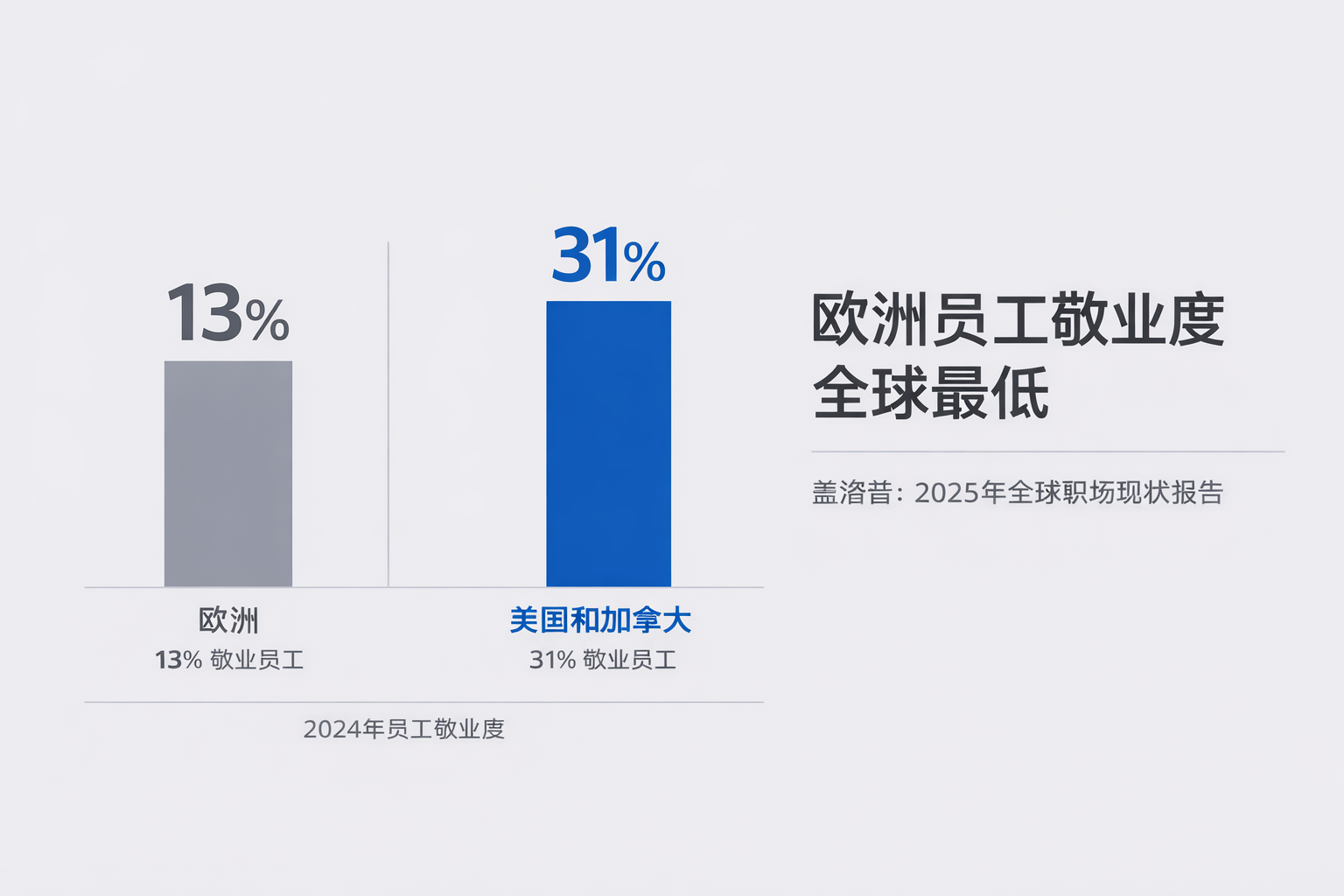
    欧洲员工敬业度仅13%全球垫底,盖洛普报告为北美HR敲响“管理者警钟” 盖洛普最新报告显示,欧洲员工敬业度全球最低,仅13%,而北美达到31%。更关键的是,问题核心不在员工,而在管理者:年轻和女性管理者敬业度大幅下滑。若全球员工充分敬业,可释放9.6万亿美元生产力。这是一份值得HR和管理层认真阅读的报告。 北美时间 2026 年1月—— 根据 Gallup 最新发布的《2025 年全球职场现状报告》(State of the Global Workplace: 2025),欧洲已成为全球员工敬业度最低的地区,仅有 13% 的员工处于“敬业”状态,显著低于美国和加拿大的 31%。该报告指出,员工敬业度持续下滑正在对全球经济和组织绩效构成系统性风险。 报告显示,2024 年全球员工敬业度降至 21%,较上一年下降 2 个百分点,由此造成的生产力损失高达 4380 亿美元。在欧洲,73% 的员工处于“不敬业”状态,另有 15% 被归类为“积极不敬业”,成为全球主要经济体中表现最弱的地区。 相比之下,美国和加拿大的员工敬业度水平保持相对领先,但同样面临结构性挑战。盖洛普指出,本轮全球敬业度下滑的核心驱动因素并非一线员工,而是管理者群体的持续承压。2024 年,全球管理者的敬业度从 30% 下降至 27%,其中 35 岁以下的年轻管理者与女性管理者降幅最为明显,分别下降 5 个和 7 个百分点。 值得注意的是,普通员工(Individual Contributors)的敬业度在 2024 年保持在 18%,并未出现显著变化。这一对比进一步强化了盖洛普的判断:管理者状态正在成为影响组织整体敬业度和生产力的关键变量。 报告同时指出,员工幸福感自 2022 年达到 35% 的峰值后持续走低。过去一年中,年长管理者和女性管理者的幸福感下降幅度最大。盖洛普将这一趋势与过去五年组织所经历的多重冲击联系在一起,包括疫情后的退休与人员流动、招聘周期的剧烈波动、数字化转型以及 AI 工具的快速引入。 在宏观层面,盖洛普测算,如果全球劳动力实现充分敬业,可为全球经济新增 9.6 万亿美元的生产力,相当于全球 GDP 提升约 9%。报告明确指出,管理者敬业度是扭转生产力下滑、改善员工幸福感并释放经济潜力的关键杠杆。 对于身处北美的人力资源管理者而言,这一报告具有重要现实意义。一方面,北美当前在员工敬业度上仍具相对优势;另一方面,管理者压力、组织变革疲劳以及对年轻和女性管理者支持不足的问题,正在显现出与欧洲相似的早期信号。 盖洛普在报告中强调,未来的敬业度提升不应仅依赖员工激励或文化口号,而需要系统性地重构管理者支持机制、领导力发展路径以及组织运作方式。这一趋势,正在重新定义 HR 在组织中的角色边界。
    Employee Engagement
    2026年01月12日
  • Employee Engagement
    员工为何离职?2025年最新报告揭示了五大意外真相 2025年离职调查基准报告汇总并分析了2022至2024年间全球及北美地区的职员变动数据。研究由McLean & Company发布,旨在揭示员工自愿离职的核心原因,例如职业晋升机会匮乏、薪酬福利以及对高层管理缺乏信任等关键因素。报告结合了疫情后的经济背景,探讨了远程办公政策和生活成本危机如何影响人才留存。除了数据对比,文中还为人力资源部门提供了针对性的行动方案,包括改善领导层沟通和优化内部人才流动。通过对比不同年龄与任职时长的群体,该资料帮助企业利用数据驱动型策略来降低流失率并增强职场吸引力。最后,报告介绍了相关的诊断工具与专业咨询服务,以支持组织的长期健康发展。推荐阅读 引言:留住人才,知易行难 在当今竞争激烈的人才市场中,如何留住顶尖员工是所有现代企业面临的共同挑战。我们常常依赖过往的经验和假设来制定人才保留策略,但这些策略真的有效吗?为了拨开迷雾,我们需要真实、客观的数据。McLean & Company发布的《2025年离职调查基准报告》(该报告分析了2022至2024年的数据)为我们提供了全新的、以数据驱动的深刻洞见。本文将为您提炼该报告中最令人意外且最具影响力的五大发现,揭示员工选择离开的真正原因。 -------------------------------------------------------------------------------- 1. 成长悖论:员工为发展而来,因停滞而走 企业在招聘时总会大力宣传职业发展机会,并理所当然地认为这是吸引人才的王牌。然而,一个令人意外且痛苦的真相是:当初吸引员工加入的首要原因,恰恰成为了他们日后离职的首要原因。报告数据揭示,“职业机会”是求职者接受新工作的最主要原因(54.6%),而“职业晋升机会”同样是员工选择离开的首要工作相关原因(44.5%)。 这暴露了企业“员工价值主张”生命周期中的一个根本性断裂。从吸引到留任,承诺与现实之间形成了巨大的鸿沟,这不仅是错失了留住人才的机会,更是在主动地制造失望情绪。 员工加入组织是为了职业成长,但往往因为缺乏成长而离开。 对于人力资源领导者而言,这意味着仅仅在招聘时描绘美好的发展蓝图是远远不够的。组织必须将承诺转化为现实,通过建立清晰可见的职业路径和提供实质性的发展项目,才能真正留住那些为成长而来的优秀人才。 2. 薪酬并非万能,但基础薪资仍是关键 在一个将“企业文化”奉为圭臬的时代,许多领导者认为卓越的文化或灵活的福利可以弥补薪酬上的不足。然而,这份数据给出了一个 sobering 的现实提醒:在“生活成本危机”和“通货膨胀压力”的背景下,基础薪酬的重要性不容低估。“基本工资”依然是员工离职时最常提及的薪酬因素(42.5%),也是所有离职原因中提及频率第二高的,仅次于职业晋升机会。 此外,引用的《2024年员工敬业度趋势报告》显示,只有47%的员工对自己的总薪酬感到满意。这深刻地提醒我们,在设计复杂的“全面薪酬”策略之前,必须先做对最基础的事情。如果作为基石的基础薪酬在市场中缺乏竞争力,那么所有其他薪酬福利的杠杆作用都将被大大削弱。 3. 领导力信心差距:问题不在于“坏老板”,而在于“弱领导” 人们常说“员工离开的是老板,而不是公司”,我们脑海中浮现的往往是微观管理、从不赞美下属的“坏老板”形象。然而,数据揭示了一个更微妙、也更令人意外的真相:员工逃离的并非是“坏”老板,而是他们不信任其能力的“弱”领导。在与管理者相关的离职原因中,排在首位的并非人际冲突,而是“对管理者领导能力的信心”(27.9%)。 这指向一个更深层次的问题,它超越了日常管理技巧,关乎员工对其上司战略方向、决策水平和整体领导力的根本性不信任。当员工对领导的能力失去信心时,他们也就对自己在团队中的未来失去了信心。 在职业生涯的某个阶段,半数美国人都曾为了‘摆脱他们的经理’而离职。 这一发现警示我们,组织需要投资于真正的领导力发展,而不仅仅是基础的管理技能培训。员工需要的不仅是一个友善的管理者,更是一个能指引方向、值得信赖的领导者。 4. 新的底线:当工作与生活失衡时 曾几何时,“工作与生活平衡”被视为一项“锦上添花”的福利。最新的数据明确指出,这种假设已经变得非常危险。如今,它已成为员工不可协商的“底线”。报告显示,“糟糕的工作与生活平衡”(26.9%)是员工离职最主要的工作条件因素,其重要性远超“歧视”或“工作环境的物理安全”等选项十个百分点以上。 外部数据也印证了这一点:57%的员工表示,如果一份新工作会对他们的工作与生活平衡产生负面影响,他们将不会接受。这份数据标志着一个重要的信号:企业不能再将工作与生活平衡视为由各个团队自行管理的软性福利。它必须被提升为一项战略性的、由组织中央支持的人才管理支柱,其重要性不亚于薪酬和职业发展。 5. C级高管的信任赤字 直接上司对员工留任的影响已是共识,但这份报告令人震惊地指出,一个更大的组织层面驱动因素是员工对最高决策层的不信任。数据显示,“对高管领导团队缺乏信任”是员工离职时最常选择的组织层面因素(31.3%)。这表明,C级高管与普通员工之间的距离可能已经到达了一个危险的临界点。 报告分析,远程工作的增加、有效反馈渠道的缺失以及持续的裁员,都可能加剧了这种“信任鸿沟”。这是一个比单一管理者问题更严峻的系统性挑战。当员工对公司的掌舵者失去信任时,他们对公司的战略、未来和文化的信心都会随之动摇,这种根基性的侵蚀远比修复一段上下级关系要困难得多。 -------------------------------------------------------------------------------- 结论:前路在何方 McLean & Company的最新数据告诉我们,员工离职并非由单一原因造成,而是一个由职业发展承诺的落空、薪酬基础的缺失、贯穿上下的领导力信心危机、个人生活底线的挑战以及组织高层的信任赤字等多种因素交织而成的复杂网络。 数据已经清晰地指出了问题所在。真正的问题是:我们准备好倾听并采取行动了吗?
    Employee Engagement
    2025年12月25日
  • Employee Engagement
    Why AI is now HR’s business Could the AI revolution also herald a revolution in HR? Generative AI is leaving many businesses in a fix. On the one hand, the potential of the technology is strikingly obvious. Since ChatGPT debuted to the public in late 2022, AI has made extraordinary advances. Coding tools can spin up micro apps from a simple prompt. Chatbots can produce instantaneous research. Video models can create studio-grade clips. Tools like these can supercharge all kinds of work, whether it’s helping create a whole marketing campaign or simply assisting an individual reason through a thorny problem. One estimate sizes the corporate opportunity at $4.4 trillion globally. Yet it can be bewilderingly hard for enterprises to realize those gains. Studies show that generative AI is having limited impact on productivity. Many organizations find themselves either stuck in pilot purgatory, or rolling out initiatives that fail to deliver ROI. Others don't even know where to start. This issue is especially pronounced for smaller enterprises. In fact, research suggests that AI is seen as the number-one challenge by four out of five small business leaders in the UK. Small firms are half as likely to have implemented it compared to larger companies. And within the small companies that have adopted AI, usage is often uneven. Seventy three percent of senior managers use it at least once a month, compared with only 32 percent of entry-level employees. This creates what Kevin Fitzgerald, UK Managing Director of the all-in-one employment platform Employment Hero, calls the “AI advantage gap.” “AI is only delivering productivity gains for some, and that’s a huge problem,” he says. “For technology to drive meaningful change, it needs to be in the hands of everyone.” Human resources (HR) departments are uniquely positioned to help manage some of the challenges around AI adoption. That’s because taking full advantage of the new AI tools available to organizations is more than just an IT project. “AI is all about job redesign, new skills, new organization structures, and new roles for leaders,” says Josh Bersin, a respected HR industry analyst and CEO of HR consultancy The Josh Bersin Company. “HR people are essential as part of companies’ AI transformations.” In practice, this kind of project tends to be easier for smaller businesses, which have fewer employees and less organizational complexity to disrupt. Bersin says that Chief Human Resources Officers (CHROs) now frequently lead AI-based organizational redesigns. Going further, almost two thirds of IT decision-makers expect their HR and IT teams to merge in the next five years, according to a recent survey. This is already happening at companies such as Moderna, the biotech firm with more than 5,000 employees, which now has a single leader covering both. “HR has a once-in-a-generation opportunity to reshape the future of work,” says Fitzgerald. “And it’s important to get this right. Bad AI rollouts can slash personal productivity in half.” So what does HR-led transformation look like in practice? Here we spotlight three ways HR leaders can set their organization up for AI success… 1. HR as pioneers Leading on AI transformation means deeply understanding training needs, integration challenges, employee resistance and—fundamentally—how and where AI offers value. This means HR professionals need real experience of those things themselves. There are many HR tasks to which both traditional machine learning and generative AI is well suited. Much of the press buzz is around recruitment—using AI to source candidates, screen CVs, and automate parts of the application process—but its impact can be much broader. The creative and communication side of the job is a natural fit for the capabilities of large language models (LLMs), which excel both in summarizing and expressing information. Whether it’s drafting job descriptions, communicating complicated policies in plain language, or managing the team’s internal knowledge, there’s plenty that an LLM can help with (so long as it offers appropriate privacy assurances). There are a range of options for deployment, from buying tools that package up an LLM for delivering on a specific use case—such as offering AI training programs or building FAQ chatbots—to simply subscribing to a frontier AI assistant like ChatGPT. The most immediate benefit is the potential gains for the HR team itself. Handing off repetitive tasks to AI can free up time. But it’s also the baseline for any HR team that is planning on leading the way in a business’ AI transformation, because credibility will be vital. That’s not to say that it should only be HR leading the charge on AI—Bersin says that more often than not having a dedicated committee with representatives from HR, legal, and IT is most effective—but it’s a necessary criterion for playing a central role. “It’s about leading by example,” says Fitzgerald. “People don’t want technology forced on them—they want to see its benefits, and be given the freedom and encouragement to explore it.” Of course, much of HR’s AI usage will be internally facing, so there’s a comms job to be done. “My advice to the HR leader would therefore be: share,” says Fitzgerald. “Share the wins that you've had, and actually put them out there to the broader business.” 2. HR as culture definers Establishing the right culture around AI is vital. “It’s the missing link in AI adoption,” says Deepali Vyas, Global Head of Data & AI at global talent advisory firm ZRG. There are two crucial reasons for this. The first is that when a company chooses to roll out AI, it can create ill feelings. People can fear it’s a prelude to cost cutting and job losses. Of course, an organization may be planning to downsize—but equally it could be planning to do more with the same number of people. Whatever the plan, be transparent. If nobody needs to worry about their jobs, tell them. If a restructure is likely, fair dealing and honesty can go a long way to attenuating resentment. HR has the authority and the skills to lead on conveying this information in the most effective and appropriate way. The second reason concerns “shadow AI.” This is where employees use AI tools of their own without telling management, either because they fear for their jobs or because they view AI as a shortcut and don’t want to pull back the curtain on how they get things done. Shadow AI is already widespread; the security firm Varonis estimates that up to 98 percent of employees use shadow AI or shadow IT in some capacity, with employees hiding their AI use out of fear of their employer's reaction. While the primary risks of shadow AI are to do with security and privacy, there is also a more systemic drawback. Top-down AI tool implementation can be important, but companies that don’t also tap into the wisdom of the crowd will miss out on AI opportunities. Generative chatbots are general-purpose tools with the most open-ended interface possible: there are countless different ways to use them, and the people best placed to figure out how this kind of AI can help your business are the people who work there. But you can’t enjoy the fruits of their experiments if they are unwilling to share how they’re using it and what they’re discovering as a result. “You really need to bring shadow AI use to the surface,” Vyas says. “In any case, banning or ignoring shadow AI is not going to make it disappear. It's only going to drive it further underground.” Bringing it out into the light is, again, a question of culture. If IT owns guardrails and platforms, and the C-suite owns vision and accountability, HR owns the people and behaviors piece. In addition to quelling fears that revealing AI usage will jeopardize jobs, HR needs to create forums to encourage sharing across all teams. This could take the form of workshops and hackathons or simply dedicated channels on Slack. There should also be incentives, so that individuals who come up with approaches that create meaningful value are well remunerated for their contributions. “There's a lot of fear versus empowerment,” says Vyas. “HR’s cultural mandate is building a culture of AI fluency, normalizing AI as a partner in work and to build trust around its use.” 3. HR as organization designers AI transformation is not just about rolling out the tools. You need teams with AI literacy, skills and mindsets—teams that are open to new ways of working and to reimagining workflows that have perhaps remained unchanged for decades. You may also need to create new roles like a Chief AI Officer, or hire specialist software developers. “It's about building that future-ready workforce,” says Vyas. HR’s expertise in recruitment and training will be crucial in this effort—only half of employees in SMEs believe their company has done a good job instilling technological know-how—and AI itself can play a powerful role in making a success of it. Forward-thinking organizations weave AI into workforce management, from how workers move internally to how they train and learn, Vyas says. “There’s personalized learning journeys, there's internal mobility recommendations, there's workforce planning tied to all of these business scenarios.” As they scale, companies may wish to rethink their org charts in light of AI. The traditional triangular org chart has been a mainstay since Brigadier General Daniel McCallum unveiled the first example in 1855. But many commentators believe that new architectures will coalesce to reflect how people work best with AI. Microsoft’s Work Trend Index Annual Report 2025 argues that the org chart will be replaced with a “Work Chart,” which it describes as “a dynamic, outcome-driven model where teams form around goals, not functions, powered by [AI] agents that expand employee scope and enable faster, more impactful ways of working.” In practice this means a flatter, more flexible operating model. Firms that have harnessed AI in this way report having more satisfied, more optimistic employees. HR will need to play a pivotal role in managing any such transformation. “That’s not only because most savvy HR leaders are also very good at change enablement,” says Bersin, “but also because this clearly would have implications for pay models, reward systems, and leadership pipeline.” What’s more, Microsoft argues that in a Work Chart world, orchestrating the interplay between humans and AI agents—and getting the balance right—is going to be an emerging area of responsibility for HR. In discharging this duty, they will need to collaborate more closely than ever with technical teams. This shift may seem radical. But, as the aphorism has it, it's easy to underestimate the long-term effects of new technologies. Vyas believes this kind of business architecture will just be “the new normal—and sooner than we might think”.   原文:https://www.wired.com/sponsored/story/employment-hero-why-ai-is-now-hrs-business/
    Employee Engagement
    2025年11月28日
  • Employee Engagement
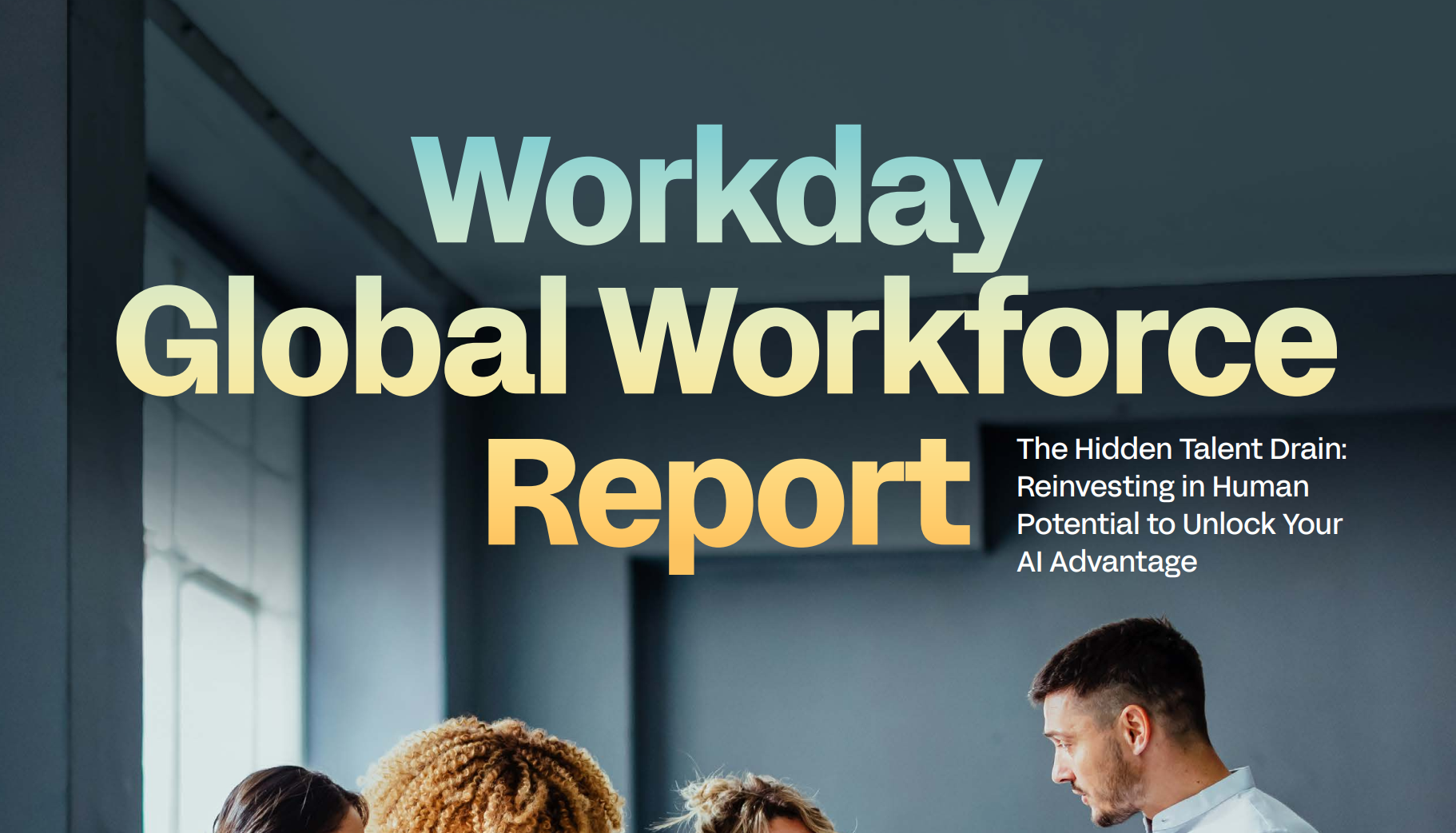
    隐性的人才危机:Workday《2025全球劳动力报告》解读 概述:Workday最新发布的《2025全球劳动力报告》揭示了一场正在组织内部酝酿的人才危机。虽然外部招聘市场依旧活跃,职位需求在2025年上半年同比增长6%,但内部情况却截然不同:晋升率在10个行业中的11个下滑,内部招聘减少8%,员工发展通道受阻。尤其值得关注的是,高绩效员工正加速离职——零售行业同比上升64%,医疗健康行业上升28%,这对企业的韧性与创新能力构成严重威胁。 报告指出,传统职业晋升路径正在失效,企业更倾向于招聘外部候选人,而内部员工缺乏成长与轮岗机会,导致敬业度和忠诚度下降。同时,AI战略的沟通不畅进一步加剧了焦虑。44%涉及AI的员工评论带有负面情绪,55%的求职者认为AI已经减少了就业机会。管理者在转型中承受巨大压力,但缺乏工具和支持,形成了“夹心层”困境。 应对这一危机,报告提出三大方向:一是重塑职业发展路径,提供横向调动、项目轮岗和技能提升机会;二是优先推动内部流动,利用数据与AI匹配人才与岗位;三是加强透明沟通,特别是围绕AI的愿景与应用,帮助员工将AI视为成长工具而非威胁。Workday自身的案例表明,以人为本的AI应用能够提升生产力与员工信心,增强战略一致性。 报告的核心结论是:未来的人才竞争关键不在于“外部招聘更快”,而在于“留住最好的人”。只有通过重建内部信任与成长路径,企业才能在AI时代保持竞争优势。 在全球劳动力市场看似稳定的表象之下,一场深层次的人才危机正在酝酿。Workday在其最新发布的《2025全球劳动力报告》中揭示了一个值得企业高度警惕的事实:外部招聘依旧活跃,但组织内部的人才发展体系正在崩塌。晋升机会锐减、内部流动停滞、高绩效员工加速出走,再加上AI战略沟通不足带来的焦虑感,正在形成一股“隐性的离职潮”,对企业的竞争力和未来发展构成巨大威胁。本文将围绕报告中的关键发现和建议,进行深入解读。 外部市场的表象繁荣与内部困境的对比 报告指出,从宏观数据看,全球招聘需求仍在上升。2025年上半年职位需求同比增长6%,某些行业甚至保持了高速扩张。例如,酒店业职位需求同比增长61%,科技与通信行业增长29%。这说明企业仍在积极寻找外部人才,尤其在疫情后快速复苏的行业中表现明显。 然而,与外部的繁荣相比,组织内部的情况却显得格外冷清。内部晋升率在过去一年下降了8%,10个主要行业中有11个出现了“晋升衰退”。这种外部热、内部冷的矛盾,正是当前人才危机的根源。表面上的招聘火热掩盖了内部人才管理的空心化,员工缺乏成长与发展的空间,导致敬业度下降和离职意愿增强。 高绩效员工的加速流失 报告中特别强调,高绩效人才正成为离职的“主力军”。 在零售行业,高绩效员工的离职率同比增长64%。 在医疗健康行业,这一数字也高达28%。 这意味着,最能创造价值、推动业绩的员工正在大量流失。他们离开的原因并不是外部市场更具吸引力,而是内部缺乏清晰的成长通道和发展空间。换句话说,他们不是“不想留下”,而是“留不下去”。 更为严重的是,这种趋势不仅仅是人员流动问题,而是组织韧性的流失。高绩效人才的离开往往带走了关键知识、客户关系和创新动力,对企业的打击远大于普通员工离职。 晋升衰退与职业发展死胡同 “晋升衰退”(Promotion Recession)是报告中的高频词。晋升率下降意味着员工在组织内部看不到未来。 内部调动和横向发展机会不足。 企业管理者更倾向于招聘外部候选人,而不是信任和培养内部人才。 这种倾向表面上似乎有利于引入新鲜血液,但长期而言削弱了组织的忠诚度和凝聚力。员工如果在企业中无法获得横向调动、跨部门学习或参与关键项目的机会,就会感到被忽视,最终选择跳槽。 因此,报告提出“重塑职业发展路径”的理念:不仅要提供纵向晋升,还要设计横向项目轮岗、技能提升和跨部门合作,让员工在不同的成长维度中保持挑战感和价值感。 AI战略沟通不畅引发员工焦虑 AI正在重塑工作方式,但报告揭示出另一个被忽视的问题:AI战略的沟通不畅。 44%涉及AI战略的员工评论带有负面情绪。 55%的求职者认为AI已经减少了就业机会。 近一半员工表示,他们对AI如何影响岗位和未来缺乏清晰理解。 这说明,虽然企业高层有明确的AI发展愿景,例如利用AI提高效率、减少低价值劳动、提升客户体验,但普通员工并没有从中看到自己的位置和未来。缺乏清晰沟通,使得AI不再是机遇,而成为焦虑的来源。 报告指出,AI的引入不仅是技术变革,更是文化转型。如果企业不能通过透明沟通、清晰的角色案例和系统性的培训来解释AI的作用,就会在组织内部制造恐慌,削弱员工对未来的信心。 管理者承受转型压力 在AI转型中,管理者的角色尤为关键。但数据显示,许多一线管理者缺乏足够的资源和支持: 他们在“变革资源和支持”的打分仅为7.06分。 在“风险评估”和“变革理由阐释”等维度上,得分也低于个人贡献者。 这意味着,管理者既要应对来自上层的战略压力,又要安抚基层员工的焦虑,却缺乏相应的工具和培训。这种“夹心层”的困境进一步拖慢了AI转型的步伐。 案例启示:Workday的EverydayAI计划 报告中引用了Workday自身的案例作为参考。通过“EverydayAI计划”,Workday在六个月内实现了显著成果: 80%的员工使用至少一款AI工具,比基准提高38%。 高绩效员工使用AI的可能性是其他人的两倍。 使用AI的员工更可能看到清晰的职业路径,并表现出更强的战略一致性。 这一案例表明,以人为本的AI战略不仅能提升效率,更能增强员工的归属感与成长感。核心在于将AI转型与文化、沟通和技能建设结合,而非仅仅依赖工具部署。 报告建议:重建内部信任与成长路径 为应对这场隐性的人才危机,报告提出了三大建议: 优先内部成长 提供可见的、个性化的职业发展机会。 将晋升、横向发展和技能培训与业务需求挂钩。 透明沟通战略方向 特别是关于AI的应用和影响,要保持一致、开放的沟通。 让员工理解AI并非威胁,而是成长的工具。 以人为本的AI应用 将AI用于释放员工时间、发现潜在机会、提升自主性和归属感。 建立反馈循环,帮助员工在使用中不断积累信心。 结语:人才危机的关键在“内部” 从宏观角度看,2025年的劳动力市场依旧活跃,但企业面临的真正挑战不在外部招聘,而在于内部人才体系的裂痕。晋升衰退、人才流失和AI焦虑并非孤立事件,而是信任和沟通不足导致的系统性问题。 未来的人才竞争不再仅仅是“招聘更快”,而是“留住最好的人”。这需要企业在AI时代重新定义职业发展与组织文化,让员工能够“在企业中成长”,而不是“绕开企业成长”。 换句话说,解决隐性的人才危机,核心不在技术,而在人心。
    Employee Engagement
    2025年09月12日
  • Employee Engagement
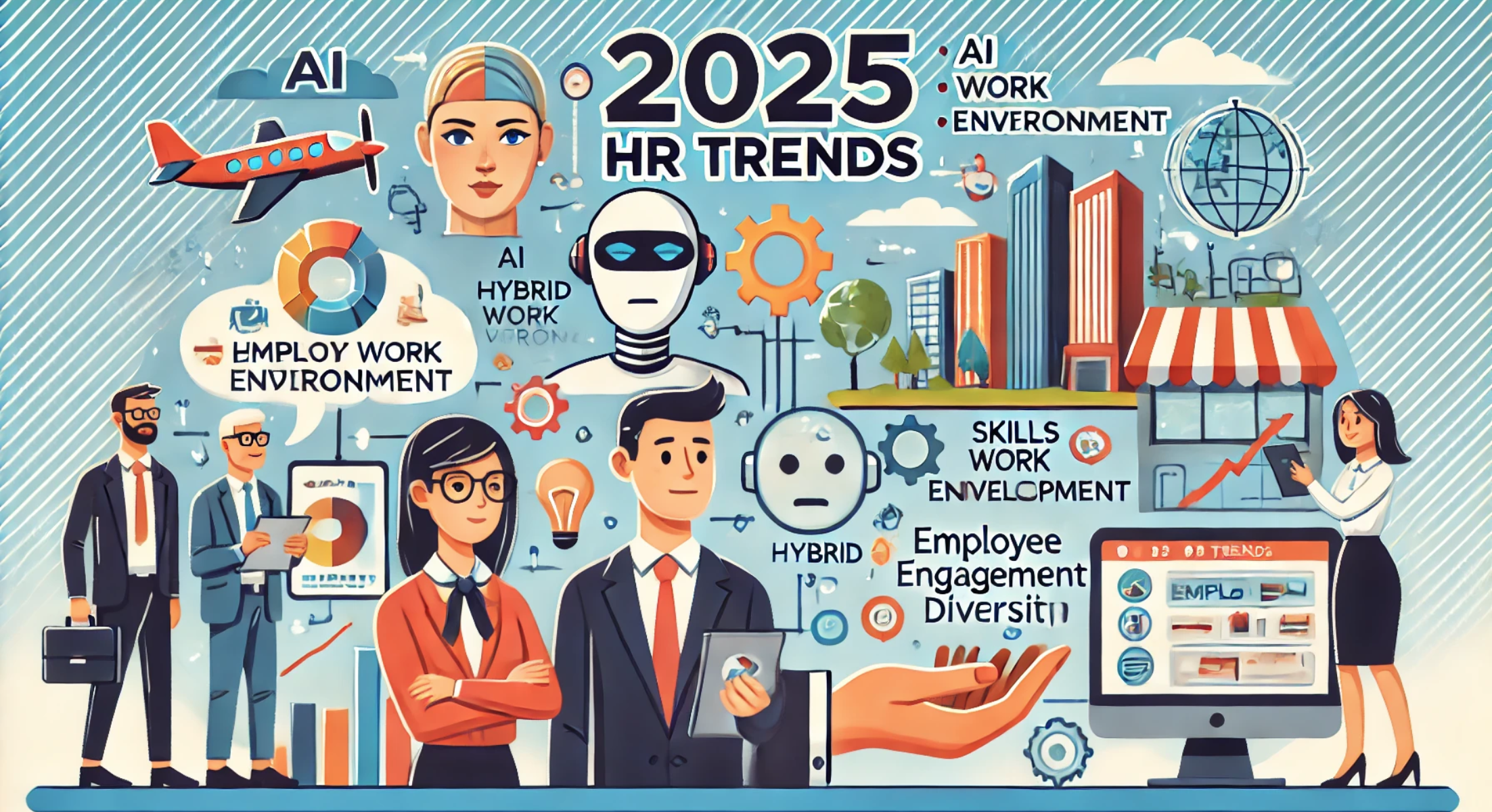
    The top 5 HR trends today – and HR's guide to what's next SAP SuccessFactors 每年都会深入研究全球 HR 趋势,以帮助企业制定更有效的人才战略。2025 年,他们分析了来自 40 家全球权威媒体的 254 项预测,归纳出 5 大核心“元趋势”,展现 HR 在企业中的双重角色:既是变革的“指挥者”,也是政策落地的“引航者”。 1️⃣ 重新连接员工: 由于经济压力、决策争议和信任危机,员工体验恶化,57% 的员工认为如果公司不采取措施,他们的倦怠问题不会改善。HR 需关注心理契约,增强员工信任。 2️⃣ AI 从炒作走向实际价值: AI 进入大规模落地阶段,企业需明确 ROI 并平衡员工和领导者对 AI 价值的不同预期。46% 的员工认为 AI 省下的时间属于自己,而非公司。 3️⃣ 技能转型的平衡策略: 由于 AI 发展迅猛,企业技能鸿沟加剧。除了关注技能,薪酬激励成为推动学习的重要因素,54% 的员工表示,如果公司实施基于技能的薪酬体系,他们会更愿意学习新技能。 4️⃣ DEI&B 的分歧: 企业对多元化、公平性和包容性(DEI&B)态度不一,26% 的员工认为公司对 DEI&B 关注过多,而 33% 认为关注太少。HR 需明确 DEI&B 战略,以促进长期文化变革。 5️⃣ 混合办公的未来: 组织已基本确定办公模式,2025 年将验证其成效。54% 的员工愿意牺牲部分薪酬,以换取更大的工作灵活性。 这些趋势展现了 HR 在塑造未来工作模式中的关键作用,企业需借助创新技术和数据驱动的洞察来优化人力资源管理。 Each year, the HR Research Scientists at SAP SuccessFactors conduct research to understand the top HR and workforce trends facing organizations and share our perspective on what HR teams should consider as they look to help their companies address these trends. This year we aggregated and synthesized data from 40 global and regional reputable business press sources that put forward 254 individual trends and predictions grounded in their own research and data. We then conducted a content analysis of the trends sample to derive the five key themes, or “meta-trends.” While our annual report always includes some pointed commentary and critique about each trend based on our expertise in psychology, new this year is calling upon our own body of original applied research to incorporate datapoints and insights, resulting in a more evidence-based point of view. This year’s trends are in different stages of maturity and on different trajectories; therefore, the role that HR needs to play to help businesses tackle and capitalize on these trends is different. We’ve organized the trends into two sections aligned to the dual role HR will play in addressing them. First, HR will need to act as a Conductor, leading the orchestration of a strategy and associated change management across the business to realize the opportunities these trends offer: Trend #1: Reconnecting the disconnected employee: Contentious decisions, macroeconomic and sociopolitical stressors, and breached trust with leadership has led to employee stress and burnout – and consequently, a crisis of disconnect and counterproductivity. In the year ahead: Leaders must ruthlessly prioritize fulfilling their end of the “psychological contract” by meeting employees’ basic needs. People managers will be seen as a lifeline for employees drowning in disconnect. STAT: 57% of employees feel unless their companies make some serious changes, their burnout will not get better. Trend #2: Moving from AI hype to AI impact:Organizations are shifting from AI pilot projects to enterprise-wide rollouts, demanding proof of clear value and ROI. In the year ahead: Organizations will home in on their key value drivers for AI, revealing their true priorities. The body of research on the ROI of AI will be built this year. Organizations will find friction between leaders’ and employees’ goals for using AI. STAT: 46% of employees feel that the time that they save by using AI tools at work belongs to them, not their organization.​ Trend #3: Striking a balance to steer skills forward: Organizations continue to face pervasive skills gaps, in part due to rapid AI advancements. A more balanced approach is needed to see tangible progress in skills-based transformations this year. In the year ahead: “Skills-based” will no longer be the only goal. Pay will prove itself the missing piece of the upskilling puzzle. The human vs. technical skill debate will move from or to and. STAT: 54% of employees would be more motivated to learn new skills if their company instituted skills-based pay.​ Second, HR will need to act as a Navigator, leading the organization through precarious waters and circumventing obstacles to put policies into practice for the betterment of all stakeholders: Trend #4: Divesting or doubling down on diversity, equity, inclusions, and belonging (DEI&B): Some organizations remain committed to DEI&B goals, continuing to ask “How are we going to do this?” Others plan to divest, instead now asking “Are we going to do this?” In the year ahead: Some will shy away from DEI&B goals, but these approaches will vary. Taking a stand on DEI&B will change company cultures in the long term, but it’s not clear exactly how. STAT: 26% of employees say companies focus too much on DEI&B, 41% of employees say companies focus an appropriate amount on DEI&B, and 33% of employees say companies focus too little on DEI&B. Trend #5: Plugging into or pulling the plug on hybrid work: Now that organizations have determined their position on where their employees will work, it’s time to see if they achieve the outcomes they intended. In the year ahead: Those businesses choosing the return-to-office path will see whether their bets paid off this year. Those choosing the hybrid or remote path will take it a step further, integrating autonomy as a core value in other aspects of work design. STAT: 54% of employees would consider being paid less if they could have more flexibility in where and when they work. Read the report to see what’s now and what’s next for each trend, along with some fast facts that uplevel the nerdiness of this year’s trends report. We also include a section on how SAP SuccessFactors solutions can help organizations address the 2025 HR trends.
    Employee Engagement
    2025年03月07日
  • Employee Engagement
    Josh Bersin: Understanding the Path to CHRO Josh Bersin 最新研究揭示 CHRO 成长轨迹与未来挑战!近年来,首席人力资源官(CHRO) 这一角色正在经历前所未有的变革。最新发布的 《Understanding the Path to CHRO》 报告(点击可以下载报告,同时附录在文章后),基于对 20,000 多名 CHRO 的数据分析,深入研究了 CHRO 的成长路径、核心能力及全球 HR 领导者如何适应企业需求的变化。 该研究揭示了HR 从传统行政职能向战略核心的转型趋势,同时发现: 75% 的 CHRO 来自外部招聘,内部继任计划严重不足。 CHRO 逐步迈入 C-suite,13% 进入企业最高薪酬前五名,相比 30 年前增长 26 倍。 四类 CHRO 发展路径浮出水面:职业型 CHRO(Career CHRO)、企业型 CHRO(Company CHRO)、业务型 CHRO(Business CHRO)、运营型 CHRO(Operations CHRO)。 具备国际化经验的 CHRO 绩效更高,75% 的高绩效 CHRO 曾在海外工作。 政治学、经济学背景的 CHRO 更具影响力,而 HR 专业背景反而在高绩效公司中占比最低。 从这些数据来看,CHRO 角色不再是简单的人才管理者,而是企业变革的推动者、业务战略的支持者、AI 与科技革新的领导者。那么,中国的 HR 领导者如何才能成长为具备全球视野的 CHRO?本文将从CHRO 角色的转型趋势、职业路径、核心能力模型及中国 HR 的成长路径四个方面展开分析。 报告下载地址:https://www.hrtechchina.com/Resources/59250FA4-A800-58D9-5CE6-76E4DBC4F82A.html ? CHRO 的转型趋势:从 HR 负责人到企业变革领导者 传统 HR 主要聚焦于招聘、薪酬管理、劳动合规等事务性工作,过去常被视为“后勤支持”部门。然而,随着 全球劳动力市场变化、AI 赋能 HR、企业运营模式调整,CHRO 的角色发生了深刻变化: 1️⃣ CHRO 从 HR 服务交付者转变为业务战略伙伴过去 HR 被认为是支持职能,而今天,CHRO 需要直接参与企业战略决策,关注人才如何驱动业务增长。例如,疫情后全球远程办公兴起,CHRO 需要设计全新的组织架构、推动员工体验升级、调整绩效激励模式,以适应新的工作模式。 2️⃣ AI 与数字化重塑 HR 角色AI 和 HR Tech(人力资源科技)正在改变 HR 的运作方式。CHRO 不仅需要理解 AI 招聘、数据驱动绩效管理、智能学习平台,还要在组织中推动这些技术的应用。例如,采用 AI 进行人才画像分析、通过自动化面试减少招聘成本、利用数据分析优化员工保留率。 3️⃣ 全球化人才流动与多元化管理企业越来越依赖国际市场,CHRO 需要具备 跨文化管理、远程团队领导、国际雇佣合规 的能力。报告发现,在高绩效公司中,75% 的 CHRO 具备国际工作经验,这说明全球视野已成为 HR 领导者不可或缺的竞争力。 ? 四类 CHRO 发展路径:你属于哪一类? 研究报告将 CHRO 的职业路径划分为 四种主要类型,每种路径各有优势和挑战: 1️⃣ 职业型 CHRO(Career CHRO)——最常见的路径 通过在不同公司担任 HR 领导职务不断晋升,占比 73%。 优势:具备跨行业 HR 经验,能从外部引入最佳实践,拥有更广阔的专业网络。 挑战:对新公司的文化和业务理解较浅,缺乏长期稳定的 C-suite 关系。 2️⃣ 企业型 CHRO(Company CHRO)——公司内部晋升 在同一公司内部从 HR 经理逐步晋升为 CHRO,占比 17%。 优势:深谙企业文化和业务流程,与内部管理层关系紧密。 挑战:缺乏外部视角,可能难以推动 HR 变革和创新。 3️⃣ 业务型 CHRO(Business CHRO)——来自业务部门 从 销售、运营、市场等业务部门 转型进入 HR,占比 8%。 优势:更能理解业务需求,与 C-suite 关系更紧密,推动 HR 战略落地能力强。 挑战:缺乏 HR 专业知识,需要依赖强大的 HR 团队支持。 4️⃣ 运营型 CHRO(Operations CHRO)——来自行政管理 从 财务、法务、风控、合规等行政职能 转型进入 HR,占比 2%。 优势:擅长数据分析、预算管理、企业治理。 挑战:缺乏人才管理经验,对 HR 战略落地理解较弱。 ? 在北美工作的华人 HR 领导者如何突破瓶颈? 在北美职场,华人 HR 面临 文化适应、晋升壁垒、C-suite 话语权较弱 等挑战。如何突破天花板,成长为 CHRO? ? 1. 强化本土商业思维,提升 C-suite 话语权 深入了解北美商业环境、企业运营模式、行业趋势。 参与跨部门会议,与 CEO、CFO 直接对话,培养以业务为核心的人才战略思维。 ? 2. 培养影响力,突破“华人 HR 只擅长执行”的刻板印象 多发声,多展示成果:在公司内外分享 HR 变革案例,塑造领导者形象。 主导 HR 变革项目,例如推动 AI 赋能招聘、优化薪酬激励机制,提升 HR 价值感。 ? 3. 争取国际轮岗机会,提升全球 HR 领导力 申请企业的跨国 HR 轮岗项目,拓展跨文化管理经验。 参与 国际 HR 论坛、北美 HR 高管社群,建立全球视野和人脉资源。 ? 4. 选择适合的 CHRO 职业路径 喜欢跨行业挑战?选择 职业型 CHRO 路线。 想深耕企业文化?适合 企业型 CHRO 发展路径。 具备销售、运营经验?向 业务型 CHRO 方向发展。 ? 5. 强化数据与 AI 能力,掌握 HR 科技趋势 学习 数据分析、AI 招聘、人才预测建模,让 HR 决策更具数据支撑。 掌握 HR Tech 生态系统,推动数字化 HR 变革,提高 HR 部门的战略价值。 ? 结论:北美华人 HR 需要突破自我,成为“全球 CHRO” 要成为北美企业的 CHRO,仅靠 HR 知识远远不够,商业思维、数据能力、影响力、全球化经验都是必备技能。北美华人 HR 需要打破行业天花板,成为推动企业变革、掌控未来人才战略的全球化 CHRO 领导者!
    Employee Engagement
    2025年02月17日
  • Employee Engagement
    HiBob:HCM 市场中快速成长的新领导者 HCM 市场规模达 110 亿美元,为各种规模的公司提供人力资源和薪资平台。知名领导者(Workday、SAP SuccessFactors、ADP、UKG、dayforce)都是对该领域了解多年的高管。由于这些公司在市场上拥有多年的经验,他们拥有成千上万的客户,因此他们了解全球人力资源部门、经理和薪资团队的复杂需求。 然而,尽管市场具有传统性质,但颠覆正在发生。公司对这些系统的可用性、缺乏灵活性以及其架构限制的脆弱性感到沮丧。在大多数情况下,当你建立人力资源系统时,你会对职位层次、职位级别、薪资等级和组织结构做出许多决定。一旦你做出了这些决定,它们就很难改变。这意味着随着时间的推移,系统变得越来越难用,因此公司在上面叠加了几十种人才管理工具。 这些系统对于员工来说也很难使用。这些系统最初是为人力资源部门开发的,现在大多数系统都有移动界面和门户供管理人员和员工使用。由于 Agentic AI 的出现,大多数系统都在构建聊天前端。尽管如此,其复杂程度很难掩饰,因此许多公司对员工“隐藏”了 HCM,并在其上构建了复杂的门户。ServiceNow 的迅猛发展就是明证,它推广了员工体验层的概念,可以保护员工免受 HCM 的困扰。 大约十年前(2017 年),我遇到了 Ronni Zehavi,他是一位经验丰富的科技企业家,也是当时 HiBob 的新任首席执行官。他的愿景是建立一个“人员管理”系统,该系统不是为后台办公室设计的,而是为经理和员工设计的。我们广泛讨论了最初的想法,即打造“人力资源的 Instagram”——一个如此优雅和美丽的东西,任何人都能立即看到它的价值。 我警告 Ronni,这个问题比想象的要复杂得多。他听了我的劝告,但还是继续前进,为 Bob 构建了一个具有现代、优雅、引人入胜界面的 HCM 平台,使 Bob 的“人人享有 HCM”愿景成为现实。 与我看到的许多 HCM 产品不同,Bob 的使用案例始于员工和经理。因此从一开始,该系统就旨在帮助领导者管理他们的团队,提供易于使用的工具,用于创建个人资料、日历、团队员工识别、组织结构图、通信和警报。用户体验至今仍然令人兴奋,它有趣、易于理解,并且以通用的商业语言编写。 (顺便说一下,HiBob在 G2 中的评分为 4.5 ,这对于企业软件来说是一个很高的评分。) 虽然前端看起来“简单”,但该系统从一开始就具备企业功能。虽然 HiBob 最初将其出售给规模较小的科技公司,但他们很快意识到其最初的核心市场更大,几乎涵盖了以人为本的行业中所有快速增长的公司。 VaynerMedia 和 Fiverr 等公司招聘人数众多,非常注重文化和参与度,人力资源团队人手不足。Bob 非常擅长薪酬管理、分析、DEI 和绩效管理,这些都是所有公司都需要的东西,但很少有公司愿意购买每个领域的专业产品。 (几年前,我们 Josh Bersin 公司实施了 Bob HCM 平台,基本上在一个周末就完成了配置。) 随着公司业务的增长,对功能的需求也随之增长。因此,在 2023 年和 2024 年,HiBob 推出了 Bob Hiring、其 ATS(申请人跟踪系统)、Bob Learning、其 LMS 和 UK Payroll,为传统的薪资运营提供了一种现代化的方法。通过今年早些时候对Pento 的战略收购(Ronni 的团队是一家技术巨头),HiBob 获得了提供灵活薪资方法的技术,并计划在 2026 年提供美国薪资服务。 在此过程中,HiBob 始终专注于“企业软件消费化”,成为少数成功破解用户体验密码的 SaaS 公司之一。作为一名用户,我不得不说它不仅功能丰富,而且使用起来真的很愉快。 让我来谈谈使命。大多数 HCM 供应商一开始都关注员工,但很快就被拖入人力资源的神秘需求中。即使是世界上最大的 HCM 供应商 ADP(以客户数量衡量),也不得不强迫自己随着时间的推移构建越来越易于​​使用的前端。正如您所见,HiBob 仍然认为 Bob 是一个“业务增长平台”,而不是一个“管理人力资源”或“向领导者提供可操作的人力资源数据”的系统。(Rippling 也是这么认为的。) 这让 HiBob 实现了快速增长,我称之为“颠覆者”地位。其他颠覆者包括美国的 Rippling 和 Lattice、亚洲的 Darwinbox 以及薪资供应商(Paychex、Paycor、Paylocity、Gusto 等),它们各自都在构建 HCM 平台。 当然,我们不得不提 ADP,它仍然以自己的方式具有颠覆性和创新性。ADP的 Lyric HCM建立在高度自适应的架构之上,拥有市场上最先进的灵活性,但它针对的是大型分布式企业。 这个领域的每个供应商都很聪明、创新且充满热情。UKG 推出了整个代理 AI 平台,任命了一位新 CEO,并致力于让小时工雇主成为最佳工作场所。Workday继续创新,将 AI 注入其平台并与专注于行业的顾问合作。而 SAP SuccessFactors推出了我目前见过的最先进的 AI 系统(Joule),集成了所有 SAP 应用程序。 尽管进行了所有这些创新,HiBob 仍在继续发展。去年,该公司增长了 40%,目前拥有 4,200 多名客户和 1,100 名员工。随着公司扩大产品和销售团队,它现在看到了成为“您一直想要的 HCM 平台”的机会。换句话说,他们正在瞄准快速增长的中型公司,在这些公司中,Workday 和其他传统企业解决方案过于复杂,无法证明其成本合理性。 HiBob 将其称为“现代企业”,这一定位很有道理。Workday 是 2000 年代中期“第一个采用云计算”的公司,并确立了其作为该代技术的“现代系统”的地位。HiBob 认为,其高度灵活的平台、快速的价值实现时间和类似 Instagram 的用户界面使其有可能赢得基于当今架构的“下一代快速增长公司”。 (即将推出的 AI 功能令人印象深刻:招聘电子邮件生成器、智能课程生成器、能力库生成器、工作目录构建器、调查构建器以及经理和员工自助服务工具。) 虽然所有这些都是有道理的,而且很少有 HCM 供应商以每年 40% 的速度增长,所以我认为故事归根结底还是执行力。Rippling是一个了不起的创新者,拥有我见过的最积极的销售团队之一(我经常接到他们的电话)。ADP 是各方面的创新者:工资服务、数据和基准测试、AI 界面以及最终将基于Lyric HCM 的一系列底层平台。Workday 正在与集成商合作,并为较小的公司重新包装其系统。而像 UKG 和 dayforce 这样的供应商正在加倍投入先进功能来吸引这个市场。 就 HiBob 而言,我认为其活力、激情和快节奏的工程文化发挥了一定作用。Ronni 继续领导该组织,他拥有精明的商业领导力、丰富的技术经验和不断学习的谦逊态度等独特优势。我认为这是一家值得关注的公司,在任何像 HiBob 这样充满活力的市场中,HiBob 的成功都将推动其他公司更快地发展。
    Employee Engagement
    2024年11月24日
  • Employee Engagement
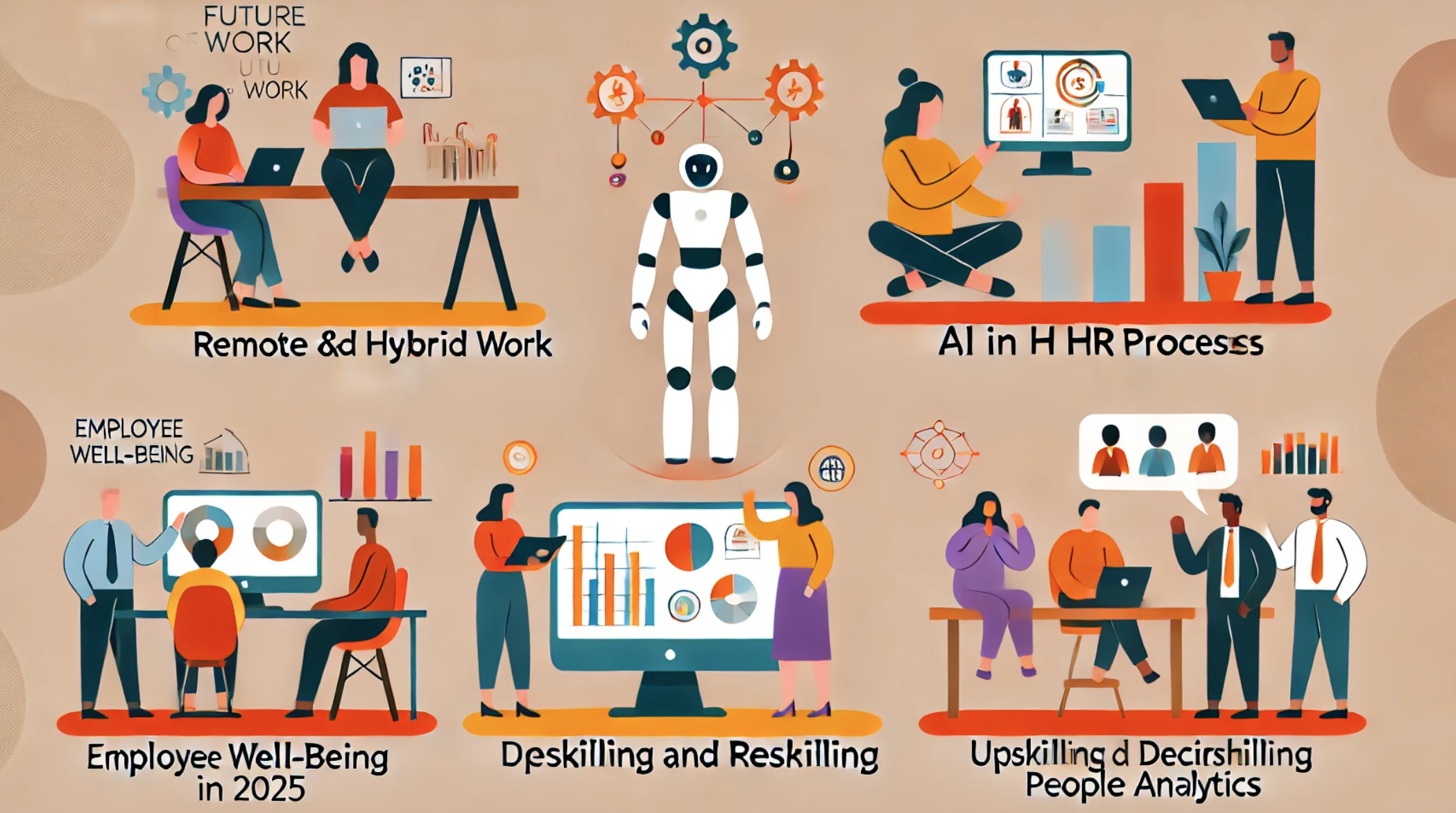
    2025年HR领域的6大关键趋势:迎接未来工作的变革 随着技术的进步和员工期望的不断变化,2025年的人力资源管理将面临前所未有的挑战和机遇。以下是六大关键趋势,它们将推动未来职场的发展: 1. 远程和混合办公模式的普及 远程和混合办公已成为员工最期待的工作形式。2025年,更多企业将采用灵活的工作安排,不仅能提高员工的满意度,还能减少运营成本。HR团队需要确保远程员工享有与办公室员工相同的支持和资源。 2. 人工智能(AI)深度融入HR流程 AI技术正在快速改变HR流程,如招聘和绩效管理。2025年,AI将更加普及,帮助HR自动化日常任务,并提供数据洞察以优化决策。但企业在使用AI时必须保持透明,定期进行偏见审查。 3. 强调员工健康和心理健康 员工心理健康在疫情后成为企业的首要关注点。到2025年,企业将进一步加大对员工健康的投入,如提供灵活的工作安排、心理健康资源等,以提高生产力并减少员工流失。 4. 多样性、公平性和包容性(DEI) DEI是未来工作的核心。2025年,更多公司将推进多元化招聘和公平政策,培养包容性的企业文化,以推动创新和更好的决策。 5. 技能提升与再培训 技术的快速发展导致技能过时的速度加快。到2025年,50%的员工需要再培训。企业将需要投资于员工的持续学习计划,以确保其技能与未来工作需求匹配。 6. 人才分析的兴起 人才分析通过数据驱动决策,使HR能够更有效地管理员工并优化业务成果。2025年,企业将加大对数据工具的投入,提升HR决策的科学性和精准性。 2025年,企业若能掌握这些趋势,将在未来职场中占据竞争优势。
    Employee Engagement
    2024年10月19日
  • Employee Engagement
    The Key to a Thriving Workforce? A Smart Approach to AI 微软的最新数据强调了人工智能对员工赋权、活力和生产力的积极影响。领导者可以通过关注其员工队伍是否在“繁荣”中来促进良好表现,微软将“繁荣”定义为被赋予权力和充满活力地进行有意义的工作。员工信号调查显示,人工智能的使用能通过减少乏味工作并促进有意义的工作来提高生产力、努力和影响。人工智能工具还与更高的赋权和活力得分相关,表明员工队伍的“繁荣”。成功的关键在于将人工智能与支持性文化相结合,提供必要的培训,并使人工智能项目与公司目标保持一致。 New data reveals how access to AI can help employees feel more empowered and energized, and find more meaning in their work. what’s the best way for leaders to foster good performance? How can they tell if their efforts are successful or not? Often, companies try to answer these questions by measuring metrics like engagement or financial results. And while those are critical to business success, at Microsoft, we also want to explore whether the workforce is thriving. “Thriving has become the North Star for how we understand employees,” says Microsoft VP of People Analytics Dawn Klinghoffer, who leverages data to help leaders understand and improve employee’s experience. “We define thriving as being empowered and energized to do meaningful work. Are people excited to come to work every day, excited about the opportunities ahead?” One of the ways we gauge this at Microsoft is with our Employee Signals survey, a biannual company-wide poll. The recent results not only offered insights into the tangible benefits of thriving, they also uncovered a key catalyst for fostering it: access to AI. The Benefits of Thriving We are focused on fostering a culture of thriving because our research suggests that doing so can boost how effective our workforce perceives itself to be. We also found that employees who are thriving are likely to have the highest scores on our indicators of high performance, like productivity, effort, and impact Additionally, survey results suggest that employees who are thriving are more likely to go above and beyond what is expected of them. They take more pride in their work and they are less apt to look for employment elsewhere. Recent Employee Signals survey results give us some new insights about what it means to thrive in this new era of work. We discovered that higher scores on what we’ve identified as the most important factors that support thriving—finding meaning in work, feeling empowered, and feeling energized—also translate to a measurable boost in productivity. Furthermore, access to AI seems to correlate with higher scores on each of these pillars. Meaningfulness: According to our data, employees who find their work meaningful are 59% more likely to say they are productive at work—and 28% more likely to say they put in extra effort. Key to that is minimizing time spent on tasks that don’t feel meaningful. This is where AI comes in: AI assistants can lighten the load by generating rough drafts, sifting through piles of data, or simply acting as a sounding board and brainstorming partner to help people nail down a plan of action. Crucially, incorporating AI into the day correlated to a 20% jump in scores relating to meaningful work. “What we find is that AI is really there to help you take friction and toil out of the system, and to remove the drudgery of work,” Klinghoffer says. “And when people are able to remove some of that drudgery, we see that they’re more productive, and they thrive more.” Empowerment: Survey results also point to a future in which AI empowers people in their jobs. People who are empowered do not feel they have resource constraints, and they aren’t overburdened with people telling them how to do their work, Klinghoffer says, “so they have more freedom to do things the way they want and need to get the job done.” Access to AI tools and resources, we found, correlated to 34% higher scores for questions related to empowerment. Energy: Our employees who say they feel energized are 44% more likely to say they feel proud of their work, and 22% more likely to say they take the initiative to be productive and put discretionary effort into their work. All levels of AI use— learning about it, grasping its value, incorporating it into processes and products, or simply having AI resources—correlated to higher reported energy levels. In fact, scores on energy-related questions for those using AI jumped almost 27%. These results offer solid evidence that AI can be a catalyst for thriving and high performance. But how a company goes about making AI available will determine whether the company can reap these benefits. If employees are equipped with the right knowledge, tools, training, and resources to leverage AI in their work, they can begin to tap the full potential of an AI companion. The key to success, Klinghoffer says, is integrating AI in a way that spans culture, learning, and people management. That way, everyone will understand how AI can help them focus on the most meaningful work. The ABCs of Thriving with AI Klinghoffer recommends keeping the following blueprint top of mind. Accelerate alignment: Strengthen connections between employees, the company’s mission, and the transformative potential of AI. Clarify how AI initiatives align with the company’s goals and employees’ roles. Celebrate contributions to AI projects to highlight their impact on the company and customers. “Employees who felt more connected to the mission and really understood how their work fits into the larger system were also the ones who were really thriving,” says Ketaki Sodhi, Senior HR Data Analyst at Microsoft. “When we looked at Copilot and employee sentiment around AI, these were also the folks who were willing to experiment and find ways to use AI to take some of the drudgery out of the day-to-day.” Smart leaders should seek out those internal champions and offer them support and encouragement. Be inclusive: Create an environment where all employees feel equipped to engage with AI. This includes providing AI education, training, and resources, as well as fostering a culture of innovation and supporting a safe space for experimentation. Regular check-ins and feedback sessions can help employees express concerns and share ideas related to AI. Once users are encouraged and equipped to explore the possibilities of AI, our research suggests that a time savings of just 11 minutes a day is all it takes for them to start to appreciate its value. Cultivate collective growth: Create a culture that empowers employees to decide how to do their best work, while investing in moments that matter together. Provide employees with the flexibility to plan their days and create time to meaningfully engage with AI. Encourage them to explore how AI can help them free up time for creative and strategic work. Then highlight use cases and foster collaboration among teams to encourage knowledge sharing. Collective growth encompasses in-role experiences (how do we create time and space for employees to learn within their role?) and beyond (what comes next for me? Is there a viable career that excites me at this company?). AI can help with both—by eliminating the drudgery that keeps employees from doing more creative work, and by facilitating positive employee movement. “You see a huge boost. People get excited doing something new, growing their skills and experiences, and furthering their career,” Klinghoffer says. “A couple of months ago on my team we had people who were interested in a different role raise their hands, and we facilitated changes for about 20% of my org.”
    Employee Engagement
    2024年06月24日
  • Employee Engagement
    世界幸福报告能教给我们关于工作的什么? What The World Happiness Report Teaches Us About Work 最新《世界幸福报告》揭示,尽管经济增长,美国幸福感下降。研究强调,高薪并非幸福的关键,而公平薪酬、良好的企业文化才是。特别是年轻人,受到气候变化、政治纷争等影响,幸福感低落。企业需关注文化建设、弹性工作,关照员工心理健康。工作场所的信任、社区感和公平至关重要。我们要反思:真正的幸福是什么? 我每年都认真研读《世界幸福报告》,今年的报告特别引人深思。以下是我对一些关键发现的解读。 首先,美国的幸福指数(10分满分)降至第23位,比全球最幸福的国家芬兰低了13%。实际上,在过去15年中,美国的幸福度几乎下降了8%,呈现出持续的年降趋势。对于我们这些生活在美国的人来说,这可能并不陌生:坏消息、政治争斗以及人们在价值观上的分歧似乎无处不在。 这一切发生的同时,美国的GDP增长却持续领先世界上大多数主要经济体。这意味着我们作为一个国家正在变得更加富裕,却显著地变得不那么幸福(下文将详细解释)。 从企业角度来看,这个观点很简单:仅仅提高薪资并不能使人们感到更加幸福。尽管每个人都希望得到公平的报酬,但高薪酬并不直接转化为高参与度。我们2023年的《薪酬公平终极指南》发现,与薪酬水平相比,薪酬公平与员工参与度的关联性高出7倍。 其次,报告指出,在美国,年轻人的幸福感明显低于老年人(这一点并非在所有国家都适用,但在大多数发达国家中是这样的)。在美国,30岁以下人群的幸福评分为6.4,而60岁以上人群的评分为7.3,幸福度低了12%。我们对年轻人的这一低幸福评分使美国在全球青年幸福排行榜上仅位列第62位,远低于我们的总体排名。 这反映出我在上周播客中讨论的现象。如今的年轻工作者担忧全球变暖,他们在年轻时就经历了疫情的冲击,他们对于战争、通货膨胀、社会问题以及政治不和感到沮丧。埃德曼信任度量尺表明,年轻人认为相比政府,企业在为社会带来创新方面更值得信赖,高出近20%。但令人担忧的是,这种信任程度也在下滑。 从企业的视角来看,这进一步强化了播客中提到的观点:我们(美国)的劳动力中位年龄现已达到33岁。这表明许多关键员工对生活的热情有所下降,这迫使雇主需要采取更多措施。我们对企业文化、员工福祉、工作灵活性和个人成长的关注,现在比以往任何时候都显得更为重要。这就是像四天工作周、灵活工作时间以及其他诸多福利(如生育支持、儿童看护、心理健康、健身、财务福利)变得越来越普遍的原因。 (最新的劳动统计局数据显示,我们在福利上的支出占工资总额的31.1%,比三年前的29%有所增加。在信息行业,这个比例高达35.5%,是有史以来的最高值。) 此外,重点强调:对企业来说,重振早期职业发展计划至关重要。许多企业在20世纪60、70年代建立了这些计划,但随后这些计划逐渐被忽视。如果你正在从大学招聘顶尖人才,并投资于校园招聘(这一趋势正在上升),那么确保你有一个坚实的1-2年发展计划、工作轮岗以及面向年轻人的群体参与计划是非常重要的。我最近与康卡斯特讨论了他们的计划,他们的早期职业发展计划正在直接为他们的领导力管道做出贡献。 第三,也是最引人注目的一点是,报告强调了社会关系和信任在幸福感中的巨大作用。进行这项研究的学者团队发现,幸福感的“坎特里尔阶梯”(一个简单的“你觉得自己多幸福”的1-10评分问题)可以分解为六个贡献因素: 人均GDP(财富)、社会支持(密切关系的数量和质量)、预期寿命(健康)、生活选择的自由(按个人意愿生活的能力)、慷慨(向他人给予金钱和时间的倾向)以及腐败感知(相信“系统”是公平的)。 这些因素对幸福的贡献度大开眼界。 令人惊讶的是,社会关系是幸福感的最大贡献者,而健康只占大约1.4%。请注意,第二重要的因素是对腐败的感知或者说是公平感,这解释了为什么薪酬公平非常重要。我们再次发现,财富对幸福感的影响相对较小。 这对我们的工作有何启示? 这里有一些简单的启示: 关系很重要。如果管理层和主管不能建立起团队合作感,员工便会感到不适。尽管我们面临财务和运营压力,但我们仍需抽时间了解员工、倾听他们的声音,并与他们共度愉快时光。通过聚集人员并创建跨功能团队,我们即使在远程工作情况下也能建立社交关系。 信任至关重要。我曾在高层领导贪婪、不忠、不诚实的环境中工作过,公司内的每个人都能感觉到这一点。信任是经年累月建立起来的资产,我们必须不断地进行投资。通过道德、诚实和倾听来培养信任,你的领导模式中包含了这些元素吗? 薪酬的影响可能比你想象的要小。虽然每个人都希望赚更多钱,但人们更希望感觉到奖励是公平且慷慨的。因此,不应仅仅过度奖励表现突出的员工,而忽视其他人的努力。 生活选择的自由极为重要。众多研究显示,与薪资相比,员工更加重视工作的灵活性,因此,考虑将四天工作周和灵活工作选项作为你的雇佣政策的核心部分是非常重要的。 多年前,我在一个人力资源领导者的大型会议上发表了关于企业公民责任的演讲。我指出,公司就像小型社会一样,如果我们的企业“社会”不公平、不透明、不自由,那么我们的员工就会感受到痛苦。演讲结束时,我不确定听众的反应如何,但来自宜家的一大群人向我走来,给了我一个热情的拥抱。宜家这家公司,深深植根于瑞典的社会主义文化,是地球上最长久的公司之一。他们真心相信集体思维、公平和对每个个体的尊重。 原文来自:https://joshbersin.com/2024/03/what-the-world-happiness-report-can-teach-us-about-work/
    Employee Engagement
    2024年03月22日
  • 12