是时候重塑人才招聘了 -Research Shows It’s Time To Reinvent Talent AcquisitionJosh Bersin 的文章 "研究表明,是时候重塑人才招聘了 "强调了人才招聘亟需进行的变革。由于只有 32% 的人力资源高管参与战略规划,而且许多人觉得自己只是个接单员,因此这篇文章呼吁进行战略改革。在劳动力短缺和急需技能型招聘的情况下,目前削减成本和减少招聘力度的方法与对技能型专业人才日益增长的需求相矛盾。文章敦促企业将人才招聘作为一项重要的战略职能,利用现代技术并将其与学习和发展相结合,以提高效率并关注内部人才流动。
原文如下:
This week we published a disappointing research study, Talent Acquisition at a Crossroads. The study, conducted in partnership with AMS, points out that talent acquisition leaders (this is a senior position) are largely left out of their company’s strategic planning process and many feel they operate as “order takers.”
In today’s world of labor and skills shortages, this is a wakeup call for change.
Here’s the data:
Among these 130+ HR executives only 32% are involved in any form of strategic workforce planning, 42% believe their company has no workforce plan at all, and 46% say “they’re running around to keep up.” And when layoffs do occur, often the recruiters go first. (Witness Tesla this week.)
All this is happening in a world where 58% of companies feel skills shortages are significantly impacting their business plans, more than three-quarters believe they must transform their talent practices to grow, and “skills-based hiring” is a top priority yet difficult to implement.
Here’s the paradox: companies are cutting their talent acquisition spending at the same time CEOs feel that skills shortages are getting worse. What’s going on?
Talent Acquisition Needs A Reinvention
Let’s just face it: recruiting as a business function has to change. Once considered the “staffing department,” where companies posted jobs and scanned resumes, talent acquisition has become highly strategic operation. What skills do we need? How do we find people who will fit our culture? What internal candidates should fill our key positions? Who are the right leaders for us to hire?
Unfortunately, almost 80% of talent acquisition functions are quite tactical. PwC’s CEO survey found that CEOs rate “hiring” as the third most bureaucratic process in their companies, tied with “too many emails” and “too many meetings” as a time-wasting process. And that explains why two-thirds of TA leaders are being asked to cut costs.
I had a conversation last week with a former TA leader for one of the Big Three automakers. He told me that in the fervor to hire staff for EV engineering he was asked to hire “any engineer he could find, regardless of skill,” because the company was in such a hurry. No time for skills assessment, competitive planning, or even location analysis. Just “go out there and hire engineers.”
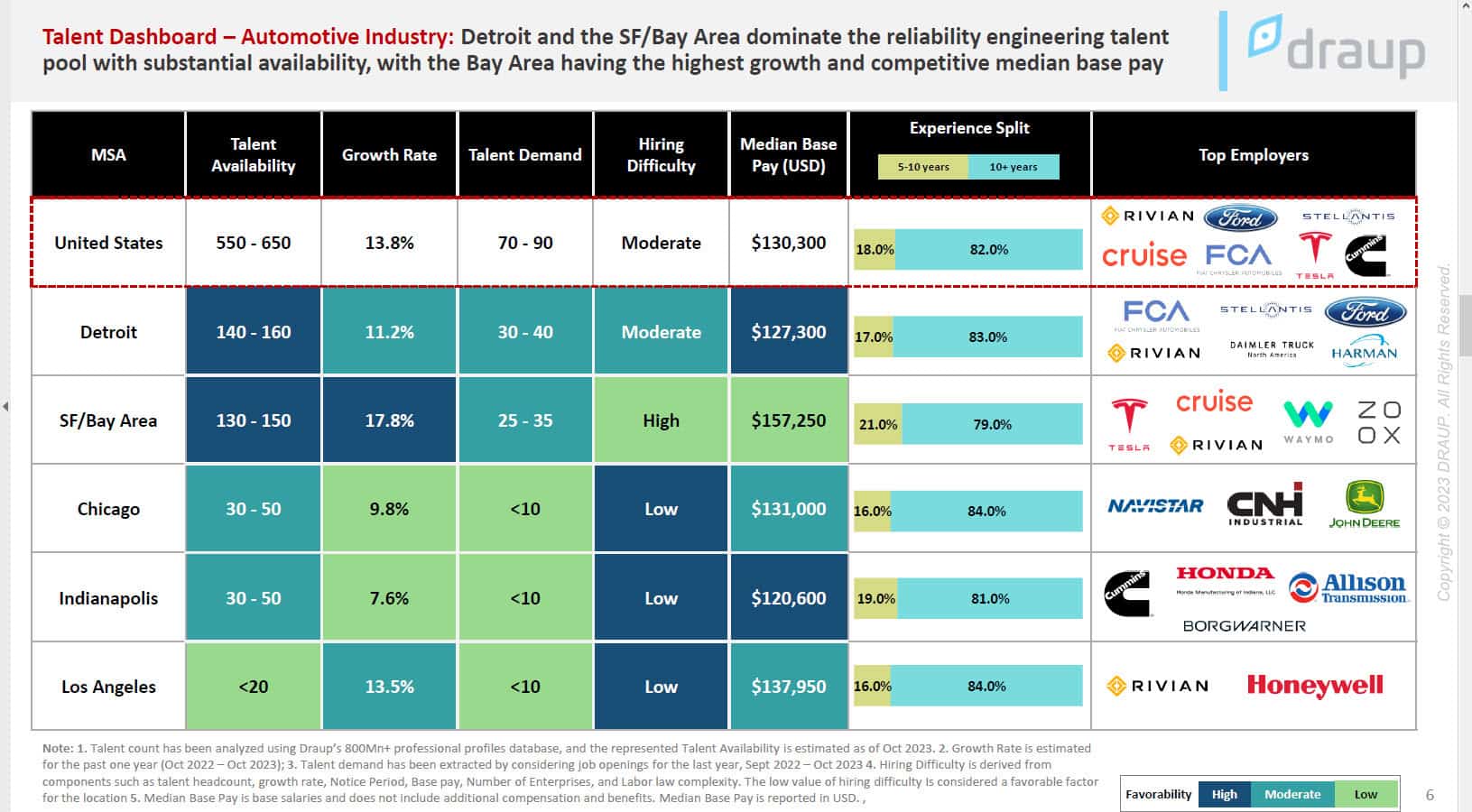
We have been studying the auto industry as part of our GWI study and found that important EV roles (reliability engineer or power plant engineer, for example), are quite specialized and hard to find. Strategic recruiting departments need to understand these roles and source these individuals carefully. Just hiring engineering grads from a local community college is not going to move this needle.
(Consider the data by Draup on what these roles are. Talent Acquisition teams with talent intelligence skills can pinpoint who to hire.)
And it gets worse. In our Dynamic Organization research we found that high performing companies focus heavily on internal hiring, talent intelligence tools to find hidden talent, and continuous internal development to fill skills gaps. We can’t simply throw job requisitions over to the recruiting function any more: the people we need may be buried inside the company.
This week Tesla announced a layoff of 10% of their workforce. Was their time to balance and redeploy talent internally? Absolutely not. According to my sources every business unit had to let 10% go, and and many of the people being fired were talent acquisition leaders, the very people who help with these issues.
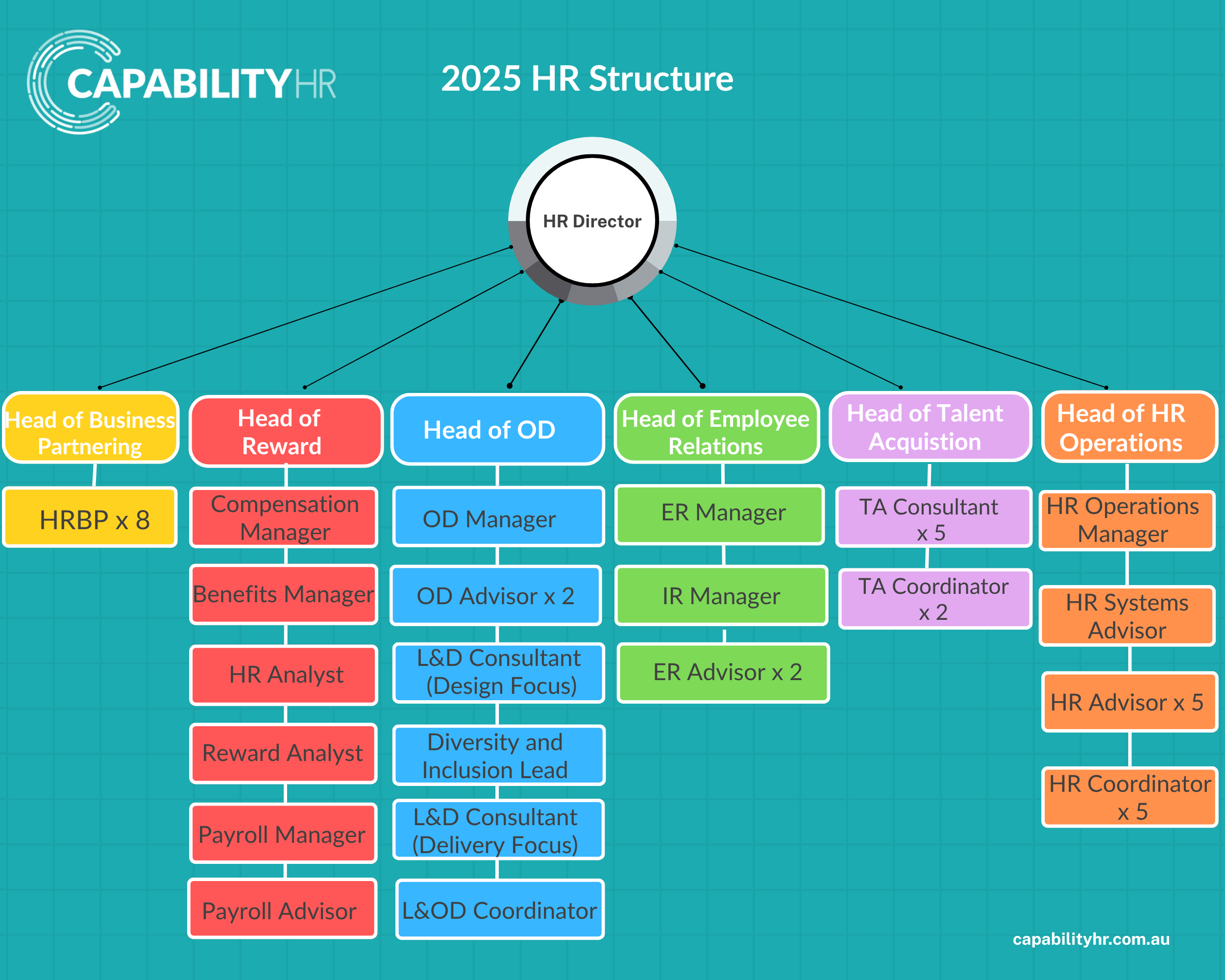
We talk with many HR executives and there is an enlightened group. Companies that understand this issue (about one in eight) have elevated Talent Acquisition to a strategic function, they merge or integrate TA with L&D, and they redefine their recruiters as “talent advisors.” Mastercard, as a leader, just renamed their recruiters as “Career Coaches,” demonstrating their role in helping people find the right jobs.
Despite the onslaught of AI, this role is becoming even more human-centric. High-powered recruiting teams source internal candidates, understand company culture, and have a deep knowledge of jobs, roles, and organizational dynamics. When well supported and trained, these professionals are strategic advisors, not just “recruiters.” And companies that understand this often outsource or automate much of the administration in recruiting.
Technology plays a major role in this reinvention. Most large companies have dozens of legacy systems, many of which make the candidate experience difficult. When organizations focus on modernizing and streamlining their technology, talent acquisition can become 10-100X more efficient. This, in turn, gives recruiters and talent advisors the time to search for the right skills, carefully select the best candidates, and focus on internal hiring and development as a strategy.
Technology Is Here But Not The Entire Answer
Of all the HR technology markets, recruiting is the most innovative of all. New AI-powered systems like HiredScore (just acquired by Workday), Paradox (leader in conversational AI), Eightfold, Gloat, Draup, and Lightcast (pioneers in talent intelligence), and many others can reduce time to hire from months to weeks and weeks to days. But none of this technology works if the Talent Acquisition team is left on an island.
In the last year I have met with more than 50 heads of talent acquisition and once the door is closed and we talk honestly, they always tell me the same thing. “We are not treated as a strategic function, we are being asked to cut costs, and we are constantly running from fire to fire to keep executives happy.” This type of “service-delivery” focus simply will not work in the new economy.
What should companies do? As part of our Systemic HR initiative, we help companies evolve their TA Function to operate in a more strategic way. Organizations like Bayer, Verizon, and many others have elevated the role of recruiter to talent advisor, they’re building skills in talent intelligence, and they’re integrating the recruiting function with L&D, career management, and employee engagement.
I’ve always felt that recruiting is the most important things HR professionals do. If we can’t get the “right” people into the company, no amount of management can recover. But what does “right” mean? And how can we source, locate, and attract these particular people?
This is a highly strategic operation, and one that must integrate with internal mobility, culture, and employee experience. I encourage you to read our Systemic HR research, join our Academy, or reach out to us or AMS for advice. In this new era of talent and skills shortages, we simply cannot run recruiting in this tactical way any longer.

 alent Acquisition
 alent Acquisition




 扫一扫
添加客服
扫一扫
添加客服


