你以为大家都懂 AI?其实他们都在装懂——Pluralsight《2025 AI 技能报告》深度解读
“我其实不太懂,但又不好意思说。”——这是许多技术人员和高管面对 AI 时的真实心声。
在我们谈论 AI 如何颠覆行业、重塑岗位的时候,也许我们忽略了一个关键问题:究竟有多少人真的懂 AI?
Pluralsight 最新发布的《2025 AI 技能报告》给出了一个惊人的答案:大多数人其实都在“演戏”。
是的,你没有听错。报告调查了来自美国和英国的 1,200 位技术高管和从业者,发现整整 79% 的人承认夸大了自己对 AI 的理解,而站在组织最前线的高管,居然有 91%“装懂”。这不仅是一场职场里的集体错觉,也是一面照见现实的镜子:AI 正在迅速成为新的职场“裸泳”试炼。
“会不会用 AI”变成了一种表演
在很多公司,使用 ChatGPT 或 Copilot 本应是一种提升效率的手段,但却被悄悄贴上了“偷懒”的标签。报告显示,61% 的人觉得在工作中用生成式 AI 会被认为不够敬业。
于是,人们开始偷偷摸摸地用 AI —— 不打招呼、不留痕迹,生怕别人知道自己依赖了工具。这种“影子 AI”现象,让整个职场变得有点像小学考试时偷偷翻书的学生:大家都在作弊,却都装作没有。
“我懂 AI”成为职场社交货币
在调查中,九成从业者自信地说:我有足够的技能把 AI 工具融入工作中。 但问题来了:几乎同样比例的人又说,是“其他人”的 AI 技能不够,才导致项目失败。
这不是一个技术问题,而是一个认知偏差问题。正如报告所言,这可能是“达克效应”(Dunning-Kruger Effect)在作怪:越不懂的人越自信,越懂的人越谨慎。
我们真的会被 AI 取代吗?
报告也揭示了另一种深层焦虑:90% 的受访者担心自己被 AI 替代,而这个比例较去年增长了 19%。最焦虑的行业包括:内容创作、数据分析、销售和市场。
但现实其实并不那么残酷。数据显示,有近一半的企业正在新增 AI 相关职位。换句话说,AI 并不是“替代者”,而是“重塑者”。只是那些被“重塑”之前的人,必须先完成一场认知与技能的跃迁。
真正的赢家,懂得不断更新
幸运的是,大多数公司正在醒来。59% 的企业已经开始提供 AI 培训,54% 的企业通过涨薪来缓解员工的焦虑,甚至有些公司开始为员工提供“AI 心理建设”。
更可喜的是,有 8 成的技术从业者表示:AI 真的让我的工作更轻松了。
从数据建模到个性化推荐,从云管理到自动化任务,这些看似“高冷”的 AI 应用,正在变得触手可及。
写在最后:别再装了,真的可以学
也许我们都该承认:AI 发展太快了,不懂是常态,懂才是稀缺。真正拉开差距的,从来不是“演得像不像”,而是你有没有诚实地面对自己的技能盲区,并持续进步。
这份报告不是在揭示一个笑话,而是在给每一个职场人提个醒:别再装了,时间不等人,AI 的浪潮已经拍到了你脚边。
你是要假装会游泳,还是现在就跳下去学?
AI strategy
2025年04月03日
AI strategy
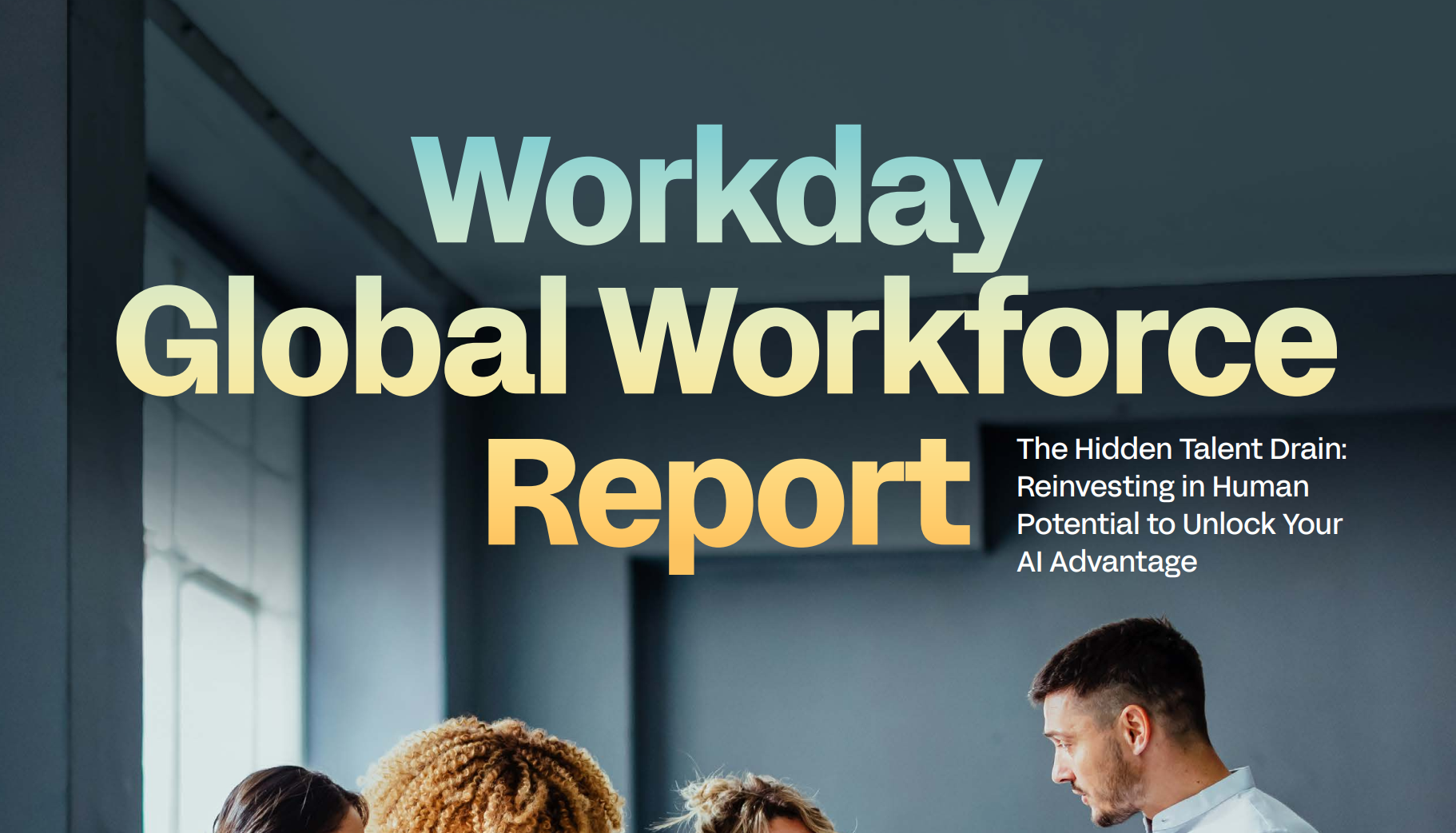
Josh Bersin 谈Workday的创新论坛:Why I’m Bullish On Workday Again: The Innovation Summit本周Workday创新峰会揭示了公司由产品主导向市场主导的战略转型。Workday一直以云技术为核心,自主开发了面向对象的数据系统和全球安全架构。然而,随着市场的演进和竞争的加剧,公司在新任CEO Carl Eschenbach的领导下,开始转向市场导向的商业模式。
在这次转型中,Workday开始拓宽其业务模型,更加开放地与合作伙伴合作。公司不再限制API的使用和合作伙伴的接入,而是致力于构建一个像苹果iPhone那样的开放平台,允许更多的行业应用集成到其系统中。这一策略旨在提供更加灵活和综合的企业解决方案,以适应不同行业的需求。
同时,Workday也大力投入到人工智能技术的开发中,推出了基于企业自有数据的微型机器学习模型(micro-LLMs),并在全球范围内调整这些模型以满足本地客户的需求。此外,Workday正在将其人才智能市场向外扩展,通过与多个行业解决方案提供商的合作,强化其在健康护理和金融等领域的业务。
AI技术的应用不仅仅限于技术层面的改进,Workday还通过这些技术优化了用户体验,使得各种任务的完成变得更加便捷。例如,在Workday平台上,用户可以看到AI图标,通过点击即可获得智能辅助完成工作。
在人才管理方面,Workday引入了许多新功能,如智能工作架构中心(Intelligent Job Architecture Hub)以及加强的Workday人才市场,这些都是为了帮助企业简化和改进职位描述和技能需求。
此外,Workday的领导层也展现出了更开放和实用的态度,这对公司未来的发展是一个积极的信号。总的来说,Workday的这一系列战略调整,旨在更好地适应快速变化的市场需求,提高公司的竞争力和市场份额。
Josh Bersin 写了这篇文章,强烈推荐给大家了解下:以下是中英文的供参考
This week I attended the Workday Innovation Summit and there’s a lot to discuss. Having just celebrated its 19th birthday, the company is embarking on a major transformation . And it’s not just product innovation that’s happening, the company is greatly expanding its business model.
Workday Has Been A Product Led Company
Much of Workday’s success goes back to its focus on being “born for the cloud.” Rather than build business apps in a typical database-centric architecture, Workday developed its own object-oriented data system, integrated workflow system, and global security architecture from scratch. Nobody knew the cloud would be so big nor that we’d have “superscalers” like Google, Microsoft, and Amazon as platforms. Nor could we predict the advent of global data governance, AI, or data and apps distributed across thousands of servers.
Well Workday, led by Aneel Bhusri, pulled this off. And not only did they sell architecture, they sold “the Power of One.” In Workday, unlike other ERP business systems, all the applications were designed to work together. No acquisitions, no integrations, no open systems: just a beautifully designed, easy-to-use, scalable enterprise application. (I noted that it reminded me of the i-Phone at the time: beautiful, easy to use, and closed.)
This “beautiful walled garden” served Workday well. While Oracle, SAP, and other vendors struggled to redesign their client-server apps and acquire missing pieces, Workday grew like wildfire and is now a global ERP vendor with more than $7.3 Billion in recurring revenue, 10,000+ enterprise and mid-market customers, and a brand known for trust, customer focus, and quality. And all this happened with a founding team that was largely still in place.
Last year Workday’s co-founder and CEO Aneel Bhusri decided it was time to step back and the company brought in Carl Eschenbach to be CEO. And now things are starting to change. The company is becoming a “markets-led” business.
The “product-led” focus for Workday was both good and bad. Workday was not easy to integrate, there were few APIs for developers, and the company limited its partners. As part of its mission to be pure, Workday prevented many vendors from “partnering” and forced integrators to pay large fees and certify dedicated teams. This “scarcity” strategy created high demand and high prices, and customers actually appreciated it.
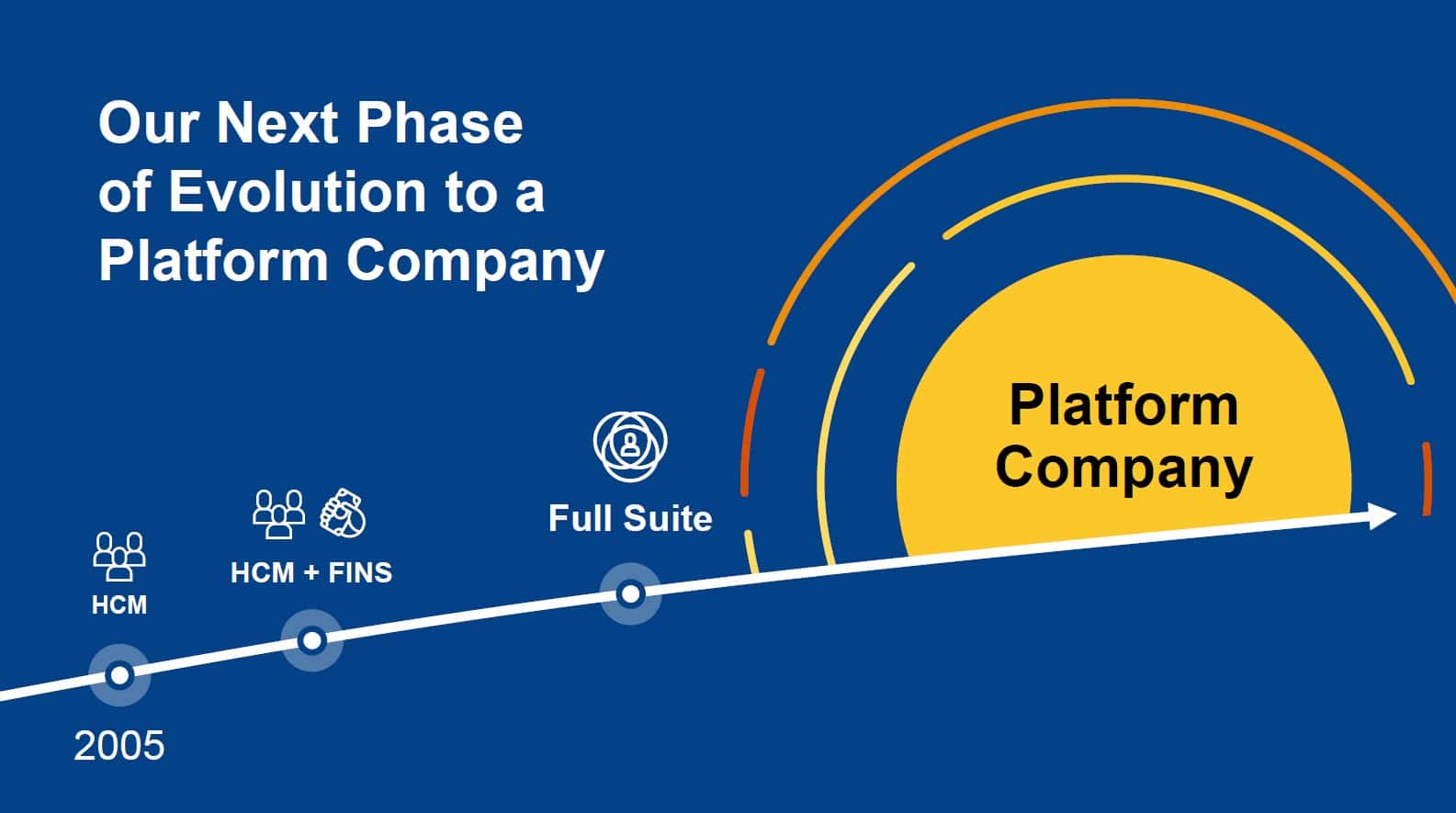
All was good, until things started to change. Today, with many competing vendors at all levels of the ERP stack, Workday is becoming more pragmatic. And as I’ll explain below, they’re changing their message from “The Power of One” to “Workday is a Platform.”
Workday Is Becoming A Markets-Led Company
The HCM and Financials market is complex. There are dozens of sub-markets, application areas, and industry solutions to address. An HR system designed for a large hospital system is unlikely to need the same features as a system for a global insurance company. So Workday started to realize its system, while integrated and highly functional, couldn’t keep up.
And within HR itself there are hundreds of vendors who sell recruiting tools, career systems, learning platforms, engagement tools, mobile apps, benefits, and data analytics systems. And each of these sub-markets are being transformed by AI. (Our upcoming research on Talent Intelligence, for example, will show you how fragmented this is.)
Workday was having a hard time keeping up. The company embarked on a series of acquisitions (Platfora, Mediacore, Adaptive Insights, VNDLY, Peakon, HiredScore, and others). This forced the product teams to focus on user interface and architectural integration, somewhat slowing the feature expansion. And many partners who wanted to integrate with Workday (which customers demand) were ignored.
Well under Carl’s leadership, all this is changing. Workday is now fully open to partners, ISV’s, resellers, and industry solutions. Almost 25% of the entire Innovation Summit was focused on Workday’s open partner strategy. And the big message was this: Workday is not a “system,” it’s a “platform.”
What does this mean? It means that if you buy Workday you’re buying a platform like the i-Phone. It works amazingly well, it’s safe, and will sport a family of industry apps to help you build a total solution. This worked for Apple and Salesforce and it’s likely to work well for Workday. SAP has a similar offering, but its level of integration is far more complex. This lets Workday move deeply into new domains and sub markets. (Workday highlighted its new integrations with Shiftwizard in healthcare, Auditoria and Kyriba in finance, and many others. These are not just ISV relationships: Workday is reselling these products.
But there’s much more.
Workday Unveils Its AI Strategy
At last year’s event Workday really waffled about AI. They gave us a lot of arm waving discussions of “Workday AI” but it didn’t make a lot of sense. Well they’ve figured it out, so let me briefly explain.
Enterprises don’t want AI for its own sake and they definitely don’t want crowdsourced data which creates legal risk. They want AI solutions that work on their own data.
Well Workday has now embarked on a wide variety of AI features, each delivered through its own “micro-LLMs” trained on a company’s own data. (Very similar to how we implement Galileo, our AI HR expert assistant.) And for larger AI capabilities they use a global LLM with local weights and biases for each client. (This is similar to how the Microsoft Copilot works.) So your enterprise data trains your “version” of Workday without sharing any data with others.
In some cases (the Skills Cloud, for example), customers can opt to share data anonymously. This lets Workday build a “global skills database” which everyone can share. Vendors like Eightfold, Lightcast, and Draup do this at a massive scale (far beyond what Workday does today), so Workday is now moving into this “talent intelligence” market. (Lightcast is now a Workday Skills Cloud partner.)
Many of these features are simple (rewriting a job description or matching invoices to purchase orders) but powerful. All over Workday you now see a little AI icon to help you complete a task. In fact Workday has already re-engineered about 280 different tasks and is working on around 2,000 in total.
Customers constantly tell me Workday is difficult to use, and it’s largely just because the system is quite complex. These AI-enhanced experiences are slowly going to make the system more and more “I-Phone like.”
Many New Talent Features
Now that the product teams have a strong underlying architecture, they’re going crazy with features. Workday is introducing a new “Intelligent Job Architecture Hub,” for example, to help companies simplify and improve job names, levels, descriptions, and skills. (It also shows trending skills in the external market.) Everyone is going to use this.
The Workday Talent Marketplace, which is not widely used yet, is being enhanced through HiredScore: employees will get Teams or Slack messages recommending jobs. This is an example of “orchestration,” a new buzz-word among AI systems. (Imagine AI booking your trip including hotels, air, car, etc.)
The Workday Manager Hub now shows managers detailed employee engagement data (Peakon has more than 18 billion responses now) and will gives managers “Conversation Starters” to help them start performance coaching, all based on feedback from other employees.
There is a major focus on contingent, gig, and contract workers. For the first time I believe Workday can handle most professional services businesses (including pricing projects based on staff pricing), healthcare and retail (AI-powered scheduling and shift management), and many deskless worker needs. It turns out that healthcare and retail are two of Workday’s biggest industries, so these talent-constrained industries are now a good market.
Let me talk briefly about HiredScore. This company built an in-line “talent orchestration system” that uses AI to show recruiters who is most suited for a job, explain why it made its decisions, and use this data to find and source internal candidates automatically. While this type of technology is widely used in systems like Eightfold, Beamery, Phenom, and others, the HiredScore system is workflow-oriented. Recruiters love it and it greatly improves hiring speed, quality, and internal mobility.
And by the way, despite lots of complaints from users, Workday Recruiting is starting to dominate the ATS market. With more than 4,000 customers it’s becoming a more “safe buy” as companies rationalize their old ATS systems.
As David Somers (head of product) put it, HiredScore is the acquisition that “keeps on giving.” In other words the AI team at HiredScore is now going to work with Workday’s Skills Cloud team to evolve and improve that system. The Skills Cloud, while beautifully visioned and named, has had limited success. With HiredScore’s help (and the leadership of Athena Karp, founder and CEO), this system will get more attention. (That includes more content partnerships and a broader set of tools.)
This means Workday’s recruiting system (which is one of the most critical business systems in today’s talent shortages) is now highly coupled with the internal mobility and job architecture system, something customers desperately want. I still believe systems like Eightfold and Gloat are far more advanced, but Workday is catching up.
Management Culture And Trust
And then there’s the biggest issue of all: Workday’s leadership. I spent some time chatting with Carl Eschenbach and he has a very different persona than Aneel Bhusri. Carl clearly wants Workday to go after new markets: new geographies (EMEA, Asia, Japan), new industries (healthcare, pharma, retail), the mid-market segment, and channel partners. Workday is now actively searching for resellers, mid-market integrators, and ISVs to round out the solution.
As always, the leadership team at Workday is highly aligned and much more pragmatic. Many times I would attend a Workday event and feel a slight sense of arrogance at the top. As with all successful software companies, it’s easy to think you’re always right when things are going well.
I believe this has changed. I actually found Workday to be humble, attentive to new issues, and open-minded to new ideas, new partners, and self-inspection. This, to me, is a bullish sign. And from top to bottom the company is focused on trust, AI safety, and customer service.
One more thing I want to point out: the “Workday as a Platform” idea. The company now realizes that this highly proprietary, business-optimized system can no longer be sold as a beautifully walled garden. The company is building a massive set of easy to use development tools, expanded APIs, and programs to attract software developers, partners, and integrators. Now, when customers ass for functionality Workday can look for a partner to resell or embed. The company is losing its “if we didn’t build it we don’t trust it” mentality.
I also believe this leadership team really likes each other. As many of you know, team culture is massively important in the tech space. Things change so fast and there are so many competitors the company has to stay aligned. I sense everyone really understands what’s going on.
Growth Potential
Will Workday accelerate its growth above its respectable 17% per year? Well the company has challenges. Many of its legacy clients have found a plethora of advanced tools around Workday and I know large companies that are switching back to SAP. And despite all the new features, Workday is an older, complicated, rigid system.
That all said, I think the company is managing its transformation well. Let’s watch to see how all this plays out.
本周我参加了Workday创新峰会,有很多内容值得讨论。在刚刚庆祝了其成立19周年之际,该公司正在进行重大转型。而且,不仅仅是产品创新在进行,公司的业务模式也在大幅扩展。
Workday一直是一家以产品为导向的公司
Workday的成功很大程度上归功于其专注于“为云而生”。Workday没有采用典型的以数据库为中心的架构来构建商业应用程序,而是从零开始开发了自己的面向对象的数据系统、集成的工作流系统和全球安全架构。没有人知道云计算会如此重要,也没有人预料到我们会有像Google、Microsoft和Amazon这样的“超级计算”平台。我们也无法预测全球数据治理、AI或者跨数千服务器分布的数据和应用程序的出现。
在Aneel Bhusri的领导下,Workday做到了这一点。他们不仅销售架构,还销售了“一体化的力量”。在Workday中,不同于其他ERP商业系统,所有应用程序都被设计为可以协同工作。没有收购,没有集成,没有开放系统:只有一个设计精美、易于使用、可扩展的企业应用程序。(我注意到这让我想起了当时的iPhone:美观、易用且封闭。)
这个“美丽的围墙花园”为Workday服务良好。而Oracle、SAP和其他供应商在重新设计其客户端-服务器应用程序和获取缺失部分时挣扎,Workday却如野火般成长,现在已成为一家全球ERP供应商,拥有超过73亿美元的经常性收入、超过10,000个企业和中端市场客户,以及以信任、客户关注和质量而闻名的品牌。而且,这一切都是在创始团队基本上仍在位的情况下发生的。
去年,Workday的联合创始人兼CEO Aneel Bhusri认为是时候退居幕后了,公司聘请了Carl Eschenbach担任CEO。现在,事情开始改变。该公司正在成为一家“以市场为导向”的企业。
Workday的“以产品为导向”的重点既有好处也有坏处。Workday不容易集成,开发者可用的API很少,公司也限制了其合作伙伴。作为其保持纯净使命的一部分,Workday阻止了许多供应商的“合作”,并迫使集成商支付高额费用并认证专门团队。这种“稀缺”策略创造了高需求和高价格,而客户实际上对此感到满意。
一切都很好,直到情况开始改变。如今,随着ERP堆栈各层面的竞争供应商越来越多,Workday正在变得更加务实。正如我将在下文中解释的那样,他们正在将信息从“一体化的力量”变为“Workday是一个平台”。
Workday正在成为一家以市场为导向的公司
人力资源管理(HCM)和财务市场非常复杂。有数十个子市场、应用领域和行业解决方案需要解决。一个为大型医院系统设计的HR系统不太可能需要与为全球保险公司设计的系统相同的功能。因此,Workday开始意识到,尽管其系统集成且功能强大,但它无法跟上。
而且,在HR本身,有数百家供应商销售招聘工具、职业系统、学习平台、参与工具、移动应用程序、福利和数据分析系统。每一个子市场都在被AI转型。(例如,我们即将发布的关于人才智能的研究将向您展示这是多么的碎片化。)
Workday很难跟上。该公司开始了一系列收购(Platfora、Mediacore、Adaptive Insights、VNDLY、Peakon、HiredScore等)。这迫使产品团队专注于用户界面和架构集成,从而在某种程度上减缓了功能扩展。许多希望与Workday集成的合作伙伴(客户需求)被忽视了。
在Carl的领导下,所有这些都在改变。Workday现在对合作伙伴、独立软件供应商、经销商和行业解决方案完全开放。整个创新峰会将近25%的时间专注于Workday的开放合作伙伴策略。而且重要的信息是:Workday不是一个“系统”,它是一个“平台”。
这是什么意思?这意味着如果您购买Workday,您就是在购买一个像iPhone那样的平台。它运行非常好,安全,并将配备一系列行业应用程序以帮助您构建完整解决方案。这对Apple和Salesforce有效,对Workday来说可能也会很有效。SAP也有类似的产品,但其集成程度要复杂得多。这让Workday能够深入新的领域和子市场。(Workday突出显示了其在医疗保健领域与Shiftwizard、在财务领域与Auditoria和Kyriba的新集成等。这些不仅仅是独立软件供应商关系:Workday正在转售这些产品。
但还有更多。
Workday公开其AI战略
在去年的活动中,Workday对AI真的犹豫不决。他们给了我们很多关于“Workday AI”的手势讨论,但这并没有太多意义。好吧,他们已经想通了,让我简单解释一下。
企业并不是因为AI本身而想要AI,他们绝对不想要可能产生法律风险的众包数据。他们想要的是可以在自己的数据上运行的AI解决方案。
现在,Workday已经开始了各种AI功能,每个功能都通过其自己的“微型大语言模型”交付,这些模型是在公司自己的数据上训练的。(这与我们实现的Galileo,我们的AI HR专家助手非常相似。)对于更大的AI功能,他们使用一个全球大语言模型,为每个客户本地调整权重和偏差。(这与Microsoft Copilot的工作方式类似。)因此,您的企业数据训练您的“版本”的Workday,而不与其他人共享任何数据。
在某些情况下(例如技能云),客户可以选择匿名分享数据。这让Workday能够构建一个“全球技能数据库”,每个人都可以分享。像Eightfold、Lightcast和Draup这样的供应商在大规模(远超Workday目前的做法)上做到了这一点,所以Workday现在正在进入这个“人才智能”市场。(Lightcast现在是Workday技能云的合作伙伴。)
这些功能中的许多都很简单(重写工作描述或将发票与采购订单匹配),但功能强大。在Workday的各个地方,您现在都可以看到一个小AI图标,帮助您完成任务。事实上,Workday已经重新设计了大约280个不同的任务,并且正在处理大约2,000个总任务。
客户不断告诉我Workday很难使用,这主要是因为系统相当复杂。这些通过AI增强的体验将逐渐使系统越来越像“iPhone”。
许多新的人才功能
现在产品团队拥有了强大的底层架构,他们正疯狂地推出功能。例如,Workday正在推出一个新的“智能工作架构中心”,以帮助公司简化并改进工作名称、级别、描述和技能。(它还显示外部市场中的趋势技能。)每个人都将使用这个。
Workday人才市场尚未广泛使用,现在正在通过HiredScore进行增强:员工将通过Teams或Slack消息获得推荐工作。这是“编排”的一个例子,这是AI系统中的一个新的流行词。(想象一下AI预订您的旅行,包括酒店、飞机、汽车等。)
Workday经理中心现在向经理们显示详细的员工参与数据(Peakon现在有超过180亿的反馈)并将给经理提供“对话开始器”,以帮助他们开始绩效辅导,所有这些都基于其他员工的反馈。
还有一个主要关注点是临时工、零工和合同工。我相信Workday首次可以处理大多数专业服务业务(包括基于员工定价的定价项目)、医疗保健和零售(AI驱动的排班和班次管理),以及许多无固定工作场所的工人的需求。事实证明,医疗保健和零售是Workday的两个最大行业,所以这些人才匮乏的行业现在是一个好市场。
让我简要谈谈HiredScore。这家公司建立了一个内嵌的“人才编排系统”,使用AI向招聘人员展示最适合某个职位的人员,解释为什么会做出这样的决定,并使用这些数据来找到并自动获取内部候选人。虽然这种技术在Eightfold、Beamery、Phenom等系统中广泛使用,但HiredScore系统是以工作流为导向的。招聘人员非常喜欢它,它极大地提高了招聘的速度、质量和内部流动性。
顺便说一句,尽管用户有很多抱怨,Workday招聘正在开始主导ATS市场。现在已有超过4,000个客户,随着公司对旧ATS系统进行合理化,它正在成为一个更“安全的购买”。
正如产品负责人David Somers所说,HiredScore是一笔“源源不断的收益”。换句话说,HiredScore的AI团队现在将与Workday的技能云团队合作,以发展和改进该系统。技能云虽然构想得很美,名字很漂亮,但成功有限。在HiredScore的帮助下(以及创始人兼CEO Athena Karp的领导下),这个系统将得到更多关注。(这包括更多的内容合作伙伴和一套更广泛的工具。)
这意味着Workday的招聘系统(这是当今人才短缺中最关键的商业系统之一)现在与内部流动性和工作架构系统高度耦合,这正是客户迫切需要的。我仍然认为像Eightfold和Gloat这样的系统更先进,但Workday正在迎头赶上。
管理文化和信任
然后是最大的问题之一:Workday的领导层。我花了一些时间与Carl Eschenbach聊天,他与Aneel Bhusri的个性非常不同。Carl明确希望Workday进军新市场:新地理区域(EMEA、亚洲、日本)、新行业(医疗保健、制药、零售)、中端市场细分市场和渠道合作伙伴。Workday现在正在积极寻找经销商、中端市场集成商和独立软件供应商来完善解决方案。
一如既往,Workday的领导团队高度一致,更加务实。很多时候,我参加Workday的活动,都能感受到顶层有些自负。就像所有成功的软件公司一样,当事情进展顺利时,很容易认为自己总是对的。
我认为这已经改变了。我实际上发现Workday很谦虚,对新问题很关注,对新想法、新合作伙伴和自我检查持开放态度。对我来说,这是一个看涨的信号。而且从上到下,公司都专注于信任、AI安全和客户服务。
我还想指出一件事:关于“Workday作为一个平台”的想法。该公司现在意识到,这种高度专有的、业务优化的系统不再能作为一个美丽的围墙花园来销售。公司正在构建一套大型的易于使用的开发工具、扩展的API和吸引软件开发者、合作伙伴和集成商的计划。现在,当客户询问功能时,Workday可以寻找一个合作伙伴来转售或嵌入。公司正在失去“如果我们没有构建它,我们就不信任它”的心态。
我还相信这个领导团队真的很喜欢彼此。正如你们许多人所知,团队文化在科技领域非常重要。事情变化如此之快,竞争对手如此之多,公司必须保持一致。我感觉每个人都真正理解发生了什么。
增长潜力
Workday能否将其每年17%的尊重增长率加速?好吧,公司面临挑战。它的许多老客户发现在Workday周围有大量的先进工具,我知道一些大公司正在回归SAP。尽管所有这些新功能,Workday仍然是一个较老、复杂、僵化的系统。
话虽如此,我认为公司正在很好地管理其转型。让我们拭目以待,看看这一切将如何发展。

 AI strategy
 AI strategy
 AI strategy






 扫一扫
添加客服
扫一扫
添加客服


