• AI adoption
    Why AI is now HR’s business Could the AI revolution also herald a revolution in HR? Generative AI is leaving many businesses in a fix. On the one hand, the potential of the technology is strikingly obvious. Since ChatGPT debuted to the public in late 2022, AI has made extraordinary advances. Coding tools can spin up micro apps from a simple prompt. Chatbots can produce instantaneous research. Video models can create studio-grade clips. Tools like these can supercharge all kinds of work, whether it’s helping create a whole marketing campaign or simply assisting an individual reason through a thorny problem. One estimate sizes the corporate opportunity at $4.4 trillion globally. Yet it can be bewilderingly hard for enterprises to realize those gains. Studies show that generative AI is having limited impact on productivity. Many organizations find themselves either stuck in pilot purgatory, or rolling out initiatives that fail to deliver ROI. Others don't even know where to start. This issue is especially pronounced for smaller enterprises. In fact, research suggests that AI is seen as the number-one challenge by four out of five small business leaders in the UK. Small firms are half as likely to have implemented it compared to larger companies. And within the small companies that have adopted AI, usage is often uneven. Seventy three percent of senior managers use it at least once a month, compared with only 32 percent of entry-level employees. This creates what Kevin Fitzgerald, UK Managing Director of the all-in-one employment platform Employment Hero, calls the “AI advantage gap.” “AI is only delivering productivity gains for some, and that’s a huge problem,” he says. “For technology to drive meaningful change, it needs to be in the hands of everyone.” Human resources (HR) departments are uniquely positioned to help manage some of the challenges around AI adoption. That’s because taking full advantage of the new AI tools available to organizations is more than just an IT project. “AI is all about job redesign, new skills, new organization structures, and new roles for leaders,” says Josh Bersin, a respected HR industry analyst and CEO of HR consultancy The Josh Bersin Company. “HR people are essential as part of companies’ AI transformations.” In practice, this kind of project tends to be easier for smaller businesses, which have fewer employees and less organizational complexity to disrupt. Bersin says that Chief Human Resources Officers (CHROs) now frequently lead AI-based organizational redesigns. Going further, almost two thirds of IT decision-makers expect their HR and IT teams to merge in the next five years, according to a recent survey. This is already happening at companies such as Moderna, the biotech firm with more than 5,000 employees, which now has a single leader covering both. “HR has a once-in-a-generation opportunity to reshape the future of work,” says Fitzgerald. “And it’s important to get this right. Bad AI rollouts can slash personal productivity in half.” So what does HR-led transformation look like in practice? Here we spotlight three ways HR leaders can set their organization up for AI success… 1. HR as pioneers Leading on AI transformation means deeply understanding training needs, integration challenges, employee resistance and—fundamentally—how and where AI offers value. This means HR professionals need real experience of those things themselves. There are many HR tasks to which both traditional machine learning and generative AI is well suited. Much of the press buzz is around recruitment—using AI to source candidates, screen CVs, and automate parts of the application process—but its impact can be much broader. The creative and communication side of the job is a natural fit for the capabilities of large language models (LLMs), which excel both in summarizing and expressing information. Whether it’s drafting job descriptions, communicating complicated policies in plain language, or managing the team’s internal knowledge, there’s plenty that an LLM can help with (so long as it offers appropriate privacy assurances). There are a range of options for deployment, from buying tools that package up an LLM for delivering on a specific use case—such as offering AI training programs or building FAQ chatbots—to simply subscribing to a frontier AI assistant like ChatGPT. The most immediate benefit is the potential gains for the HR team itself. Handing off repetitive tasks to AI can free up time. But it’s also the baseline for any HR team that is planning on leading the way in a business’ AI transformation, because credibility will be vital. That’s not to say that it should only be HR leading the charge on AI—Bersin says that more often than not having a dedicated committee with representatives from HR, legal, and IT is most effective—but it’s a necessary criterion for playing a central role. “It’s about leading by example,” says Fitzgerald. “People don’t want technology forced on them—they want to see its benefits, and be given the freedom and encouragement to explore it.” Of course, much of HR’s AI usage will be internally facing, so there’s a comms job to be done. “My advice to the HR leader would therefore be: share,” says Fitzgerald. “Share the wins that you've had, and actually put them out there to the broader business.” 2. HR as culture definers Establishing the right culture around AI is vital. “It’s the missing link in AI adoption,” says Deepali Vyas, Global Head of Data & AI at global talent advisory firm ZRG. There are two crucial reasons for this. The first is that when a company chooses to roll out AI, it can create ill feelings. People can fear it’s a prelude to cost cutting and job losses. Of course, an organization may be planning to downsize—but equally it could be planning to do more with the same number of people. Whatever the plan, be transparent. If nobody needs to worry about their jobs, tell them. If a restructure is likely, fair dealing and honesty can go a long way to attenuating resentment. HR has the authority and the skills to lead on conveying this information in the most effective and appropriate way. The second reason concerns “shadow AI.” This is where employees use AI tools of their own without telling management, either because they fear for their jobs or because they view AI as a shortcut and don’t want to pull back the curtain on how they get things done. Shadow AI is already widespread; the security firm Varonis estimates that up to 98 percent of employees use shadow AI or shadow IT in some capacity, with employees hiding their AI use out of fear of their employer's reaction. While the primary risks of shadow AI are to do with security and privacy, there is also a more systemic drawback. Top-down AI tool implementation can be important, but companies that don’t also tap into the wisdom of the crowd will miss out on AI opportunities. Generative chatbots are general-purpose tools with the most open-ended interface possible: there are countless different ways to use them, and the people best placed to figure out how this kind of AI can help your business are the people who work there. But you can’t enjoy the fruits of their experiments if they are unwilling to share how they’re using it and what they’re discovering as a result. “You really need to bring shadow AI use to the surface,” Vyas says. “In any case, banning or ignoring shadow AI is not going to make it disappear. It's only going to drive it further underground.” Bringing it out into the light is, again, a question of culture. If IT owns guardrails and platforms, and the C-suite owns vision and accountability, HR owns the people and behaviors piece. In addition to quelling fears that revealing AI usage will jeopardize jobs, HR needs to create forums to encourage sharing across all teams. This could take the form of workshops and hackathons or simply dedicated channels on Slack. There should also be incentives, so that individuals who come up with approaches that create meaningful value are well remunerated for their contributions. “There's a lot of fear versus empowerment,” says Vyas. “HR’s cultural mandate is building a culture of AI fluency, normalizing AI as a partner in work and to build trust around its use.” 3. HR as organization designers AI transformation is not just about rolling out the tools. You need teams with AI literacy, skills and mindsets—teams that are open to new ways of working and to reimagining workflows that have perhaps remained unchanged for decades. You may also need to create new roles like a Chief AI Officer, or hire specialist software developers. “It's about building that future-ready workforce,” says Vyas. HR’s expertise in recruitment and training will be crucial in this effort—only half of employees in SMEs believe their company has done a good job instilling technological know-how—and AI itself can play a powerful role in making a success of it. Forward-thinking organizations weave AI into workforce management, from how workers move internally to how they train and learn, Vyas says. “There’s personalized learning journeys, there's internal mobility recommendations, there's workforce planning tied to all of these business scenarios.” As they scale, companies may wish to rethink their org charts in light of AI. The traditional triangular org chart has been a mainstay since Brigadier General Daniel McCallum unveiled the first example in 1855. But many commentators believe that new architectures will coalesce to reflect how people work best with AI. Microsoft’s Work Trend Index Annual Report 2025 argues that the org chart will be replaced with a “Work Chart,” which it describes as “a dynamic, outcome-driven model where teams form around goals, not functions, powered by [AI] agents that expand employee scope and enable faster, more impactful ways of working.” In practice this means a flatter, more flexible operating model. Firms that have harnessed AI in this way report having more satisfied, more optimistic employees. HR will need to play a pivotal role in managing any such transformation. “That’s not only because most savvy HR leaders are also very good at change enablement,” says Bersin, “but also because this clearly would have implications for pay models, reward systems, and leadership pipeline.” What’s more, Microsoft argues that in a Work Chart world, orchestrating the interplay between humans and AI agents—and getting the balance right—is going to be an emerging area of responsibility for HR. In discharging this duty, they will need to collaborate more closely than ever with technical teams. This shift may seem radical. But, as the aphorism has it, it's easy to underestimate the long-term effects of new technologies. Vyas believes this kind of business architecture will just be “the new normal—and sooner than we might think”.   原文:https://www.wired.com/sponsored/story/employment-hero-why-ai-is-now-hrs-business/
    AI adoption
    2025年11月28日
  • AI adoption
    CHRO 的新战略机遇:生成式 AI 如何重塑组织的未来 概要:74% 的 CEO 认为团队已准备好迎接 AI,但只有 29% 的 C-suite 同意。这一巨大认知差距既是风险,也是 CHRO 最关键的机会窗口。预计到 2025 年,77% 的初级岗位与超过 25% 的高管岗位都将因 AI 发生改变。未来三年,CHRO 必须从支持角色转变为组织未来的设计者,围绕三项任务展开:构建 AI 人才战略、重塑组织运营模式、建立 AI 治理框架。AI 时代的核心竞争力不再是技术本身,而是 CHRO 如何重塑组织能力与文化。抓住这个窗口期,组织才能真正迈向未来。 引言:迎接组织变革的“AI 时刻” 生成式 AI 与以往任何技术都截然不同,它正以前所未有的速度颠覆商业与社会,迫使领导者实时反思并重塑其核心战略。这场变革的核心并非技术本身,而是它对“人”与“工作方式”的根本性重塑。正如深度研究所指出的,“生成式 AI 的一切都与人有关——关乎工作如何完成”。 懂得如何用生成式 AI 赋能人才的领导者,将对业务产生“倍增效应”。在未来三年,首席人力资源官(CHRO)将迎来一个决定性的转折点,从传统的支持角色转变为驱动这一倍增效应的核心战略制定者。然而,当前仍有高达 60% 的高管将人力资源视为纯粹的行政职能,这一认知错位不仅是巨大的风险,更预示着一个前所未有的战略机遇。CHRO 必须抓住此刻,引领组织迎接未来。 -------------------------------------------------------------------------------- 一、趋势洞察:生成式 AI 正在重塑工作的本质 1. AI 放大人类能力,而非取代人类 生成式 AI 的核心价值在于放大人类的专业能力。它通过自动化市场研究、内容创建、数据分析和代码开发等重复性任务,让员工得以专注于更高价值的创造性工作。例如,客服人员可以将常规问答交给 AI,从而专注于销售赋能;程序员可以摆脱繁琐的编程,聚焦于提升代码质量与安全性;HR 专家则能从日常流程中解放出来,全力投入于真正重要的人才发展。 企业的竞争优势不再仅仅来源于技术本身,而是来源于规模化员工的专业知识和扩展组织的能力。这催生了“AI 增强型劳动力”的概念。一个清晰的现实是:生成式 AI 不会取代人类,但使用生成式 AI 的人将会取代不使用它的人。 2. CEO 与组织间存在显著的“AI 准备度差距” 高管层对组织 AI 准备度的认知存在显著脱节,这种乐观情绪背后潜藏着巨大风险。数据显示: 74% 的 CEO 认为他们的团队已经为生成式 AI做好了技能准备。 然而,仅有 29% 的 C-suite 高管 同意这一观点。 这一巨大的认知鸿沟,代表了 CHRO 最为紧迫的行动指令。更值得警惕的是,AI 的影响是普遍的:到 2025 年,77% 的初级员工的岗位将发生转变,同时超过四分之一的高管也无法幸免。这使得 CEO 的盲目乐观尤为危险。CHRO 的核心机会在于,识别并弥合组织内部的人才与能力错配,确保组织具备驾驭变革的真实能力。 3. 未来关键能力:创造力与协作力超越技术力 在一个看似由技术驱动的变革时代,一个反直觉的真相浮出水面:人类独有的软性能力正变得空前重要。一项核心洞察指出: 高管们认为,到 2025 年,对组织最有价值的技能将是创造力。 当技术性工作可以被 AI 高效辅助时,企业的核心竞争力将从技术熟练度转向那些机器无法复制的能力。高管们认为,团队建设和协作能力与软件开发和编码同等重要,甚至领先于分析和数据科学。创造力,将成为引领未来的关键。 -------------------------------------------------------------------------------- 二、CHRO 的三大新使命:未来 36 个月的行动框架 为应对挑战,CHRO 需要一个清晰、可执行的战略框架,围绕以下三大新使命展开行动。 1. AI 人才战略 (Talent Strategy for AI) 目标:重新设计人才的“选、育、用、留”体系,构建一支 AI 增强型团队。 行动建议: 重塑岗位与技能图谱:推动对现有岗位职责的重新定义,将工作重心从执行重复性任务,转向利用 AI 进行分析、创造和战略决策。 推动全员技能再培训:将 AI 技能提升视为员工重大的职业发展机遇。尤其要重点投资于高绩效员工,因为 AI 无法放大平庸的绩效,它带来的是一场革命而非演进,其真正价值在于将优秀人才的能力提升到全新高度。 将人力资源部作为战略试点:要让全员拥抱 AI,首先要从人力资源部开始。CHRO 应将 HR 部门打造为组织内 AI 转型的战略试点项目,率先对 HR 专业人员进行再培训,使其成为组织内 AI 应用的实践者、引领者和赋能者。 2. 组织运营模式重构 (Operating Model Redesign) 目标:打造更敏捷、更智能、更具创造力的组织模式,以释放 AI 的全部潜力。 行动建议: 聚焦高价值应用场景:避免被海量的可能性分散精力。集中资源投资于三到五个最具商业影响力的 AI 应用场景(“Focus on the top five. Or three.”),以点带面,实现价值最大化。 建立快速迭代与试错文化:鼓励团队以“快速失败”(fail fast)的方式进行小范围实验。建立跨部门的反馈循环机制,系统性地分享成功案例、失败教训和实践经验。 利用 AI 优化工作流程:应用 AI 增强的流程挖掘技术,深入分析现有工作流程,精准识别瓶颈与低效环节,并通过智能化改造加速决策效率。 3. AI 治理与伦理 (AI Governance) 目标:建立负责任的 AI 使用框架,确保技术向善,规避潜在风险。 行动建议: 建立明确的道德准则:制定并推行一套清晰的 AI 道德使用框架,其中包含明确的标准、指南和行为期望。 保障数据安全与隐私:在鼓励全员实验的同时,必须围绕数据保护和道德规范设立明确的护栏,确保创新在安全可控的范围内进行。 确保透明与公平:在招聘、绩效评估等关键人力资源环节应用 AI 时,必须建立有效的机制来管理算法偏见,确保决策过程的透明度与公平性。 -------------------------------------------------------------------------------- 三、从战略伙伴到未来设计师:CHRO 的新定位 生成式 AI 正在推动 CHRO 的角色发生根本性演进。CHRO 必须从被 60% 高管视为被动的行政支持者,进化为主动的战略引擎,成为组织未来工作模式的总设计师和 AI 时代人力资本的管理者。CHRO 的新角色是通过前瞻性地引导 AI 在人才与组织层面的落地,主动重塑组织文化、决策模式和业务节奏。 在最高管理层中,CHRO 的新定位是连接技术、人才与业务战略的关键枢纽。AI 的成功绝非单一部门的责任,而需要建立一个由业务、IT 和人力资源负责人共同负责的问责模式。在这个领导力“三驾马车”中,CHRO 作为平等的战略伙伴,确保技术投资能够真正转化为组织能力和商业价值。 -------------------------------------------------------------------------------- 决胜未来,重在组织能力的设计 生成式 AI 时代已经到来,领先的企业正在迅速采取行动。最终的成功者,将是那些能够围绕人才与技能建立灵活、深思熟虑的战略,并积极克服组织焦虑、奖励热情、拥抱包容与乐观的组织。 在生成式 AI 时代,决定企业未来竞争力的不是技术本身,而是 CHRO 对组织与人才能力的重新设计能力。
    AI adoption
    2025年11月24日
  • AI adoption
    2025 年人才留任新现实:员工选择“留下”,但企业是否真正留住了人? 最新的《iHire2025 人才留任报告》揭示了一个核心洞察:员工留下来的理由并不仅是薪酬,更重要的是“他们能否在这里成长、归属、被看见”。报告显示,自愿离职率已降至 35.9 %,但其中许多员工是因为经济环境不确定而“抱岗”而非出于真正忠诚。 在过去三年里,美国职场经历了从“辞职潮(Great Resignation)”到“谨慎抱岗(Job Hugging)”的剧烈反转。《iHire 2025 人才留任报告》为这一变化提供了最新视角:离职率下降、满意度上升,看似一片稳定,但深层结构性问题并未消失,包括文化毒性、管理质量不足、反馈机制失灵等长期矛盾。 对于正在竞争全球人才的企业而言,这份报告揭示了一个关键问题:员工“留下来”并不等于真正被留住。2025 年的留任,更多反映的是经济环境的谨慎,而不是忠诚度回归。企业若误判这种“稳定”,将面临下一轮流失风险。 一、离职率下降:稳定是假象,谨慎是真相 2025 年自愿离职率降至 35.9%,连续两年下降,形成“求稳趋势”。若将其视为企业管理改善的结果,很可能是错觉。 背后的真实驱动力包括: 经济环境不确定,员工倾向“观望”; 企业招聘放缓,外部机会减少; AI 招聘筛选加强,跳槽难度提高。 换句话说,离职减少并非“组织吸引力增强”,而是“流动成本增加”。一旦经济复苏、新机会增加或企业内部矛盾积累到临界点,潜在流失可能集中爆发。 二、员工满意度回升,但“归属感差距”成为新裂缝 调研显示 56.3% 员工对当前工作满意,较去年略升。然而,真正决定是否留下的关键是“归属感”: 53.7% 感受到归属感 在感受不到归属感者中,57.2% 对工作“不满意” 归属感不是“氛围好不好”,而是: 是否被尊重? 是否被倾听? 是否认为自己的工作被看见、被重视? 这意味着留任不再依赖“薪资 + 福利”组合,而是向“体验 + 情感连结 + 成长可能性”倾斜。 三、五大决定性留任因素:薪酬不在榜首 iHire 的数据清晰揭示:员工真正留下的前五大原因是: 积极的工作环境(81.5%) 健康保险(68.4%) 工作生活平衡(63.9%) 退休计划(59.4%) 职业发展机会(57.4%) 薪资并不在前五名中。这对习惯“靠加薪挽人”的企业是一个重要提醒。 尽管 55.2% 的企业提供加薪,但只有 34.3% 的加薪真正起到挽留作用,另有 19.5% 的加薪“无效”。说明薪酬是必要条件,却不是充分条件。 四、离职的真正原因被“低估”了:管理层感知严重偏差 员工离职的前三大真实原因: 有毒文化 26.8% 糟糕的领导层 24.2% 不佳的直属经理 22.8% 但企业怎么认为? 只有 13.4% 的企业认为文化是主因 只有 10%–15% 的企业认为管理能力是问题 这形成典型的“管理盲区”。企业高层往往将离职归因于薪酬、竞争、个人原因,却忽略自身文化与管理质量。 当企业错误判断离职原因,所有后续的留任策略都会南辕北辙。 五、真正缺失的不是福利,而是“留任机制” 报告中最令人警醒的数据是:仅 30.5% 的公司做“留任访谈(Stay Interview)”。 大部分企业只在员工离职时做“离职访谈”,这时所有反馈已经无力回天。 优秀企业在做的,是: 入职 30 天访谈 90 天访谈 季度或半年 Stay Interview 一对一领导力反馈机制 主动识别离职信号(工作习惯变化、参与度下降) 留任是一场“提前预警”的管理,而非“事后补救”的管理。 六、AI 在留任中的应用仍极早期,但将成为下一波转折点 目前: 79.5% 企业尚未使用 AI 做留任管理 但已有一小部分企业开始用 AI 做: 员工参与度分析(9%) 个性化学习发展和成长路径(8.1%) 识别离职倾向行为 虽然比例不高,但趋势是明确的:AI 不会取代 HR,但会成为留任管理的“新雷达系统”。 越早采用,越能在未来获得竞争优势。 七、给企业的留任建议:2026 年 HR 需要的不是更多工具,而是更深的机制 结合 iHire 的数据,本次报告对企业提出了七大方向,我将其总结为三条核心战略: 1. 先把基础打牢:文化、福利、成长路径三件套 这是 81.5% 人留下的根源。 2. 建立“留任早期预警系统” 包括 Stay Interview、管理培训、员工反馈、数据监控。 3. 用好 AI:从“被动应对”转向“主动洞察” 未来留任竞争将是 AI 与管理能力的结合。 2025 的留任稳定不是真稳定,是“静默风险” 员工不跳槽,不代表他们满意、忠诚、投入。很多员工是在“不满意但不敢动”的状态中“被迫留下”。 它不会引发短期波动,却会在某一天集中爆发。 对企业而言,今年的关键不是问:“员工为什么留下?” 而是问:“我们是否真正让他们愿意留下?”   原文可以访问:https://www.ihire.com/resourcecenter/employer/pages/talent-retention-report-2025
    AI adoption
    2025年11月19日
  • AI adoption
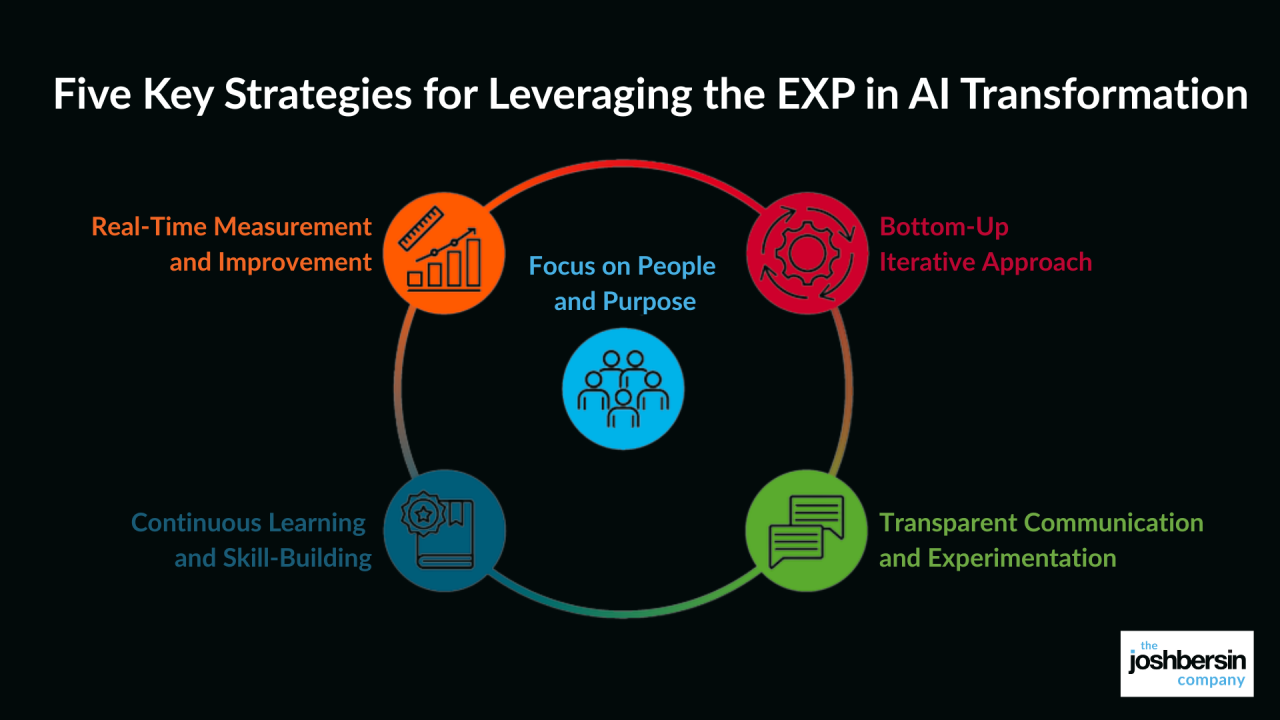
    员工体验平台的演进:推动 AI 转型的关键引擎 Josh Bersin 公司发布新研究指出:员工体验平台(EXP)正在成为企业 AI 转型的关键基础设施。EXP 不再只是HR工具,而是推动组织学习、透明沟通和员工赋能的核心平台。研究提出五大战略:以人为本、自下而上、持续学习、透明沟通和实时优化。案例包括 Microsoft 的 HR AI 转型、ASOS 的 AI 自动化、Clifford Chance 的法律文书 AI 起草。EXP 赋能组织实现敏捷变革和AI落地。 AI 正在快速改变职场——不仅是技术,更是组织文化与工作方式的深刻变革。 人工智能(AI)的广泛应用为生产力、效率和业务增长带来了前所未有的机遇。然而,AI 转型并不仅仅意味着“部署新技术”,它实际上深刻地重塑了员工体验,影响着组织文化、团队协作方式与工作流程。 在这一转型过程中,员工体验平台(Employee Experience Platform,简称 EXP) 正逐渐从传统的 HR 工具,演进为推动企业成功实施 AI 的关键引擎。EXP 不再只是一个用于请假或查政策的门户,而是集成沟通、学习、协作、数据与自动化的智能化平台,帮助组织推动 AI 采纳、提升员工准备度,并确保 AI 真正带来业务价值。 员工体验平台的演进 EXP 的初始功能主要是处理事务性流程,如请假申请、薪资查询等。但如今,随着 AI 技术的发展,EXP 已演变为智能化的交互中心,集成以下核心功能: 跨系统的员工沟通与协作 提供关于 AI 使用和员工情绪的实时洞察 支持个性化的学习与技能建设 自动化重复任务,让员工专注于更有价值的工作 同时,得益于 AI Agent 的融入,如今的 EXP 变得更易使用,员工可通过自然语言与系统交互,实现跨系统流程操作,无需再进入多个事务性系统。 因此,EXP 不再是“可有可无”的系统,而是 企业 AI 成功转型的关键基础设施。 企业 AI 转型案例 我们调研了三家具有代表性的公司,探讨他们在 AI 转型中如何借助 EXP 实现落地与成效: 1. ASOS(线上时尚零售) 部署 Microsoft Copilot 与 Microsoft Viva 赋能多业务部门 用 AI 驱动 HR 案例处理工具,提升服务效率 通过自助服务门户精简事务流程 用自定义 AI bot 自动完成可持续认证流程 成果:员工生产力提升、参与度增强、AI 无缝落地 2. Microsoft(打造 AI 驱动的 HR 部门) 通过 Viva 学习模块开展 AI 培训 自助 HR 工具增强员工支持体验 实时分析 AI 使用情况,持续优化策略 成果:HR 效率显著提升,数千名 HR 领导参与 AI 社群 3. Clifford Chance(国际律所) 用 AI 起草法律文件,为律师提供初稿 借助 AI 语言工具跨越法律语境差异 利用 AI 管理法律知识,快速找出相关案例 成果:文书效率提升、知识共享加速、决策更精准 AI 转型的敏捷性要求 与传统变革不同,AI 推广不是一次性事件,而是一个 持续试验、迭代和适应的过程。因此,企业需具备“变革敏捷性”(Change Agility),用灵活的机制推动员工学习和组织协同。 借助 EXP 实现 AI 成功的五大战略 我们总结出五个成功企业在 AI 转型过程中普遍遵循的策略,而 EXP 是支撑这些策略实施的核心平台: 1. 以人为本与目标导向(Focus on People and Purpose) AI 的导入需与组织使命、价值观和员工需求保持一致。EXP 可确保所有 AI 工具围绕员工体验设计,提升参与度、工作效率和福祉。 ? 案例:Microsoft HR 借助 Viva Amplify 定制 AI 推广内容,让 HR 团队及时获取战略沟通信息,确保 AI 项目与业务目标保持一致。 2. 采用自下而上的迭代方法(Bottom-Up, Iterative Approach) AI 转型不能靠高层指令推动,而应依赖一线员工的反馈与试验。EXP 通过实时反馈与学习机制,让员工在实际工作中试用、迭代与优化 AI 工具。 ? 案例:ASOS 借助 Viva 社区功能发起“Work Smarter”活动,员工可在平台上公开交流 AI 使用案例,形成知识共享文化。 3. 鼓励透明沟通与试验精神(Transparent Communication and Experimentation) 员工需要明确知道 AI 工具的使用场景、目的与风险,才能建立信任并积极参与。EXP 提供结构化、公开的试验机制,确保过程透明。 ? 案例:Clifford Chance 在 Microsoft Viva 中嵌入 AI 工作流程,员工可以实时测试 AI 辅助起草功能,同时了解其运行逻辑。 4. 推动持续学习与技能建设(Continuous Learning and Skill-Building) 员工必须掌握 AI 基本素养,才能有效融入 AI 工具。EXP 提供基于角色定制的学习路径,支持技能升级与长期成长。 ? 案例:Clifford Chance 借助 Viva Learning 培训员工 prompt 工程、AI 素养与数据分析技能,为 AI 工具的使用打下基础。 5. 实现实时度量与持续优化(Real-Time Measurement and Improvement) 与传统 IT 项目不同,AI 推广必须持续监测并快速调整策略。EXP 提供实时分析能力,帮助企业追踪员工情绪、生产力与 AI 使用情况。 ? 案例:Microsoft HR 借助 Viva Insights 实时追踪 AI 使用频率、员工负荷减轻情况与情绪变化,以便动态调整 AI 战略。 HR 在 AI 转型中的新角色 在 AI 重构工作的过程中,HR 部门不再只是支持者,而是: 主导员工技能升级与再培训 协助重塑岗位定义与工作流程 在 HR、IT 与业务之间架起 AI 战略桥梁 落实负责任 AI 政策,确保 AI 应用符合伦理与企业文化 HR 将在未来的 AI 时代中扮演 “战略引导者 + 管理变革催化者” 的核心角色。 行动建议与未来展望 企业若想在 AI 转型中取得成功,应当: ✅ 采用“变革敏捷”思维,持续学习、实时迭代 ✅ 建立 AI 驱动的员工体验平台,支持流程与文化融合 ✅ 打破 HR、IT、业务之间的壁垒,实现跨部门协同 ✅ 实施实时度量机制,根据反馈不断优化 AI 战略 EXP 已成为企业迈入 AI 未来的基础设施。 AI 将持续重塑职场,但决定 AI 成败的关键并非技术本身,而是组织是否能让员工真正拥抱 AI、用好 AI。 EXP 不再只是一个 HR 工具,而是打造学习型组织、推动信任建设和灵活变革的“中枢神经系统”。企业若想在 AI 驱动的时代中保持竞争力,就必须把员工体验放在战略核心位置。 作者:Kathi Enderes | 全球研究与行业分析高级副总裁 | Josh Bersin Company
    AI adoption
    2025年07月19日
  • AI adoption
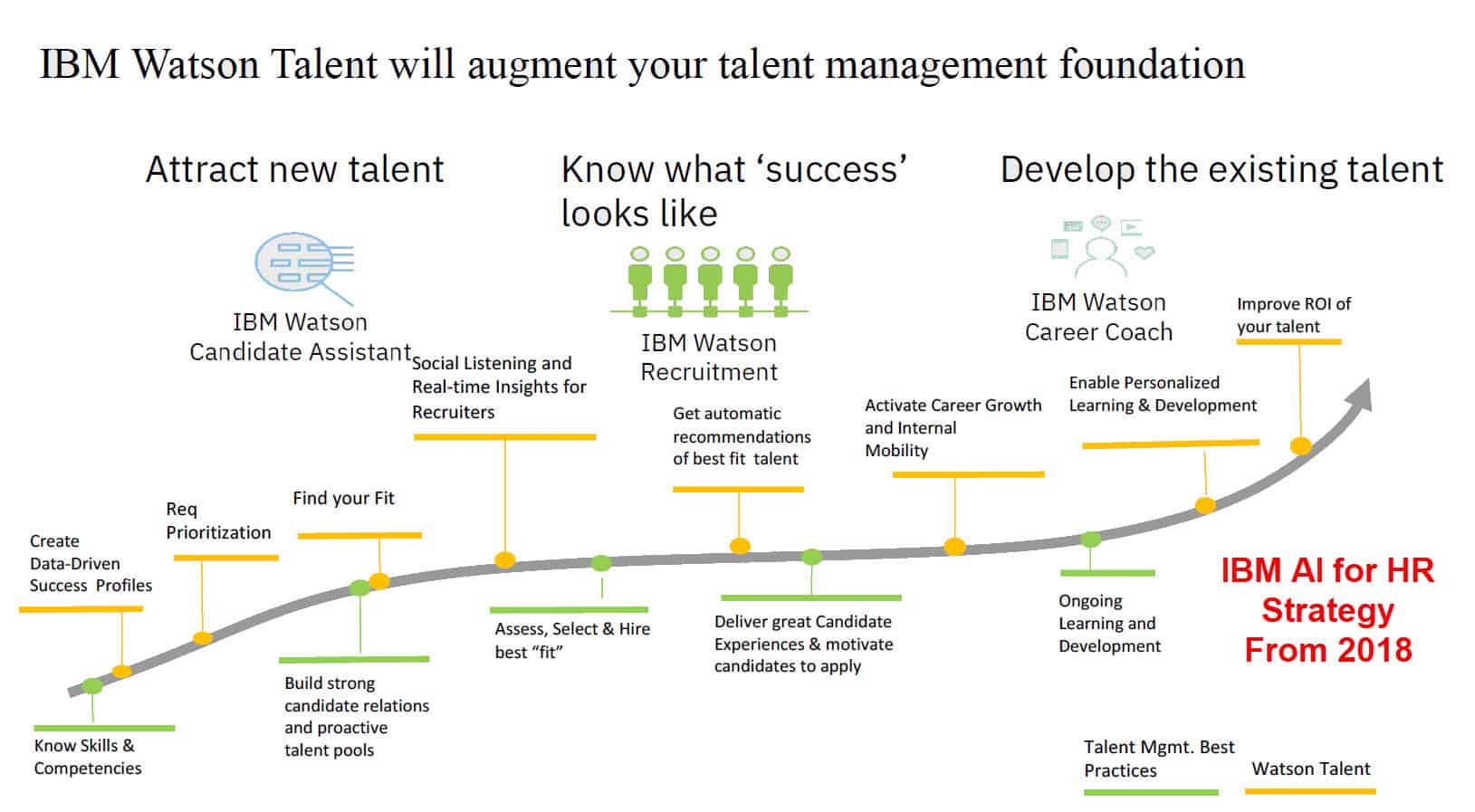
    Yes, HR Organizations Will (Partially) Be Replaced by AI, And That’s Good I adore the human resources profession. These folks are responsible for hiring, development, leadership development, and some of the most important issues in business. And despite the history of HR being considered a compliance function, the role is more important than ever. CHRO salaries, for example, have increased at 5-times the rate of CEO pay over the last twenty years, demonstrating how essential HR has become. That said, we have to be honest that AI is going to disrupt our role. This week IBM formally announced that 94% of typical HR questions are now answered by its AI agent, and the role of HR Business Partner is all but eliminated except for very senior leaders. As a result the CEO plans to reduce HR headcount and shift that budget towards sales and engineering. Let’s accept the fact that we are in a time of increasing acceleration. In other words, the capabilities of AI are growing much faster than our organizations” ability to adapt, so we have to lean forward and start redesigning our companies. In the case of HR, our Systemic HR model (which we launched two years ago) is now being fully automated by AI. I know IBM’s story well, and I think it explains where all HR teams are going. Many years ago Diane Gherson (prior CHRO) started AI projects to automate recruitment, pay analysis, and performance management. She spoke at our conference eight years ago and shared how IBM’s pay tool (CogniPay was launched in 2018) uses AI to make pay recommendations based on skill. This type of tool, which was years ahead of the “skills-based” strategies we see today, essentially automated many of the performance and pay decisions left to managers.   Since then IBM has gone much further, and in my last conversation with Nickle Lamoureux (current CHRO) she told me the AI agent helps write performance reviews, creates development plans, and coaches managers and senior leaders on a myriad of performance based decisions. I totally believe this because I see Galileo doing these kinds of things for companies every day. (Check out the Mercury release.) How does this impact the roles and jobs in HR? Well it definitely eliminates many. In the case of L&D or HR business partners, I believe we could see a 20-30% or more reduction in HR headcount per employee. And that means these individuals may wind up managing the AI platforms, moving into roles as change consultants (which AI still can’t do), or move into areas like org design, learning architect, and data management. I think this is all a good thing. While we all worry about AI taking our jobs, we have to remember that our real job is not to “do things” but to “add value” and bring complex problem solving skills to our companies. And in this journey to “crawl up the value curve,” we all have to learn to use AI, develop AI solutions, and think more systemically about how our companies go to market. I recently interviewed a brilliant HR leader (podcast coming) at WPP who explained how he and his team rationalized their job architecture from 65,000 job titles to only 600 by using new AI tools from OpenAI and Reejig (a work intelligence vendor). As you’ll hear in his story, this effort was a combination of data management, business analysis, change management, and leadership. The results of this work, which are still ongoing, is the opportunity for WPP to dramatically change its go to market strategy, innovation, and growth. That’s the kind of thing we want our HR teams to do. And as these various agents hit the market (see my latest view of the market below), HR professionals are going to have to train them, implement them, and “manage them” for long term success. This means analyzing the cross-functional data they produce, extend them into better decision-making, and move our thinking from dated concepts like “time to hire” and “course completion rates” to meaningful measures like “time to revenue” or “time to productivity” or “time to customer service excellence.” See where I’m going? In a time of increasing technology acceleration we have to “lean in” as hard as we can. Stop thinking about how much money we save on headcount (which is a fleeting benefit, by the way) and focus on value creation. That’s the big benefit of AI: customer service quality, time to market, and innovation. In many ways these “HR downsizing” stories are really stores of “HR crawling up the value curve,” which is really a good thing. And for HR professionals, it’s a time for personal reinvention.
    AI adoption
    2025年05月16日
  • AI adoption
    The best HR & People Analytics articles of March 2025 2025年3月的《Data Driven HR Monthly》由人力分析专家David Green主编,汇集了全球最新的HR与人力分析领域的重要洞察。文章聚焦于“技能驱动型组织”、“CHRO领导力崛起”与“生成式AI在HR中的落地应用”等核心主题。Insight222最新研究指出,若CHRO和高管团队以身作则地使用数据,HR人员在日常工作中应用人力分析的可能性将提高三倍。Mercer报告显示,高技能效能企业中有73%建立了系统的技能目录。此外,Deloitte《2025全球人力资本趋势》强调,应在“组织文化”“员工个人成长”“企业社会价值”三者之间平衡张力。McKinsey指出,25%的企业通过应用生成式AI,HR成本下降超过10%。Josh Bersin研究则揭示,13%的CHRO已跻身企业前五高薪高管,展现出其日益增强的战略地位。本期还涵盖了关于员工体验设计、DEI策略调整、混合办公模式下的设计思维、HR技术成熟度评估、员工聆听模型等多项实务建议,是HR从业者和决策者必读的专业内容合集。 I was reflecting this weekend that I have now been in the people analytics field for over a decade. Much has changed during that time, but three constants have been the Wharton People Analytics Conference, People Analytics World and UNLEASH. All have acted as a source of inspiration to me and an unmissable opportunity to connect with others in our field. As such, I am looking forward to attending and speaking at all three events in the coming weeks. First, I’m excited to be speaking for the first time at the Wharton People Analytics Conference in Philadelphia on April 10 and 11 on Unlocking the Power of Data: The Case for Analytics Democratization. Other speakers include: Amy Edmondson, Ravin Jesuthasan, Ben Waber, Jennifer Kurkoski, Guru Sethupathy, Siri Chilazi, and Michael Fraccaro. Next up, I’ll be co-chair and opening keynote speaker at People Analytics World in London on April 29 and 30, where I’ll be sharing some of the research and work we do at Insight222. Other speakers include: Dawn Klinghoffer, Alexis Saussinan, and Cole Nussbaumer. The week after, I’ll be heading back to the US for Unleash America, which takes place in Las Vegas, and where I’ll be moderating the Unleash Talent Summit on May 6, and the AI Track on May 7 and 8. Other speakers include; Adam Holton, Anshul Sheopuri, Sue Lam, Avani Prabhakar, Christy Pambianchi, and Amy Coleman. I hope to see some of you in Philadelphia, London and/or Las Vegas. This edition of the Data Driven HR Monthly is sponsored by our friends at Mercer Putting skills to work: Benchmarking skills-powered success The scale of skills gaps poses an existential threat to businesses’ ability to get work done. The velocity and volatility of change associated with these gaps stems from compounding trends across geopolitics, climate, demographics and the AI revolution. How can organizations keep pace when supply fails to meet shifting demand? Accelerating agility is one answer. By connecting the dots between skills and the specific tasks that are changing, employers can unlock new ways to connect people to work (beyond moving them from one job to another). A skills taxonomy lays the groundwork: Mercer’s 2024-2025 Skills Snapshot Survey Report shows that 73% of companies with high skills effectiveness have a skills catalog. While technology makes skills mapping easier, the overall journey can feel overwhelming. HR capacity concerns often stop teams from taking the first step to becoming skills-powered. To put skills to work in a manageable way, think big but start small with a pilot program. This may be for a specific talent process like internal mobility or talent acquisition in the context of a fast-changing business area. Find more strategic skills insights in Mercer’s 2024-2025 Skills Snapshot Survey report, including: Building the path to a skills-powered organization Mapping skills to employees Linking skills with rewards Overcoming obstacles Get the Snapshot Enterprises who realize the full potential of Skills-Powered Organization practices use skills to revolutionize how they work, modernize talent deployment, and rethink development and rewards. Their journeys are underpinned by a shared vision and a strong data foundation. To sponsor an edition of the Data Driven HR Monthly, and share your brand with more than 140,000 Data Driven HR Monthly subscribers, send an email to dgreen@zandel.org. MARCH ROAD REPORT March turned into a month of highs and lows. Focusing on the former, the first week of March witnessed the most successful and well-attended Peer Meeting yet for member companies of the Insight222 People Analytics Program®, hosted by NBC Universal at their iconic global headquarters at the Rockefeller Center in New York. A huge thank you to Jamie Nevshehir and Jennifer Mandelson for hosting as well as our speakers at the event: Dawn Klinghoffer, Lynette Carlson, Olga Dobromyrova, Geetanjali Gamel, Anshul Sheopuri and Jeremy Shapiro. March also saw me deliver two conference keynotes in my home city of London. First up, I had the privilege of delivering the closing keynote at HiBob’s Heartcore HR event in London (see here) – thanks to Emily Hanssen Arent for inviting me and Toby Hough for hosting. The following week, I had the pleasure of delivering another closing keynote – this time at the Workhuman Forum Live – on how data-driven storytelling can elevate HR’s impact and role in shaping the future (see here) – thanks to Maya Lane and Kathryn Santora for inviting me. Join me for an Insight222 webinar on April 2 on building data literacy in HR at scale. In our research at Insight222, we have found that when both the CHRO and the HR leadership team role-model the use of people data and analytics, HR practitioners are three times more likely to use those insights in their day-to-day work. That’s the kind of cultural shift that unlocks business impact, strategic alignment, and organisational capability. If you’re interested in learning more about why data literacy is central to the success of both the HR function and the wider business—please join Naomi Verghese along with Shannon Rutledge, Director of People Analytics & Data Solutions at T. Rowe Price, and me on 2 April 2025 at 4:00 PM BST for our upcoming webinar, “Upskilling the HR Profession – Building Data Literacy at Scale”. Share the love! Enjoy reading the collection of resources for March and, if you do, please share some data driven HR love with your colleagues and networks. Thanks to the many of you who liked, shared and/or commented on February’s compendium. If you enjoy a weekly dose of curated learning (and the Digital HR Leaders podcast), the Insight222 newsletter: Digital HR Leaders newsletter is usually published every other Tuesday – subscribe here – and read the latest edition. HYBRID, GENERATIVE AI AND THE FUTURE OF WORK HELEN POITEVIN - AI in HR: Hits, Misses and Growing Pains Skills-based talent management cannot scale or be sustainable long-term without AI-enabled skills management. Writing for Gartner, Helen Poitevin presents a AI use-case prism for human capital management (see FIG 1) before providing detailed insights on AI in HR across three key areas: recruiting, virtual assistants and skills in terms of what’s working and what isn’t as well as areas requiring more focus (growing pains) and what to expect next. For example, with AI-enabled skills management, AI is helping organisations to scale and personalise but is still struggling to incorporate unstructured skills data. Helen recommends starting with the teams that are most ready for using skills data alongside creating a long-term skills vision and ambition. She also highlights that growth in the use of AI based skills management tools is set to rise: “Gartner predicts that by 2028, 40% of large organizations will have invested in two or more AI-enabled skills management solutions with the aim of delivering business agility.” Thanks to Brian Heger for highlighting in his excellent Talent Edge Weekly newsletter. FIG 1: AI use-case prism for human capital management (Source: Gartner) McKINSEY - The state of AI: How organizations are rewiring to capture value The latest McKinsey Global Survey on AI finds that the use of AI (both generative and analytical) is increasing with three-quarters of organisations using AI in at least one business function. From a people and HR perspective there are a number of takeaways from the report including these five: (1) Just over 20% of companies have created a comprehensive approach to foster trust among employees in the use of GenAI. (2) 31% of large and 17% of small organisations have established capability-based training courses designed to help employees use GenAI appropriately. (3) AI is shifting the skills organisations need with roles on risk and ethics on the rise and those in data-visualisation reducing. (4) There is an increased focus on reskilling with companies expecting this to further increase in the next three years (see FIG 2). (5) Across industries 13% of companies report they are using GenAI regularly in HR with the media and telecom sector highest at 22%. (6) 25% of companies report cost reductions in HR of more than 10% in the second half of 2025. Kudos to the authors: Alex Singla, Alexander Sukharevsky, Lareina Yee, and Michael Chui, with Bryce Hall. FIG 2: Employee reskilling due to AI use (Source: McKinsey) DELOITTE - 2025 Global Human Capital Trends: Navigating complex tensions and choices in the worker-organization relationship Organizations that successfully increase the capacity of workers to grow personally, use their imagination, and think deeply are: 1.8 times more likely to report better financial results, 1.4 times more likely to say they are creating broad value for customers, community, and society, and 1.6 times more likely to say they provide workers with meaningful work. Deloitte’s annual Global Human Capital Trends report is always insightful, thought-provoking and forward-looking, and the 2025 edition does not disappoint. The introduction sets the scene and highlights the need for organisations and leaders to find a balance between competing tensions (see FIG 3). The report has eight chapters organised around three themes of work, workforce, and organisation and culture, and what it means to navigate the tensions in them. As ever, the report is packed full of insights, visualisations and data – I particularly found the analysis on AI’s potential silent impacts interesting (see FIG 4). Kudos to the authors who include: Susan Cantrell, David Mallon, Kevin Moss, Nicole Scoble-Williams GAICD, and Yves Van Durme. FIG 3: Navigating the tensions (Source: Deloitte) FIG 4: AI’s potential silent impacts (Source: Deloitte) PEOPLE ANALYTICS NAOMI VERGHESE - The Importance of Data Literacy Skills for HR Professionals By embracing people data and analytics, HR can move beyond traditional administrative functions and become a key driver of business success. Insight222’s most recent People Analytics Trends survey confirms that scaling data literacy is a strategic priority for CHROs, with 85% of companies confirming that the CHRO has emphasised people data and analytics as an essential component of the HR strategy. However, only 58% of companies report that they have a data-driven culture for people data and analytics today, and only 51% of companies report that HR Practitioners are actively developing their data literacy skills to become more data driven. In her article, Naomi Verghese provides examples of data literacy in practice (see FIG 5), and highlights five skills for HR professionals to develop data literacy (including being able to tell stories with data) FIG 5: Examples of data literacy in HR in practice (Source: Naomi Verghese, Insight222) MARTHA CURIONI - Analytical AI vs Gen AI – What’s the Difference? | PRABHAKAR PANDEY - Understanding the European Union's Pay Transparency Directive | ALEXIS FINK - The Power of Responding instead of Reacting | RICHARD ROSENOW - An (updated) interview with an unusual People Analytics Expert - ChatGPT 4.5 | SCOTT REIDA - Evaluating Talent Hubs: A Data-Driven Approach using GenAI w/Tableau In each edition of the Data Driven HR Monthly, I feature a collection of articles by current and recent people analytics leaders. These are intended to act as a spur and inspiration to the field. Five are highlighted in this month’s edition. (1) Martha Curioni provides a helpful primer on the differences between analytical AI and generative AI in a HR setting (see FIG 6).  (2) Prabhakar Pandey provides a detailed examination on the background, objectives, key provisions, and potential impacts of the EU’s Pay Transparency Directive on employers, employees, and the broader European economy. (3) Alexis Fink provides a timely guide on the power of responding instead of reacting. (4) Richard Rosenow fires a series of questions related to people analytics at ChatGPT 4.5, and gets a pretty good set of answers. (5) Scott Reida walks through a structured, GenAI-powered methodology for evaluating talent hubs using ChatGPT, which explains how to define clear objectives, select job families and locations, weight decision factors, and visualise results for smarter, faster insights. Thanks to Hung Lee and Toby Culshaw for highlighting Scott’s article. FIG 6: The differences between analytical and generative AI (Source: Martha Curioni) THE EVOLUTION OF HR, LEARNING, AND DATA DRIVEN CULTURE DAVE ULRICH - Six Actions for HR to Create More Stakeholder Value How can HR create more value for all stakeholders? That’s the question posed by Dave Ulrich at the start of his article. As he explains, answering this pivotal question enables HR leaders to make informed choices about where to prioritise their work and then intentionally share what they are doing and its business impact. In the article, Dave outlines HR’s key stakeholders and the outcomes they require, a human capability framework that integrates 38 initiatives into four pathways, how to focus on outcomes as opposed to activities, and how we can get more precise when it comes to prioritising our work. FIG 7: Six actions, questions, next steps to create stakeholder value from human capability KATE BRAVERY, JOANA SILVA, AND JENS PETERSON | MERCER - Workforce 2.0: Unlocking human potential in a machine-augmented world - Global Talent Trends 2024-25 The world of work is in full metamorphosis, forever changed by the seismic shifts of recent years and accelerated by the imminent human-machine teaming revolution. The rise of generative AI has been met with equal measures of unease and excitement, changing not only how people work but the work experience itself…Unlocking the potential of this new world of work means keeping people at the heart of the transformation agenda. These are an abridged version of the opening words from the Mercer Global Talent Trends report for 2024-25, which has recently been published. As ever, the study, which is based on a survey of 14,400 executives, HR leaders, employees, and investors, and is authored by Kate Bravery Joana Silva and Jens Peterson – with contributions from the likes of Jason Averbook, Ilya Bonic, Lewis Garrad, Ravin Jesuthasan, CFA, FRSA, Jean Martin and JESS VON BANK is an absolute must-read. As in previous years, the study highlights a disconnect between what HR is prioritising for the 2025 people agenda and the initiatives that executives believe will have the most impact on business growth (see FIG 8). The analysis also highlights that improving people managers’ skills (up from 9th in 2024 to 1st in 2025) and designing talent processes around skills (up from 8th to 3rd) are high on HR’s agenda. The study identifies and breaks down four priorities that firms that outpace their competitors are focusing on: (1) Driving human-centric productivity. (2) Anchoring to trust and equity. (3) Boosting the corporate immune system (including highlighting the importance of insights and analytics – see FIG 9). (4) Cultivating a digital-first culture. My tip to enjoy the study: find a couple of hours, make yourself a cup of tea and have a pen and paper to hand. FIG 8: HR priorities for the 2025 people agenda (Source: Mercer Global Talent Trends 2024-25) FIG 9: What gets measured gets managed (Source: Mercer Global Talent Trends 2024-25) JOSH BERSIN AND KATHI ENDERES - Secrets Of The High Performing CHRO The CHRO role is critical for business success, with CHROs serving as C-suite leaders first, and HR function leaders second. In his article previewing his new paper with Kathi Enderes, Understanding the Path to CHRO, Josh Bersin cites a recent study by Nick Bloom and Mert Akan (see here), which finds that 13% of CHROs are among the top five highest-paid executives in their organisations, a sharp rise from just 0.5% thirty years ago. The paper outlines the role of the CHRO, career trajectories, education, experiences, and high-level success drivers, along with the implications for leaders. Findings include: (1) More than 75% of CHRO appointments come from the outside, indicating a lack of CEO confidence in HR and/or a lack of succession planning for this job. (2) There are four major archetypes of CHRO (see FIG 10): Career CHRO (who change companies regularly), Company CHRO (who grow up inside the company), Business CHRO (who are rotated into the job from non-HR roles), and Operations CHRO (who come from legal, finance, or operations background). (3) Business CHROs drive the greatest change and impact. FIG 10: Four paths to the CHRO (Source: The Josh Bersin Company) WORKFORCE PLANNING, ORG DESIGN, AND SKILLS-BASED ORGANISATIONS MCKINSEY - The critical role of strategic workforce planning in the age of AI S&P 500 companies that excel at maximizing their return on talent generate an astonishing 300 percent more revenue per employee compared with the median firm In many cases, these top performing firms are using strategic workforce planning to stay ahead of their competitors in the talent race, treating talent with the same rigour as managing their financial capital. In their article, Neel Gandhi, Sandra Durth, Vincent Bérubé, Charlotte Seiler, Kritvi Kedia and Randy Lim, highlight how the emergence of generative AI is making strategic workforce planning even more important (see FIG 11), and discuss five best practices for building a holistic talent plan through SWP: (1) Prioritise talent investments as much as financial investments. (2) Consider both capacity and capabilities. (3) Plan for multiple business scenarios. (4) Take an innovative approach to filling talent gaps – by refocusing from hiring to reskilling and upskilling. (5) Embed SWP into business as usual: Strategic workforce planning should become a business-as-usual process, not just a one-off exercise in the face of a single threat to an organization’s talent pipeline or business goals. FIG 11: The impact of GenAI on tasks that previously had low potential for automation  (Source: McKinsey) JOSH TARR - Key Skills-Based Strategies for Building a More Agile and Resilient Workforce | WORKDAY – The Global State of Skills Skills-based strategies are transforming the workplace into a more dynamic, adaptable, and equitable environment. Josh Tarr shares key findings from Workday’s recently published The Global State of Skills report, which finds that 51% of business leaders are concerned about a looming talent shortage, with only 32% in agreement that their organisation possesses the skills needed for future success. The article examines three key skills-based strategies: (1) Skill Identification: Building an Accurate Picture of Workforce Capabilities. (2) Skills-Based Hiring: Focusing on What People Can Do, not Their Credentials. (3) Upskilling and Reskilling: Elevating the Workforce. Thanks to Sophie Barnes for highlighting. FIG 12: Top drivers and anticipated outcomes for becoming a skills-based organisation (Source: Workday) EMPLOYEE LISTENING, EMPLOYEE EXPERIENCE, AND EMPLOYEE WELLBEING PATRICK COOLEN AND SANDER DE BRUIJN - 7 Golden Rules For Improving Employee Experience Effective EX solutions are built on an iterative and evidence-based approach while co-creating with employees. In their article, Patrick Coolen and Sander de Bruijn of KennedyFitch share their experience and insights on how to do continuous employee listening and improve employee experience. They share seven ‘Golden Rules’ for improving employee experience including: (1) Applying the ‘Triple Diamond Model’ (see FIG 13) in order to capture, understand and act on your employees' needs and ambitions. (2) Ensuring strategic positioning (“EX is a strategic capability, so the responsible team should be positioned in HR accordingly”). (3) Aiming for hyper-personalisation (“By understanding employee differences, organisations can tailor experiences to be more personalised and meaningful”). Read the article to learn about the other golden rules as well as letting Patrick and Sander know what rules eight, nine and ten should be. FIG 13: The ‘Triple Diamond Model’ to drive employee experience (Source: Patrick Coolen and Sander De Brujin) DANIEL WENTZEL, ALICE MINET, STEFAN RAFF-HEINEN, AND JANINA GARBAS - How Remote Work Changes Design Thinking A key advantage of the design-thinking process over other innovation methods is its emphasis on the user experience. Design thinking and user centred design are critical tools in building an exceptional employee experience – and HR practitioners can learn much from how these tools are applied to customer experience. In their article for MIT Sloan Management Review, Daniel Wentzel, Alice Minet, Dr. Stefan Raff-Heinen, and Dr. Janina Garbas share advice for leaders on structuring the design-thinking process to exploit the best features of both physical and virtual environments for more effective ideation, customer experience research, and other design-thinking steps. As outlined in FIG 14, effectively combining physical and virtual formats throughout the design-thinking process allows innovation leaders to harness the distinct advantages of each setting. FIG 14: How to set up hybrid design thinking processes (Source: Wentzel et al) LEADERSHIP, CULTURE, AND LEARNING STUART L. HART - How to Embed Purpose at Every Level In his article, drawn from his book, Beyond Shareholder Primacy: Remaking Capitalism for a Sustainable Future, Stuart L. Hart presents a practical framework and approach for truly embedding societal purpose, drawing upon the experience of several innovative companies. This framework imagines the company as a house of transformational sustainability – see FIG 15 – where the shared values are the foundation, the roof is the company purpose, the middle floor is the core elements of strategy. The article examines of the elements of the corporate architecture in more depth, along with examples from the 15 companies Hart and his team studied as part of their work: (1) What We Believe: Values (“The transformational companies we examined established a strong foundation built on their organizations’ values”). (2) Why We Exist: Purpose. (3) What We Solve: Aspirations and Quests: (“Together, aspirations and quests serve as the fulcrum for change in leading-edge companies, translating purpose and intention into strategy and operating reality”). (4) How We Win: Strategies and Initiatives. (5) What We Track and How We Accelerate: Goals and Metrics, Rewards and Incentives. FIG 15: The House of Transformational Sustainability (Source: Stuart L. Hart) DIVERSITY, EQUITY, INCLUSION AND BELONGING DANIEL ZHAO – DEI Data Points on Glassdoor | JOELLE EMERSON – Analysis on EEOC Assessment of Unlawful DEI Initiatives | MEG A. WARREN – Amid DEI Rollbacks, Champion Allyship | JEREMIE BRECHEISEN, TERESA ALMEIDA AND NIKITA - When Does a Regional Approach to DEI Make Sense for Multinational Companies? | BRANDON DENON - In the US, DEI is under attack. But under a different name, it might live on With the continuing uncertainty around Diversity, Equity and Inclusion, as with the February edition of Data Driven HR Monthly, I wanted to share some of the resources I’ve consumed on this topic with readers: (1) Daniel Zhao shares a number of DEI related data points from Glassdoor, which perhaps not surprisingly has seen that conservations on DEI have surged on Glassdoor’s community platform (see FIG 16). (2) DEI expert Joelle Emerson provides an initial assessment of the EEOC’s recent guidance on unlawful DEI initiatives. (3) Meg Warren, Ph.D. presents research that finds that abandoning DEI initiatives can harm both performance and workplace culture – with inclusive workplaces being better for workers and our businesses. (4) Jeremie K Brecheisen, Teresa Almeida, and Nikita present findings from a study by Gallup and the London School of Economics that found that 77% of companies had centralised DEI operations, but that the companies with decentralised regional operations reported greater business impact. (5) Finally, in a BBC InDepth article, Brandon Drenon writes on how companies in the US are adopting different stances to Trump’s Executive Orders. FIG 16: The rise of DEI conversations on Glassdoor (Source: Glassdoor) HR TECH VOICES Much of the innovation in the field continues to be driven by the vendor and analyst community, and I’ve picked out a few resources from March that I recommend readers delve into: EMILY KILLHAM | PERCEPTYX - The State of Employee Listening 2025 – Perceptyx's annual analysis of employee listening, authored by Emily Killham, is always a compulsory read. The 2025 edition continues the high standard with highlights including (1) How the top barriers to listening and action have changed in the last 12 months. (2) The critical risks associated with increasing burnout of HR leaders. (3) An update to Perceptyx’s 4-stage maturity model that describes the progression of an employee listening and action program from its most fundamental to its most robust. FIG 17: Employee listening maturity model (Source: Perceptyx) PHILIP ARKCOLL - The AI Maturity Curve: Measuring AI Adoption in your Organization – Philip Arkcoll, CEO at Worklytics , sets out a compelling framework for measuring the impact of AI on your organisation – the AI Maturity Curve (see FIG 18), which is comprised of three stages: Adoption (focused on uptake), Proficiency (focused on impact), and Leverage (focused on productivity gains). FIG 18: Measuring the impact of AI on your organisation (Source: Worklytics) DIRK JONKER AND RALF BOVERS - How common are people analytics teams? – In a recent edition of Crunchr’s newsletter, The HR Crunch, Dirk Jonker and Ralf Bovers provide some illuminating insights into the size and location of companies that have people analytics teams (see FIG 19) with the US and larger companies leading the way. FIG 19: Companies with people analytics teams (Source: Crunchr) ERNEST NG - AI Holds the Potential to Lead Organizations Into an Era of Abundance – Workday’s Ernest Ng, PhD discusses how AI agents will impact how we think about the organisation and challenge common HR orthodoxies. His article outlines how we can reimagine the organisation with a ‘beginners mind’ if we were not bound by the limitations of time and human attention, why AI is potentially transformational, and where to go from here. FRANCISCO MARIN - Measuring the Impact of Organizational Network Analysis (ONA): From Insights to Tangible ROI - Francisco Marin and the Cognitive Talent Solutions team share a helpful primer on how to measure the ROI of organisational network analysis (ONA), which includes a table (see FIG 20) with example use cases and ROI estimates. FIG 20: ONA Use Cases & Hard Savings Estimations (Source: Cognitive Talent Solutions) PODCASTS OF THE MONTH In another month of high-quality podcasts, I’ve selected five gems for your aural pleasure: (you can also check out the latest episodes of the Digital HR Leaders Podcast – see ‘From My Desk’ below): DR. HOLLY LAM - Bridging the Chasm Between People Analytics & the Business – Holly Lam, PhD joins hosts Cole Napper and Scott Hines, PhD on the Directionally Correct podcast to discuss what it’s like to be decision maker in the business and move back to people analytics. BRENDA KOWSKE - Strategic Workforce Planning in the Age of AI – In an episode of Workplace Stories, hosts Stacia Sherman Garr and Dani Johnson speak with Brenda Kowske about how her people analytics and workforce planning team is breaking down traditional HR silos, integrating workforce planning into business decisions, and staying ahead of the curve with AI and skills-based planning at Boston Scientific. ARNE-CHRISTIAN VAN DER TANG – CHRO Insights – Arne-Christian Van Der Tang, CHRO at TomTom, joins Kathi Enderes on the What Works podcast to explain why the CHRO is no longer an HR leader, but now a business transformation executive. IAN WILSON - How Amazon Builds High-Performing Teams – Ian Wilson, VP HR at Amazon, speaks to Christopher Rainey on the HR Leaders podcast about how Amazon builds high-performing teams, the role of psychological safety, and HR’s role in driving business impact. BRYAN HANCOCK AND BROOKE WEDDLE - How to get return to office right - In this episode of McKinsey Talks Talent, Bryan Hancock and Brooke Weddle speak with host Lucia Rahilly about their recent research on the opportunities and challenges of RTO—and how leaders can drive productivity, collaboration, and innovation successfully. VIDEO OF THE MONTH AMIT MOHINDRA AND HEATHER WHITEMAN – People Analytics Career Skills Live! Two giants of people analytics – Amit Mohindra and Heather Whiteman, Ph.D., who both featured on the recent list of Top 20 People Analytics Influencers join forces as Amit shares his career journey, the key skills for success in people analytics, and a wealth of invaluable advice. The webinar includes a demonstration of how to leverage basic descriptive analytics to perform predictive analytics. BOOK OF THE MONTH KWEILIN ELLINGRUD, LAREINA YEE, AND MARÍA DEL MAR MARTÍNEZ – The Broken Rung: When the Career Ladder Breaks for Women and How They Can Succeed in Spite of It For every 100 men who are promoted to manager, only 81 women get promoted. This causes women to fall behind men early on – far below the ‘glass ceiling’. This is what Kweilin Ellingrud, Lareina Yee, and Maria del Mar Martinez have coined “the broken rung”. Their book is based on a decade of research, their own experiences as the first three chief diversity and inclusion officers for McKinsey, interviews with 50 leaders, and is a guide to help women accelerate their career growth. For a preview of the book, I recommend reading a recent article by the authors: How Women Can Win in the Workplace. RESEARCH REPORT OF THE MONTH FABRIZIO DELL’ACQUA ET AL - The Cybernetic Teammate: A Field Experiment on Generative AI Reshaping Teamwork and Expertise Our results suggest that AI adoption at scale in knowledge work reshapes not only performance but also how expertise and social connectivity manifest within teams, compelling organizations to rethink the very structure of collaborative work. This new paper summarises the findings from a study of how AI transforms the core pillars of collaboration – namely performance, expertise sharing, and social engagement – through a field experiment with 776 workers at Procter & Gamble. The findings include: (1) AI significantly enhances performance, (2) AL breaks down functional silos. (3) AI’s language-based interface prompted more positive self-reported emotional responses among participants (see FIG 21). The paper is a collaboration between Fabrizio Dell'Acqua, Charles Ayoubi and Karim Lakhani from the Digital Data Design Institute at Harvard along with Hila Lifshitz, Raffaella Sadun, Ethan Mollick, and Lilach M., and Yi Han, Jeff Goldman, Hari Nair, and Stewart Taub from Procter & Gamble. You can also read Ethan Mollick’s article on the research: The Cybernetic Teammate. FIG 21: Working with AI leads to better emotional experiences (Source: Ethan Mollick) BONUS RESOURCES Some bonus resources to consume this month feature articles from five of my favourite newsletters: Lars Schmidt ’s personal and compelling Confessions of a Reluctant Thought Leader explains why he has shifted back from being an influencer to an operator. Much of this really resonates. In AI’s battle of the skills: upskilling vs deskilling, Laetitia Vitaud asks and then answers the question: “Does generative AI mostly amplify the skills of experienced workers, or does it level the playing field by enabling less experienced, less qualified workers to perform at higher levels?” Andrew Spence’s Workforce Futurist is consistently one of the most insightful newsletters out there – his latest: Seven Ways Technology is Making Us More Human, Not Less is a must-read. Serena H. Huang, Ph.D.’s From Data to Action has close to 10,000 subscribers, and it’s easy to see why as the latest edition: The Future of Work is Wellbeing—And It’s Broken Without Inclusion, tackles an important and timely topic in her typically insightful and personal style. Not many understand the world of HR Tech better than Thomas Otter as his excellent Work in Progress substack consistently testifies. In Explaining M&A through the lens of Income Statement v Balance Sheet analyses two very different recent acquisitions: ServiceNow and Moveworks. and Deel and the global payroll business of Safeguard. As an additional bonus, I also want to highlight the inaugural edition of Phil Kirschner’s The Workline, which features an exclusive interview with Annie Dean of Atlassian on their “Cost Per Visit” metric. See: Exclusive Case Study: Atlassian Humanized the Office with One New Metric. FROM MY DESK March saw the final four episodes of series 45 the Digital HR Leaders podcast, sponsored by our friends at Amazing Workplace, Inc. KATHERINE MACNAUGHTON - How Manulife Improved Employee Experience Through Transforming Its Organisational Culture - In this episode I talk to Katherine Macnaughton, CHRL, Vice President of Global Talent Management and Development at Manulife, about how Manulife is embedding purpose into every stage of the employee journey. SHON HOLYFIELD - Why Measuring Happiness Matters Just as Much as Engagement - Shon Holyfield, Founder and CEO of Amazing Workplace, Inc., joins me to explore how focusing on employee happiness can transform business outcomes. LUCY ADAMS - How HR Can Lead Successful Digital Transformation Initiatives – Lucy Adams, CEO of Disruptive HR and former CHRO at the BBC and Eversheds, joins me to discuss how HR can lead digital transformation and enable business leaders to be change champions. ANNA TAVIS - How to Drive Workforce Experience and Learning with Digital Coaching - Anna A. Tavis, PhD, Chair of the Human Capital Management Department at New York University and co-author (with Dr. Woody Woodward, PhD, PCC) of The Digital Coaching Revolution, joins me to explore how organisations can move from traditional coaching methods to scalable AI-powered solutions. LOOKING FOR A NEW ROLE IN PEOPLE ANALYTICS OR HR TECH? I’d like to highlight once again the wonderful resource created by Richard Rosenow and the One Model team of open roles in people analytics and HR technology, which – as Richard’s latest newsletter reveals - now numbers over 525 roles. Look out too for Richard's latest newsletter analysing the current job market. THANK YOU The Economic Times for including Excellence in People Analytics in their Top 20 books HR professionals should consider reading in 2025 Joachim Rotzinger for featuring me in the inaugural issue of his #OrgPeople series, which highlights individuals who are shaping the way we think about organisations and analytics: you can read Joachim’s post here. Chrishtica Sivakumar for including me in her list of 11 HR Professionals to follow and learn from. Similarly, K Nair for including me in his 25 Must-Follow LinkedIn Accounts for HR in 2025. Congratulations to Sukumaran Mariappan on 25 years of growth and gratitude – and thanks for including me as one of 20 people you highlight for having helped you on your journey. Marc Voi Chiuli. (MSc. HRM. Assoc CIPD. MIHRM.) for referencing Excellence in People Analytics in his recent article: HR Analytics Is Here! Are HR Practitioners Ready to Adopt this New Trend and Take Their Businesses to the Next Level? I always enjoy reading posts from listeners of the Digital HR Leaders podcast summarising their key takeaways and learnings from individual episodes. Two great examples (the first from the recent episode with Lucy Adams on HR’s role in transformation and the second with Anna Tavis on digital coaching come from Shrez Ghelani (here) and Olimpiusz Papiez (here). Finally, a huge thank you to the following people who either shared the February edition of Data Driven HR Monthly and/or posted about the Digital HR Leaders podcast, conferences or other content. It's much appreciated: Sam Streak, Anja Leschly, Thomas Kohler, Raja Sengupta, Brandon Merritt Johnson, Galo Lopez Noriega, Mike Madelin FCIPD, Megan Reif, Johann Cheminelle, Gerard Kiely, Charlotte Copeman, Clodagh Scannell, Matthew Phelan, Catriona Lindsay, Aurélie Crégut, Keji Fakeye, MS, CSM, Jose Luis Chavez Vasquez, Kouros Behzad, Jarret O., Callum MacRae, Dan George, Francesca Gabetti, Susana Pires, Felipe Jara, Laurent Reich, Bob Pulver, Megan Sherman, Ph.D., Diego Miranda ??, Amardeep Singh, MBA, Viktoriia Kriukova (Вікторія Крюкова), Krista V., David Simmonds FCIPD, Danielle Farrell, MA, CSM, Ian OKeefe, Sanja Licina, Ph.D., Deborah M. Weiss, Dean Carter, Dan Riley, Sibusiso Mkhize, Nitish Kumar, Aravind Warrier, Sarajit Poddar, Preetha Ghatak Mukharjee, Lewis Garrad, Greg Pryor , Kris Saling, Nick Lynn, Shirley Mariole, MPNGHRI, Richard Bretzger, Till Alexander Leopold, Kyle Forrest, Erik Samdahl, Ralf Buechsenschuss, David Boyle, Ben Berry, Amanda Nolen, Andrew Pitts, Swechha Mohapatra (IHRP-SP, SHRM-SCP, CIPD), Linpei Zhang, Moïra Taillefer, Sonia Mooney, Kathleen Kruse, Timo Tischer, Volodymyr Shevchenko Rebecca Ray, Anyuta Dhir, Tobias W. Goers ツ, John Guy, Kristin Saboe, Ph.D., Caitie Jacobson Mikulis, Hesham Ahmed, Daisy Grewal, Ph.D., Brian Elliott, Paola Alfaro Alpízar, Mila Pascual-Nodusso, John Golden, Ph.D., Heather Muir, Dan Lapporte, Tina Peeters, PhD, Frankie Close, Tonille Miller, Narelle Burke, Ying Li, Raquel Mitie Harano, Saumya Singh, Joseph Frank, PhD CCP GWCCM, John Perrian, Jill Larsen, Kelly Cartwright, Paul Boyle, Paulo Henrique Bolgar, Federico Bechini, Phil Inskip, Tammy Arnaud, Anushree Kabra Tatu Westling, Brad Hubbard, Marie-Hélène Gélinas, MBA (Cand.), Aimee Shirreffs, Delia Majarín, Jo Thackray FCIPD, Gishan Nissanka, Ali Nawab, Pedro Pereira, Natasha Ouslis, PhD, David Balls (FCIPD), Nikita D'Souza, Tanya Jain, Angela LE MATHON, Graham Tollit, Mino Thomas, Dave Millner, Ingi Finnsson ?, Maria Ursu, Craig Starbuck, PhD, Stela Lupushor, Dave Fineman, Monika Manova, Hanne Hoberg, Jacob Nielsen, James McKay, Morgan Baldwin, Mattijs Mol, Sebastian Knepper, Maria Alice Jovinski, Mariami Lolashvili, Shuang Yueh Pui, PhD, Ken Clar, Andrés García Ayala, Dr Philip Gibbs, Elizabeth Esarove, Higor Gomes, Olivier Bougarel, Ron Ben Oz, Louis Gordon, Jeff Wellstead, Agnes Garaba, Erik Otteson, Stephen Hickey UNLOCK THE POTENTIAL OF YOUR PEOPLE ANALYTICS FUNCTION THROUGH THE INSIGHT222 PEOPLE ANALYTICS PROGRAM At Insight222, our mission is to make organisations better by putting people analytics at the centre of business and upskilling the HR profession The Insight222 People Analytics Program® is your gateway to a world of knowledge, networking, and growth. Developed exclusively for people analytics leaders and their teams, the program equips you with the frameworks, guidance, learnings, and connections you need to create greater impact. As the landscape of people analytics becomes increasingly complex, with data, technology, and ethical considerations at the forefront, our program brings together over one hundred organisations to collectively address these shared challenges. Insight222 Peer Meetings are a core component of the Insight222 People Analytics Program®. They allow participants to learn, network and co-create solutions together with the purpose of ultimately growing the business value that people analytics can deliver to their organisations. If you would like to learn more, contact us today. ABOUT THE AUTHOR David Green ?? is a globally respected author, speaker, conference chair, and executive consultant on people analytics, data-driven HR and the future of work. As Managing Partner and Executive Director at Insight222, he has overall responsibility for the delivery of the Insight222 People Analytics Program, which supports the advancement of people analytics in over 100 global organisations. Prior to co-founding Insight222, David accumulated over 20 years experience in the human resources and people analytics fields, including as Global Director of People Analytics Solutions at IBM. As such, David has extensive experience in helping organisations increase value, impact and focus from the wise and ethical use of people analytics. David also hosts the Digital HR Leaders Podcast and is an instructor for Insight222's myHRfuture Academy. His book, co-authored with Jonathan Ferrar, Excellence in People Analytics: How to use Workforce Data to Create Business Value was published in the summer of 2021. MEET ME AT THESE EVENTS I'll be speaking about people analytics, the future of work, and data driven HR at a number of upcoming events in early 2025: April 10-11 - Wharton People Analytics Conference, Philadelphia April 16 - Delegation Rewired: What HR Can Stop Doing, Thanks To Agentic AI, Webinar organised by People Matters April 29-30 - People Analytics World, London May 6-8 - UNLEASH America, Las Vegas June 4-6 - TALREOS (Talent Analytics Leadership Roundtable Economic Mobility Summit), Chicago June 10-11 - Insight222 Q2 North American Peer Meeting, Toronto, (hosted by Royal Bank of Canada, and exclusive to the people analytics leader in member companies of the Insight222 People Analytics Program®) June 25-26 - Insight222 Q2 European Peer Meeting, London, (hosted by BT, and exclusive to the people analytics leader in member companies of the Insight222 People Analytics Program®) July 31 - August 1 - People Matters TechHR India 2025, Delhi October 7-9 - Insight222 Global Executive Retreat, Atlanta (exclusive to the people analytics leader in member companies of the Insight222 People Analytics Program®) October 15-16 - People Analytics World, New York October 21-22 - UNLEASH World, Paris More events will be added as they are confirmed.
    AI adoption
    2025年04月14日
  • AI adoption
    麦肯锡:AI赋能职场,企业如何跨越管理障碍,实现智能化未来?员工对 AI 的适应速度远超领导层的预期 AI 如何重塑职场? 人工智能(AI)正在以惊人的速度重塑职场生态,许多企业正试图利用 AI 提高生产力、优化决策流程并增强市场竞争力。然而,AI 技术的广泛应用远非一蹴而就,企业的 AI 部署不仅涉及技术升级,更考验管理者的战略眼光和执行力。 麦肯锡的《Superagency in the Workplace》 这份报告深入研究了 AI 在职场中的应用现状,基于对 3,613 名员工和 238 名 C 级高管 的调查,揭示了企业在 AI 落地过程中的机遇与挑战。报告认为,AI 在职场的变革潜力堪比蒸汽机之于工业革命,但当前的最大障碍并非技术问题,而是领导层的行动力不足。 尽管 92% 的企业计划在未来三年增加 AI 投资,但只有 1% 认为自己 AI 发展成熟,表明大多数企业仍停留在 AI 试点阶段,尚未实现全面部署。更值得注意的是,报告发现员工对 AI 的接受度远超管理层的预期,但企业的 AI 发展速度依然滞后。领导者的犹豫和执行力缺失,正成为 AI 规模化应用的最大瓶颈。 本文将从员工接受度、领导层挑战、组织架构变革、AI 治理、商业价值实现等多个维度,介绍报告的核心观点,并补充对 AI 发展的进一步思考。 一、员工比领导更快接受 AI,企业行动缓慢 报告的核心发现之一是:员工已经在积极使用 AI,而领导者仍然低估了 AI 的普及度。 数据显示: 员工使用 AI 的频率比领导层预期高出 3 倍,但许多企业尚未提供系统性培训; 70% 以上的员工认为 AI 在未来两年内将改变至少 30% 的工作内容; 94% 的员工和 99% 的高管都表示对 AI 工具有一定熟悉度,但只有 1% 的企业认为 AI 应用已成熟。 这一现象表明,AI 在企业中的主要障碍并非员工适应能力,而是管理层的滞后决策。许多企业高管仍然停留在探索 AI 价值的阶段,而员工已经在日常工作中广泛使用 AI 工具,如自动生成文档、数据分析、代码编写等。员工在推动 AI 发展方面的主动性,远远超出管理层的认知。 然而,企业未能为员工提供足够的 AI 培训和资源,导致 AI 的应用仍然停留在浅层次,难以转化为真正的生产力提升。例如,48% 的员工认为 AI 培训是 AI 规模化应用的关键,但许多公司仍未建立 AI 学习机制。企业如果不采取措施缩小这一认知鸿沟,可能会错失 AI 带来的长期竞争优势。 二、AI 领导力挑战:速度焦虑与执行落差 尽管 AI 的发展潜力巨大,但报告指出,47% 的企业高管认为公司 AI 发展过于缓慢,主要原因包括: AI 技术成本的不确定性:短期 ROI(投资回报率)难以量化,导致企业不敢大规模投资; AI 人才短缺:AI 相关技术人才供不应求,企业缺乏相应的招聘和培养体系; 监管与安全问题:企业在数据隐私、算法透明度等方面的担忧阻碍了 AI 落地。 这种“速度焦虑”让企业在 AI 发展过程中陷入试点—停滞—观望的循环: 试点阶段:部分企业已启动 AI 试点项目,如客服自动化、数据分析等; 停滞阶段:由于短期收益不确定,试点项目难以规模化推广; 观望阶段:企业倾向于等待行业先行者经验,而非主动探索 AI 的商业价值。 报告强调,AI 的落地不仅是技术问题,更是企业管理问题。领导者需要具备更强的战略决心,加快 AI 投资,并明确 AI 在企业中的角色,才能真正推动 AI 规模化应用。 三、如何实现 AI 规模化落地? 1. AI 人才培养 AI 的大规模应用依赖于系统性的 AI 人才培训。然而,报告发现,近一半的员工认为企业提供的 AI 支持有限。企业需要采取措施: 建立 AI 培训体系,涵盖 AI 基础知识、业务应用和 AI 伦理等内容; 推广 AI 试点项目,让员工亲身参与 AI 工具的开发和使用; 设立 AI 激励机制,鼓励员工利用 AI 提升工作效率。 2. 组织架构调整 AI 不能仅仅作为 IT 部门的创新项目,而应当成为企业整体战略的一部分。报告建议: 设立 AI 战略委员会,确保 AI 发展与企业长期战略保持一致; 推动 AI 在各业务部门落地,提升 AI 在实际业务流程中的应用深度; 强化 AI 风险管理,确保 AI 应用在数据安全和监管方面的合规性。 3. AI 治理:平衡速度与安全 虽然 AI 带来了极大的商业价值,但报告指出,企业在 AI 治理方面仍存在诸多挑战: 51% 的员工担心 AI 可能带来的网络安全风险; 43% 的员工关注 AI 可能导致的数据泄露; 企业需要建立 AI 伦理标准,确保 AI 透明、公正、合规。 四、AI 时代的商业价值:企业如何真正实现 ROI? 尽管企业对 AI 充满期待,但报告显示,目前仅 19% 的企业 AI 投资带来了 5% 以上的收入增长,表明大多数企业的 AI 应用尚未转化为可观的商业回报。为了提升 AI 价值,企业需要: 从“技术驱动”转向“业务驱动”,确保 AI 应用直接创造商业价值; 优化 AI 目标设定,明确 AI 在核心业务中的定位; 加强 AI 应用场景探索,特别是在客户服务、供应链管理等高回报领域进行深入部署。 AI 成败的关键在于管理层 AI 的成功不仅依赖技术本身,更取决于企业领导者的执行力和战略眼光。企业若要真正迈向 AI 时代,需要: 加速 AI 战略落地,推动组织变革; 加强 AI 人才培养,提高员工 AI 适应能力; 建立 AI 治理体系,确保 AI 安全合规发展。 在 AI 时代,最危险的不是迈得太快,而是思考得太小、行动得太慢。 附录:《Superagency in the Workplace》 下载
    AI adoption
    2025年03月14日
  • AI adoption
    The top 5 HR trends today – and HR's guide to what's next SAP SuccessFactors 每年都会深入研究全球 HR 趋势,以帮助企业制定更有效的人才战略。2025 年,他们分析了来自 40 家全球权威媒体的 254 项预测,归纳出 5 大核心“元趋势”,展现 HR 在企业中的双重角色:既是变革的“指挥者”,也是政策落地的“引航者”。 1️⃣ 重新连接员工: 由于经济压力、决策争议和信任危机,员工体验恶化,57% 的员工认为如果公司不采取措施,他们的倦怠问题不会改善。HR 需关注心理契约,增强员工信任。 2️⃣ AI 从炒作走向实际价值: AI 进入大规模落地阶段,企业需明确 ROI 并平衡员工和领导者对 AI 价值的不同预期。46% 的员工认为 AI 省下的时间属于自己,而非公司。 3️⃣ 技能转型的平衡策略: 由于 AI 发展迅猛,企业技能鸿沟加剧。除了关注技能,薪酬激励成为推动学习的重要因素,54% 的员工表示,如果公司实施基于技能的薪酬体系,他们会更愿意学习新技能。 4️⃣ DEI&B 的分歧: 企业对多元化、公平性和包容性(DEI&B)态度不一,26% 的员工认为公司对 DEI&B 关注过多,而 33% 认为关注太少。HR 需明确 DEI&B 战略,以促进长期文化变革。 5️⃣ 混合办公的未来: 组织已基本确定办公模式,2025 年将验证其成效。54% 的员工愿意牺牲部分薪酬,以换取更大的工作灵活性。 这些趋势展现了 HR 在塑造未来工作模式中的关键作用,企业需借助创新技术和数据驱动的洞察来优化人力资源管理。 Each year, the HR Research Scientists at SAP SuccessFactors conduct research to understand the top HR and workforce trends facing organizations and share our perspective on what HR teams should consider as they look to help their companies address these trends. This year we aggregated and synthesized data from 40 global and regional reputable business press sources that put forward 254 individual trends and predictions grounded in their own research and data. We then conducted a content analysis of the trends sample to derive the five key themes, or “meta-trends.” While our annual report always includes some pointed commentary and critique about each trend based on our expertise in psychology, new this year is calling upon our own body of original applied research to incorporate datapoints and insights, resulting in a more evidence-based point of view. This year’s trends are in different stages of maturity and on different trajectories; therefore, the role that HR needs to play to help businesses tackle and capitalize on these trends is different. We’ve organized the trends into two sections aligned to the dual role HR will play in addressing them. First, HR will need to act as a Conductor, leading the orchestration of a strategy and associated change management across the business to realize the opportunities these trends offer: Trend #1: Reconnecting the disconnected employee: Contentious decisions, macroeconomic and sociopolitical stressors, and breached trust with leadership has led to employee stress and burnout – and consequently, a crisis of disconnect and counterproductivity. In the year ahead: Leaders must ruthlessly prioritize fulfilling their end of the “psychological contract” by meeting employees’ basic needs. People managers will be seen as a lifeline for employees drowning in disconnect. STAT: 57% of employees feel unless their companies make some serious changes, their burnout will not get better. Trend #2: Moving from AI hype to AI impact:Organizations are shifting from AI pilot projects to enterprise-wide rollouts, demanding proof of clear value and ROI. In the year ahead: Organizations will home in on their key value drivers for AI, revealing their true priorities. The body of research on the ROI of AI will be built this year. Organizations will find friction between leaders’ and employees’ goals for using AI. STAT: 46% of employees feel that the time that they save by using AI tools at work belongs to them, not their organization.​ Trend #3: Striking a balance to steer skills forward: Organizations continue to face pervasive skills gaps, in part due to rapid AI advancements. A more balanced approach is needed to see tangible progress in skills-based transformations this year. In the year ahead: “Skills-based” will no longer be the only goal. Pay will prove itself the missing piece of the upskilling puzzle. The human vs. technical skill debate will move from or to and. STAT: 54% of employees would be more motivated to learn new skills if their company instituted skills-based pay.​ Second, HR will need to act as a Navigator, leading the organization through precarious waters and circumventing obstacles to put policies into practice for the betterment of all stakeholders: Trend #4: Divesting or doubling down on diversity, equity, inclusions, and belonging (DEI&B): Some organizations remain committed to DEI&B goals, continuing to ask “How are we going to do this?” Others plan to divest, instead now asking “Are we going to do this?” In the year ahead: Some will shy away from DEI&B goals, but these approaches will vary. Taking a stand on DEI&B will change company cultures in the long term, but it’s not clear exactly how. STAT: 26% of employees say companies focus too much on DEI&B, 41% of employees say companies focus an appropriate amount on DEI&B, and 33% of employees say companies focus too little on DEI&B. Trend #5: Plugging into or pulling the plug on hybrid work: Now that organizations have determined their position on where their employees will work, it’s time to see if they achieve the outcomes they intended. In the year ahead: Those businesses choosing the return-to-office path will see whether their bets paid off this year. Those choosing the hybrid or remote path will take it a step further, integrating autonomy as a core value in other aspects of work design. STAT: 54% of employees would consider being paid less if they could have more flexibility in where and when they work. Read the report to see what’s now and what’s next for each trend, along with some fast facts that uplevel the nerdiness of this year’s trends report. We also include a section on how SAP SuccessFactors solutions can help organizations address the 2025 HR trends.
    AI adoption
    2025年03月07日
  • AI adoption
    12 Opportunities for HR in 2025: Thriving People, Thriving Organisation This quote, most commonly attributed to Sun Tzu, aptly captures the essence of the 2020s as we reach the halfway point of what has been a turbulent decade thus far. The chaos element has been to the fore with a global pandemic, geopolitical tension, and economic uncertainty leading to an increasingly complex and volatile business environment. Sprinkle in the rapid advances in technology and artificial intelligence, then it’s not hard to see why 45% of CEOs believe their company will not be viable in ten years if it stays on its current trajectory (1). Here comes the opportunity element. For the HR profession, there’s a strong case to be made this perfect storm has accelerated the transformation of the field from a support function to a strategic partner to the C-suite and the board. Josh Bersin argues that the chief people officer may now be the most important C-suite role of them all (2). Certainly, the opening words of Deloitte’s latest Global Human Capital Trends report encapsulates that many of the major challenges organisations face have people topics at their heart (3): We’re operating in a world where work is no longer defined by jobs, the workplace is no longer a specific place, many workers are no longer traditional employees, and human resources is no longer a siloed function Herein lies the opportunity for chief people officers: to align people strategy, analytics and technology to enable company growth, lead transformation both for the business and the function, act as the steward for ethical AI (4), and upskill HR professionals. Thriving people, thriving organisation. During the 10+ years I’ve been publishing this annual look at the year ahead, it has evolved from a framing of predictions or trends to opportunities, given that much of what follows will likely take years to play out. As ever, the 2025 opportunities are informed by the research and work we do at Insight222 (5), interviews with guests on the Digital HR Leaders podcast (6), conversations with leaders in the field and market analysis. References are numbered throughout, and a comprehensive list with links is included at the end. Get involved – what should opportunities #11 and #12 be? Readers may note that the title and accompanying image indicate 12 opportunities, whereas only ten are outlined. That is because – as was the case in previous years - I’m keen to crowdsource the final two opportunities from readers. What other opportunities should be included? Please let me know in the comments section below, and I’ll add my favourite two to an updated version in January. THE 2025 OPPORTUNITIES FOR HR Ten opportunities for HR to realise in 2025… 1. Cultivating the thriving organisation Ask not what your people can do for you, but ask instead what you can do for your people A 2024 study by McKinsey estimates that the total global opportunity for optimising employee health and wellbeing could be up to $11.7 trillion (7). Numerous studies, including by Oxford University, find a strong positive relationship between employee wellbeing and firm financial performance (8). Indeed, according to Accenture, companies that take a people-centric approach could create $10.3 trillion in economic value (9). When people thrive, organisations thrive. Yet, employee burnout levels remain at an all-time high (10, 11). This presents an opportunity for HR to flip the script and, to paraphrase President John F. Kennedy, ask not what your people can do for you, but ask instead what you can do for your people. By focusing on creating value for employees and helping them to thrive, companies can create a virtuous cycle whereby employee outcomes enhance organisational outcomes and vice-versa (12, 13). For example, one PwC study found that making investments in 11 key areas of employee experience can yield savings equivalent to 12.6% of revenues (14). While Deloitte reports that the organisations that score highest on treatment of their workforce had a 2.2% higher five-year return on equity (15). Reimagining work as a product (16), becoming a listening organisation focused on turning employee feedback into action (17), as well as using people analytics to measure how wellbeing, purpose, learning, and attrition connect to business outcomes (18, 19), are three ways to create value. If successful in this mission, HR could elevate the function from its traditional role as a cost centre to a true value creation centre, while creating a fairer, healthier, and more humane organisation (20). What could be a bigger and better opportunity than that? An organization that views its employees as its most important resource can maximize its return on talent (21) FIG 1: Thriving stars have an outsize influence on organisations (Source: McKinsey) 2. Transforming HR into a strategic partner The CHRO must transform the HR team, moving from the “service delivery” model to an HR team of consultants, problem-solvers, and analysts. (22) With CEOs increasingly demanding more from HR and with data and AI enabling the transformation of HR into a more strategic, value-added and insight-driven function (23, 24), chief people officers have the opportunity to elevate HR from its traditional role as a support function into a true strategic partner (25). Six areas to consider are: i) Rethinking the HR operating model. Nearly two-thirds of companies have done so in the past two years (26). There’s certainly no shortage advice (27 – see FIG 2, 28, 29, 30). ii) Putting people analytics at the right-hand of the CHRO.Our research at Insight222 finds that a strong connection with the people analytics leader together with combining people strategy and analytics enhances the credibility and impact of the CHRO with the board (31, 32), as does embedding it as part of the HR service model (33). iii) Reimagining key HR roles and processes through automation toincrease the focus on high-value strategic work (34, 35). iv) Prioritising high-impact use cases for deploying AI across HR programs and the employee lifecycle (36, 37). v) Identifying future skills and capabilities of HR professionals together with a strategy to close any gaps. vi) Leading on the development of ethical and responsible AI policies and enablement programs (38) – and never forgetting the ‘H’ in HR. FIG 2: Assessment of Ten Dimensions of HR Effectiveness (Source: The RBL Group) 3. Setting the agents to work We're using AI in three broad categories: recommendations, assistants, and agents. This is transforming our HR function. (39) The topic du jour is agentic AI – the next frontier of generative AI (40). Gartner predicts that by 2028, at least 15% of day-to-day work decisions will be made autonomously through agentic AI, up from 0% in 2024 (41). Josh Bersin believes that agentic AI will change the HR tech stack and make our HR roles easier (42, 43). The likes of SAP (Joule), Workday (Illuminate) and ServiceNow (AI Agents) have already launched tools (44). Early use cases in HR are also emerging such as HiRO, a digital worker, IBM has used to save 50,000 hours in its quarterly promotion process (45, 46). From what I’ve learned in the last few months (and I’m still learning about this too), agentic AI – in essence a shift from Large Language Models to Large Action Models - provides a huge opportunity to rapidly accelerate HR’s progress from support function to strategic partner. Some suggestions for chief people officers to prepare: i) stay informed with the latest developments by keeping in touch with your peers, enterprise and HR tech partners, ii) identify and prioritise potential use cases, iii) upskill and prepare your team, iv) double down on ethics, privacy and responsible AI (47, 48, 49). One additional recommendation is to engage your people analytics team. Our research at Insight222 identified that AI strategy for the HR function is increasingly coming under the auspices of the people analytics leader (50). Moreover, this is also seeing the people analytics leader in some companies taking on a wider portfolio for disciplines such as HR tech and digital transformation, people strategy and operations (51, 52, 53). FIG 3: A System of Agents (Source: Foundation Capital) 4. Elevating hybrid from where to how What we need isn’t an office mandate—it’s a ‘collaboration mandate.’ (54) There’s still too much focus on where people work rather than how work gets done. Despite executives being 3x more likely to say the how is more important (55). Indeed, with more than 90% of companies having hybrid workers (56) and with employees working remotely on average more than 25% of the time (57) it’s time to elevate the conversation from an office to a collaboration mandate (58). HR has an opportunity to lead the redesign of work through conducting experiments and collecting data to learn how work is getting done, and how employees are feeling (59). The shift to hybrid has been one of the key factors driving growth in people analytics (60). The body of published research is growing with several studies finding that in comparison to their fully in-person or remote colleagues, hybrid workers have higher wellbeing (61), engagement (62) and retention but no difference in collaboration and innovation (63). Additional research provides guidance on when in-person matters (64), making the office a magnet not a mandate (65), cultivating culture (66), fostering trust (67), and focusing on outcomes (68 – FIG 4) including broadening how we measure productivity (69). Hybrid is here to stay, so let’s make hybrid work – for companies, and for workers – and let’s follow the science rather than the headlines (70). FIG 4: Focus on Productivity, Not Physical Presence (Source: Brian Elliott) 5. Investing in a people analytics “A Team” In “A” Teams, people analytics is embedded in the people strategy. “A” Teams regularly and dynamically prioritise their work according to the needs of the C-suite and the business agenda (71) People analytics is now widely acknowledged as an organisational imperative (72), with chief people officers recognising that they need data and insights to gain traction with the board (73). Recent studies by Deloitte (74), Josh Bersin (75) and PwC (76), as well as our own fifth annual Insight222 People Analytics Trends study (77), all show significant growth in people analytics. Yet, together, they also highlight that most organisations are still only scratching the surface of what is possible. Only 10% of the 348 companies that participated in the Insight222 study are defined as “A” Teams (see FIG 4). Our research – and experience of working directly with over 100 organisations through the Insight222 People Analytics Program® – finds virtually all “A” Teams play a key role in defining the people strategy and effectively align their work to the most important business priorities accordingly (78), echoing other studies (79, 80). Additionally, chief people officers can realise more value with people analytics by focusing on: i) Improving the adoption and consumption of people data and insights by employees and managers. ii) Using intelligent automation to personalise analytics solutions. iii) Measuring the value of people analytics, working closely with finance (81). Success istarts with the right people analytics leader (82), who should be executive influencers, consultants, storytellers and marketeers. The role of the people analytics leader continues to evolve, and chief people officers should carefully consider the type of leader they need (83, 84). People analytics - and the ability to drive actions with insights – is the silver thread to unlock and realise all the opportunities outlined in this article, and a critical element of the drive to make HR more evidence-based (85). Remember, as Jonathan Ferrar and I wrote in our book, Excellence in People Analytics: People Analytics is not about HR. People Analytics is about the business (86, 87). FIG 5: Insight222 Leading Companies in People Analytics model (Source: Insight222) 6. Making workforce planning strategic Strategic workforce planning is a perennial challenge. Although the core principles are not new, the urgency to act has increased, and the availability of data-driven insights has changed the competitive landscape (88) Strategic workforce planning (SWP) is essentially a systematic and data-led approach for an organisation to ensure it has the right workforce to achieve its business objectives (89). With the speed and extent of change arising from the fifth industrial revolution, talent shortages and the shift to skills, SWP has arguably never been so important. It is consistently cited as a top three priority for people leaders (90, 91), a challenge compounded by studies suggesting that only 15% of organisations currently practice SWP (92). Our research at Insight222 finds a growing number of companies – 50% in a 2024 study - combine SWP with people strategy and analytics (93). These companies are more successful in connecting their SWP activities to their business priorities (94), have a better view of their future talent needs, and the strategies to close any gaps (95). Four other steps to increase success with SWP are: i) Aligning SWP efforts with business strategy (96, 97 – see example from Merck Group in FIG 6) including prioritising business critical roles and skills (98); ii) Bringing together people, business and external data to get the full picture (99); iii) Connecting SWP to other talent capabilities such as internal mobility, recruiting and learning (100); and, iv) Measuring the impact of workforce planning activities and linking these to business outcomes (101). FIG 6: How Merck prioritises SWP needs by relevance and actionability (Source: Gartner) 7. Orchestrating skills for Impact A cultural shift to skills-first approaches needs both sponsorship from executives and governance from human-resources professionals (102) While ‘skills’ has been an opportunity for HR for several years, the topic continues to gather momentum. Skills gaps and shortages are one of the most pressing concerns for companies (103). Rapid advances in technology only exacerbate the challenge (104), with 44% of workers’ skills expected to be disrupted by 2028 (105) and reskilling workers a primary objective for many companies (106). Consequently, one study reports that 90% of companies are experimenting with a skills-based approach (107). Why? Because becoming skills-based can lead to greater agility, resilience, and flexibility in the face of rapid change (108). EPAM, which has adopted a skills-based approach for 30 years, believes it catalyses its business agility and enables the company to attract, develop and retain some of the best tech talent in a highly competitive market (109). Meanwhile, Standard Chartered has generated over 1,700 gigs and $6m of productivity from its initial talent marketplace pilot in India (110, 111) and has also calculated that reskilling and redeploying internal talent generates a saving of $49,000 per role versus hiring externally (112). We are continually learning more about what drives success in this space including at companies such as Ericsson (113), J&J (114, 115), IBM (116), Google (117), Mastercard (118) and Lloyds Banking Group (119). Some steps to consider: i) Do your homework – shifting to a skills-based approach is not cheap or easy, make sure there is a business problem to solve (120, 121, 122 – see FIG 7). ii) Experiment – a skills-based approach will likely not be right for every role in your company. Focus on critical roles, start with a pilot and an executive sponsor (123). iii) Focus on data quality – data is the foundation on which your skills initiative will succeed or fail (124). iv) Get your people analytics team involved – our research at Insight222 finds that 50% of people analytics teams are supporting their company in becoming skills-based (125). v) Communicate the value and use skills as the glue to connect recruiting, learning, mobility, compensation and workforce planning together. FIG 7: Skills-based talent management strategy, business outcomes can guide your actions (Source: Gartner) 8. Turning up the volume on diversity, equity, inclusion and belonging The backlash against DEI is out of sync with the opinions held by the most important set of stakeholders: your employees (126) Some companies – particularly in the US – are backtracking on diversity, equity, and inclusion (DEI) commitments. The Society for Human Resource Management (SHRM) even inexplicably decided to drop the ‘E’ from its IED framework, despite this flying in the face of years of research on DEI in the workplace (127, 128). This is an opportunity for HR to lead the fightback and protect the networks of people engaged in DEI work (129). It was certainly good to hear L’Oreal CHRO Jean Claude Le Grand on the main stage at UNLEASH declare that “DEI is not a trend. DEI is part of our DNA (130).” In 2025, despite fears about what Trump’s second term could mean for DEI (131), let’s hope we hear more chief people officers – especially those based in the US – making similar declarations, and backing it up with action. They will be helping their companies if they do. Firstly, because DEI programs are getting more popular with employees, not less (132) and help organisations attract, retain and engage talent (133). Secondly, research finds DEI, particularly at the leadership level, is connected to financial performance, innovation, and societal impact (134). Thirdly, incorporating DEI practices into core business planning can provide a competitive edge (135). People analytics has an important role to play in measuring DEI efforts and connecting them to outcomes (136) including using advanced analytics to get deeper insights on belonging (137), inclusion (138) and psychological safety (139). Indeed, our own research at Insight222 finds, for the fourth consecutive year, that DEI is one of the top three areas where people analytics is adding the most business value (140). While some companies pause or roll back their DEI programs, those that stay the course and redouble their efforts will drive organisational performance. So, let’s turn up the volume to maximum on DEI in 2025 and beyond. FIG 8: The business case for diversity on executive teams and financial outperformance 9. Advancing social capital If ‘human capital’ is about what an individual knows, ‘social capital’ is about how well positioned that individual is to use what they know to get work done. Social capital represents the next frontier for HR in gaining a deeper understanding of what drives individual, team and organisational effectiveness. As Michael Arena explains, if ‘human capital’ is about what an individual knows, ‘social capital’ is about how well positioned that individual is to use what they know to get work done. (141). The study of social capital is not new. Indeed, the likes of Arena and Rob Cross have been doing this work for decades – and specialist firms such as Worklytics, Cognitive Talent Solutions, Polinode and Innovisor have grown by specialising in this field. But like a lot of the 2025 opportunities presented here, a combination of the pandemic, the rise of distributed and hybrid work, and advances in technology mean that the need for analysing social capital and the ability to do so have increased dramatically. We can see this in the passive element of employee listening programs, which enables organisations to combine active data from surveys with passive data to understand the impact of topics such as hybrid working, meetings, and focus time on outcomes such as wellbeing, collaboration, innovation, productivity and attrition (142,143,144,145,146, 147, 148). Other use cases for network data exist to support work around topics as diverse as: M&A (149), performance (150), DEIB (151, 152), skills mapping (153), team effectiveness (154) and the identification of key influencers (155). For those looking to get started with a pilot, I recommend identifying a specific business problem to solve, getting a business sponsor, keeping the scope manageable, involving your IT and privacy team (and works council if appropriate), and considering partnering with a vendor (156). FIG 9: Organization network analysis can help uncover collaboration within an organization (Source: Deloitte) 10. Enabling the HR professional of the future 41% of chief people officers wish they had had greater depth in people analytics prior to assuming their roles (157) If HR is to become a true strategic partner to the business, then we must upskill ourselves, focusing on developing competencies that create value (158, 159). Chief people officers need to invest in attracting and developing HR professionals with the vision, agility and business acumen to navigate an everchanging landscape, raising the technology and analytical expertise of the function (160). Let’s take one area where the function needs to upskill that I know well from the work we do at Insight222 around improving the data literacy of HR professionals (161). Our research highlights five key skills to elevate data of literacy for HR: i) consulting, ii) influencing stakeholders, iii) interpreting data, iv) building recommendations from insights, and v) storytelling (162). While there has been steady progress with 58% of companies (163) now saying they have a data driven culture in HR (up from 42% in 2021), there is still some way to go – and the opportunities afforded by AI make it even more important for HR professionals to acquire these skills. Tellingly, this is an area of development for senior HR leaders too with 41% of chief people officers wishing they had had greater depth in people analytics prior to assuming their roles (164). With Insight222 research also finding that role-modelling of people data and analytics by the chief people officer and HR leadership team is paramount for the improvement of data literacy across the HR function overall (165), this is an opportunity that chief people officers can ill afford to squander. The HR function will continue to evolve with new roles emerging (166). We need to take the ethos of continuous learning that we advocate for the rest of the organisation and apply it to ourselves in HR. FIG 10: Example of a learning journey Insight222 delivers to HR leaders, BPs and professionals (see here) FIG 11: 13 HR Jobs of the Future (Source: Jeanne Meister) References (1) PwC 27th Annual Global CEO Survey: Thriving in an age of continuous reinvention (PwC 2024) (2) Josh Bersin Why Is It So Hard To Be A Chief HR Officer (CHRO)? (Josh Bersin 2024) (3) 2024 Global Human Capital Trends: Thriving beyond boundaries – Human performance in a boundaryless world (Deloitte 2024) (4) Ravin Jesuthasan, CFA, FRSA Miriam Daucher Alexandra Zea - The future of human resources: Who will care for the human at work? (Mercer 2024) (5) Insight222 Research Homepage (Insight222) (6) Digital HR Leaders Podcast Homepage (Insight222) (7) Jacqui Brassey, PhD, MA, MAfN ?️ (née Schouten) Lars Hartenstein Barbara Jeffery Dr. Patrick Simon Working nine to thrive (McKinsey 2024) (8) Jan-Emmanuel De Neve Micah Kaats George Ward Workplace Wellbeing and Firm Performance (University of Oxford 2023) (9) Ellyn Shook Paul Daugherty, Work, workforce, workers: Reinvented in the age of generative AI (Accenture 2024) (10) Dawn Klinghoffer Katie Kirkpatrick-Husk PhD - With Burnout on the Rise, What Can Companies Do About It? (MIT SMR 2023) (11) @Jacqui Brassey Erica Hutchins Coe Martin Dewhurst Kana Enomoto Renata Giarola Brad Herbig Barbara Jeffery, Addressing employee burnout: Are you solving the right problem? (McKinsey Health Institute 2022) (12) Susan Cantrell Jen Fisher Joanne Stephane Jason Flynn Amy Fields Yves Van Durme, When people thrive, business thrives: The case for human sustainability (Deloitte 2024) (13) Jacqui Brassey, PhD, MA, MAfN ?️ (née Schouten), Aaron De Smet, Emily Field, Taylor Lauricella Brooke Weddle, To defend against disruption, build a thriving workforce (McKinsey 2024) (14) Bastiaan Starink Jan Willem Velthuijsen - What every HR leader needs to show the CFO (PwC 2023) (15) Cantrell et al (see 11) (16) Eric Anicich Dart Lindsley, Reimagining Work as a Product (HBR, 2024) (17) Ethan Burris Benjamin Thomas Ketaki Sodhi, PhD Dawn Klinghoffer , Turn Employee Feedback into Action (HBR 2024) (18) Brassey et al (see 10) (19) Peter Cappelli Ranya Nehmeh, HR’s New Role (HBR 2024) (20) Vincent Bérubé Ben Fogarty Neel Gandhi Rahul Mathew Marino Mugayar-Baldocchi Charlotte Seiler, Increasing your return on talent: The moves and metrics that matter (McKinsey 2024) (21) Berube et al (see 20) (22) Bersin (see 2) (23) Julie Bedard, Katie Lavoie, Renée Laverdière, Allison Bailey, Vinciane Beauchene, and Jens Stefan Baier, How Generative AI will Transform HR (BCG 2023) (24) Volker Jacobs, Squaring the Circle: Why the old promise of P&O transformation –more for less – can finally be fulfilled (TI PEOPLE 2024) (25) Bersin (see 2) (26) Marc Effron, It’s (Still) the Mortar not the Bricks (Talent Strategy Group 2024) (27) Dave Ulrich Joe Grochowski Norm Smallwood Joe Hanson Ernesto Uscher, What Makes an Effective HR Function? (LinkedIn, 2023) (28) Sandra Durth Neel Gandhi Asmus Komm Florian Pollner – HR’s new operating model (McKinsey 2022) (29) Kraig Eaton Susan Cantrell Kim Eberbach Julie Duda, From function to discipline: The rise of boundaryless HR (Deloitte 2024) (30) Josh Bersin Kathi Enderes, The Definitive Guide to Human Resources: Systemic HR (2023) (31) Naomi Verghese Jonathan Ferrar Jordan Pettman, Building the People Analytics Ecosystem: Operating Model v 2.0 (Insight222 2024) (32) Jay Dorio How CHROs Can Drive Strategic Influence with People Analytics: Insights from Rabobank’s Janine Vos (myHRfuture 2024) (33) Jaap Veldkamp - Positioning People Analytics into the HR Service Model: A Path to Sustainable Impact (2024) (34) Nickle LaMoreaux David Green ??, How IBM Uses AI to Transform Their HR Strategies (Digital HR Leaders podcast episode 2024) (35) Ravin Jesuthasan, CFA, FRSA Helen White Kate Bravery Jason Averbook Todd Lambrugo – Generative AI will transform three key HR roles (Mercer 2023) (36) Bedard et al (see 23) (37) Josh Bersin Job Task Re-Engineering With AI: A Massive Opportunity Ahead (2024) (38) Jesuthasan et al (see 4) (39) LaMoreaux and Green (see 34) (40) Lareina Yee Michael Chui Roger Roberts Stephen Xu, Why agents are the next frontier of generative AI (McKinsey 2024) (41) Gartner Identifies the Top 10 Strategic Technology Trends for 2025 (2024) (42) Josh Bersin AI Agents, The New Workforce We’re Not Quite Ready For (Agentic AI) (2024) (43) Joanne Chen Jaya Gupta, A System of Agents brings Service-as-Software to life (2024) (44) Felipe Jara, HR - Let's Prepare for a Big Wave of Multi-Agents AI Systems (2024) (45) LaMoreaux, Green (see 34) (46) Jon Lester A Future for HR (IBM, 2024) (47) Jason Averbook, AI Agents: The Next Frontier in HR Technology, and, How AI Agents are Revolutionizing HR—and How to Get Ready (2024) (48) Lars Schmidt Agents of (Massive) Change: How AI Agents Are Poised to Alter Work (LinkedIn Talent Blog, 2024) (49) Anshul Sheopuri Lucrecia Borgonovo, At the inflection of AI and HR: How we’re equipping employees for the AI era (Mastercard, 2024) (50, 51) Verghese, et al (see 31) (52) Richard Rosenow From Data to Strategy: The New Role of Workforce Systems Leaders in Transforming HR (One Model, 2024) (53) Andrés García Ayala People analytics at the heart of AI’s successful workplace adoption (2024) (54) Michael Arena Philip Arkcoll, The collaboration mandate: Does returning to the office improve innovation? (PEX, 2024) (55) Annie Dean, Lessons Learned: 1,000 Days of Distributed at Atlassian (Atlassian, 2024) (56) Debra Clark, Hybrid Working Trends (The HR Director, 2024) (57) Jose Maria Barrero Nick Bloom Shelby Buckman Steven J. Davis – SWAA December 2024 Updates (WFH Research, 2024) (58) Arena, Arkcoll (see 54) (59) Lynda Gratton, Redesigning How We Work (HBR 2023) (60) Insight222, What Are The Five Trends Shaping People Analytics in 2024? (myHRfuture, 2024) (61) Heidi Grant Ginnie Carlier Frank Giampietro, Using Data to Design Your Hybrid Work Policies (62) Heidi Manna David Green ??, How to Create a Flexible Work Model That Enhances Inclusion and Employee Experience (Digital HR Leaders podcast episode) (63) Nick Bloom James Liang Ruobing Han, One Company A/B Tested Hybrid Work. Here’s What They Found (HBR 2024) (64) Dawn Klinghoffer Karen Kocher Maryleen Emeric Leal Jared Spataro, In the Changing Role of the Office, It’s All about Moments That Matter (Microsoft 2023) (65) Kelly Jones, Unlocking the Power of Hybrid Work: 5 Guiding Principles from Cisco's 3-Year Study Article | White Paper | Executive Summary (66) Michael Arena Andras Vicsek John Golden, Ph.D. Scott Hines, PhD, Cultivating Culture in a Hybrid Context (67) Alexandra Camp Phil Kirschner Laura Pineault Dr. Patrick Simon, Hybrid can be healthy for your organization—when done right (68) Brian Elliott, Return-to-Office Mandates: How to Lose Your Best Performers (MIT SMR 2024) (69) Lynda Gratton - Seven Truths About Hybrid Work and Productivity MIT SMR 2024) (70) Marc Effron , Above the Fray: What We Know About How WFH and Hybrid Affect Work (71) Jonathan Ferrar Naomi Verghese Madhura Chakrabarti, PhD, Harnessing Data for Growth: The Impact of People Analytics (Insight222, 2024) (72) Eric Lesser Peter DeBellis Marc Solow, 2023 High-Impact People Analytics Research (Deloitte, 2024) (73) Shari Chernack Jonathan Gordin, 2024 Voice of the CHRO: Maximizing HR effectiveness in a changing landscape (Mercer, 2024) (74) Lesser et al (see 72) (75) Josh Bersin, People Analytics, A Complex Domain, Is About To Be Transformed by AI (2024) (76) PwC Saratoga, Saratoga Annual Benchmarking Report 2024 (PwC, 2024) (77, 78) Ferrar et al (see reference 71) (79) Dave Ulrich Harrison James, Human Capability and Stakeholder Value: Updating the Organization Guidance System (LinkedIn, 2024) (80) Thomas Hedegaard Rasmussen, Mike Ulrich Dave Ulrich - Moving People Analytics From Insight to Impact (Sage Journals, 2023) (81) Jasmine Panayides, Partnering with Finance to Drive Greater Business Impact with People Analytics (myHRfuture, 2024) (82) Patrick Coolen, The 10 golden rules for establishing a people analytics practice (LinkedIn, 2024) (83) Verghese et al (see 31) (84) Rosenow (see 52) (85) Rob Briner David Green ??, What is Evidence Based HR and Why is it Important? (Digital HR Leaders podcast episode, 2024) (86) Jonathan Ferrar David Green ??, Excellence in People Analytics (Kogan Page Publishing, 2021) (87) David Green ??, A History of People Analytics in Five Ages (LinkedIn, 2021) (88) Jens Stefan Baier, Vinciane Beauchene, Julie Bedard, Jean-Michel Caye, Dr. Philipp Kolo, Fang Ruan, Alexander Alonso, PhD SHRM-SCP, Anthony Ariganello, Kai H. Helfritz, Bob Morton, Chartered CCIPD, Lucas van Wees, Wilson Wong - Creating People Advantage: Set the Right People Priorities for Challenging Times (BCG, 2023) (89) Adam Gibson Nicola Oldroyd, Agile Workforce Planning (Strategic Workforce Planning, Best Practices and Emerging Directions, Oxford University Press, 2024) (90) Baier et al (see 88) (91) Kate Bravery Joana Silva Jens Peterson, 2024 Global Talent Trends (Mercer, 2024) (92) Mark Whittle Liana Passantino, PhD Maggie Schroeder-O’Neal, Top 5 Priorities for HR Leaders in 2025 (Gartner, 2024) (93) Verghese et al (see 31) (94) Laura Wright Shubert David Green ??, How MetLife Made a Success of their Strategic Workforce Planning (Digital HR Leaders podcast, 2022) (95) Alex Browne David Green ??, Nestlé's 4B Methodology to Strategic Workforce Planning (Digital HR Leaders podcast, 2023) (96) Alicia Roach, Chris Hare David Green ??, How to Democratise Strategic Workforce Planning (Digital HR Leaders podcast, 2023) (97) Whittle et al (see 92) (98) Rebecca Thielen and David Green ??, Microsoft's Key to Strategic Workforce Planning Success (Digital HR Leaders podcast, 2024) (99) Jeroen Van Hautte ?, How unlocking skills lies in capturing business data (TechWolf, 2023) (100) Brian Heger, Enabling Strategic Workforce Planning Through Skills, Artificial Intelligence, and Internal Talent Marketplace (Strategic Workforce Planning, Best Practices and Emerging Directions, Oxford University Press, 2024) (101) Jonathan Ferrar, How to Build a Workforce Planning Strategy that Delivers Business Value (myHRfuture, 2021) (102) World Economic Forum and PwC, Putting Skills First: Opportunities for Building Efficient and Equitable Labour Markets (World Economic Forum, 2024) (103) Baier et al (see reference 88) (104) MIT SMR Connections and Mercer, Strategic Shift: Skills-Powered Organizations in the Age of AI (MIT, 2024) (105) Attilio Di Battista, Sam Grayling, Elselot Hasselaar, Till Alexander Leopold, Ricky LI, Mark Rayner and Saadia Zahidi – The Future of Jobs Report 2023 (World Economic Forum, 2023) (106) Anish Lalchandani and David Green ??, The Four Reskilling Principles Every HR Leader Should Know (Digital HR Leaders podcast episode, myHRfuture, 2024) (107) Susan Cantrell, Michael Griffiths, Robin Jones, and Julie Hiipakka - The skills-based organization: A new operating model for work and the workforce (Deloitte, 2022) (108) Allan Schweyer, Barbara Lombardo, PhD, Matt Rosenbaum and Peter Sheppard, The Long but Rewarding Journey to Becoming a Skills-Driven Organization (The Conference Board, 2024) (109) Sandra Loughlin, PhD and David Green ??, Building a Skills-Based Organisation: Lessons from a 30-Year Journey (Digital HR Leaders podcast episode, myHRfuture, 2024) (110) World Economic Forum and PwC (see reference 102) (111) Ravin Jesuthasan, CFA, FRSA and Tanuj Kapilashrami, The Skills-Powered Organization: The Journey to the Next Generation Enterprise (MIT Press, 2024) (112) Tanuj Kapilashrami, Michael Fraccaro, Tamla Oates-Forney, and David Green ??, CHRO Panel: Delivering against the transformation imperative (Gloat, 2024) – see extract (113) Schweyer et al (see reference 108) (114) Nick van der Meulen, Olgerta Tona, and Dorothy Leidner, Resolving Workforce Skills Gaps with AI-Powered Insights (MIT, 2024) (115) Christina Norris-Watts, Doug Shagam, and David Green ?? - How Johnson & Johnson are Scaling Their Skills-Based Approach to Talent (Digital HR Leaders podcast episode, myHRfuture, 2023) (116) Lamoreaux and Green (see reference 34) (117) Bo Cowgill, Jonathan Davis, Pablo Montagnes, Patryk Perkowski and Bettina Hammer - How to Design an Internal Talent Marketplace (Harvard Business Review, 2023) (118) Michael Fraccaro and David Green ??, How Mastercard is Using AI to Drive Employee Success and Leadership Growth (Digital HR Leaders podcast episode, myHRfuture, 2024) (119) Lara Wainwright, Duncan Reynell and David Green ??, How Digital Transformation Fuels Skills and EX at Lloyds Banking Group (Digital HR Leaders podcast episode, myHRfuture, 2024) (120) Marc Effron, Is the Juice Worth the Squeeze? Questions About Becoming a Skills-based Organization (The Talent Strategy Group , 2024) (121) Jaejin Lee, Skill-based Transformation: “Don't Start with Skills, Start with Work!” (LinkedIn, 2024) (122) Gartner, Skills-based talent management strategy, business outcomes can guide your actions – Gareth Flynn, LinkedIn post (Gartner, 2024) (123) Mikaël Wornoo? and David Green ??, How to Use Skills Data to Solve Business Challenges Digital HR Leaders podcast episode, myHRfuture, 2024) (124) Sandra Loughlin, PhD, Seven Elements of Skills Data Quality (LinkedIn, 2024) (125) Verghese et al (see reference 31) (126) Brian Elliott, How to Stand Up When It Comes to Diversity, Equity, and Inclusion (MIT Sloan Management Review, 2024) (127) Enrica Ruggs and Oscar Holmes IV, Why Dropping the E in DEI Is a Mistake (Harvard Business Review, 2024) (128) Josh Bersin, DEI Attacked by SHRM, Civility In The Workplace, And The ROI of AI (Josh Bersin, 2024) (129) Lori Nishiura Mackenzie, Sarah Soule, Shelley J. Correll, and Melissa C. Thomas-Hunt, How DEI Can Survive This Era of Backlash (Harvard Business Review, 2024) (130) David Green ??, Key Learnings from Unleash World 2024 (LinkedIn, 2024) (131) Kenji Yoshino, David Glasgow, and Christina Joseph, What Trump’s Second Term Could Mean for DEI (Harvard Business Review, 2024) (132) Elliott (see reference 126) (133) BCG, It’s Time to Highlight the Business Opportunity of DEI Initiatives (BCG, 2024) (134) Dame Vivian Hunt, Sundiatu Dixon-Fyle, Celia Huber, Maria del Mar Martinez, Sara Prince, and Ashley Thomas - Diversity matters even more: The case for holistic impact (McKinsey, 2023) (135) Quinetta Roberson, How Integrating DEI Into Strategy Lifts Performance (MIT Sloan Management Review, 2024) (136) Lily Zheng, To Make Lasting Progress on DEI, Measure Outcomes (Harvard Business Review, 2023) (137) Shujaat Ahmad, Real Measures that Matter for Real Change on DEIB (Diversity, Equity, Inclusion, and Belonging) (Belong & Lead, 2024) (138) Serena H. Huang, Ph.D., DEI Funding Cuts? You Need Data Analytics and AI More Than Ever (LinkedIn, 2024) (139) Henrik Bresman and Amy Edmondson, Research: To Excel, Diverse Teams Need Psychological Safety (Harvard Business Review, 2022) (140) Ferrar et al (see reference 71) (141) Michael Arena, Leveraging Social Capital (HR Exchange Network, 2018) (142) Klinghoffer et al (see reference 64) (143) Rob Cross, Mike Benson, Jack Kostal, PhD, and RJ Milnor, Collaboration Overload is Sinking Productivity (Harvard Business Review, 2021) (144) Arena et al (see reference 66) (145) Michael Arena, Adaptive Space (McGraw Hill, 2018) (146) Rob Cross, Beyond Collaboration Overload (Harvard Business Review Press, 2021) (147) Rob Cross and Karen Dillon, The Microstress Effect (Harvard Business Review Press, 2023) (148) Michael Arena and David Green ??, What the Impact of Distributed Work on Organisational Networks Tells Us About the Future of Talent Management, (Digital HR Leaders podcast episode, myHRfuture, 2024) (149) Francisco Marin, 5 Ways ONA Creates Value in Mergers and Acquisitions, (LinkedIn, 2020) (150) Maya Bodan, Don Miller, Susan Cantrell, Gary Parilis, and Carissa Kilgour, Harnessing organization network analysis (ONA): Measure workforce performance and optimize strategies (Deloitte, 2024) (151) Inga Carboni, Andrew Parker, and Nan Langowitz, Mapping Exclusion in the Organization (MIT Sloan Management Review, 2021) (152) Jonathan Ferrar and David Green ??, How Can Passive ONA Highlight the Impact of Relationships on Diversity and Inclusion? (MyHRfuture, 2021) (153) Lee (see reference 121) (154) Michael Arena and Philip Arkcoll, Enabling High-Velocity Teams (HR Exchange Network, 2024) (155) Jeppe Vilstrup Hansgaard, How to Rethink Change with the Three Percent Rule (Innovisor, 2019) (156) Manish Goel and David Green ??, The Role of Network Analytics (ONA) in Ensuring Team Collaboration and Well Being (myHRfuture, 2020) (157) Jonathan Gordin, Shari Chernack, Karen Shellenback, and Yamile Bruzza, Evolving the CHRO role in a rapidly changing world of work (Mercer 2023) (158) Dave Ulrich, Update on HR Business Partner Model Continuing Evolution and Relevance (LinkedIn, 2024) (159) Dave Ulrich, Patrick Wright, Mike Ulrich, Erin Wilson Burns, Do you want to be more effective as an HR professional? Here’s how (The RBL Group, 2021) (160) Chernack and Gordin (see reference 67) (161) Insight222 Building a Data-Driven Culture in HR, Immersive Learning Experiences, (Insight222, 2024) (162) Naomi Verghese, Jonathan Ferrar - Upskilling the HR Profession: Building Data Literacy at Scale (Insight222, 2023) (163) Ferrer et al (see reference 71) (164) Gordin et al (see reference 157) (165) Naomi Verghese Why is Role-modelling by the CHRO and HRLT Essential for Building Data Literacy in HR? (myHRfuture, 2023) (166) Jeanne C M. 13 HR jobs of the future (HR Executive, 2024) A selection of other 2025 HR predictions, opportunities and trends There are a plethora of other resources documenting predictions, opportunities and trends for HR and the future of work in 2025 including (in alphabetical order): Alexandra Nawrat, Five New Year’s resolutions for HR leaders in 2025 Andrew Spence, Beyond Prediction: Shaping Your Work Story in an Uncertain World - Andrew walks through seven dominant narratives on the Future of Work - from 'Dataism' to the 'Singularity' via 'Job Destruction.' Daniel Zhao, Glassdoor Worklife Trends 2025 - includes data showing that Gen Z will make up 1 in 10 managers in 2025. Gartner, Top 5 Priorities for HR Leaders in 2025 The Institute for Corporate Productivity (i4cp), 2025 Priorities & Predictions Jen Colletta, 5 CHROs share what’s topping their 2025 HR strategy agenda - includes Melissa Werneck highlighting the HR's role as the ambassador for the responsible implementation of generative AI at work. LinkedIn, Global Talent Trends Dr. Solange Charas and Stela Lupushor, Crystal Balls and Cold Reality: HR Predictions for 2025 Steve Hunt, A guide to HR predictions, trends, and forecasts Visier Inc., Embracing the AI Driven Workforce: 5 Workforce Trends for 2025 Unlock the potential of your people analytics function through the Insight222 People Analytics Program ABOUT THE AUTHOR David Green ?? is a globally respected author, speaker, conference chair, and executive consultant on people analytics, data-driven HR and the future of work. As Managing Partner and Executive Director at Insight222, he has overall responsibility for the delivery of the Insight222 People Analytics Program, which supports the advancement of people analytics in over 100 global organisations. Prior to co-founding Insight222, David accumulated over 20 years experience in the human resources and people analytics fields, including as Global Director of People Analytics Solutions at IBM. As such, David has extensive experience in helping organisations increase value, impact and focus from the wise and ethical use of people analytics. David also hosts the Digital HR Leaders Podcast and is an instructor for Insight222's myHRfuture Academy. His book, co-authored with Jonathan Ferrar, Excellence in People Analytics: How to use Workforce Data to Create Business Value was published in the summer of 2021. MEET ME AT THESE EVENTS I'll be speaking about people analytics, the future of work, and data driven HR at a number of upcoming events in early 2025: January 21 - People Analytics in Italy: Insights from Research and Practice with Martha Curioni and Aizhan Tursunbayeva, PhD, GRP (VIRTUAL - Register here) January 23 - The Strategic Outlook for People Analytics in 2025 with Ian Cook and Dawn Klinghoffer (WEBINAR - Register here) February 26-27 - People Analytics World, Zürich April 29-30 - People Analytics World, London More events will be added as they are confirmed.
    AI adoption
    2024年12月19日
  • AI adoption
    How To Make Productivity Soar: Four Stages of AI Transformation We’ve been doing a lot of advisory work on skills and job design and now that AI tools have arrived, we’re reinventing work faster than ever. So let me give you some thoughts on this process, and you can also learn more from my recent podcast. As you know, there are many types of AI business tools: Copilots, Assistants, Agents, Talent Intelligence Systems, and embedded applications. Each of these products are built on an AI-first foundation and they layer on domain expertise, use-case analysis, and iterative design to build smarter and smarter systems. Self-driving cars started as voice assistants, automatic braking, and lane warnings. Now they keep you in the lane and slow your car when the speed limit changes. And soon enough they’ll be driving for us, so we can sit in the back seat and read a book. Our HR Assistant Galileo started as a research and problem solving tool, and it’s rapidly becoming an AI coach, benchmarking tool, recruiting, and change management system. So all these tools go from simple use-cases to deeper applications and autonomy over time. As the tools get smarter and more domain focused we are going to have to rethink our jobs and business processes. And unlike ERP, where we essentially trained people to “adopt” the system, now a lot of the groundbreaking applications come from the bottom up. Individuals will discover capabilities for AI and then apply them in increasingly innovative ways. And over time, as they get smarter, our jobs move more to “supervisors” and “trainers” of AI, not just consumers. For example if our self-driving car took a bumpy route, we may “retrain it” to take a longer but smoother road. As I discuss in the podcast, I believe there are four stages of adoption today. And we’re in the middle of doing all four at the same time. Level 1: Make existing work easier. (Same job, better tools.) This is where we click on the Microsoft Copilot or Zoom or Teams and the system analyzes a meeting, summarizes emails, or writes a document with our help. We do our jobs the same way we did before, but we now have a “super-productivity” tool to make it easier. These “add-on” use cases are emerging everywhere, and they already feel like a commodity. In most cases employees see 10-15% or more improvements here, but life isn’t that much different. And sometimes the tool slows us down (Copilot doesn’t create slides well at all yet) and may actually get in the way. But we can expect this mode to continue and most of us figure this out on our own. Level 2: Major steps eliminated, but the job is the same. (Same job, tools eliminate work.) At level 2 we automated a lot. Software engineers now use copilots to develop 70% of their code, so they’re spending more time testing and prompting the AI. Their individual coding skills may atrophy, but they can now work on more architectural issues. The “job” of software engineer may still be the same, but the output is far greater. So we’re making the same pay, doing the same work, but using highly automated tools. This includes scenarios like chip designers, software engineers, supermarket checkout clerks, nurse scheduling jobs, and even recruiting assistants. Paradox customers, for example, virtually eliminate “scheduling assistants” for recruiting. At this level companies can see 50-75% productivity improvement, and free time to focus on quality management, customer service, and ongoing improvements to the tools. Level 3: Re-engineered work, partnered with agents. (New job, redesigned process, agents automate work.) At level 3 we go further: we re-engineer the process and the work. Imagine how McDonald’s replaced its counter workers with a kiosk, eliminating the “may I take you order please?” role. This took some major design effort but resulted in a whole new set of roles, workflow, and management structure in the restaurants. The “cost per burger” went down, and the customer experience is almost as good (not quite). Here we need to be careful because sometimes the “self-service, AI-enabled” experience doesn’t work. A good example is the supermarket self-checkout. It rarely works well and usually takes longer than standing in line. But it will get better, and the resulting experience is faster throughput, more data (the self-service agent might offer you a discount since it knows your buying history), and far superior employee roles. In level 3 the employees are still involved, and we are more or less “working with the machine,” aiding and supporting the process. Level 4: Autonomous intelligent agents, people training and managing the AI. (New job, redesigned process, people “manage” the agents.) At level 4 we go even further. Imagine an AI recruiter (Paradox does this) that could email a hiring manager and his team, gain feedback and requirements on a job and role, consolidate input, and create a total description. This Agent could then review this job against the company culture and pay policies, compare the job against similar jobs in the external market, and tweak the level, job title, and description to be competitive. And then it could start sourcing, and give the hiring manager and human recruiter a set of candidates ranked by various criteria. That process, which takes dozens of steps for a recruiter, could be fully automated and vastly improved. The Agent could even look at prior hires and get even smarter about who to source based on the success of other candidates. Now the human job is to “train” and “monitor” and “manage” this AI Agent, who has effectively become a digital employee. (Note: Salesforce is doing a terrific job of building this out for sales and service.) The Rise of the SuperWorker Our thesis is that AI is not a “job-replacement” technology, it’s a “SuperWorker empowerment” technology. In other words, most of these scenarios result in higher value jobs, higher pay, and value creation (not cost reduction) in the business. This is happening fast. We’re in the middle of a big study in this area and I’ll be explaining this more in our upcoming 2025 Predictions report. The upside of all this will be new and higher paying jobs, faster response to business change, but a lot of IT, design, and data management to do. But based on our research, this is coming soon.
    AI adoption
    2024年12月01日
  • 12