Employers, Employees Disconnected over AI-related Job DisplacementsLooking at the fast-growing AI age, generative AI is having a great impact on job security. Most employees have expressed their 'psychologically unsafe' at work, while most employers are unconcerned about this. In fact, in order to generate values more efficiently, leaders are supposed to be open to generative AI and upskill their employees.
'Misaligned perceptions' among leaders, employees erode trust, report says.
Employers and employees are not seeing eye to eye when it comes to the impact of generative AI in the workplace, hindering trust and preventing organisations from unlocking the potential of the technology at work.
This is according to a new report from Accenture after collecting data from over 7,000 C-suite leaders and 5,000 employees of large organisations across 19 countries.
According to the report,58%of employees are worried about generative AI's impact on job security.
This comes amid recent research from the International Monetary Fund saying the rapid rise of AI will expose nearly 40% of jobs worldwide, while another report from Goldman Sachs said it will put at risk 300 million jobs.
C-suite not concerned about AI
But members of the C-suite don't appear too concerned about this outcome, as the report found that less than one-third of them feel job displacement is a concern for people.
It also found a disconnect between employees and the C-suite when it comes to how gen AI will affect well-being.
For 60% of employees, they believe it will increase stress and burnout, while only 37% of leaders see this as an issue.
These disconnected views contribute to the lack of trust from employees, who don't believe their organisations will ensure positive outcomes when utilising generative AI, according to the report.
"Misaligned perceptions between leaders and workers also erode trust," the report said. "This lack of trust puts the trifecta of opportunities at risk."
'Trifecta of opportunities'
The report outlined three opportunities that organisations can maximise when it comes to gen AI and they are:
Accelerating economic value
Increasing productivity that drives business
Fostering more creative and meaningful work of people
But the lack of trust from their employees are preventing these organisations from leveraging these opportunities, despite 95% of them saying they see the value in working with AI, according to the report.
Role of leaders in gen AI integration
It also comes as two-thirds of employees said they don't have the technology and change leadership expertise to drive the reinvention need to take advantage of AI, according to the report.
"There's a way, however, for leaders to close the trust gap and accelerate gen AI integration: Look at and emulate how leading organisations are leveraging gen AI in ways that are better for business and better for people," the report said.
Only nine per cent of organisations in the survey were classified as "reinventors," who have achieved the capability for continuous reinvention and have maximised the potential of AI.
More than half of these reinventors are already redesigning jobs and roles around AI as steps to reshape the workforce, according to the report.
"Key to all of this: three-quarters are actively involving their people in their enterprise change efforts, while reskilling people," the report said.
These organisations are being transparent to employees throughout the process to establish and foster trust, according to the report.
Ellyn Shook, chief leadership and human resources officer, Accenture, underscored the role of leaders in the transition to gen AI.
"Success starts with leaders who are willing to learn and lead in new ways, to scale gen AI responsibly, to create value and ensure work improves for everyone," Shook said in a statement.
"It starts with asking a simple question: are people 'net better off' working here? This not only unlocks people's potential and drives bottom-line growth, but also paves the way for workers feeling comfortable, trusting and ready to work with gen AI. What we've learned from the past as leaders is that what happens next is up to us. The best outcomes are ours to shape."
SOURCE HRD
资讯
2024年01月22日
资讯
Trends in Employment Law Employers Should be Aware of
With 2023 here, it’s time to look ahead to key issues affecting employers in the coming year. Notably, these issues share a major driver: remote and hybrid work models. Here’s a peek at top labour and employment law trends for employers to watch out for in 2023.
Changes in the labour laws will continue to impact many workplace practices, including vaccination requirements, hybrid and remote work, travel restrictions, and ensuring workers with underserved opportunities can access the labour market. These inquiries will require outside labour attorneys and in-house legal counsel to answer and comprehend. As the area of labour and employment law develops over the coming years, employers must take into account the following trends.
Quelling Quiet Quitting: On social media, the idea of quiet quitting—where a person continues to work but ceases to go above and beyond, performing only what is officially required—has received a lot of attention. Employers are starting to face a serious problem as workers place more value on the "life" component of the work-life balance equation. Employers are also attempting to determine what, if anything, can be done about it. The good news is that employers have resources at their disposal to combat quiet resignation, such as:
Written employment contracts: Employee rights, obligations, and expectations will be made plain to employees through a well-crafted and effectively implemented written employment contract that includes explicit terms regarding work assignments, working hours, and pay. This document may also grant the authority to terminate an employee if they fail to uphold those conditions.
Incentive compensation: Offering incentives to employees for exceeding performance goals, such as bonuses, paid time off, or other rewards, may encourage them to put in the extra effort. However, it's crucial to carefully craft incentive plans to avoid future liability for them even after the employment relationship has ended.
"When there is a fierce talent competition, a voluntary “disconnecting from work” policy that is (well-drafted and effectively administered) sends a message to both present and potential employees that an employer is eager to help workers balance their home and work life."
Job satisfaction: Consider ways to improve job satisfaction, which is less of a legal concern than an engagement one. For instance, refusing to offer remote work opportunities can induce disengagement, which in turn can lead to employee dissatisfaction. Employers have the authority to determine an employee's place of employment. So, take into account the model that will benefit the staff and the company equally.
Progressive discipline: While employers have the right to control the workplace, they can only expect adequate - not exceptional - performances from their employees. If an employee's performance falls below a certain threshold, the employer may gradually penalise the employee for poor performance and, ultimately, terminate their employment. However, companies always have the option to fire employees without cause as long as they receive the proper amount of notice or compensation.
Demands to Disconnect: Employee requests for more flexibility have led to the retention of remote and hybrid work arrangements post-pandemic, which has led to rising employee demands for a "right to disconnect." Employees' "right to disconnect" often refers to their decision to disengage from communication about their jobs post-working hours. Employers may decide to implement a voluntary "disconnecting from work" policy as a recruitment and retention strategy even if they are not legally compelled to do so. Due to COVID-19, a lot of employers have switched to a hybrid or remote work model, which has caused the distinction between personal and professional lives to become hazier. When there is a fierce talent competition, a voluntary "disconnecting from work" policy that is (well-drafted and effectively administered) sends a message to both present and potential employees that an employer is eager to help workers balance their home and work life.
More Employee Monitoring: With remote or hybrid work arrangements becoming more prevalent, employers are exploring how to monitor employees generally and remote workers specifically.
Maintaining compliance with all federal and state labour laws and regulations is integral to running a business. In addition to being among the easiest to violate, labour and employment regulations are also among the most important.
SOURCE Manage HR
资讯
2024年01月21日
资讯
Rest and Lunch Break Laws in Every US State (2024)Employee meal and rest break rights depend on their own laws according to their state. Meal, rest and minor breaks are detailed below for states of Alabama, Alaska, California….
Summary
Federal law does not require meal or rest breaks. – More
Some states have laws requiring meal and rest breaks – failing to comply can result in severe fines and even lawsuits.
Employers can reduce their risk exposure by automatically scheduling meal breaks and recording them on timesheets with the right software. – More
When it comes to rest and lunch breaks, it’s easy for managers to assume that a few minutes here and there won’t make a difference.
However, this is simply not the case. We’ve seen break-rule violations result in costly lawsuits over the past several years.
In April of 2022, an Oregon healthcare facility filed a lawsuit with the federal court system to overturn the state’s detailed meal and rest break rules. It’s an attempt to get out of nearly $100 million in fines due to persistent violations of employee meal and rest break rights dating all the way back to 2015.
What’s confusing is that if this healthcare facility was in a different state, say Arkansas, these violations and fines would not exist.
Federal guidance on the subject of lunch breaks is slim to none – but state laws concerning paid and unpaid breaks vary.
It’s important to understand what state-specific rules do and do not apply to your business. While these rules can be convoluted, it is actually quite easy to comply these days with the right scheduling software in place.
Federal break laws
No federal law requires companies to offer breaks during work hours for meals or any other purpose.
However, according to the U.S. Department of Labor, federal law says that if a company chooses to allow break periods, any break under 20 minutes should be paid, and any over 30 minutes can be unpaid and classified as “off-the-clock.”
So, in essence, the federal government leaves it up to the employer. Rest breaks (under 20 minutes) are paid, and meal breaks (over 30 minutes) are unpaid. If a state has no laws regarding breaks, these federal standards automatically apply.
State break laws
It is up to the states to choose their own lunch and rest break laws. Some states default to the federal policy, while others have their own set of specific regulations to follow.
All meal and rest break laws only apply to non-exempt employees. For exempt employees receiving over $23,000 annually, breaks are at the employer’s discretion.
Find your state below and click on it to see its rest and lunch break rules:
Alabama
Alaska
Arizona
Arkansas
California
Colorado
Connecticut
Delaware
Florida
Georgia
Hawaii
Idaho
Illinois
Indiana
Iowa
Kansas
Kentucky
Louisiana
Maine
Maryland
Massachusetts
Michigan
Minnesota
Mississippi
Missouri
Montana
Nebraska
Nevada
New Hampshire
New Jersey
New Mexico
New York
North Carolina
North Dakota
Ohio
Oklahoma
Oregon
Pennsylvania
Rhode Island
South Carolina
South Dakota
Tennessee
Texas
Utah
Vermont
Virginia
Washington
West Virginia
Wisconsin
Wyoming
Alabama
Meal Break: None
Rest Break: None
Minor Break:14-15-year-old employees who work more than 5 continuous hours get a 30-minute break.
Alabama defaults to federal law regarding breaks for workers aged 16+. If an employer chooses to provide a break, it must be paid only if it lasts less than 20 minutes. Breaks lasting longer than 30 minutes are classified as meal periods and do not need to be paid as long as the employee is completely relieved of all duties.
Back to top
Alaska
Meal Break: None
Rest Break: None
Minor Break: Minors ages 14-17 who work 5+ consecutive hours get a 30-minute break.
Alaska defaults to federal law regarding breaks for workers aged 18 and over. If an employer chooses to provide a break, it must be paid only if it lasts less than 20 minutes. Breaks lasting longer than 30 minutes are classified as meal periods and do not need to be paid as long as the employee is completely relieved of all duties.
Back to top
Arizona
Meal Break: None
Rest Break: None
Minor Break: None
Arizona defaults to federal law regarding breaks for all workers. If an employer chooses to provide a meal break, it must be paid only if it lasts less than 20 minutes. Breaks lasting longer than 30 minutes are classified as meal periods and do not need to be paid as long as the employee is completely relieved of all duties.
Back to top
Arkansas
Meal Break: None
Rest Break: None
Minor Break: None
Arkansas defaults to federal law regarding breaks for workers of all ages. If an employer chooses to provide a break, it must be paid only if it lasts less than 20 minutes. Breaks lasting longer than this do not need to be paid as long as the employee is completely relieved of all duties.
The state does have a special lactation break law. Employers must provide reasonable unpaid break time to employees who are lactating. These breaks must be taken in a private place close to their work area (not a bathroom stall).
Back to top
California
Meal Break:
Employees get a 30-minute paid meal break during a shift that is longer than five consecutive hours. If the employee is relieved of regular work duties and can leave the premises during their break, the break goes unpaid. But if these requirements are not met, the break must be paid at the regular rate of pay.
An employee may also waive their lunch break upon mutual consent with management if a workday will be completed in six hours or fewer.
If a work shift is longer than 10 hours, a second 30-minute rest break must be provided. If a total of 12 hours or fewer are worked in a day, this second meal break may be waived, but only if the first meal period was not waived. Employees who work longer than 15 hours get an additional third 30-minute break. If they work longer than 20 hours, they get a fourth 30-minute break.
If an employer fails to provide an employee a meal break during a shift, they owe the employee one extra hour of pay at the employee’s regular rate.
Rest Break:
Employees get a 10-minute paid rest break every 4 hours. A 10-minute break is not required for work time totaling less than three and a half hours.
Employees working in extreme weather conditions must also be provided with a five-minute “recovery period” in a protected environment in addition to their meal and rest break.
For every day an employee is forced to work through one or more of their rest breaks, their employer must pay them one additional hour of wages at the regular rate.
Minor Break: N/A
Back to top
Colorado
Meal Break:30minutes for employees who work 5+ hours. If the break is “duty-free” it goes unpaid. However, if a “duty-free” meal is not possible, the employee may take an “on-duty” meal, in which case the employee must be paid.
Rest Break:10minutes paid per 4 hours worked only for employees in the retail, food and beverage, commercial support, health, and medical industries.
Minor Break: N/A
Back to top
Connecticut
Meal Break: 30 minutes for non-exempt employees who work at least 7.5 hours. Employers are exempt from this requirement only if:
Complying endangers public safety
The duties of the position can only be done by one employee
Fewer than five employees are working a shift in a particular location
Operations require employees to be available to respond to urgent conditions
Rest Break: None
Minor Break: N/A
Back to top
Delaware
Meal Break: Unpaid 30 minutes for employees 18+ who work at least 7.5 hours. Meal breaks must be given sometime after the first two hours of work and before the last two hours of work. Employers are exempt from this requirement only if:
Complying endangers public safety
The duties of the position can only be done by one employee
Fewer than five employees are working a shift in a particular location
Operations require employees to be available to respond to urgent conditions
There exists a collective bargaining agreement that provides otherwise
The employee is employed by a local school board to work directly with children
Rest Break: None
Minor Break: 30 minutes for employees under 18 for every 5 consecutive hours of work.
Back to top
Florida
Meal Break: None
Rest Break: None
Minor Break: 30 minutes for employees under 18 who work more than 4 hours.
Florida defaults to federal law regarding breaks for workers aged 18 and over. If an employer chooses to provide a meal break, it must be paid only if it lasts less than 20 minutes. Breaks lasting longer than 30 minutes are classified as meal periods and do not need to be paid as long as the employee is completely relieved of all duties.
Back to top
Georgia
Meal Break: None
Rest Break: None
Minor Break: None
Georgia defaults to federal law regarding breaks for all workers. If an employer chooses to provide a meal break, it must be paid only if it lasts less than 20 minutes. Breaks lasting longer than 30 minutes are classified as meal periods and do not need to be paid as long as the employee is completely relieved of all duties.
Back to top
Hawaii
Meal Break: None
Rest Break: None
Minor Break: 30 minutes for 14 and 15-year-old employees who work five consecutive hours
Hawaii defaults to federal law regarding breaks for workers aged 16 and over. If an employer chooses to provide a meal break, it must be paid only if it lasts less than 20 minutes. Breaks lasting longer than 30 minutes are classified as meal periods and do not need to be paid as long as the employee is completely relieved of all duties.
Back to top
Idaho
Meal Break: None
Rest Break: None
Minor Break: None
Hawaii defaults to federal law regarding breaks for all workers. If an employer chooses to provide a meal break, it must be paid only if it lasts less than 20 minutes. Breaks lasting longer than 30 minutes are classified as meal periods and do not need to be paid as long as the employee is completely relieved of all duties.
Back to top
Illinois
Meal Break: At least 20 minutes unpaid for employees who work 7.5+ continuous hours. Must be given no later than five hours after beginning work.
Rest Break: None
Minor Break: At least 30 minutes for employees under 16 who work 5+ hours.
Back to top
Indiana
Meal Break: None
Rest Break: None
Minor Break:1-2 breaks totaling 30 minutes for employees under 18 who work at least six consecutive hours.
Indiana defaults to federal law regarding breaks for workers aged 18+. If an employer chooses to provide a meal break, it must be paid only if it lasts less than 20 minutes. Breaks lasting longer than 30 minutes are classified as meal periods and do not need to be paid as long as the employee is completely relieved of all duties.
Back to top
Iowa
Meal Break: None
Rest Break: None
Minor Break: At least 30 minutes for employees under the age of 16 who work 5+ consecutive hours.
Iowa defaults to federal law regarding breaks for workers aged 16 and over. If an employer chooses to provide a meal break, it must be paid only if it lasts less than 20 minutes. Breaks lasting longer than 30 minutes are classified as meal periods and do not need to be paid as long as the employee is completely relieved of all duties.
Back to top
Kansas
Meal Break: None
Rest Break: None
Minor Break: None
Kansas defaults to federal law regarding breaks for all workers. If an employer chooses to provide a meal break, it must be paid only if it lasts less than 20 minutes. Breaks lasting longer than 30 minutes are classified as meal periods and do not need to be paid as long as the employee is completely relieved of all duties.
Back to top
Kentucky
Meal Break: Reasonable unpaid break period (typically 20-30 minutes long) after the third and before the fifth hour of work for employees who work 5+ consecutive hours.
Rest Break: 10 minutes after every 4 hours of work.
Minor Break: N/A
Back to top
Louisiana
Meal Break: None
Rest Break: None
Minor Break: At least 30 minutes unpaid for employees under 18 who work five consecutive hours
Louisiana defaults to federal law regarding breaks for workers aged 18 and over. If an employer chooses to provide a meal break, it must be paid only if it lasts less than 20 minutes. Breaks lasting longer than 30 minutes are classified as meal periods and do not need to be paid as long as the employee is completely relieved of all duties.
Back to top
Maine
Meal Break: None
Rest Break: At least 30 minutes unpaid for all employees who work 6+ hours, but only if there are three or more people on duty.
Minor Break: N/A
Back to top
Maryland
Meal Break: None for the majority of employees. However, under the Healthy Retail Employee Act, retail organizations with 50+ staff operating for 20+ calendar weeks must give employees a 30-minute meal break if they work a shift that is longer than six hours.
Rest Break: Under the Healthy Retail Employee Act, certain retail employees are entitled to 15-minute breaks when they work shifts that last 4-6 hours. Employees who work for 8+ hours receive an additional 15-minute break for every additional four hours worked.
Minor Break: 30 minutes for employees under 18 for every five consecutive hours of work.
Back to top
Massachusetts
Meal Break: 30 minutes unpaid for employees who work 6+ hours, excluding those in factory and mechanical establishments.
Rest Break: None
Minor Break: N/A
Back to top
Michigan
Meal Break: None
Rest Break: None
Minor Break: At least 30 minutes for employees under 18 if they work more than 5 consecutive hours.
Michigan defaults to federal law regarding breaks for workers aged 18 and over. If an employer chooses to provide a meal break, it must be paid only if it lasts less than 20 minutes. Breaks lasting longer than 30 minutes are classified as meal periods and do not need to be paid as long as the employee is completely relieved of all duties.
Back to top
Minnesota
Meal Break: Sufficient unpaid time to eat a meal for employees who work 8+ hours. Must be paid if less than 20 minutes.
Rest Break: Sufficient time to use the restroom every 4 hours.
Minor Break: N/A
Back to top
Mississippi
Meal Break: None
Rest Break: None
Minor Break: None
Mississippi defaults to federal law regarding breaks for all workers. If an employer chooses to provide a meal break, it must be paid only if it lasts less than 20 minutes. Breaks lasting longer than 30 minutes are classified as meal periods and do not need to be paid as long as the employee is completely relieved of all duties.
Back to top
Missouri
Meal Break: None
Rest Break: None
Minor Break: None
Missouri defaults to federal law regarding breaks for all workers. If an employer chooses to provide a meal break, it must be paid only if it lasts less than 20 minutes. Breaks lasting longer than 30 minutes are classified as meal periods and do not need to be paid as long as the employee is completely relieved of all duties.
Back to top
Montana
Meal Break: None
Rest Break: None
Minor Break: None
Montana defaults to federal law regarding breaks for all workers. If an employer chooses to provide a meal break, it must be paid only if it lasts less than 20 minutes. Breaks lasting longer than 30 minutes are classified as meal periods and do not need to be paid as long as the employee is completely relieved of all duties.
Back to top
Nebraska
Meal Break: None
Rest Break: At least 30 minutes per 8-hour shift for assembling plant, workshop, or mechanical establishment employees.
Minor Break: None
Back to top
Nevada
Meal Break: At least 30 minutes for employees working 8+ continuous hours.
Rest Break: At least 10 minutes paid every 4 hours. This break is not typically required if an employee’s total work time is less than three and a half hours.
Minor Break: N/A
Back to top
New Hampshire
Meal Break: 30 minutes for employees who work 5+ consecutive hours.
Rest Break: None
Minor Break: N/A
Back to top
New Jersey
Meal Break: None
Rest Break: None
Minor Break: At least 30 minutes for employees under 18 who work 5+ hours.
New Jersey defaults to federal law regarding breaks for workers aged 18 and over. If an employer chooses to provide a meal break, it must be paid only if it lasts less than 20 minutes. Breaks lasting longer than 30 minutes are classified as meal periods and do not need to be paid as long as the employee is completely relieved of all duties.
Back to top
New Mexico
Meal Break: None
Rest Break: None
Minor Break: None
New Mexico defaults to federal law regarding breaks for all workers. If an employer chooses to provide a meal break, it must be paid only if it lasts less than 20 minutes. Breaks lasting longer than 30 minutes are classified as meal periods and do not need to be paid as long as the employee is completely relieved of all duties.
Back to top
New York
Meal Break:30minutes for employees who work 6+ hours between 11 am and 2 pm. 45 minutes for employees midway through a 6+ hour shift that starts between 1 pm and 6 am. An additional 20 minutes between 5 pm and 7 pm for those working a shift starting before 11 am and continuing after 7 pm.
Different rules apply to factory workers. They get a 1-hour lunch period anywhere between 11 am and 2 pm for 6+ hour shifts or a 60-minute break midway through a shift of more than 6 hours that starts between 1 pm and 6 am.
Rest Break: 24 consecutive hours per week
Minor Break: N/A
Back to top
North Carolina
Meal Break: None
Rest Break: None
Minor Break: At least 30 minutes for employees under 16 who work 5+ hour shifts.
North Carolina defaults to federal law regarding breaks for workers aged 16+. If an employer chooses to provide a meal break, it must be paid only if it lasts less than 20 minutes. Breaks lasting longer than 30 minutes are classified as meal periods and do not need to be paid as long as the employee is completely relieved of all duties.
Back to top
North Dakota
Meal Break: 30 minutes unpaid for employees who work 5+ hours when two or more employees are on duty.
Rest Break: None
Minor Break: N/A
Back to top
Ohio
Meal Break: None
Rest Break: None
Minor Break: At least 30 minutes unpaid for employees under 18 working five consecutive hours or more.
Ohio defaults to federal law regarding breaks for workers aged 18+. If an employer chooses to provide a meal break, it must be paid only if it lasts less than 20 minutes. Breaks lasting longer than 30 minutes are classified as meal periods and do not need to be paid as long as the employee is completely relieved of all duties.
Back to top
Oklahoma
Meal Break: None
Rest Break: None
Minor Break: At least 30 minutes for every 5 hours worked and 1 hour for every 8 hours worked for employees under 16.
Oklahoma defaults to federal law regarding breaks for workers aged 16 and over. If an employer chooses to provide a meal break, it must be paid only if it lasts less than 20 minutes. Breaks lasting longer than 30 minutes are classified as meal periods and do not need to be paid as long as the employee is completely relieved of all duties.
Back to top
Oregon
Meal Break: At least 30 minutes, unpaid, uninterrupted, and relieved of all duties, must be provided per 6 hours worked. No meal break is required for shifts under 6 hours.
6-14 hours: 1 break
14-22 hours: 2 breaks
22-24 hours: 3 breaks
Rest Break: 10 minutes paid based on hours worked.
2-6 hours: 1 break
6-10 hours: 2 breaks
10-14 hours: 3 breaks
14-18 hours: 4 breaks
18-22 hours: 5 breaks
22-24 hours: 6 breaks
Minor Break: Workers under 18 receive the same meal breaks as adults; however, it is required that they get 15-minute rest breaks rather than 10-minute breaks.
Back to top
Pennsylvania
Meal Break: None
Rest Break: None
Minor Break: 30 minutes per 5 hours for workers under 18 years of age.
Pennsylvania defaults to federal law regarding breaks for workers aged 18 and over. If an employer chooses to provide a meal break, it must be paid only if it lasts less than 20 minutes. Breaks lasting longer than 30 minutes are classified as meal periods and do not need to be paid as long as the employee is completely relieved of all duties.
Back to top
Rhode Island
Meal Break: 20 minutes for employees who work 6 hours and 30 minutes for employees who work 8+ hours. The break may be unpaid if the employee is relieved of all duties.
Rest Break: None
Minor Break: N/A
Back to top
South Carolina
Meal Break: None
Rest Break: None
Minor Break: None
South Carolina defaults to federal law regarding breaks for all workers. If an employer chooses to provide a meal break, it must be paid only if it lasts less than 20 minutes. Breaks lasting longer than 30 minutes are classified as meal periods and do not need to be paid as long as the employee is completely relieved of all duties.
Back to top
South Dakota
Meal Break: None
Rest Break: None
Minor Break: None
South Dakota defaults to federal law regarding breaks for all workers. If an employer chooses to provide a meal break, it must be paid only if it lasts less than 20 minutes. Breaks lasting longer than 30 minutes are classified as meal periods and do not need to be paid as long as the employee is completely relieved of all duties.
Back to top
Tennessee
Meal Break: At least 30 minutes for employees who work 6+ hours
Rest Break: None
Minor Break: N/A
Back to top
Texas
Meal Break: None
Rest Break: None
Minor Break: None
Texas defaults to federal law regarding breaks for all workers. If an employer chooses to provide a meal break, it must be paid only if it lasts less than 20 minutes. Breaks lasting longer than 30 minutes are classified as meal periods and do not need to be paid as long as the employee is completely relieved of all duties.
Back to top
Utah
Meal Break: None
Rest Break: None
Minor Break: At least 30 minutes for lunch no later than 5 hours into the workday for employees under 18. They must also be given a 10-minute rest break for every 4 hours worked and cannot work 3+ consecutive hours without a 10-minute break.
Utah defaults to federal law regarding breaks for workers aged 18 and over. If an employer chooses to provide a meal break, it must be paid only if it lasts less than 20 minutes. Breaks lasting longer than 30 minutes are classified as meal periods and do not need to be paid as long as the employee is completely relieved of all duties.
Back to top
Vermont
Meal Break: Employees must have a “reasonable opportunity” to eat and use the restroom. This opportunity must be paid if it is less than 20 minutes.
Rest Break: None
Minor Break: N/A
Vermont has a special lactation break law requiring employers to provide reasonable break time throughout the day to employees who are lactating. It is left to the employer’s discretion whether these breaks are paid or unpaid unless denoted by a collective bargaining agreement.
Back to top
Virginia
Meal Break: None
Rest Break: None
Minor Break: At least 30 minutes for employees under 16 who work 5+ consecutive hours.
Virginia defaults to federal law regarding breaks for workers aged 16 and over. If an employer chooses to provide a meal break, it must be paid only if it lasts less than 20 minutes. Breaks lasting longer than 30 minutes are classified as meal periods and do not need to be paid as long as the employee is completely relieved of all duties.
Back to top
Washington
Meal Break:30minutes for every 5 consecutive hours worked, given not less than 2 hours nor more than 5 hours from the beginning of a shift (excludes agricultural employees). 30 additional minutes for employees who work at least 3 hours past the time they normally end their shift. Unpaid if the employee is completely free of duties.
Rest Break: At least 10 minutes for every 4 hours worked.
Minor Break: 14 and 15-year-old employees must have a 30-minute meal break before working 4 consecutive hours. A 30-minute meal break is required for employees ages 16 and 17 no less than 2 hours but no more than 5 hours from the beginning of their shift.
Back to top
West Virginia
Meal Break: 20 minutes for employees who work 6+ hours.
Rest Break: None
Minor Break: At least 30 minutes if scheduled to work over 5 hours.
Back to top
Wisconsin
Meal Break: None
Rest Break: None
Minor Break: 30 minutes duty-free for employees under 18 working 6+ consecutive hours. 16 and 17-year-olds must have 8 hours of rest between shifts if scheduled after 8 pm.
Wisconsin defaults to federal law regarding breaks for workers aged 18+. If an employer chooses to provide a meal break, it must be paid only if it lasts less than 20 minutes. Breaks lasting longer than 30 minutes are classified as meal periods and do not need to be paid as long as the employee is completely relieved of all duties.
Back to top
Wyoming
Meal Break: None
Rest Break: None
Minor Break: None
Wyoming defaults to federal law regarding breaks for all workers. If an employer chooses to provide a meal break, it must be paid only if it lasts less than 20 minutes. Breaks lasting longer than 30 minutes are classified as meal periods and do not need to be paid, as long as the employee is completely relieved of all duties.
Back to top
Meal vs. rest breaks
The main difference between a meal and a rest break is often its length. The typical meal break is 20-30 minutes and must be taken around midday, while a rest break is usually anywhere between 10-15 minutes and occurs at regular intervals throughout a shift.
As with lunch breaks, no federal labor law requires short breaks at work. Only 11 states have local laws requiring employers to offer rest periods during work hours, and these short breaks almost always come in addition to a meal break. For instance, Colorado requires a 30-minute meal break for 5+ hour shifts and a 10-minute break for every four hours of work.
Sometimes, however, it’s all just semantics.
Take Maine, for example. The Pine Tree State is the only one of these 11 states that does not have a “meal break” per see, but it does have a rest break, requiring 30 minutes for work periods of over six hours. Technically, it’s not a meal break, just a rest break, but you and I both know it’s used for lunch.
Minors and break laws
State laws typically afford minors more break leniency than adult employees. While most state meal break rules for adults automatically cover minors, some states have specific standards for those under 18. Delaware, for example, gives adults a 30-minute break for seven and a half hours worked while giving those under 18 the same break time for only five hours worked.
Some states with no adult lunch or rest break rules have unique break laws for minors. For instance, Louisiana and Michigan require employers to give 30-minute breaks to employees under 18 for shifts longer than five consecutive hours. However, In Hawaii, this same rule applies only to 14 and 15-year-olds.
Managing rest and meal breaks
If your state has specific rest break requirements, it’s essential that management understands them and takes appropriate action to uphold them. This, of course, is sometimes easier said than done.
Without the right protocols and tools in place, tracking breaks can be tough, especially in complicated states like California, Oregon, and New York. Luckily, there are many ways to automate the workload.
An online employee scheduling and time tracking platform like Workforce.com handles all break and employment law compliance for you, meaning staff will never miss breaks, and your business will never be penalized. Here are a few specific ways the cloud-based system helps you plan lunch breaks and calculate compensation accurately:
Auto-schedule compliant breaks
Workforce.com’s scheduling allows managers to automatically apply compliant meal and rest breaks to employee schedules according to local state laws. Employees can easily view these breaks from their phones, knowing exactly when to work and rest.
Capture break clock-out data
Via a time clock app, staff can temporarily clock out for breaks, and then clock back in once their break is over. This granular time clock data helps managers easily pinpoint non-compliant break times on timesheets.
Utilize time clock questions
Managers can create conditional questions that appear whenever an employee clocks out of a shift. These questions may ask things like “Did you waive your break?” or “Did you take your break?” depending on the length of the shift. Answers will automatically add all necessary premiums and allowances to timesheets, ensuring employees are always paid accurately.
Track breaks in real-time
With a live time clock feed, managers can see who’s working, who’s not, and who’s on break – all in one place and in real-time. This frontline visibility helps managers respond more quickly to lunch break non-compliance.
Manage break rules across state lines
Workforce.com has robust team and location functionality, letting you set up multiple locations on the platform. Break rules at each location can be configured according to local state laws, ensuring chains stay organized no matter where they are in the country.
Support staff and protect your business with better breaks
There are two key things managers can do right now to ensure their business stays on the right side of the law. One is to understand and adhere to whatever legislation applies in your state. The other is to be clear about what breaks are allowed, encourage staff to use them, and ensure they are accurately recorded.
Doing all of this manually is a huge task and is prone to human error. Use employee scheduling software instead to automate how breaks are administered. Pair it with a time and attendance system to log hours and wages accurately so you’ll never have to search old time cards and spreadsheets for the needed data. Sound intriguing? Get in touch with us today, let’s talk about it.
But getting break times right doesn’t just reduce your risk exposure – it also makes for happier employees.
Shift workers deserve their breaks. Routinely taking time during a shift to eat, rest, and recharge always helps productivity and, most importantly, mental health.
SOURCE Workforce
资讯
2024年01月21日
资讯
How to Learn More About Labor Relations
There’s a lot of talk about labor relations (i.e., union activity) in today’s news. While we’re reading about it more, the actual number of American workers that belong to unions is relatively small. According to the Bureau of Labor Statistics, it’s 10.1% and only 6% in the private sector. So, it’s not unusual that individuals might not have much labor relations experience. That’s what today’s reader note is all about.
"I am looking for some direction. I love your emails and share them with my peers.
Can you suggest any online blog, certificate program, or course I can take that would help me interpret union contracts more effectively? I am struggling to understand the grey area of the language sometimes. What I interpret the language as saying is different than the original intent of the language and I get stuck. Any help or direction you could give would be great. Have a great day!"
When it comes to labor relations, one of the first things that individuals need to know is what legislation governs your industry. For instance, many organizations are governed by the National Labor Relations Act (NLRA). But some industries – like transportation – are governed by the Railway Labor Act. And if you’re in the public sector, the rules are different as well. So, understanding the rules is step one.
While I have some labor relations experience, I know someone who is a specialist in this area and thankfully, when I asked if he would share his expertise, he said “yes”. Michael VanDervort is a staff member with the Labor Relations Institute (LRI) in Tulsa Oklahoma. In his role, Michael specializes in creating thriving workplaces driven by positive associate relations. Before joining LRI, Michael worked in labor relations for Publix Super Markets and was executive director of CUE Inc., a non-profit, member-run organization dedicated to assisting companies in the creation and maintenance of positive working environments. Michael and I have known each other for years. We met as volunteer leaders with the Society of Human Resources Management (SHRM) and HR Florida.
Michael, thanks for much for being here. Can you share with readers how you got started in labor relations?
[VanDervort] I grew up in Michigan at a time when the state was the center of the universe when it came to the auto industry and manufacturing, especially the UAW (United Auto Workers). My dad was a manufacturing supervisor at that time and would come home with paperwork that included lists of grievances that had been filed by employees, and he would have to write responses. I guess I was an HR nerd even then because I remember reading the complaints and saying,‘But why….??’ about all kinds of work-related complaints.
When I graduated with my bachelor’s, I originally planned to go to law school, but I decided to take a year off to earn some cash. I applied for and got hired into a job with the U.S. Postal Service as a letter carrier, and I joined the National Association of Letter Carriers Union (NALC). I became a union member, realized how bad the relationship between craft workers and postal management was, and started asking,‘But why…?’ again. I became active with the union, winding up as an elected official, but I knew I could do more.
A few years later, I applied to graduate school for my master’s in labor and industrial relations. I switched to the management side 35 years ago because that’s where you can make the most difference, and I have been doing this work ever since and still love it.
Before we start talking about the reader note, I want to ask about non-union environments. Why should HR professionals in non-union environments learn about labor relations?
[VanDervort] If you manage in a non-union environment, you have a blank slate for establishing a thriving workplace culture. If you do this well, your people will never need a union. That’s the first reason.
The second is that even though it may seem remote and esoteric to non-union practitioners, the National Labor Relations Board (NLRB) is an influential agency with jurisdiction over many crucial aspects of the workplace that apply to all employers, regardless of union status. Any employee, including non-union employees covered by the NLRA, can file an unfair labor practice (ULP) charge with the NLRB and bring the Board to your front door. Most of these charges would be related to protected concerted activity for things like complaining about unfair treatment, being disciplined, or fired for sharing company information, or handbook policy violations.
The reader expressed interest in building their labor relations knowledge. If someone wants to learn more about the area of labor relations, can you name a handful of low-cost / no-cost resources?
[VanDervort] There are many newsletters and organizations that focus on labor relations in different ways, including professional organizations like:
CUE Inc., a community for positive employee relations
HR Policy Association
Society for Human Resource Management (SHRM)
Law firms also provide great resources with their blogs and newsletters.
Jackson Lewis
Littler Mendelson P.C.
Ogletree Deakins
And free blogs, newsletters, and podcasts abound.
Labor Relations Radio
Labor Union News
Projections Inc. and the ProjectHR podcast
Lastly, my own firm, the Labor Relations Institute, offers free resources and I do a podcast called Labor Relatedly, which I co-host with attorney Jon Hyman as part of the DriveThruHR show. I put out a LinkedIn newsletter called “Positive Employee Relations” several times a week that is a great resource for staying current on developments in the labor space.
And if I have some budget dollars, are there any labor relations educational programs that might be helpful?
[VanDervort] CUE offers some low-cost training like Labor Relations 101 and a periodic certification course in labor relations. They also offer two conferences yearly, which are great learning opportunities for those seeking to learn more about labor relations.
Michigan State University’s School of Human Resources & Labor Relations offers unique monthly courses and a certificate program for someone preparing for a leadership role in a unionized organization.
Cornell University also offers an online certification in labor relations.
This reader note talks about collective bargaining agreement (CBA) language. If an HR pro is trying to interpret the CBA, what should they do? Is there someone specific they should turn to for guidance?
[VanDervort] The first piece of advice I received about learning labor relations and contract interpretation was ‘read the labor agreement’. This is completely true. Everything starts with the labor agreement. From there, you have guidelines in precedent, past grievance settlements, bargaining notes from negotiations, and your internal/external labor attorneys to draw from. However, you need to build your own knowledge first because every conversation you have around grievances, arbitration, and work rules with a union representative derives from that CBA, so you need to know it inside out.
Last question. I’ve worked with some companies where labor relations were left up to lawyers and consultants. I’m not a lawyer or consultant bashing – they are invaluable, especially when employees might be considering union representation (i.e., organizing) and contract negotiations. How can an HR pro know when to call in outside expertise?
[VanDervort] It goes back to knowing the basics of labor law, what the current trends are in labor relations are, and how they might impact your employer.
If you are non-union, follow what the NLRB is doing policy-wise. They create policies every week that impact non-union workplaces significantly. You are not doing your job if you aren’t on top of these developments. Stay abreast of what labor unions are doing and what industries they focus on for organizing. If you get a surprise petition or ULP charge, you are going to be hard-pressed to respond.
If you are a union employer facing contract negotiations, ULPs, or even a strike, you must be prepared and have plans in place. These are the times when having a labor attorney or consultant in your contacts makes sense.
A huge thanks to Michael for sharing his experience and knowledge with us. Michael frequently speaks and writes about a wide variety of human resources topics, including labor and employee relations, positive workplace leadership, and social media. So, I hope you’ll check out all the resources he has provided.
One of the big takeaways for me in this conversation with Michael is there’s a place for labor relations in both union and non-union environments. And he’s absolutely right in saying that the NLRB is an influential agency. It’s worth your time to proactively understand what’s happening, not only for your own professional development but your company culture.
Image captured by Sharlyn Lauby while exploring the streets of Tampa, FL
SOURCE HR Bartender
资讯
2024年01月19日
资讯
AI in Hiring: How to Weigh the Tech’s Benefits Against its RisksKaren Boyle, senior vice president of human resources at the Graham Company, asks: Do the pros outweigh the cons when using AI in the hiring process? (Karen Boyle, SHRM - SCP, is senior vice president, human resources at the Graham Company.)
The demand for a strong workforce along with the competitive hiring landscape has put increased pressure on human resource executives. The average corporate position receives approximately 250 applications per job opening, according to Zippia.
HR professionals are tasked with narrowing down the pool of applicants, conducting an extensive interview process, and hiring talent that fits the culture and needs of their respective companies.
Artificial intelligence has been introduced as a way to improve efficiencies throughout that process, and many say they’ve already implemented the tech. Sixty-five percent of recruiters say they’re currently using AI in the recruitment process and 96% of senior HR professionals say they expect AI to greatly enhance the talent acquisition process, Zippia also reported. Those numbers speak for themselves.
As a HR executive, I have witnessed the benefits of what AI can do but I’m also cautious about the potential risks.
AI’s benefits
HR pros stand to gain benefits from AI in a number of ways, namely in interview prep, candidate vetting and overall time savings.
In terms of preparation, AI tools can be used to help HR craft appropriate questions for interview teams to ensure every interview is thoughtful. Interviewing doesn’t come naturally to everyone, so this step is critical in making sure employees are properly prepared and positioned for success. Among other things, AI can assist with strategic questions that go beyond typical prompts like,“tell me about yourself,” which are generic and often leave interviewees unsure where to begin. For example, at my company, we look for candidates who display traits of grit, tenacity and resilience. For us, being able to ask specific questions that demonstrate those traits is key. With adequate preparation throughout the hiring process, companies are more likely to secure the right talent. It’s also a two-way street: Interviewees want to know those they are being interviewed by are just as prepared as they are.
AI is similarly capable of streamlining the vetting process. When companies are hiring for multiple positions at one time, HR departments have limited bandwidth to properly review and vet candidates. By tapping into AI, the process is expedited and becomes more efficient for HR professionals. For instance, if a job listing requires certain industry expertise or a specific certification, AI can quickly identify the appropriate resumes that meet those requirements. This can help HR executives go from 250 applications to, let’s say,100. That makes the job exponentially faster and easier, as you have already weeded out those who would not qualify.
One common theme among those benefits? Time savings. Most hiring managers and recruiters who have used AI say it saves time in the talent acquisition process. Knowing how important time is, AI can certainly serve as a resource to let HR leaders execute their jobs more efficiently. This is especially important as HR executives spend several hours a day reviewing applications, vetting candidates and preparing interviewers for conversations. With AI, HR pros may have more time to focus on other important elements of the job.
AI’s risks
Despite AI’s ability to streamline hiring processes and ease HR’s workload, companies must also account for the risks. Just like with any technology, there are some concerns that cannot be ignored.
When considered for use in the hiring process, AI inherently loses some of the nuance that comes from the human element. The tech often functions based on algorithms and because of this, there exists the potential for entire groups of candidates to be disregarded. In a situation like this, an algorithm-based outcome could stunt the growth and promotion of a company’s diversity, equity and inclusion efforts. Additionally, some companies are using AI to conduct actual interviews, which fully eliminates the human approach to hiring, inhibiting the discovery of certain attributes in applicants like work ethic, dedication and drive.
An organization also must weigh the significant security risks that AI can pose. When using this technology, hiring managers working with personal data must be aware that some tools use any data entered to train the system. This can increase the risk for breaches in privacy. We’ve already seen troubling headlines of the security flaws of various AI tools. In fact, a major multinational appliance and consumer electronics company announced earlier this year that it would be banning employees from using AI tools after sensitive company information was leaked.
Finally, HR professionals need to be mindful of how AI can be used by potential candidates to manipulate resumes and skill sets to better position themselves for listed job qualifications. For example, a candidate can use AI to determine the best key words or phrases to use when applying for a specific position. Trying to combat this issue adds a challenging layer to the already complex and time-consuming hiring process. This further underscores how crucial the human element is to the hiring process, allowing HR leaders to identify inconsistencies between what is on a resume and what it said in an interview.
So, the question remains: Do the pros outweigh the cons when using AI in the hiring process? That is for each company to determine. For me, it’s about striking a balance and using the technology to serve as a complementary element.
SOURCE HRDIVE
资讯
2024年01月18日
资讯
沃尔玛将商店经理的平均薪资提高至 128,000 美元In a strategic move to attract and retain employees amid a tight labor market, Walmart, the world's largest retailer, has announced a significant salary increase for store managers from $117,000 to $128,000. Alongside the 9% raise, Walmart is revamping its managers' bonus program to emphasize store profits more prominently in annual bonus calculations. Cedric Clark, Executive Vice President of Walmart U.S. Store Operations, highlighted that bonuses could now reach up to 200% of the base salary if targets are met. This change comes after years without salary adjustments for managers and reflects Walmart's efforts to navigate the challenges of retaining staff in an evolving retail landscape.
沃尔玛公司表示,由于这家全球最大的零售商希望在紧张的劳动力环境中吸引和留住员工,商店经理的平均工资将从 117,000 美元上涨至 128,000 美元。
除了 9% 的加薪外,该公司还表示正在“重新设计”经理的奖金计划。沃尔玛在其网站上表示,商店利润将在计算年度奖金中发挥更大的作用。沃尔玛美国门店运营执行副总裁塞德里克·克拉克 (Cedric Clark)在帖子中表示,如果所有目标均实现,奖金现在可能高达经理基本工资的 200% 。
公司发言人表示,十多年来,沃尔玛没有对商店经理的薪酬进行任何调整。此前,商店销售额是决定奖金的主要因素,经理最多可以获得基本工资150%的奖金。
随着员工越来越多地面临不守规矩的顾客以及商店盗窃事件的增加,零售商一直在努力保留员工。
尽管近年来,随着员工竞争加剧,工资大幅上涨,但有迹象表明,雇主的影响力正在回归,至少对于某些职位而言是这样。去年,作为调整工资结构的一部分,沃尔玛降低了一些新员工的起薪。较低的税率影响了在线订单拣货员、货架库存员和其他新员工。
据该公司称,约 75% 的商店经理在沃尔玛开始时都是小时工。
资讯
2024年01月18日
资讯
3 Non-Obvious Ways to Advance Your HR CareerLet us take a look at 3 non-obvious ways to advance your HR career with William Taylor. (a VP at Workforce.com with 7 years of experience helping major companies develop better workforce management and HR practices)
Summary
Work in human resources on a small team at a small company. – More
Focus on strategy by automating administrative work. – More
Understand how HR impacts your company’s bottom line. – More
When it comes to most HR career advice, the conversation is often dominated by talks of SHRM vs. HRCI accreditation, postgraduate study opportunities, or job hopping to get ahead.
While these are all legitimate pathways to career growth, you’re probably already aware of them. They also lean further towards how to get a pay raise rather than how to become better at HR. So here are three ways you may not have thought about that can boost your HR expertise and advance your career.
1. Do HR at a smaller company
Running HR at a small company gives you the ability to take more ownership, see how every part of HR operates, and take part in more strategic initiatives.
This is often discouraged because many processes aren’t built out at smaller companies, but this is precisely why it’s a great opportunity. You get to be the one that builds out HR from the ground up.
What constitutes a small company is hard to define, but an excellent place to start is somewhere smaller than where you currently are. Other good rules of thumb are fewer than five people in the HR department or less than 1,000 total employees.
2. Give yourself time to work on strategic HR
Probably the biggest complaint about career advancement is that there isn’t time to work on strategic HR initiatives because HR is bogged down in busy work. This is a fair assessment. Some of the biggest culprits are collecting onboarding documentation, updating employee details, and fielding payroll queries.
Don’t accept this reactive approach to HR.
Get rid of the paper onboarding, let staff add their own availability and PTO, and allow them to access payroll details like their direct deposit information and electronic pay stubs.
By automating these processes, HR is no longer the middleman between front-line staff and an outdated HRIS. Instead, HR actually has time to pursue valuable strategic initiatives like employee retention and talent development.
3. Understand the commercials of your company
For most people, advancing their careers often involves promotions to more senior positions. While your technical HR skills help you on this journey, a firm understanding of how your company operates financially becomes probably the most essential tool in your toolbox as you develop seniority.
The most crucial part for HR is understanding budgets. Both overall and team budgets, as well as HR budget metrics, like labor spend, cost of employee turnover, etc. This will help you justify the value of HR initiatives and show their impact on the bottom line.
Secondly, you need to understand the business you’re in. Learn who your customers are, how your service or product solves their problems, and what role each team plays in that process. Doing so will help you make better decisions in HR, but it will also help to make other teams respect you.
Both of these are essential if you ever want to become a CHRO.
Next steps
You’re probably not going to be able to do everything listed. Moving to a smaller company is a big step, but eliminating busy work to free up time for strategic HR and understanding your company’s commercials are two steps you can begin immediately.
Schedule, engage, and pay your staff in one system with Workforce.com.
SOURCE Workforce
资讯
2024年01月17日
资讯
Top 7 Recruitment Strategies for 2024Hear from the HR leaders delivering breakthrough experiences for their people and get the latest insights and advice from our team of XM Scientists. Nicole Parish and Ruth D'Alessandro working at Qualitrics for many years are introducing us the top 7 recruitment strategies for 2024.
As the disrupted world of work evolves, so do the challenges and opportunities for recruiters. We explore the top 7 recruitment strategies - from employer branding to AI and data-driven decision making - to help you attract and hire the best talent in 2024.
The challenges for recruiters and HR teams over the last four years have been immense. The Covid-19 pandemic and its aftermath, the almost overnight switch to remote working, workplace disruption, global instability, talent shortages, The Great Resignation, balancing hybrid working with business outcomes, and the explosion of AI technology have tested even the most experienced human resources specialists.
And HR departments themselves, especially those in the tech sector, have been hard hit since the spring of 2022, with lots of layoffs further stretching the teams. As a result of high recruiter unemployment, these teams may be short-handed, and unable to take on more responsibility.
This is where recruitment strategies need to help people work smarter, not harder. The key to staying competitive in talent acquisition and recruitment is understanding the important new trends and where HR technology slots in to be friend, not foe.
Free eBook: Employee lifecycle feedback
1. Get your employer branding right
Employer brand has historically been seen as a ‘nice to have’, but is now moving into the ‘must have’ space - highlighting how recruiters need to be employer brand focused, even if they don’t have an employer brand team.
Employer branding is how a company markets itself to both internal and potential employees. If you were to ask employees what it’s like to work for a company, they’re unlikely to talk about the products, goods and services – instead they’ll highlight management, conditions, culture, and values.
What if you could capture all the above in a single, comprehensive document to present to job seekers that says,‘what can we offer you as an employee?’ You can. It’s called an EVP (employer value proposition) and it’s your shop window to show that you’re a desirable employer.
An EVP outlines:
Opportunities
What the people are like
Organization’s prestige
What the work is like
The rewards
The very best EVPs focus on the ‘Give and Get’ concept: while they outline what the organization offers, they’re brutally honest about what employees are expected to do in return. This ‘warts and all’ transparency naturally sorts applicants by attracting the right, passionate, resilient candidates who embrace challenge, and putting off casual applicants who might be a fit for the job, but who might find a mismatch between their expectations and what the company provides. When a company aligns great employer branding with an enviable EVP, it’s a recipe for attracting and retaining top talent.
2. Go all out with recruitment marketing
While employer branding and your EVP defines who you are as an organization, what makes you different and the value you can give candidates in return for their commitment and hard work, recruitment marketing is how you get that message out there.
It’s a marketing process that begins before candidates even apply for a job: using specific campaigns to attract and nurture talented people so that they apply for specific jobs in specific locations as they become open.
There’s a trifecta of stages in the recruitment marketing process:
Awareness: moving from “I haven’t heard of this brand” to “this brand seems interesting”
Interest: then moving from “this brand seems interesting” to “I might apply for a job there”
Consideration: finally, moving from “I might apply for a job there” to “I have applied for a job there”
And some of the ways to get your recruitment marketing rolling include:
Attractive job ads
Bright, bold design, screaming your brand and littered with snappy, search-optimized copy will ensure your ads get found in searches, and that they catch the eye and pique interest.
Content marketing
Great content that informs, educates and entertains, offering more than advertising, will bring your brand to life. Ideally create your own content, or use materials that are already circulating in the organization to publish blogs, articles and listicles that add value for readers.
Social media campaigns
Nearly everyone’s scrolling through the likes of TikTok, Instagram, LinkedIn, Threads, X, Facebook, and Snapchat, so it follows that social media is a powerful recruitment marketing tool. But your postings have to be engaging and authentic, catching the trends and memes of the moment, not boring corporate job ads.
Build multi-purpose content and then activate it everywhere you can! Identify the channels and types of content you can produce, then ensure each piece of content you create can be used in all of those spaces in some way. Niche job boards, popular job fairs, your careers page, college recruiting. You’ll maximize your inputs and create a seamless brand look and feel.
3. Create the best candidate experience
Today’s candidate that you turn down may be tomorrow’s candidate, or maybe tomorrow’s client, so it pays to treasure every candidate, successful or not, and keep that positive connection going.
Candidate experience is the sum of all the interactions a candidate has with you as a potential employer, across the whole recruitment cycle, from job ad to interview to hire (or not) and beyond. It’s crucial that you manage every candidate well. For those who join your company, it sets the tone for their employee experience – how engaged they’ll be and how well they’ll perform. For those who are not successful, you’ll leave a good impression that may make them want to reapply and recommend you to other people.
There are three areas where you can make a real impact on your candidates’ experience:
Application process
Communication
Feedback
Application process
All too often, the application process can be long-winded and clunky. For example, you have candidates’ resumes – they don’t need to keep retyping all their information into open text boxes over and over again. Similarly, you don’t need to have the same briefing call in person with every candidate before their interview – consider sending a pre-recorded video with all the necessary information, then giving candidates space to digest it before a follow up. Focus on efficient hiring and streamlining decision-making at critical milestones along the candidate journey.
Communication
One of the most dispiriting things for prospective candidates about job applications is spending several hours of their lives filling in application forms, crafting covering letters, maybe attending interviews – and then hearing nothing. And the chances are the candidates won’t have a good word to say about the brands that couldn’t be bothered to contact them.
Communicating well and often with candidates instantly sets you apart as a good employer. And with the availability of information technology and automation, there’s really no excuse not to send even an automated email or message to keep people updated about their application.
You can go a step further and make it easy for qualified candidates to contact you. Maybe appoint a designated contact person for questions or concerns, or even set up a Slack stream for candidates to chat with current employees while their application is processed.
And although it’s not fun to do, it’s also essential that you let your unsuccessful job seekers know when the position has been filled.
Feedback
For a lot of candidates, one of the most important aspects of any recruiting process is the feedback they receive — whether they’re successful or not. And the reason for this is simple: it helps them to identify where they can improve. And for the organization, as well as helping them decide whether to hire someone, it helps them understand how their interview and recruitment process is performing.
Interview feedback should:
Be concise and actionable
Cover the whole hiring process
Be collected in a timely way
And – importantly - don’t forget to ask candidates how they felt about the recruitment process – this is essential for identifying gaps in your candidate experience so you can close them, and meet the expectations of every job seeker who engages with your organization.
4. Use your hiring manager and hiring team
You already have powerful advocates for your recruiting process – your hiring manager and their teams. Their networks may give more access to appropriate talent than recruiters, and carry more weight. The hiring manager is often a candidate’s ‘go to’ professional to be convinced that they’re a great fit for the job. Conversely, some hiring managers tend to micromanage their recruiters, wanting more and more candidates, without appreciating quite how influential they themselves are for attracting them – if only they can direct their energies in the most useful way.
Here are some ideas for making your hiring managers and their teams useful:
Screen-record a short fireside chat with the manager and their team, talking about the new role and how it fits in their organization. Upload it to LinkedIn to create engaging content and attract more qualified candidates for very little work.
Get the hiring manager to make a short LinkedIn video about the job, and what they're like as a manager. Bonus points if they talk about how they’re developing based on feedback in their engagement scores!
Ask the hiring manager and the team to share the job on their professional networks, using EVP-aligned messaging about the role, the company, and the team
If you have a Brand Ambassador program, enroll the hiring manager or hiring team members in it, so they can be proactive about sharing company news, professional developments, team photos to show how they function – and the open job
Encourage the hiring manager to publicly celebrate their team or team wins where appropriate, (and if that's their management style)
Interact with the job posts made by the recruiter, hiring manager or a member of the team to drive better engagement from the LinkedIn algorithm.
All these things can bring additional value to the attraction phase of the recruiting process, and also add value to the recruiter’s communications (for example, use that same fireside chat in an In-Mail or a nurture campaign during the recruitment process).
These actions won’t take up much of a hiring manager’s time, but they’ll create:
Greater engagement with their jobs
Resources that can be used any time they recruit for that job
Higher candidate engagement through the recruitment process, resulting in better offer acceptance rates and higher new employee engagement
Increased brand influence
Speedier hiring.
And the best part? The hiring manager and their team can do all of these things in less than 20 minutes a week and with zero budget.
5. Nurture your talent communities
What is a talent community? In short, anyone showing an interest in your organization is your talent community, and they need nurturing in robust and meaningful ways. A talent community provides two-way communication and information sharing between recruiter, potential candidates, and sometimes current employees who act as brand ambassadors.
A talent community doesn’t form on its own. It needs to be created, nurtured and maintained, usually digitally, via social media, messaging and email newsletters. It’s your opportunity to build awareness and provide transparency into critical parts of the employee experience that applicants want to know about before they join your company, thereby avoiding late-stage withdrawals. And unsuccessful candidates receive short, nurturing emails that are consistent and useful.
At Qualtrics, we treat everyone as part of our talent community. We send a monthly global newsletter aligned to our EVP, and then segmented newsletters once a quarter to align with our focused areas of talent. We think this is best practice because it provides options for candidates to opt out, gives consistency, and ensures our EVP (and its Give and Get) are at the root of our relationship with the candidate.
6. Embrace automation to make candidate experience better…
Recruiters love to hold the reins for everything, but that can sometimes become too much, so AI and automation are your friends here. HR technology such as candidate relationship management systems (CRM) can help:
Identify and engage with passive, qualified candidates
Surface ‘good fit’ candidates for job opportunities
Screen suitable candidates
Track applicants with an applicant tracking system (ATS)
Update applicant status
Schedule interviews
Perform background checks
Keep in touch with talent communities
7.…but don’t lose the human touch
CRM systems can have so much automation that it’s easy to forget that, ultimately, you are dealing with real people. so, best practice is based on emphasizing the human experience:
Bring some humanity into the process
Everyone deserves basic courtesy. While most people accept a ‘thanks for applying’ to an initial application, once people have been through some interview rounds they deserve to be ‘courteously declined’. Providing feedback, suggestions for developing skills or experience, and/or an honest assessment of the candidate’s chances of being considered for another role, all make the process much more human.
Acknowledge every candidate
65% of people say they rarely, if ever, receive communication about their application status. Candidates with poor recruitment experiences are more likely to leave negative ratings on employer sites such as Glassdoor. Communicate personally and regularly with every applicant.
Keep the door open
Only around 25% of talent managers stay in touch with unsuccessful candidates. Yet a good CRM system can make much of this contact for you when all your candidates are added to it as a talent database.
How Qualtrics can help with your recruitment strategy
We know that candidate experience doesn’t just impact the quality of your recruitment strategy and hiring – it impacts your employer brand, the employee experience for those who get hired, and even organizational performance.
We’ll help you design and improve your candidate experience, to attract the best candidates and grow your talent pipeline, and tighten up processes around sourcing, recruiting, and interviewing talent – saving money.
You’ll receive insights into every candidate experience touchpoint that matters:
any stage of the candidate journey to see what went well and the actions you need to take to improve the experience
the data you need for every stage of the candidate’s experience, while making sure you’re not causing survey fatigue
total control over how often, when, and how your candidates are contacted, based on your preferences
We know that candidate experiences differ from role to role and organization to organization. That’s why Qualtrics® Candidate Experience Management Software is built to flex and contribute to any successful recruiting strategy.
SOURCE Qualtrics
资讯
2024年01月17日
资讯
How to Build Your HR Technology Stack for 2024In the AI age, you should use HR technology to ensure seamless integration and compatibility with your overall HR strategy for 2024. These are what Beqom is aiming for.
Jan.17,2024 As organizations navigate the complexities of the evolving workforce in 2024, the strategic use of technology in Human Resources (HR) has become critical. This blog explores the crucial role of HR systems to deliver on corporate objectives, automate and streamline processes, improve the employee user experience, and reduce the administrative burden on HR.
We also take a look at essential criteria for HR when evaluating technology solutions and delve into the nuanced landscape of trying to rely on HR suites versus a best-of-breed approach.
What is an HR tech stack?
The term "HR tech stack" refers to the comprehensive suite of tools and software applications that HR professionals use to manage various aspects of human resources. Just as a chef carefully selects and organizes different ingredients and methods to create a masterpiece, HR leaders curate and integrate diverse solutions to optimize HR processes, enhance employee engagement, and contribute strategically to business success.
An HR tech stack typically includes a combination of software for recruitment, onboarding, performance management, learning and development, employee engagement, compensation management, and more. These tools work synergistically to streamline HR workflows, drive efficiency, and enable data-driven decision-making. The selection of tools depends on the unique needs and objectives of the organization, reflecting its high-level philosophy for HR technology adoption.
The evolution of HR tech stack in modern businesses
The journey of HR tech stacks has undergone a significant evolution in tandem with the changing of the modern workplace. In the early stages, HR systems primarily focused on automating administrative tasks and maintaining employee records. However, as organizations recognized the strategic importance of HR in achieving business objectives, the HR tech stack evolved into a dynamic ecosystem designed to address complex challenges and leverage opportunities.
Key phases in the evolution have included:
Automation of administrative tasks
Early 2000s: The initial phase saw the adoption of HR information systems (HRIS) to automate routine administrative tasks, such as payroll processing and time tracking. Basic Applicant Tracking Systems (ATS) emerged to simplify recruitment processes.
Introduction of integrated suites
Mid-2000s to early 2010s: Integrated HR suites gained prominence, offering a unified platform for various HR functions. These suites aimed to streamline processes and enhance data consistency by providing a centralized platform for HR activities.
Focus on employee experience and engagement
Late 2010s: With the increasing emphasis on the employee experience, HR tech stacks expanded to include tools for talent management (recruiting, onboarding, learning, etc.), compensation and benefits, performance management, and employee engagement. Mobile applications and self-service portals became integral to fostering a positive workplace culture.
Rise of specialized best-of-breed solutions
Present day: The current phase witnesses a shift towards specialized best-of-breed software. Businesses are recognizing the value of choosing tools that excel in specific HR functions, providing depth and flexibility in their HR tech stacks, while delivering an improved employee experience.
Significance of the evolution
The evolution of HR tech stacks mirrors the broader transformation in HR's role—from a predominantly administrative function to a strategic partner driving company success. Modern HR tech stacks are not just about automation; they represent a strategic investment in technologies that empower HR professionals to make informed decisions, enhance employee engagement, and contribute meaningfully to achieving business objectives.
Crafting a high-level philosophy for HR technology
As organizations embark on the journey of leveraging technology in their Human Resources (HR) functions in 2024, it's helpful first to establish a high-level philosophy to guide your choices. As with most business decisions, it’s best to start with the "why" and articulate the overarching goals HR seeks to achieve for the company.
Aim for strategic alignment
Why do it? Your high-level systems philosophy must align seamlessly with the organization's overall strategic objectives. HR digital solutions should not be implemented in isolation but as a strategic enabler, contributing to the achievement of broader business goals like diversity, profit margin, market share, and so on.
How to do it. HR leaders should collaboratively engage with organizational leadership to understand key business objectives and challenges. The technology philosophy should then be crafted to align with and support these goals.
Enhance the employee experience
Why do it? A key focus of HR technology should be on enhancing the overall employee experience. By delivering value to employees, providing user-friendly interfaces, fostering collaboration, and enabling self-service capabilities, HR can create an environment where employees thrive.
How to do it. Conducting regular employee feedback surveys, analyzing pain points in HR processes, and understanding employee needs will inform the technology approach. The goal is to implement solutions that make work more meaningful and enjoyable for employees.
Drive efficiency and agility
Why do it? HR technology should be a catalyst for operational efficiency and agility. By automating repetitive tasks, streamlining workflows, and providing real-time insights, HR contributes to the organization's ability to adapt swiftly to changing market dynamics.
How to do it. Assessing current HR processes, identifying bottlenecks, and evaluating the capability and adaptability of existing systems will guide the decision-making process. The aim is to implement an HR platform that not only addresses current needs but also scales as the organization evolves.
Enable data-driven decision-making
Why do it? A high-level philosophy should emphasize the importance of leveraging data for informed decision-making. HR technology should provide the tools and analytics necessary to transform raw data into actionable insights, empowering HR professionals to make strategic decisions.
How to do it. Assessing the company's data maturity, identifying critical HR metrics, and understanding the capabilities of offerings in the market to support strategic decision-making at all levels will guide the choice of technology that aligns with this philosophy.
Cultivate a culture of continuous improvement
Why do it? The philosophy behind HR technology should embrace a culture of continuous improvement. Solutions should not be static but evolve to meet changing organizational needs, staying abreast of industry trends and workplace regulations, and driving innovation.
How to do it. Regularly evaluating the effectiveness of existing technology, staying informed about emerging HR tech trends, and fostering a culture of innovation within the HR team contribute to a philosophy that embraces ongoing improvement.
In essence, the high-level philosophy behind the HR tech stack should be a strategic roadmap, guiding the business towards success. It is the articulation of what HR aims to achieve and why technology is a critical enabler in achieving those objectives. Crafting this philosophy involves aligning with corporate goals, prioritizing employees, driving efficiency and agility, leveraging data, and fostering a culture of continuous improvement. As companies embark on the transformative journey of HR technology adoption, a well-defined and thoughtfully considered high-level philosophy will serve as the North Star, ensuring that technology becomes a powerful ally in achieving organizational excellence.
The growing importance of technology in HR
As Josh Bersin has framed it, we are now entering a post industrial economy. The industrial revolution over the last 150 years has created massive amounts of automation and productivity-enhancing advancements. The result is that employees no longer are just replaceable commodities, needed for menial tasks. They are more skilled and specialized than ever before, and that trend is only going to continue with the blossoming of artificial intelligence. Now, says Bersin, “every company is in the people business.” HR is more important than ever, and the HR tech stack plays a key role in shaping today’s high performing organization in many ways, including:
Efficiency and productivity
In the fast-paced business environment of 2024, efficiency is key. Technology enables HR professionals to automate repetitive tasks and streamline complex processes. Whether in recruiting (resume screening, scheduling interviews, managing employee records), compensation (salary planning, merit increases, pay equity) or performance management (goal-setting, collecting feedback, performance reviews)—to name a few examples—the use of technology not only saves time but also allows HR teams to focus on strategic initiatives that contribute to the overall productivity of the organization.
Data-driven decision-making
Technology provides HR with tools to collect, analyze, and interpret data, and to make predictions. This data-driven approach enables HR professionals to make informed decisions regarding talent acquisition, employee engagement, compensation strategy, and workforce planning. Harnessing the power of workforce analytics can lead to more effective strategies and better outcomes for the business.
Remote work and collaboration
With the rise of remote work, HR technology facilitates seamless collaboration between dispersed teams. Virtual onboarding processes, digital communication tools, feedback platforms, self-service tools, and remotely administered systems are among the essential components that enable HR to adapt to the changing dynamics of the modern workplace.
Impact of technology on different areas of HR
Virtually every aspect of HR can be improved and accelerated through the use of digital solutions. It is up to HR leaders to determine what areas can have the most impact on the organization’s success and prioritize accordingly.
Recruitment and talent acquisition
Technology streamlines the recruitment process by leveraging artificial intelligence (AI) for resume screening and predictive analytics for identifying top talent. Applicant Tracking Systems (ATS) automate the hiring pipeline, reducing time-to-fill and ensuring a more efficient recruitment process.
Learning and development
HR software facilitates personalized learning experiences through e-learning platforms and Learning Management Systems (LMS). This not only enhances employee skills but also ensures that training programs align with organizational goals and industry trends.
Compensation management and pay equity
Technology can play a pivotal role in transforming compensation management, which is a critical core function. These solutions empower HR professionals to create transparent pay structures, conduct market analysis, design flexible compensation strategies, support data-driven pay decisions at all levels, and administer rewards efficiently. Advanced pay equity tools can ensure ongoing fair pay and legal compliance.
Collaboration and coaching
Integrated collaboration platforms facilitate seamless communication among dispersed teams, enhancing the employee experience and contributing to increased productivity. Support for manager coaching takes collaboration one step further and aids in employee-manager alignment.
Goal-setting and tracking
Software provides automation for setting and tracking individual and team goals, speeding up the cascading of high level goals throughout the organization, fostering real-time evaluation and progress tracking, and promoting a more dynamic performance management process.
Continuous feedback and recognition
Automated feedback and recognition tools contribute to a positive workplace culture by ensuring timely acknowledgment of employee achievements, fostering a sense of appreciation and motivation, as well as supporting continuous improvement.
360-degree feedback
Performance management tools enable the automation of 360-degree feedback processes, providing a holistic view of employee performance from various perspectives within the enterprise.
Performance appraisal and calibration
Automation in performance appraisal processes, including calibration features, ensures consistency and fairness in evaluating employee performance across the organization, and saves enormous amounts of time.
Impact on the business, employees, and HR staff
HR technology has something to benefit everyone in the organization.
Business impact
Implementing HR technology positively affects the bottom line. Improved efficiency, better talent management, and data-driven decision-making contribute to overall business success. The adaptability of HR tech to changing market demands ensures that businesses stay competitive and agile, and attract and retain needed talent.
Employee experience
From recruitment to retirement, HR technology enhances the employee experience. Self-service portals, mobile applications, and digital communication tools empower employees, providing them with the tools they need to thrive in the workplace. This, in turn, contributes to a positive workplace culture, motivation, productivity, and loyalty.
HR department and staff
HR professionals benefit from technology by automating administrative tasks, allowing them to focus on strategic HR functions. Access to real-time data also equips HR staff with the insights needed to make informed decisions. This shift from transactional to strategic roles enhances the value HR brings to the organization.
Risks of not embracing technology in HR
Conversely, failure to keep up with the advances in HR technology can put your company at a competitive disadvantage. Organizations that fail to embrace HR digital solutions risk falling behind competitors who leverage these tools for strategic advantage. The ability to attract and retain top talent often hinges on the adoption of modern HR practices and technology. Employees want to work for a company with efficient processes, and increasingly, for companies that practice transparency and workplace equity.
Manual processes are prone to errors and inefficiencies, both of which are costly. Without the aid of technology, HR departments may struggle with accuracy in record-keeping, compliance issues, and inefficient workflows, hindering the overall effectiveness of HR operations.
Building a tech stack for HR
So how to best approach technology adoption for HR?
Assess organizational needs. Before implementing an HR solution, HR executives should conduct a thorough assessment of the organization's needs. Understanding specific pain points, goals, and desired outcomes is essential for choosing the right solutions. What are the company’s objectives and what would be needed to accomplish them?
Identify critical areas. These are areas where you can gain the most strategic benefit, and where you therefore do not want to compromise on functionality. What is mission critical, what is core to realizing your strategy and achieving your goals? In other words, what is most worthy of investment?
Consider integration and scalability. A well-rounded tech stack should be easily integrable with existing systems and scalable to accommodate future growth. Seamless integration ensures data consistency and avoids silos, while scalability future-proofs the technology against evolving organizational needs.
Criteria for evaluating HR technology solutions
Here are some key areas to consider when evaluating technology solutions.
Functional coverage
First and foremost, technology solutions should be able to do what you need done. You should not have to compromise on your strategy to conform to system limitations. If a solution cannot really handle your needs, scan the market to see if there is an alternative that is a better fit for your needs.
Integration capabilities
Seamless integration with existing systems is crucial for data consistency and efficient workflows. HR professionals should prioritize technology solutions that support interoperability.
Scalability and global compatibility
Large organizations must choose solutions that are scalable to accommodate their size and adaptable to meet global complexities and diverse compliance requirements. Global compatibility supports consistency in HR practices across different regions.
User experience and accessibility
A user-friendly interface and accessibility across devices are critical considerations. HR technology should be intuitive for users globally, promoting widespread adoption and engagement. And remember that part of the user experience is delivering real value to the end users.
Data security and compliance
Given the sensitivity of HR data, security features and compliance with data protection regulations should be paramount. Robust security measures safeguard against data breaches and ensure confidentiality.
Vendor expertise and support
Every solution has people behind it who create, implement, update, and support it. Even the most intuitive systems need support to keep the technology improving and advancing, look for expertise and a commitment to innovation.
Comparing HR suites and best-of-breed solutions
It is often tempting to try to rely on your core HR suite to handle most or all of your HR software needs. However, the benefit of a single source supplier is limited compared to the possible benefits of a best-of-breed approach.
Limitations of HR suites
Some of the common problems encountered when trying to stretch an HR suite to cover every need include:
Lack of specialization. Comprehensive HR suites often provide a generalist approach, attempting to cover a broad spectrum of HR functions. While this may be suitable for some organizations, it can result in a lack of depth for specialized functions like compensation management and performance management.
Slower innovation. The sheer size and complexity of comprehensive suites can sometimes lead to slower adaptation to emerging technologies and industry trends. The bureaucratic processes involved may hinder the swift integration of innovative solutions that could benefit the organization.
Complex implementation. Implementing extensive HR suites can be intricate and resource-intensive, requiring substantial time and effort. The complexity of these systems may lead to challenges in user adoption and ongoing maintenance.
Advantages of a best-of-breed HR tech approach
What is driving companies to seek best-of-breed solutions within their HR tech stack? Some reasons include:
Specialization. Best-of-breed solutions excel in specific HR functions, providing advanced features and customization options tailored to the organization's unique needs. This specialization ensures that each component of the HR tech stack is functionally rich and optimized for maximum efficiency.
Faster innovation. Specialized providers often innovate more rapidly, adapting to industry trends and technological advancements with agility. This proactive approach allows organizations to stay at the forefront of HR technology, driving continuous improvement.
Flexibility and integration. Best-of-breed solutions offer flexibility and can be seamlessly integrated with other systems. This allows organizations to build a tailored tech stack that aligns precisely with their requirements, avoiding the constraints of a one-size-fits-all solution.
A best-of-breed HR technology success story
One large multinational bank was facing an increasingly complex and competitive landscape including new non-traditional players, increasing regulation, artificial intelligence, and automation. These challenges made it crucial for them to attract, retain, and leverage their human capital to its fullest potential.
They wanted to give employees and line managers a uniform and engaging experience, and establish a culture of continuous improvement, and so were seeking best of breed solutions for key HR processes to complement their core SAP HCM solution.
beqom enabled crowdsourced real-time continuous feedback, regular check-ins, and agile goal setting, supporting managers in providing timely and helpful coaching. With pulse surveys, structured 360 feedback and insightful analytics, the solution measures the entire employee experience at every touchpoint.
With beqom they can align personalized rewards with real-time performance data, as well as with feedback, skills, behavior, and goals, to provide meaningful and effective rewards. The bank was able to consolidate all compensation processes, including salary and promotion increases, short and long-term incentives, and cash awards, across more than 30 countries.
And, their compensation budget can be continuously monitored as performance ratings are submitted and their cost impact calculated. All in all, it’s a real success story that shows the power of HR technology to transform an organization.
Moving forward with your HR technology stack
In today’s dynamic workplace, technology solutions will play a pivotal role in empowering HR professionals to deliver value for the organization. To find out how best-of-breed solutions can transform your HR processes and help you build a high-performing organization, take a positive first step and contact us at beqom.
SOURCE Beqom

 资讯
资讯
 资讯
资讯
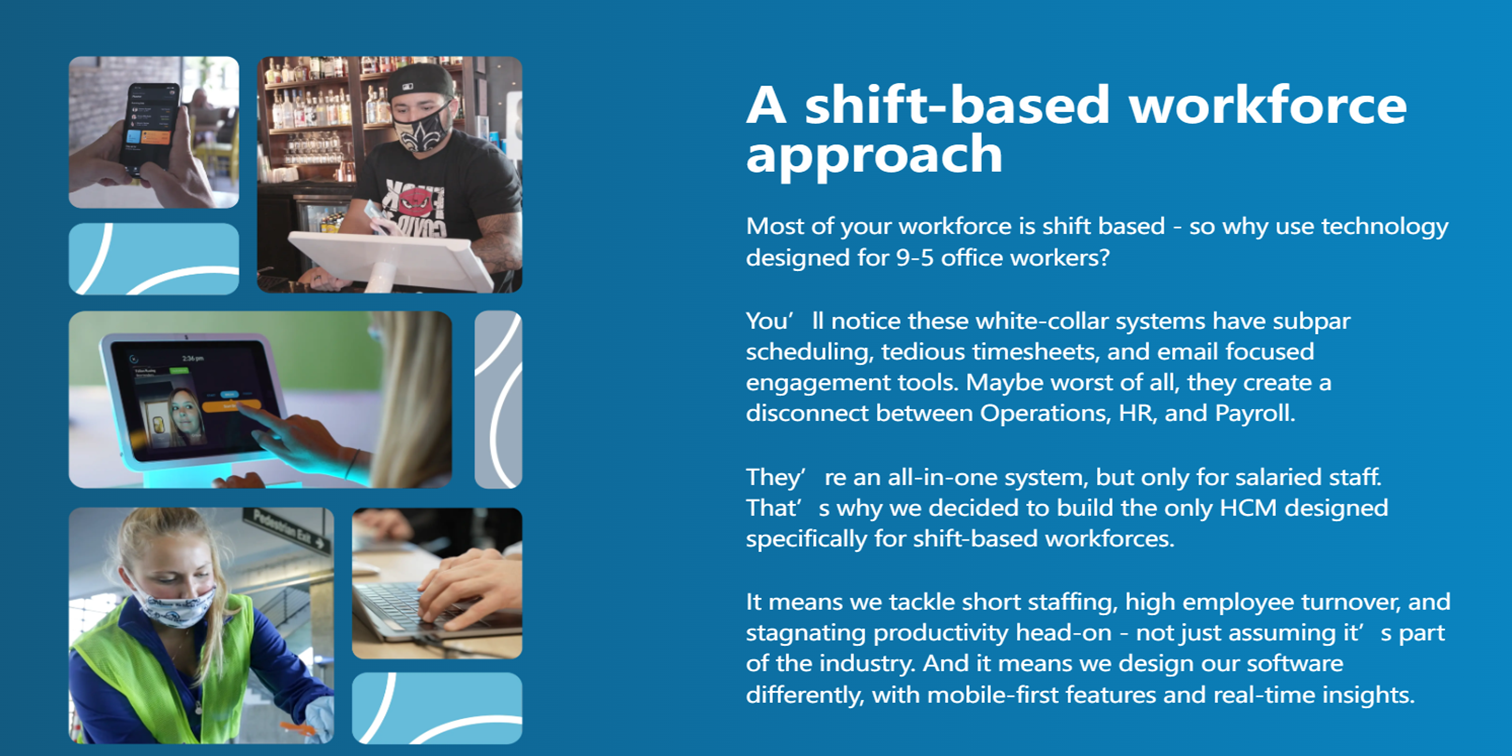 资讯
资讯
 资讯
资讯
 资讯
资讯
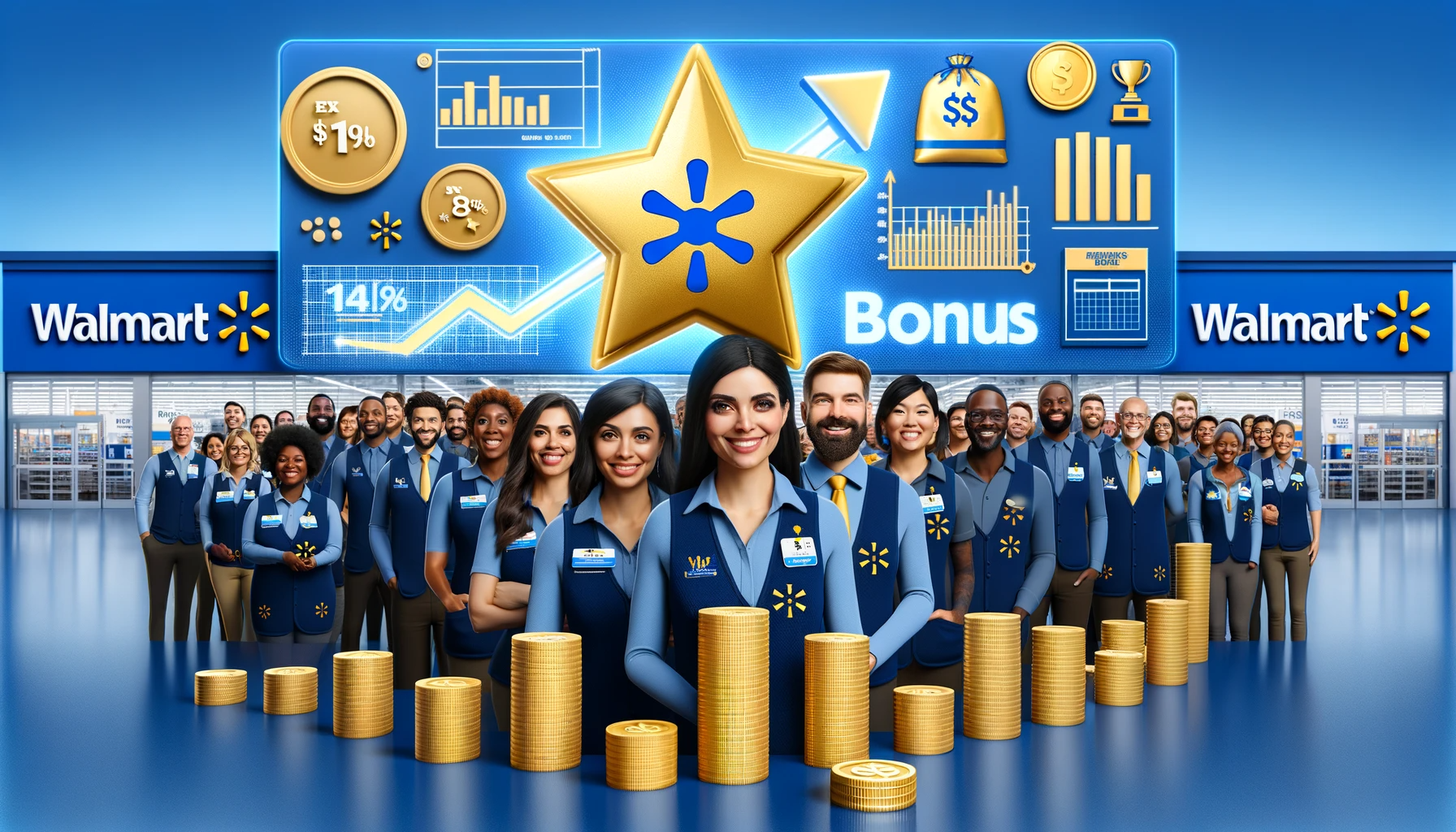 资讯
资讯
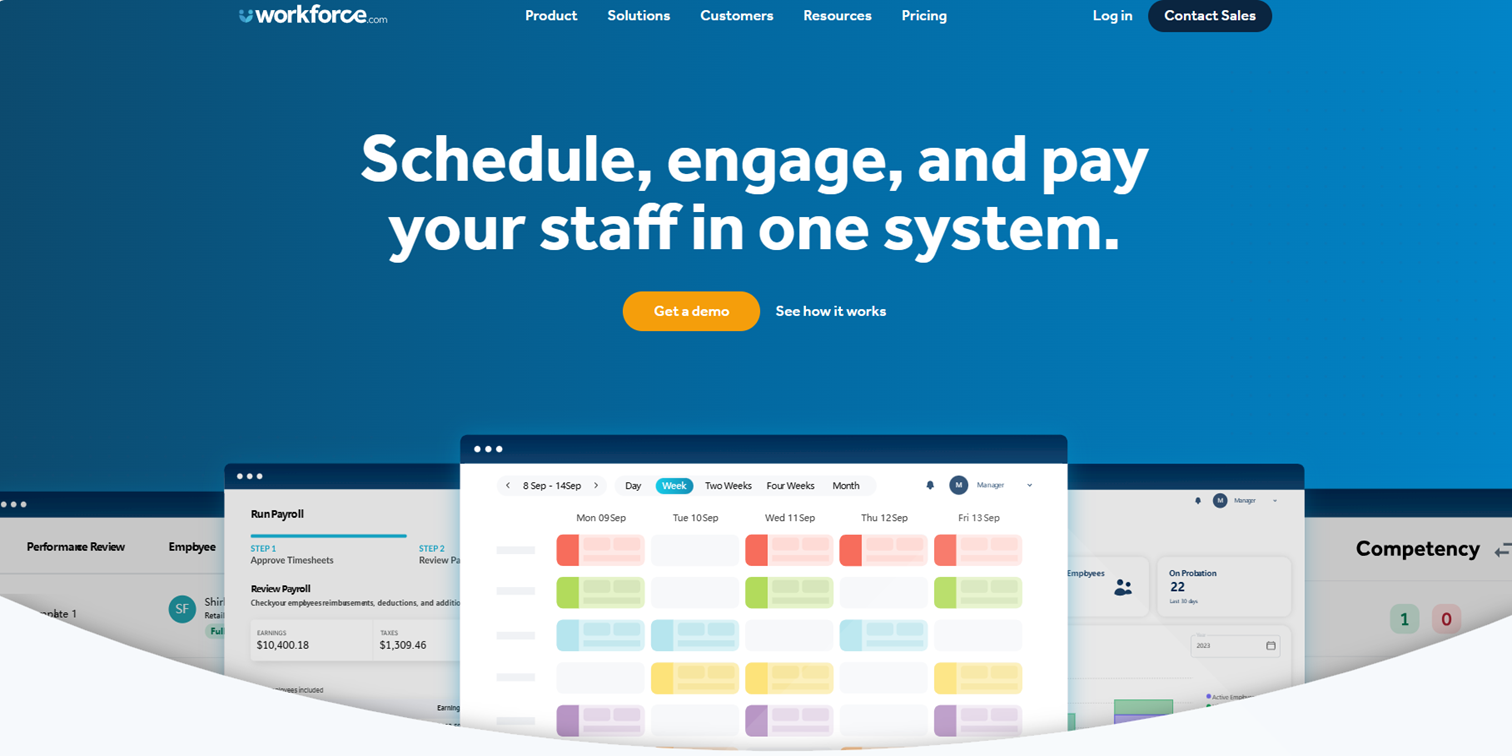 资讯
资讯
 资讯
资讯
 资讯
资讯
 资讯
资讯
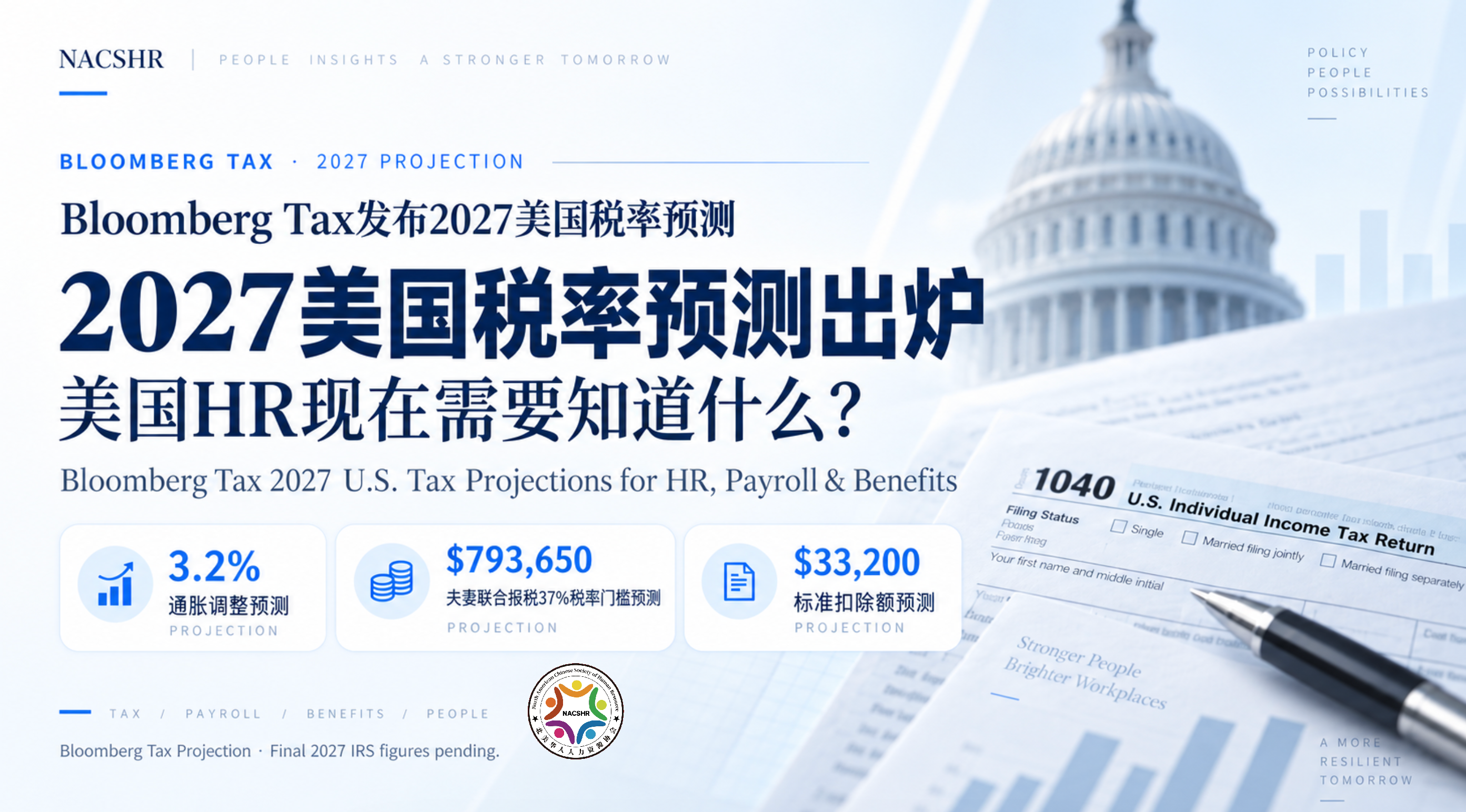


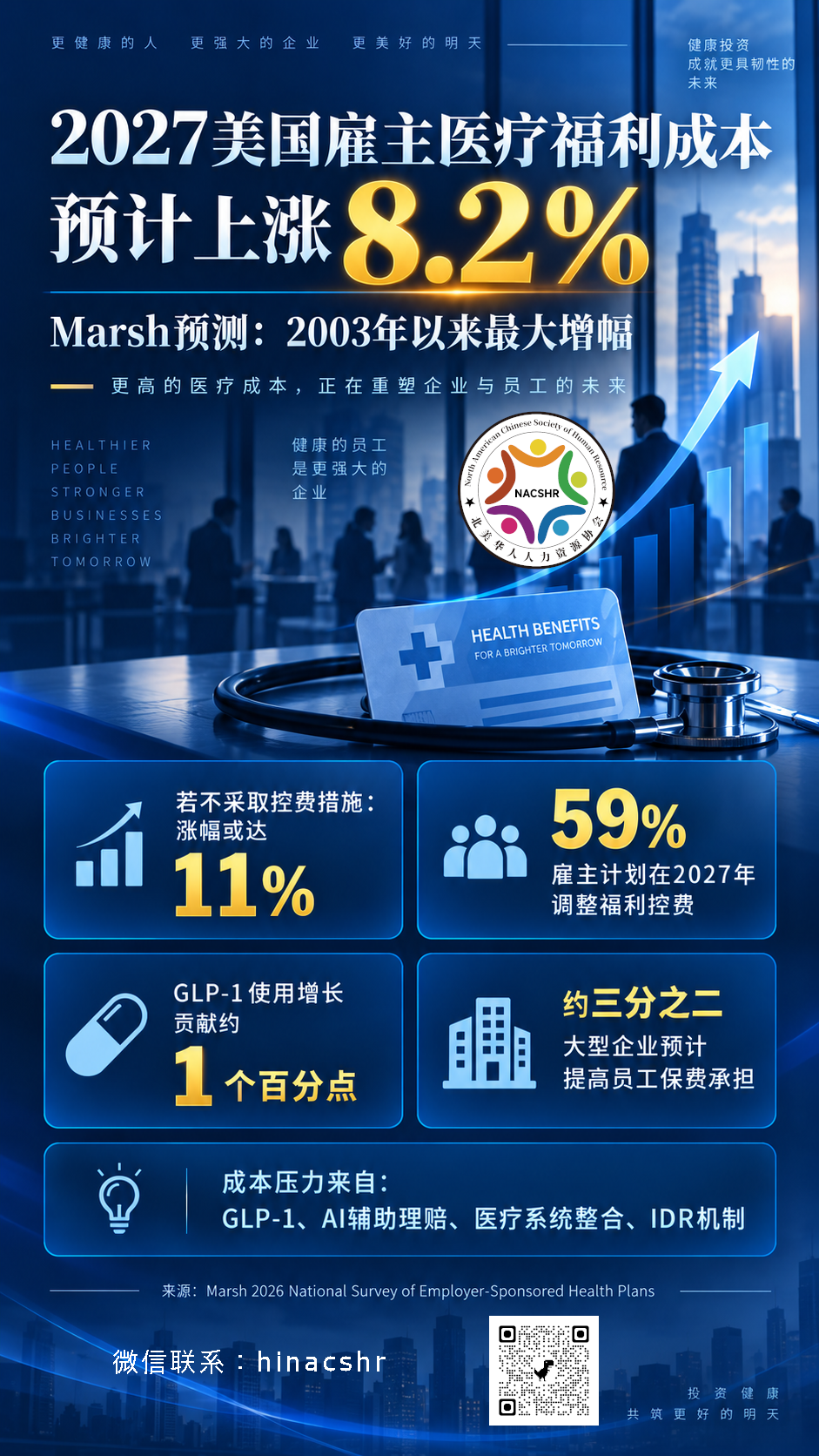

 扫一扫
添加客服
扫一扫
添加客服


