切换导航
头条
美国企业保险服务
HR科技资讯
北美HR岗位
9月年度论坛
年度大奖
报告下载
登录
注册
快讯
ICE重新定义I-9违规:原可纠正的7类小错误,现面临即时罚款—基于ICE官方说明的深度解读与实操指南
核心摘要:美国移民执法局(ICE)近期更新I-9检查政策,将多项过去可纠正的"技术性错误"重新定性为"实质性违规",雇主将面临即时罚款,不再有10个工作日纠正期!被列入新规的违规包括:缺少出生日期/雇用日期、准备人信息不完整、第1/2节未注日期、未填再雇用日期等。远程核验未勾选"替代程序"方框同样中招。更值得注意的是:电子I-9系统不达标,同样构成实质性违规!专家建议:立即开展I-9自查,重新培训HR团队!NACSHR也推出了一个Form I-9自检的免费工具:https://compliance.nacshr.org/tools/i9-check 。 在2026年3月,U.S. Immigration and Customs Enforcement 更新了其Form I-9检查说明(Inspection Fact Sheet)。这份文件本身并不长,但其背后所反映的执法逻辑变化,对所有在美国运营的企业,尤其是用工密集、组织分散的企业,产生了实质性影响。很多市场解读将其概括为“取消10天纠错窗口”,但更准确的理解是:纠错机制仍然存在,只是能够进入这一机制的错误类型显著减少。也就是说,企业不是失去了补救机会,而是越来越多错误已经不再被视为“可以补救”的范畴。 NACSHR也推出了一个Form I-9自检的免费工具:https://compliance.nacshr.org/tools/i9-check 。 一、I-9检查的本质:不是查表,而是完整执法流程 从官方说明来看,I-9检查本质上是一个完整的行政执法流程,而不是简单的表单抽查。企业一旦收到Notice of Inspection(NOI),通常需要在至少3个工作日内提交全部I-9记录以及相关支持材料,包括员工名单、薪资记录和企业信息。这一时间窗口的现实意义在于:它几乎只允许企业“提交现状”,而无法进行系统性修复。因此,真正的合规能力,必须在检查发生之前就已经建立完成。 二、错误分类决定结果:能否纠错的关键分水岭 在审查阶段,ICE会将发现的问题分为三类:technical或procedural failures(技术或流程性错误)、substantive violations(实质性违规)以及涉及未经授权用工的违规行为。只有第一类错误,才允许企业在规定时间内进行纠正;一旦超过期限未修正,或错误被直接认定为substantive,则会进入罚款或更严重的执法流程。 关键在于,最新的执法趋势正在重新界定哪些错误属于“technical”,哪些属于“substantive”,而这正是风险上升的根源。 三、哪些错误正在被“升级”为高风险 结合官方说明与多家律所(如Littler Mendelson、Wolfsdorf Rosenthal LLP)的分析,可以看到一个非常清晰的变化方向:一批过去被普遍视为“行政疏忽”的错误,例如缺失出生日期、缺失入职日期、Section 1或Section 2未填写日期或签名、Supplement A中preparer/translator信息不完整、Supplement B缺失rehire日期等,正在被越来越多地纳入substantive violation的范畴。 同时,与2023年引入的remote verification(远程核验)相关的程序性错误,例如未勾选alternative procedure、在非E-Verify参与状态下使用远程核验,也被明确视为高风险甚至直接违规。 四、电子I-9系统的角色变化:从工具到责任主体 更值得注意的是,电子I-9系统本身也被纳入监管视野。很多企业误以为使用系统即可降低风险,但监管重点已经从“是否电子化”转向“系统是否具备合规能力”。如果系统无法提供完整的audit trail,电子签名不符合要求,或存在自动填充、自动修改导致记录失真的情况,这些问题可能被直接认定为企业的违规行为。这一变化意味着,HR Tech工具不再是免责手段,而是合规责任的一部分。 五、执法逻辑变化的本质:从“事后纠错”到“首次正确” 从执法逻辑来看,这一系列变化的核心目标并不是提高罚款,而是将合规责任从“事后修正”前移到“首次填写即正确”。I-9制度的初衷始终是防止非法用工,而不是单纯检查表单完整性。过去允许纠错窗口,是基于对企业“善意错误”的容忍;而现在,当错误呈现出高频、重复和系统化特征时,监管自然会倾向于收紧容错空间,以倒逼企业建立更稳定的合规机制。 六、华人企业的典型风险:分散执行与培训不足 对于北美华人企业而言,这一变化的影响尤为明显。许多企业在扩张过程中,I-9执行往往分散在门店经理、仓库主管或一线管理者手中,且培训体系不完善,语言环境复杂,导致基础性错误长期存在。在旧规则下,这类问题可以在检查时集中修复;但在当前环境下,这些“结构性错误”更容易被认定为模式性违规,从而显著放大罚款风险。 七、实操指南:北美HR必须立即执行的关键动作 企业需要从“表单管理”转向“流程治理”。 首先,应当进行一次真实的I-9内部审计,重点识别是否存在重复性错误模式,而不是仅关注个别表单的准确性。 其次,需要重新设计I-9操作流程,明确每个环节的责任主体,并建立关键字段的校验机制。对于remote verification流程,应单独审查其是否完全符合alternative procedure与E-Verify要求。对于电子系统,应重点评估其审计能力与合规控制能力,而不是仅关注使用体验。 同时,针对一线执行人员的培训必须被重新定义为核心环节,尤其是在多语言环境中,确保每一位参与I-9填写的员工都理解字段含义与合规后果。 此外,Supplement B相关流程(如rehire与reverification)不应再被视为边缘场景,而应纳入常规管理与检查体系。 最后,企业应建立定期审查机制,例如季度抽查或年度全面复核,以确保合规能力具备持续性,而非一次性达标。 八、NACSHR工具支持:先自检,再优化 为了帮助北美华人HR更快速识别自身风险,NACSHR基于最新监管逻辑推出了一套免费I-9合规检测工具,覆盖常见高风险错误类型与流程问题。 你可以直接使用该工具进行初步自检:https://compliance.nacshr.org/tools/i9-check 。 这类工具的价值不在于替代法律审查,而在于帮助企业在监管介入之前,尽早发现结构性问题并进行修复。 九、NACSHR核心判断:I-9已经成为组织能力问题 从NACSHR的角度来看,这次ICE的更新所传递的信号非常明确:I-9正在从“可以在检查中修正的行政文件”,转变为“必须在生成当下即具备法律有效性的合规证明”。企业真正需要建设的,不是“减少错误的能力”,而是“持续正确执行流程的能力”。谁能够率先完成这一转变,谁就能在不断收紧的用工监管环境中获得更高的确定性与安全边界。 附录:ICE检查的三步结构(真正的执法逻辑) 结合官方与实务资料,可以拆成三个阶段: 阶段1:通知与准备(NOI阶段) 企业被正式通知 必须在3天内提交材料 ? 现实风险:很多企业此时才开始整理I-9,但已经来不及系统性修复。 阶段2:审查与判定(Inspection阶段) ICE会: 审查所有I-9表单 对比 supporting documents 分类错误类型 错误被分为三类: 1)Technical / Procedural failures(技术/流程错误) 可在10个工作日内修正 2)Substantive violations(实质性违规) 直接罚款 无补救窗口 3)Unauthorized employment(非法用工) 最严重 可能涉及刑事责任 ? 核心:分类决定命运 阶段3:结果通知(Enforcement阶段) ICE会发出不同类型通知: Notice of Suspect Documents(怀疑文件) Notice of Discrepancies(信息不一致) Notice of Technical Failures(可修正) Notice of Intent to Fine(罚款通知) ? 如果进入罚款流程: 可在30天内申诉或协商
快讯
2026年04月13日
快讯
从Oracle早上6点一封裁员邮件说起:HR正在被排除在裁员流程之外
核心摘要:Oracle于3月31日正式启动全球裁员,涉及数千人,重组成本最高达21亿美元。此次裁员的核心原因并非业绩下滑,而是战略转向——公司正大幅加码AI基础设施与数据中心投入,以应对Alphabet、Amazon等云巨头的竞争。值得注意的是,裁员消息公布后Oracle股价反而上涨超过5%,显示资本市场对“以人力换算力”的策略持支持态度。 2026年以来,已有70多家科技公司裁员超4万人,AI正在重塑企业资源配置逻辑。对HR而言,这不仅是裁员事件,更是组织结构、人才模型与人机协作模式的深层变革信号。 2026年3月31日清晨,大量Oracle员工在早上6点左右收到一封来自“Oracle Leadership”的邮件。邮件内容简洁而直接:由于组织调整,其岗位被取消,当天即为最后工作日。没有来自直属经理的电话,没有HR的一对一沟通,也没有任何过渡期。与此同时,系统访问权限几乎同步关闭,这一过程在数小时内完成。 这不是一场传统意义上的裁员,而更像一次“系统执行”的组织调整。 对于长期关注全球HR趋势的NACSHR而言,这一事件的意义远不止于“又一家科技公司裁员”。真正值得警惕的是:在这一流程中,HR的角色几乎完全消失。 从“人来沟通”到“系统通知”:裁员流程的结构性变化 过去二十年,大型企业在裁员执行上形成了一套相对成熟的范式:由业务负责人确认裁员名单,HRBP与直线经理共同进行一对一沟通,解释原因、提供支持,并协助员工完成过渡。这一流程的核心,不只是合规,更在于“人”的存在——通过沟通缓冲冲击,通过解释维持信任。 而在这次Oracle的裁员中,这一范式被彻底改写。 通知由系统邮件完成,沟通被压缩为模板语言,权限关闭由IT自动执行。裁员不再是一个“对话过程”,而变成了一个“触发流程”。 这背后反映的,并不是流程优化,而是逻辑的改变:裁员,正在从“组织行为”,转变为“系统操作”。 HR为什么被“移出流程”? 表面上看,HR似乎缺席了这场裁员。但更准确地说,HR并没有消失,而是被“降维使用”。 在当前的企业结构中,裁员的决策权始终掌握在CEO与业务负责人手中。是否裁员、裁多少人、裁哪些团队,本质上是资本配置与战略选择,与HR无关。 但在传统模式下,HR承担的是“如何裁”的责任:如何沟通、如何过渡、如何降低组织风险。 而这一次,企业显然做出了不同的选择。 在AI基础设施投入持续加大的背景下,企业对效率、速度与风险控制的优先级被大幅提升。裁员需要更快完成、信息需要更少外泄、系统需要更强控制。在这样的约束下,“人”的参与被视为变量,而“系统”成为最优解。 于是,HR从“裁员流程的设计者”,被压缩为“合规执行者”。 真正的代价:不是裁掉的人,而是留下的人 从短期财务角度看,这种方式高效且可控。但从组织角度看,其代价正在被低估。 裁员之后,留下来的员工会迅速进入一种状态:不确定、警惕、低信任。他们看到同事在清晨被一封邮件“移除”,也会自然推断,自己随时可能以同样方式被替代。 这种心理变化不会立刻表现为离职,却会在未来3到6个月内转化为更隐性的流失、更低的投入,以及对组织长期价值的怀疑。 换句话说,裁员削减的是成本,但也在侵蚀信任。 AI时代的组织转变:从“人驱动”到“系统驱动” Oracle的这一事件并非孤例。2026年以来,全球科技公司裁员已超过4万人,而几乎所有案例背后都有一个共同变量:AI投入。 企业正在将资源从人力转向算力,从招聘转向自动化,从组织扩张转向效率提升。在这个过程中,HR所熟悉的很多场景正在被重构: 招聘流程被AI替代,绩效管理被数据系统重写,而现在,连裁员也开始被系统接管。 这意味着,HR的传统价值边界正在被不断压缩。 NACSHR观察:HR不会消失,但必须重新定义价值 从NACSHR的视角来看,问题并不在于HR是否参与裁员,而在于HR是否仍然拥有“设计组织”的能力。 如果HR只停留在流程执行与合规层面,那么在AI时代,这些能力必然会被系统替代;但如果HR能够回到更高维度——组织结构设计、人才策略、人与AI的协同模式——其价值反而会被放大。 Oracle的裁员,是一个信号。 它提醒我们:当裁员变成系统操作时,HR如果不能重新定义自己的位置,就会逐渐被排除在关键流程之外。 结语 这场发生在清晨6点的裁员,不只是一次企业决策,更是一面镜子。 它映照出的,是一个正在变化的现实:在AI驱动的组织中,效率正在取代体验,系统正在取代人,而HR,正站在这个变化的临界点上。 未来的问题不再是“HR是否参与裁员”,而是: 当企业不再需要HR参与裁员时,HR还能为组织创造什么不可替代的价值?
快讯
2026年03月31日
快讯
美国劳工部拟放宽401(k)投资范围:私募股权与加密资产或进一步进入退休账户
核心摘要:美国401(k)政策可能要迎来一次很大的边界变化。美国劳工部3月30日发布拟议规则,为 private equity 等另类资产进入401(k)建立更清晰的受托人审慎框架,Reuters 还提到 crypto 也可能因此受益。这对企业HR、福利负责人和雇主都很重要,因为未来退休福利治理、员工沟通和合规责任可能会明显升级,值得认真关注。更多信息请关注 北美华人人力资源协会 #NACSHR 美国劳工部在2026年3月30日发布了一项值得美国雇主、HR与福利管理者高度关注的拟议规则。表面上看,这是一则退休投资政策新闻;但从企业管理的角度看,它实际上触及了员工福利治理、受托责任、员工沟通以及企业风险控制的核心边界。根据 Reuters 报道,这项提案将为 private equity、cryptocurrencies 等另类资产进入 401(k) 退休计划提供更清晰的监管路径;而美国劳工部官方表述则更谨慎,强调其本质是澄清在 ERISA 框架下,计划受托人如何在选择 designated investment alternatives 时履行 fiduciary duties,并为符合条件的决策流程建立 safe harbor。 对很多在美国工作的华人HR来说,这件事的重要性不在于“401(k)里会不会马上出现私募基金或加密资产”,而在于:企业未来是否可能面对一个更复杂的退休福利治理环境。尤其是当企业HR已经需要同时处理医疗保险、合规、招聘、留才、薪酬和员工体验时,401(k)投资选项如果进一步复杂化,HR与 benefits team 的治理要求也会被同步抬高。 先把几个核心专业词讲清楚 这次规则理解的第一步,是把几个容易被混淆的英文术语翻译准确。 401(k) 是美国典型的雇主发起型确定缴费退休计划,严格说属于 participant-directed individual account plan 的一种常见实践场景,也就是员工通常可以在企业提供的投资菜单中自主选择投资方向。ERISA 是《Employee Retirement Income Security Act》,中文通常译为《员工退休收入保障法》。它不是一部单纯讲养老金投资收益的法律,而是美国员工福利治理的基础法,核心之一就是要求管理计划的人承担 fiduciary duty,也就是“受托责任”。这里的 fiduciary,不建议简单翻成“管理员”或“负责人”,更准确的中文是“受托人”或“负有受托责任者”;而 fiduciary duty 则应译为“受托责任”。 这次规则中的 designated investment alternatives,建议翻译为“指定投资选项”或“计划指定投资备选项”。它不是泛泛而谈的所有可能投资,而是指计划中正式提供给参与人选择的投资选项。safe harbor 则应译为“安全港”或“安全港保护”,意思不是完全免责,而是如果受托人按照法规要求完成了特定的审慎流程,在法律与诉讼层面会获得更明确的保护边界。 alternative assets 建议译为“另类资产”。在这次政策语境下,它不只等于 private equity。白宫2025年8月7日发布的 Executive Order 14330 以及随后劳工部推进的监管方向,讨论的是更广义的另类资产接入,包括 private market investments、real estate、与 digital assets 相关的主动管理工具、commodities、infrastructure-related investments 以及部分 lifetime income strategies。也就是说,private equity 只是最受关注的一类,并不是全部。 这次提案到底在做什么 从官方口径看,劳工部这次并没有要求雇主必须把 private equity 或 crypto 放进 401(k) 计划,也没有宣布“普通员工今后可以随意用401(k)买所有另类资产”。它做的事情更精准:第一,明确受托人在评估这类投资选项时应该如何履行审慎义务;第二,尝试降低计划发起人、委员会成员以及顾问在引入相关选项时所面临的法律不确定性;第三,通过 safe harbor 机制,把监管关注点从“你能不能投”转向“你是不是以客观、充分、分析性的方式做了审慎决策”。 劳工部在新闻稿中明确表示,受托人在选择投资选项时,需要“objectively, thoroughly, and analytically”地考虑并判断多项因素,包括 performance、fees、liquidity、valuation、performance benchmarks 和 complexity。中文分别可准确译为:业绩表现、费用水平、流动性、估值、业绩比较基准以及复杂性。这些因素构成了另类资产进入退休计划时最核心的审查维度。换句话说,监管并不是在鼓励企业“追热点”,而是在要求企业如果要做,就必须具备更高水平的投资治理能力。 Reuters 的报道还提到,这份拟议规则有 60 天公众评论期,在最终规则出台前仍可能继续调整。这意味着目前它还不是已经生效的最终强制规则,而是一个方向明确、但仍处于正式征求意见阶段的监管提案。 为什么现在会出现这个变化 从政策背景看,这次提案不是孤立动作,而是延续了白宫此前的政策方向。2025年8月7日,白宫发布 Executive Order 14330,主题是“Democratizing Access to Alternative Assets for 401(k) Investors”。从字面就能看出,这项行政令希望推动 401(k) 参与者接触更多另类资产,以提升多元化和潜在长期回报。行政令还要求相关监管机构研究如何便利 participant-directed defined-contribution retirement savings plans 接入另类资产。劳工部此次发布拟议规则,正是这一政策方向在 ERISA 执行层面的延伸。 支持方的逻辑并不复杂。长期以来,美国普通劳动者通过 401(k) 能接触到的主要还是公开市场基金产品,而 private markets 的长期收益机会更多掌握在机构投资者与高净值群体手中。支持者认为,如果在审慎治理与适当限制下,让部分另类资产以合规方式进入退休计划,可能提高长期分散化效果,并改善退休结果。Reuters 引述的市场反应也很直接:Blackstone、KKR、Apollo 等大型私募与另类资管机构被广泛视为潜在受益者。 但反对声音也同样强烈。Reuters 报道中,批评者担心的重点包括高费用、低流动性、估值不透明、产品复杂度过高,以及普通参与人对相关风险理解不足。对一名专业HR而言,这些担忧并不只是“投资圈争论”,而是会转化为实际的员工关系与沟通问题:如果员工并未真正理解这些产品,却在企业计划中看到了相关选项,那么企业在沟通、教育与风险揭示上的责任就会随之上升。 对美国华人HR来说,真正的影响在哪里 对多数华人HR而言,第一层要认识到:这件事首先是“治理问题”,其次才是“产品问题”。很多企业HR并不会亲自决定某只基金能否进入 401(k) 菜单,这通常涉及 retirement committee、ERISA counsel、recordkeeper、investment advisor、3(21) 或 3(38) fiduciary 等多方角色。但HR经常是内部沟通的第一触点,也是员工最先询问福利问题的对象。一旦企业未来考虑更复杂的投资选项,HR不可能完全置身事外。 第二层影响,是 benefits governance 的复杂度会上升。过去很多企业的 401(k) 管理重点放在费用、基金菜单、自动加入、匹配机制、参与率和教育材料上。若 future lineup 中出现带有另类资产暴露的投资选项,企业需要额外面对估值频率、流动性安排、参与者适配度、default option 设计边界、教育内容可理解性以及潜在投诉风险。这些并不是传统 open enrollment 级别的说明可以轻松覆盖的。 第三层影响,是华人员工群体本身的投资偏好与风险理解差异,可能使沟通难度进一步增加。在美国职场中,华人员工整体上往往更愿意主动研究投资产品,但这并不意味着所有人都真正理解 private markets、illiquidity、valuation lag 或 fee drag 的含义。企业如果未来引入相关选项,仅仅把 fund fact sheet 发给员工是远远不够的。HR需要推动更接地气、更风险导向、更语言友好的说明体系,尤其是在中文沟通场景中,不能把“另类资产”“私募市场”“安全港”这类术语简单直译后就结束。这里真正需要的是解释它们对员工退休金的实际影响。这个判断属于基于规则结构的专业推论,而非劳工部文件中的直接原文表述。支持这一推论的基础,是规则本身强调复杂性、流动性、估值和费用等因素必须被充分分析。 企业HR现在最应该做什么 从 NACSHR 的角度看,美国华人HR当前不必把这件事理解为“必须立刻调整401(k)策略”的操作性通知,而应把它视为一项提前进入观察名单的重要监管变化。 首先,要区分“拟议规则”和“已生效规则”。当前处于征求意见阶段,企业不宜把媒体标题当作已落地合规要求,更不宜直接对员工释放夸张信息,例如“以后401(k)可以买私募了”或“政府鼓励大家配 crypto 养老”。截至目前,官方并没有作出这种简单化结论。 其次,HR和 benefits team 应该开始补齐退休福利治理语言。至少要能准确理解并向管理层解释:什么是 fiduciary duty,什么是 designated investment alternatives,什么是 safe harbor,什么是 liquidity risk,什么是 valuation risk,为什么 higher fees 在长期退休储蓄中会持续侵蚀回报。只有内部语言先统一,后续才可能形成清晰的管理判断。 再次,如果你所在企业本来就有较成熟的退休计划委员会、外部投资顾问和 ERISA 法律顾问,那么现在适合做的是关注后续评论期与最终规则走向,并与顾问团队讨论:如果未来市场上出现更标准化、受限比例、具备更强流动性管理的另类资产解决方案,企业是否会考虑纳入观察范围。相反,如果企业当前连基础的 401(k) 教育和参与率管理都仍较薄弱,那么这类产品大概率并不是当下最优先的问题。这个判断是治理优先级上的专业分析,不是官方直接规定。 NACSHR的判断 NACSHR认为,这次美国劳工部的动作,本质上不是“鼓励所有企业把401(k)金融化得更复杂”,而是美国退休福利体系正在尝试回答一个更大的问题:普通员工是否应该在受到更严格受托治理保护的前提下,获得更多接触另类资产的机会。政策层面的答案正在向“可以考虑,但必须更审慎”倾斜。 对美国华人HR来说,最值得关注的不是市场情绪,而是治理门槛。未来真正拉开差距的,不会是哪家公司最早把 private assets 写进 401(k) 菜单,而是哪家公司能在员工利益保护、专业决策流程、风险揭示和持续沟通上做得更成熟。对于HR而言,这依然是一堂“福利治理课”,而不是简单的“投资创新课”。
快讯
2026年03月30日
快讯
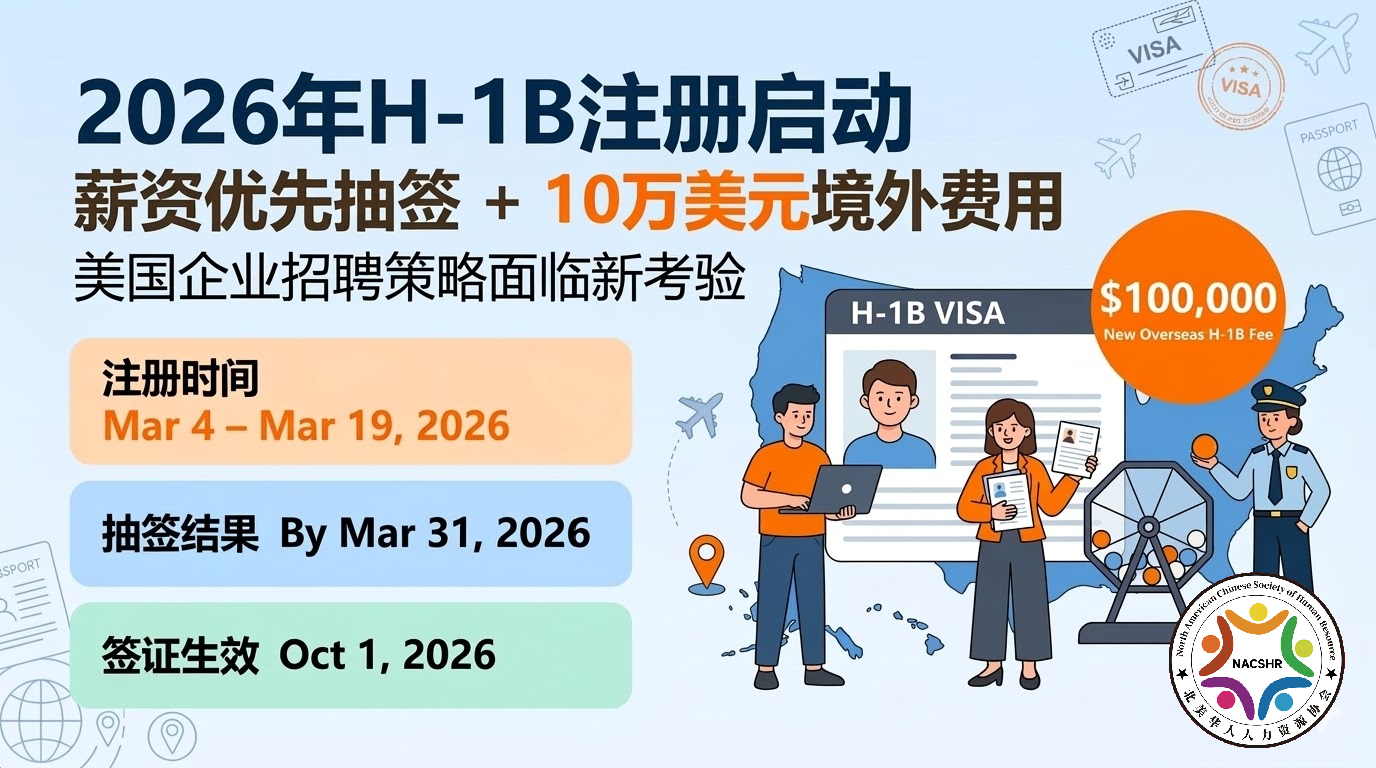
2026年H-1B注册启动:薪资优先抽签叠加10万美元费用,美国企业招聘策略面临新考验
核心摘要:2026年H-1B注册正式启动,关键时间窗口只有15天,2026年的H-1B申请季已经正式开启。根据美国公民及移民服务局(USCIS)的安排,本年度电子注册系统于 **2026年3月4日中午12点(美国东部时间)**开放,企业可以通过在线系统提交候选人的注册信息。注册窗口将在 **2026年3月19日中午12点(美国东部时间)**关闭,整个注册期仅持续约15天。注册结束后,USCIS预计将在 3月31日之前完成抽签结果通知。被选中的申请人随后可以在 4月1日至6月30日之间提交完整H-1B申请文件,如果最终获批,签证身份最早将在 2026年10月1日正式生效。 2026年的H-1B签证申请季已经正式启动。与往年相比,今年的申请周期不仅伴随着新的费用政策,还叠加了更强调薪资水平的筛选机制,使这一长期被视为美国高技能人才主要入口的签证项目发生显著变化。对于美国企业的人力资源部门而言,今年的申请季不仅仅是一场例行的签证抽签,更是一场需要重新思考全球人才招聘策略的重要节点。 关键时间线:2026年H-1B申请季的核心节点 根据美国公民及移民服务局(USCIS)的安排,2026年H-1B电子注册系统已于**2026年3月4日中午12点(美国东部时间)**正式开放。所有希望参与H-1B名额竞争的企业必须在这一阶段通过USCIS在线系统提交候选人的基本信息并完成电子注册。 本年度的注册窗口为期约两周,并将在**2026年3月19日中午12点(美国东部时间)**正式关闭。在此期间,雇主需要完成所有候选人的注册提交以及相关费用支付。由于注册期较短,大多数企业通常会在注册开放前就完成候选人筛选和移民律师准备工作。 注册阶段结束后,USCIS将根据H-1B名额配额进行抽签。官方计划在2026年3月31日之前完成抽签结果通知。企业和代理律师可以通过USCIS在线账户查看候选人是否被选中。通常情况下,大多数企业会在3月下旬至3月31日之间陆续收到抽签结果。 如果候选人在抽签中被选中,雇主将进入正式申请阶段。根据USCIS的流程安排,企业通常需要在2026年4月1日至6月30日之间(约90天)提交完整的H-1B申请材料,包括职位说明、薪资证明、Labor Condition Application(LCA)以及申请人的学历和资格文件。如果申请最终获得批准,相关员工最早可以在2026年10月1日开始以H-1B身份在美国合法工作。 H-1B签证每年的配额仍然维持在85,000个名额,其中包括65,000个常规名额以及20,000个面向美国硕士及以上学历申请人的额外配额。近年来申请数量持续远高于配额,因此抽签仍然是决定企业是否能够继续进入审批阶段的关键步骤。2025年的申请中,大约只有三分之一的注册申请最终获得中签机会。 10万美元费用:海外招聘模式面临重大调整 今年H-1B申请季最受关注的政策变化之一,是针对部分海外申请人引入的10万美元额外费用。根据此前发布的行政命令,如果企业为身处美国境外、需要通过领事馆签证进入美国工作的员工申请H-1B签证,雇主可能需要支付这一费用。 这一政策的主要目标是减少企业直接从海外招聘技术人员的情况,同时鼓励企业优先考虑已经在美国境内的人才。对很多企业而言,这意味着从海外引进工程师、技术专家或专业人员的成本显著提高,从而改变企业的人才获取策略。 移民律师和行业顾问表示,目前许多企业已经开始调整招聘策略,更倾向于优先考虑在美国境内的候选人,例如国际学生、OPT员工以及已经在美国工作的技术人才。这些申请通常不涉及10万美元费用,因此对企业来说成本更可控。 抽签规则变化:高薪岗位获得更高概率 除了费用变化之外,H-1B制度的另一项重要调整是抽签机制逐渐向薪资水平倾斜。美国国土安全部此前宣布,未来的签证分配将更加倾向于薪资更高、经验更丰富的岗位。申请职位的薪资水平将与行业和地区的平均工资进行比较,并根据不同薪资等级影响抽签概率。 这一变化意味着,H-1B签证可能逐步从一个覆盖大量初级岗位的签证项目,转变为更偏向高端技术人才的移民通道。对于提供较高薪资的大型科技公司、金融机构以及高级工程岗位来说,新规则可能在一定程度上提高申请成功率。而对于依赖大量初级技术岗位的企业来说,未来中签概率可能下降。 IT外包行业可能受到更大影响 在过去几十年中,IT咨询与外包公司一直是H-1B签证的重要使用者之一。像Tata Consultancy Services、Infosys以及Cognizant Technology Solutions这样的全球IT服务企业,通过H-1B招聘海外工程师,并将他们派遣到美国客户项目中工作。 然而,在新的费用和抽签机制下,这种模式可能面临更大挑战。一方面,10万美元费用大幅提高了从海外招聘技术人员的成本;另一方面,高薪优先机制也可能削弱依赖入门级工程师岗位的申请优势。行业研究机构Everest Group的分析人士认为,这些变化可能使部分IT咨询公司减少对H-1B签证的依赖,并扩大在海外地区的技术团队。 企业案例:费用变化已经影响招聘决策 政策变化已经在企业招聘决策中产生现实影响。例如,总部位于洛杉矶的服装品牌True Religion在寻找一名生产与供应链总监时曾找到合适候选人,但该候选人为危地马拉公民,需要通过H-1B签证进入美国。在新的费用规则下,公司需要支付10万美元,这对企业而言成本过高。 公司人力资源副总裁Mara Roitman表示,在这样的费用结构下,公司不会为该岗位申请H-1B签证。企业随后尝试通过O-1签证(面向“杰出人才”的签证类别)解决问题,但申请未能成功,目前公司只能重新寻找其他候选人。 地方政策变化进一步增加不确定性 除了联邦政策变化,一些州政府也开始重新审视H-1B的使用。例如,佛罗里达州公共大学系统近期投票决定,在完成对过去签证使用情况的审查之前暂时冻结H-1B招聘。而德克萨斯州此前也宣布,在至少到2027年之前暂停州政府机构和公立大学招聘H-1B员工。 这些政策变化进一步增加了企业在国际招聘方面的不确定性,也使得企业在人力资源规划上需要更加谨慎。 HR需要重新思考的招聘策略 整体来看,2026年的H-1B申请季不仅是一次例行的签证抽签,而更像是美国高技能移民政策的一次重要转折。更高的申请成本、对高薪岗位的优先支持以及地方政策限制,都在逐步改变企业使用这一签证项目的方式。 对于美国HR部门而言,这意味着未来的国际招聘策略需要更加精细化。一方面,企业可能需要更加积极地吸引已经在美国境内的国际人才,例如高校毕业生和OPT员工。另一方面,一些企业也可能通过扩大海外研发团队或远程团队的方式来降低签证政策带来的不确定性。 在全球科技人才竞争日益激烈的背景下,H-1B制度的每一次变化都会影响企业的人才战略。2026年的申请季,很可能成为观察美国人才政策方向的重要窗口。 信息来源 Bloomberg News. “H-1B visa lottery getting under way with $100,000 fee, new rules.” March 5, 2026.U.S. Citizenship and Immigration Services (USCIS). H-1B Electronic Registration Process and FY2026/FY2027 Cap Information.U.S. Department of Homeland Security (DHS). Policy updates on H-1B selection rules and wage prioritization.
快讯
2026年03月05日
快讯
OpenAI发布GPT-5.3 Instant:幻觉率最高降26.8%,ChatGPT日常对话体验全面升级
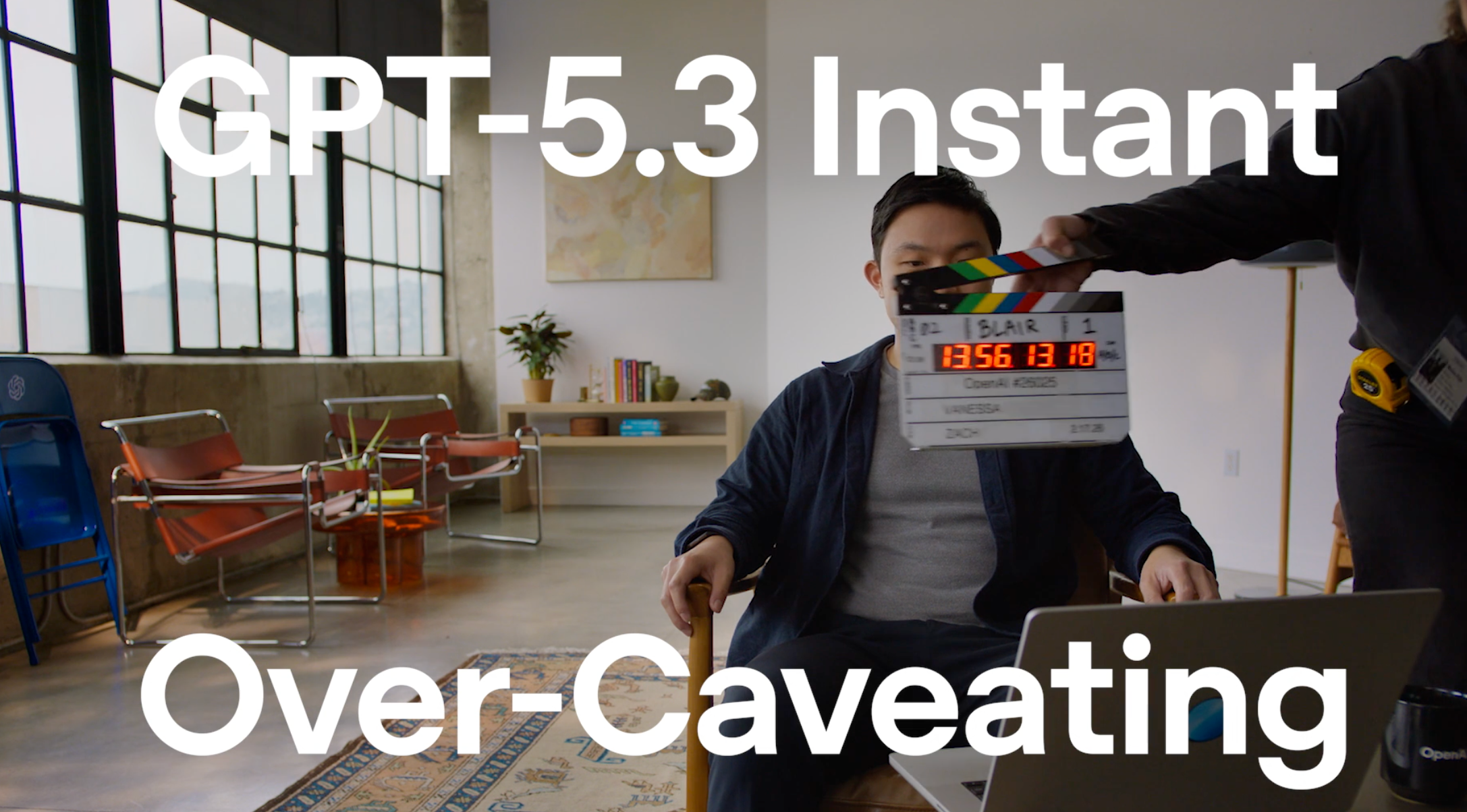
OpenAI 今日发布了 GPT-5.3 Instant,这是针对 ChatGPT 日常对话体验深度优化的版本。新模型显著提升了回答准确性与语境理解能力,减少了不必要的拒绝与冗长免责声明,并更好地融合网络信息。这意味着无论是查资料、解释问题还是日常对话,AI 回答都更流畅、更有用。对于经常使用 AI 提升工作效率的同学,这次更新值得关注与体验。 2026年3月3日,OpenAI在没有发布会、没有大规模宣传的情况下,悄然发布了GPT-5.3 Instant——这是ChatGPT目前使用频率最高的对话模型的专项优化版本。与以往动辄强调基准测试突破的更新不同,此次迭代的出发点异常务实:直接回应用户在日常使用中反复提出的真实痛点。 这次更新,OpenAI在解决什么问题? 如果你是ChatGPT的重度用户,以下场景一定不陌生:问一个完全无害的问题,却先收到一段"我无法帮助你做这件事"的声明;或者得到一个答案之前,先要读完一大段免责前言和道德提示,耐心早已消磨殆尽;又或者开启网页搜索后,模型给出的是一堆松散的链接列表,而不是真正经过整合的分析结论。 GPT-5.3 Instant 这次针对的,正是上述三大问题:大幅减少不必要的拒绝响应、去除过度防御性与说教式前言、提升网页搜索结果的整合质量与上下文关联能力。与此同时,新模型在识别用户提问潜台词方面也有所增强,能够更准确判断用户的真实意图,优先呈现最关键的信息,而非以"安全边界说明"作为开场白。 数据层面:幻觉率显著下降,高风险领域尤为突出 OpenAI为此次更新提供了两项内部量化评估。 第一项聚焦医疗、法律、金融三个高风险专业领域。结果显示,GPT-5.3 Instant在启用网页搜索时,幻觉率相较GPT-5.2 Instant下降了26.8%;在仅依赖内部知识(不联网)的情况下,降幅为19.7%。 第二项评估基于真实用户标记为"事实错误"的脱敏ChatGPT历史对话,结果显示网络搜索模式下幻觉减少22.5%,无网络模式下减少9.6%。 这两组数据的意义在于:它们来自真实使用场景,而非人工构造的测试集,因此对实际工作中依赖AI辅助决策的专业人士——尤其是HR、法务、财务等岗位——具有更直接的参考价值。 不是旗舰,但解决了旗舰解决不了的问题 需要厘清一点:GPT-5.3 Instant并非OpenAI的旗舰模型,它在产品线上属于"日常对话效率层",对标的是中端高频使用场景,而非复杂推理或长上下文处理。正因如此,这次更新的价值不在于"更聪明",而在于"更好用"——两者并不等价,但对于大多数企业用户而言,后者的优先级往往更高。 OpenAI明确表示,GPT-5.3 Instant的改进方向直接来源于用户反馈,而非来自外部评测榜单的压力。这一表态本身,标志着头部AI厂商的产品迭代逻辑正在发生结构性转变:从"能力竞赛"走向"体验精细化",从"我能做到"走向"用起来顺手"。 横向对比:与Claude Sonnet 4.6同台竞技,各有侧重 GPT-5.3 Instant的真正竞争对手,是Anthropic同级别的Claude Sonnet 4.6,而非旗舰级的Claude Opus 4.6。综合目前可查到的外部评测数据,两款模型在不同维度上各有优势,呈现出清晰的能力分工。 在编程与代理任务方面,Claude Sonnet 4.6在SWE-bench Verified上得分79.6%,仅比Opus 4.6低1.2个百分点,而定价比Opus低40%,被多项评测评为性价比最高的前沿编程模型。GPT-5.3 Instant并非以编程见长,OpenAI在该领域的主力是GPT-5.3 Codex。 在计算机使用(Computer Use)任务方面,Claude Sonnet 4.6的表现几乎是GPT-5.2的两倍,多个企业实测报告显示其在自动化操作流程中具备较强的自我纠错能力。 在写作与内容生成方面,OpenAI CEO Sam Altman曾公开承认GPT-5.2在写作质量上出现了回退,文字风格偏于生硬和过度正式,GPT-5.3 Instant对此有所改善,但目前尚缺乏充分的第三方独立评测数据支撑。Claude系列在写作流畅性和语气自然度方面,长期以来被认为具备优势。 在综合智能排名方面,根据Artificial Analysis Intelligence Index最新榜单,前五名依次为Gemini 3.1 Pro Preview(57分)、GPT-5.3 Codex(54分)、Claude Opus 4.6(53分)、Claude Sonnet 4.6(52分)、GPT-5.2(51分)。GPT-5.3 Codex与Claude Sonnet 4.6分差仅为2分,处于同一竞争梯队。 在上下文窗口方面,Claude Sonnet 4.6支持100万token的长上下文,GPT-5.3 Codex为40万token,前者在处理长文档、大规模代码库或多文件任务时具有明显结构性优势。 AI助手的下一个竞争维度,是"用起来不烦人" GPT-5.3 Instant的发布,代表了一种清醒的产品判断:对于真正将AI嵌入日常工作流的用户而言,响应是否直接、是否准确、是否不废话,其优先级往往高于模型在某项基准上多得了几分。 AI助手的竞争,正在从实验室里的跑分游戏,回归到办公桌上的真实摩擦。OpenAI这次的方向是对的。 而Anthropic的Claude Sonnet 4.6,目前在编程、长上下文处理和计算机使用任务上保持着同级别的领先优势。两款产品服务的是不同的核心使用场景,企业用户在做工具选型时,更应关注自身工作流的实际需求,而非单一的榜单排名。 这场竞争没有终点,但评判标准正在变得越来越务实。 本文数据来源:OpenAI官方发布页面、Artificial Analysis Intelligence Index、公开第三方评测报告。
快讯
2026年03月03日
快讯
墨西哥国会全票通过40小时工时改革 劳动制度迎来结构性调整
概述:墨西哥国会正式通过劳动改革法案,将标准工时从48小时逐步降至40小时。该法案以469票全票通过,自2027年起每年减少2小时,四年内完成过渡,并规定每周必须提供一天全额带薪休假。总统Claudia Sheinbaum表示,超过1300万劳动者将从中受益。 墨西哥国会近日正式通过一项具有历史意义的劳动改革法案,将现行每周48小时的标准工时逐步缩减至40小时。这项改革在众议院以469票赞成、0票反对、0票弃权的结果全票通过,在此前已获得参议院一致批准,显示出跨党派层面的高度共识。该法案由总统Claudia Sheinbaum推动,被视为本届政府劳动政策议程中的关键举措之一。 渐进式实施路径明确 2027年正式启动 根据法案文本,工时缩减将采取渐进方式实施。自2027年起,每年减少2小时工作时间,预计在四年内完成从48小时到40小时的过渡。这种分阶段安排旨在为企业和劳动力市场提供缓冲空间,避免短期内对生产安排和用工成本造成过度冲击。 与此同时,改革还明确规定,每周必须提供一天全额带薪休假。值得注意的是,墨西哥此前并未在法律层面强制保障每周带薪休息日,此次修法在劳动保障层面具有制度性突破意义。 总统Sheinbaum表示,超过1300万名劳动者将从这项改革中直接受益。政府方面认为,缩短工时将有助于提升生活质量、促进家庭平衡,并在长期内通过更高的员工满意度提升劳动效率。 企业成本与生产率争议并存 尽管法案获得压倒性支持,但在政策讨论阶段,来自工商界的担忧依然存在。部分企业团体指出,缩短工时可能导致单位工时成本上升,特别是在制造业和服务业领域,企业或需增加人手或提高加班支出以维持既有产能。 批评者认为,在全球竞争加剧的背景下,若生产率提升未能同步实现,墨西哥的企业竞争力可能面临压力。然而,也有支持者指出,缩短工时并不必然导致生产率下降,在多个发达经济体的实践中,合理的排班优化与技术升级可以弥补工时减少带来的影响。 值得关注的是,在立法过程中,部分反对派议员甚至主张进一步扩大改革力度,提出每周两天强制休息的建议,显示出劳工权益议题在墨西哥政治中的高度敏感性和重要性。 延续亲劳工政策路径 此次改革并非孤立举措,而是延续了Sheinbaum及其前任Andrés Manuel López Obrador推动的一系列亲劳工政策。近年来,墨西哥已实施多项劳动制度改革,包括限制外包用工模式、加强工会权利以及提升最低工资水平等。 通过系统性强化劳动保障,现政府希望重塑劳动力市场结构,缩小收入差距,并提升社会公平水平。从政治角度来看,这些政策亦构成执政联盟稳固选民基础的重要支撑。 拉美地区形成政策联动趋势 墨西哥的改革并非个案。近年来,拉丁美洲多个左翼执政国家相继推进工时缩减政策。智利在Gabriel Boric执政期间通过法律,将每周工时从45小时逐步降低至40小时,计划于2028年全面实施。哥伦比亚在Gustavo Petro任内亦推动从48小时缩减至42小时的渐进式调整,且未削减薪资或福利。 在巴西,总统Luiz Inácio Lula da Silva也提出类似缩短工时的议程。民意调查显示,超过60%的巴西民众支持减少工作时长。可以预见,劳动时间改革正成为拉美地区社会政策议程的重要组成部分。 对跨国企业与HR战略的潜在影响 对于在墨西哥运营的跨国企业而言,此次改革意味着人力资源规划、排班制度与薪酬结构需要提前调整。尤其是制造业、出口型企业以及劳动密集型行业,应评估未来数年的用工成本变化及生产安排优化路径。 同时,渐进式实施为企业提供了策略窗口期。通过自动化投资、流程再造与绩效管理优化,企业有机会在缩短工时的同时提升单位产出效率。 从更宏观的角度看,墨西哥加入40小时工时国家行列,标志着其劳动制度逐步向国际主流标准靠拢。这一转型不仅涉及企业成本结构,更关系到劳动力市场长期发展方向。 在全球劳动力政策不断演变的背景下,墨西哥此次改革或将成为拉美区域劳动制度再平衡的重要节点。
快讯
2026年02月25日
快讯
加州拟对Staffing公司收取5000美元年费,SAFE Act或重塑410亿美元临时用工市场
加州拟推出SAFE Act,要求Staffing Firm每年注册并缴纳5000美元年费,企业在合作前必须核验对方是否注册。加州临时用工市场规模约410亿美元,此举或大幅提升合规门槛。对HR与企业用工管理影响深远,建议关注最新进展。 2026年2月10日,加州参议员 Eloise Gómez Reyes(D-Colton) 提出《Staffing Agency Fair Employment Act》(简称 SAFE Act),计划对加州临时用工与劳务派遣行业实施更系统的监管。该提案的核心措施包括:要求所有在加州运营的 staffing firms 每年向 California Labor Commissioner 注册,提供有效的 Workers’ Compensation coverage(工伤保险) 证明与“Financial Capacity(财务能力)”证明,并缴纳 5000美元年度注册费用。同时,公司需披露所有者或“profit sharers”的姓名及地址信息。 根据提案说明,注册后的公司名单将公开发布,企业客户在使用劳务派遣公司前,必须核验对方是否已完成注册。若使用未注册的公司,可能面临合规风险。此外,注册公司还将被授权对未注册的 staffing firms 或使用未注册公司的企业提起法律行动。 强化监管与行业问责 提案支持者指出,加州现有的劳工执法体系较为分散,难以及时识别和处理部分“问题企业”。参议员 Reyes 表示,该法案旨在建立明确的监督机制与事前核验制度,确保劳务派遣企业在发生违规行为之前即符合法规要求。支持组织包括 United Food and Commercial Workers Western States Council 以及位于 Folsom 的 Partnership Organization for Workplace Ethics and Reform(Power)。相关代表指出,缺乏监管可能导致个别企业通过误分类、逃避税费或未履行保险义务的方式获取不正当竞争优势。 费用与准入门槛争议 不过,行业协会对该法案部分条款提出疑问。American Staffing Association(ASA) 表示,目前仍在评估法案内容,但初步关注点之一是年度 5000 美元的注册费用。相比美国其他州通常 1000 至 2000 美元的许可费用标准,加州拟定的金额显著偏高。ASA 指出,该费用可能对初创或小型 staffing firms 构成进入市场的成本压力,并增加整体行政负担。 法律研究分析人士 Tim Szuhaj(Staffing Industry Analysts) 也指出,SAFE Act 在强化现有工伤保险要求的同时,引入“财务能力”标准及客户核验责任,可能显著提高加州临时用工行业的行政合规成本。 市场背景与潜在影响 根据提案发布信息,加州拥有美国规模最大的临时用工市场,行业年收入约为 410亿美元。提案方指出,其他涉及人员管理或派遣的行业——例如农场劳务承包商、清洁服务提供商及演艺经纪机构——均已纳入监管体系,因此将 staffing 行业纳入类似框架具有一致性。 若法案通过,预计将对加州 staffing 行业产生多方面影响:第一,企业客户的第三方用工尽职调查流程将更加严格;第二,合规成本上升可能促进行业整合;第三,市场准入门槛提高,或改变中小型公司的竞争格局。 目前,该法案仍处于立法初期阶段,相关细则与费用标准是否调整仍需关注后续立法进程。 来源附录 Staffing Industry Analysts, “California bill would regulate staffing firms, bring $5,000 fee,” February 13, 2026. Senator Eloise Gómez Reyes 新闻发布资料(2026年2月10日)。 American Staffing Association(ASA)相关公开评论。 Partnership Organization for Workplace Ethics and Reform(Power)公开声明资料。
快讯
2026年02月17日
快讯
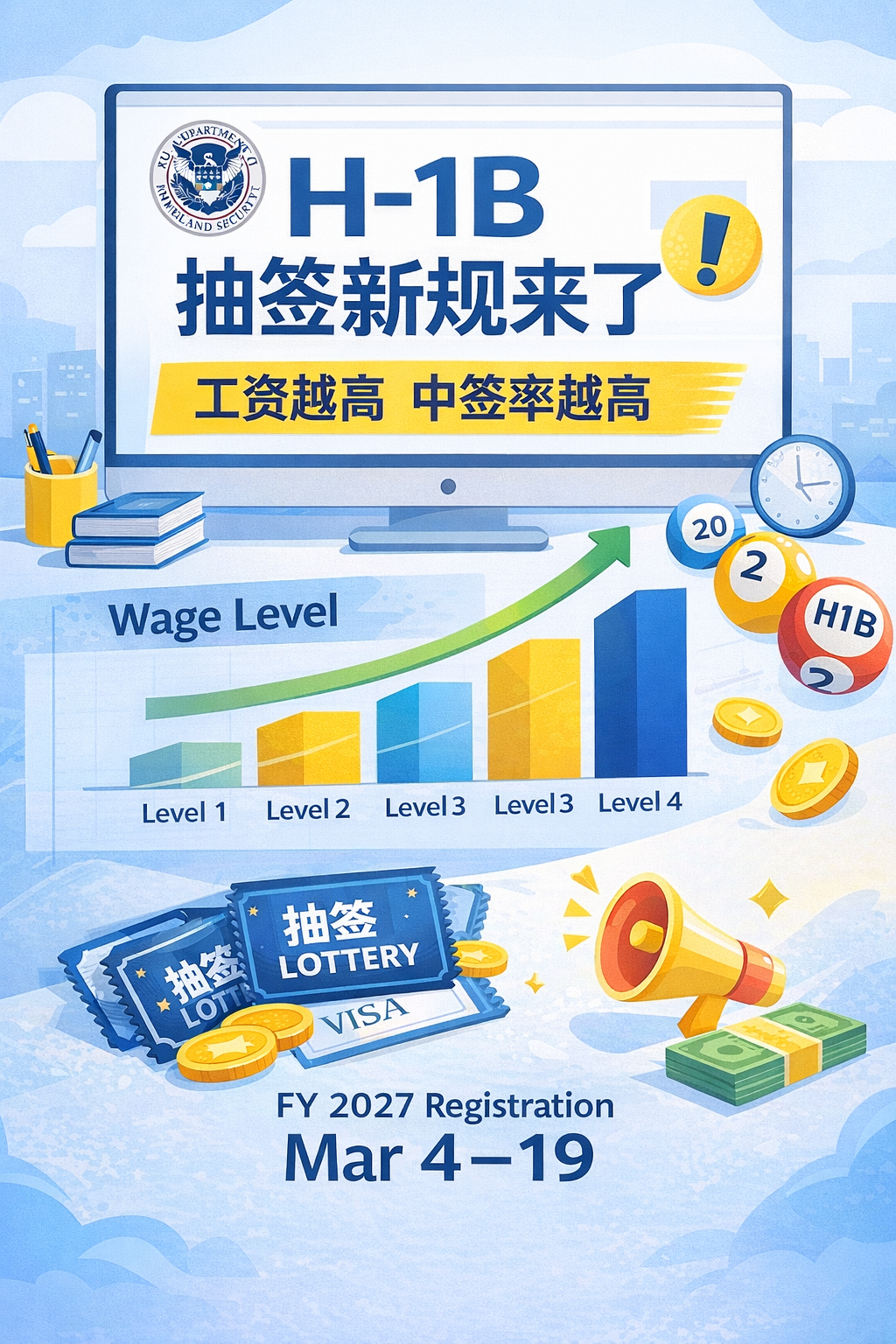
2027财年H-1B签证名额初始申请期将于3月4日开放
美国公民及移民服务局宣布,2027财年H-1B签证配额的初始注册期将于美国东部时间3月4日中午12点开始,至2026年3月19日中午12点结束。在此期间,有意申请H-1B签证的申请人及其代理人必须使用 美国公民及移民服务局的在线账户,以电子方式注册每位受益人,并支付每次注册的215美元H-1B签证注册费。 如果您是H-1B签证申请雇主,但没有美国公民及移民服务局(USCIS)在线账户,则必须创建一个机构账户。代理人可以随时在其账户中添加公司客户,但代理人和雇主都必须等到3月4日 才能输入受益人信息并提交注册申请及相关的215美元费用。甄选将在初始注册期结束后进行。我们计划于2026年3月31日前,通过用户的USCIS在线账户向至少有一项注册被选中的潜在申请人和代理人发送甄选通知。 只有在 H-1B 注册过程中,申请人为其名额限制申请的受益人注册被选中,申请人才能提交 H-1B 名额限制申请,包括为符合高级学位豁免条件的受益人提交的申请。 有关电子注册流程的更多信息,请访问H-1B 电子注册流程页面。我们将在首次注册期开始前更新此页面。 2027财年工资帽新规 美国国土安全部发布了一项 最终规则,修订了美国公民及移民服务局 (USCIS) 如何选择 H-1B 注册申请人(即符合特定受益人资格的申请人)的相关规定。新的 H-1B 选择流程优先向高技能、高收入的外国人分配签证,以更好地保障美国工人的工资、工作条件和就业机会。在 2027 财年 H-1B 名额申请季,如果在初始注册期内收到的符合特定受益人资格的注册申请数量超过名额限制,我们将从已提交有效注册申请的符合特定受益人资格的申请人中进行加权选择。如果未收到足够数量的符合特定受益人资格的注册申请,我们将选择所有在初始注册期内已提交有效注册申请的符合特定受益人资格的申请人。 2025年9月19日,特朗普总统发布了《限制某些非移民工作者入境公告》 ,这是改革H-1B非移民签证项目的重要一步。虽然该公告不直接影响电子注册流程,但如果申请人的注册已被选中且符合提交H-1B配额限制申请的资格,则可能需要在提交H-1B申请前额外支付10万美元的费用,作为资格条件之一。更多详情,请参阅我们H-1B专业职业页面上的“关于限制某些非移民工作者入境的总统公告”部分 。 【官方原链接】https://www.uscis.gov/newsroom/alerts/fy-2027-h-1b-cap-initial-registration-period-opens-on-march-4
快讯
2026年01月30日
快讯
赞助合作邀请|2026 NACSHR 北美华人人力资源夏季论坛 5月16日硅谷
让您的品牌 被看见 · 被信任 · 被选择 赞助合作方案|2026 NACSHR 北美华人人力资源夏季论坛 连接北美最具价值的华人 HR 专业社群与企业决策者 在全球组织重构、AI 深度进入管理流程、合规与用工环境持续复杂化的背景下,北美华人 HR 正在从“执行者”走向“关键决策参与者”。 他们既理解北美本土制度与商业逻辑,也深度参与中资企业国际化、本地企业多元化与组织升级的核心进程,正在成为一条极具价值却高度稀缺的专业连接网络。 2026 NACSHR 北美华人人力资源夏季论坛,将于 2026 年 5 月 16 日在硅谷举办。这是一次刻意回归“高密度专业交流、真实经验对话、长期关系建立”的线下聚会。 我们不追求规模化曝光,而是致力于构建一个——真正值得被信任、可以持续对话的华人 HR 专业场域。 我们诚邀与 NACSHR 价值观高度契合的品牌与我们一同参与:在一个去噪、专业、真实的环境中,与北美最具影响力与决策力的华人 HR 群体,建立长期连接。 作为赞助合作伙伴,您将获得什么 1. 面对面 · 高质量 · 可持续的专业连接 与 近百位北美一线华人 HR 决策者进行线下深度交流,参会者来自: 中资企业北美分支(科技、制造、能源、金融等) 北美本地企业(科技、医疗、教育、金融等)中的华人 HR 具备实际采购决策权或强影响力的 HR 负责人、HRBP、招聘与合规负责人 这是一个真实、成熟、愿意对话的 HR 圈层,而非“泛曝光式人群”。 2. 北美华人 HR 圈层内的长期传播与信任背书 论坛传播并不止于会前宣传与当天曝光,而是覆盖: 20+ 个长期活跃的北美华人 HR 微信社群 累计 10,000+ 北美华人 HR 专业人群的持续触达 LinkedIn、微信公众号、小红书等多平台多轮内容传播 您的品牌将被放置在 专业内容、真实讨论与长期社群关系之中,而非一次性广告位。 3. 多触点但不过度的品牌呈现 在尊重论坛整体专业氛围的前提下,提供: 现场 Logo 展示与核心视觉露出 展位或深度交流区域 资料礼包、背景板与论坛内容关联露出 会前 / 会后线上联合传播 强调被看见,但不打扰;被记住,而非被忽略。 4. 支持深度定制的合作形式 · 演讲赞助 ·圆桌对话参与 · 晚宴赞助 ·Pitch demo · 现场展位 等标准合作,可以参考附录方案 除标准赞助方案外,NACSHR 支持多种内容型、关系型、长期型合作方式,包括但不限于: 闭门圆桌 / 小型深度讨论 行业主题共创内容 专业访谈 / 短视频专访 HR 实务问诊或解决方案交流区 NACSHR 生态内的长期品牌合作与内容共建 所有合作形式均以真实价值与长期关系为核心。 谁会参与 2026 NACSHR 夏季论坛 中资企业北美分支的 HR 负责人、招聘经理、合规专家 北美本地企业中的华人 HR 专业人士 HR 科技、招聘、用工、福利、合规等服务机构的创始人或核心团队成员 独立 HR 顾问、组织发展(OD)专家与职业发展教练 这意味着:您的品牌将进入一个高度真实、具备采购决策力、并持续互相推荐的华人 HR 专业网络。 联系我们|获取定制赞助合作方案 邮箱:nacshr818@gmail.com官网:www.nacshr.org微信 / LinkedIn:Annie(支持中英文沟通) 让您的品牌 被看见 · 被信任 · 被选择 加入 2026 NACSHR 北美华人人力资源夏季论坛 赞助合作计划,与北美华人 HR 圈层,建立真正有价值的专业连接。
快讯
2026年01月21日
快讯
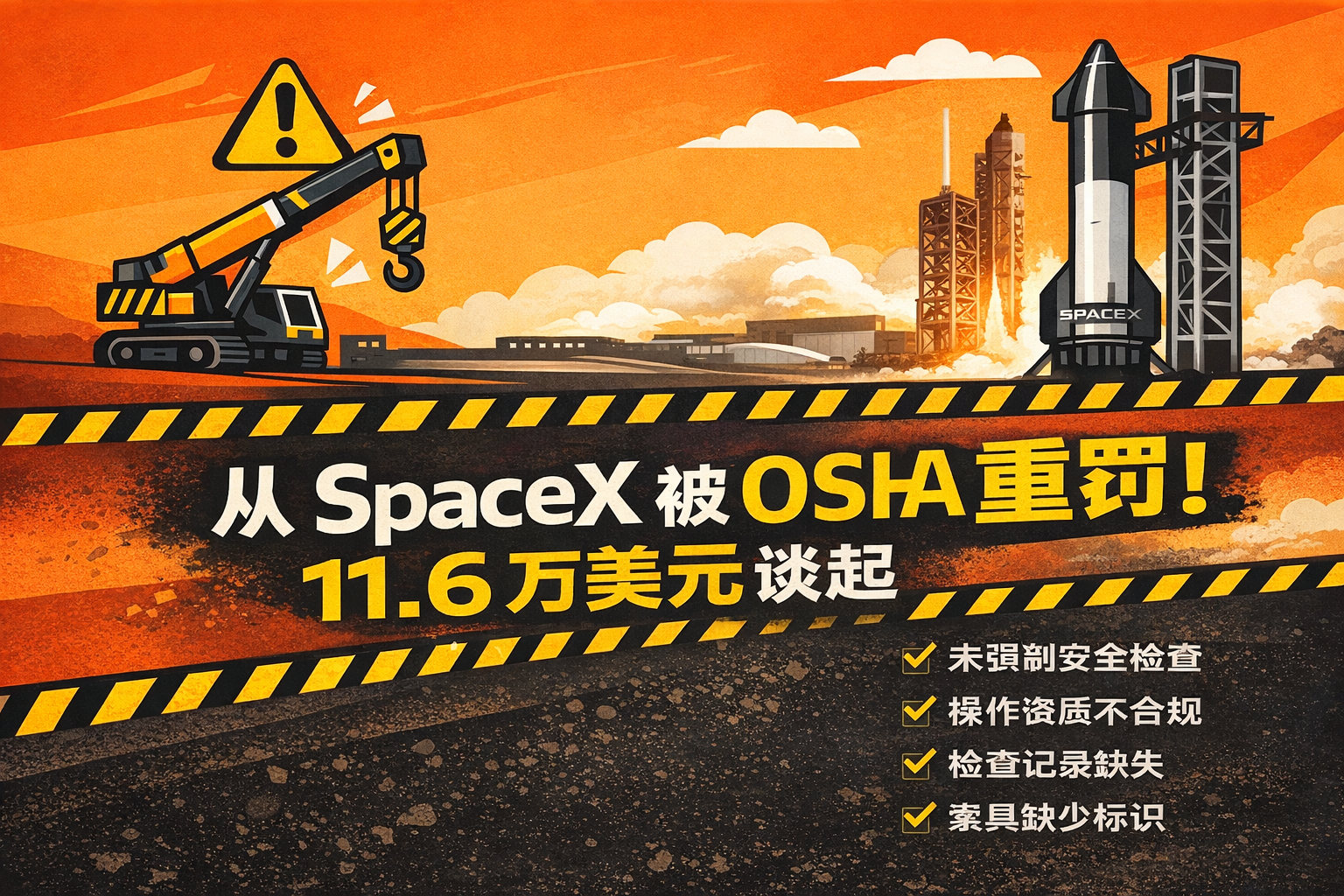
从 SpaceX 被 OSHA 重罚11.6万美元谈起:为什么员工安全,最终会落在 HR 身上?
概述:SpaceX 在德州 Starbase 的一次起重机倒塌事故,被 OSHA 认定存在 7 项严重安全违规,罚款总额 11.6 万美元。值得注意的是,监管并未确认是否有人受伤,但仍开出最高额度罚单。原因很简单:OSHA 关注的是员工是否被暴露在可预见的高风险中,而不是事故结果本身。设备检查、操作资质、记录缺失,都会直接构成违规。对 HR 来说,这再次验证一个现实:监管罚款无法靠保险解决,真正的防线是制度、执行和证据。 美国职业安全与健康管理局(Occupational Safety and Health Administration,OSHA)近日公布调查结果称,SpaceX 在其位于德克萨斯州南部的 Starbase 基地发生一起起重机倒塌事故前,未按规定对关键设备进行合规检查。该结果由 TechCrunch 于 2026 年 1 月 20 日披露,再次将企业在高速扩张过程中面临的员工安全与合规治理问题推至台前。 事故回顾:清理爆炸残骸时发生倒塌 事故发生在 2025 年 6 月。当时 SpaceX 正在 Starbase 现场清理一次 Starship 火箭爆炸后的残骸,一台用于重型吊装作业的液压起重机在作业过程中倒塌。OSHA 在事故发生后的第二天即启动调查。 OSHA 调查结论:7 项“严重违规” OSHA 最终认定,SpaceX 在该事件中存在 7 项“严重(Serious)安全违规”,其中 6 项被处以法定最高额度罚款,罚款总额为 115,850 美元。调查目前仍处于开放状态,SpaceX 有权对处罚结果提出申诉。 根据 OSHA 披露的信息,主要问题包括: 起重机在完成维修后,未经过合格人员的强制安全检查便重新投入使用 月度检查记录缺失或不完整,尤其涉及钢丝绳等关键承重部件 吊装与索具设备 缺少制造商标识及安全载荷(Safe Working Load)标注 至少一名操作人员 未持有有效的国家级起重机操作员认证 OSHA 表示,目前尚不清楚此次事故是否造成员工受伤,但其认定这些问题足以构成对员工的现实安全威胁。 为什么“没有伤亡”,仍然会被重罚? 这起案例中,一个容易被忽视但对 HR 极其重要的事实是: OSHA 的处罚逻辑,并不以“是否有人受伤”为核心。 监管关注的关键在于: 员工是否被暴露在 可预见的高风险环境中 企业是否 本可以通过制度和流程预防风险 是否存在 流程缺失、被跳过或未被执行的情况 在 SpaceX 的案例中,OSHA 认定的问题集中在 “检查、资质和记录”,而非单一的设备故障。 保险为何无法“解决”OSHA 罚款? 对 HR 而言,这起事件也再次印证了一个现实边界: OSHA 罚款本身,无法通过任何商业保险转移或理赔 工伤保险、雇主责任险、综合责任险,只能覆盖: 员工伤害后的赔付 随之而来的民事诉讼风险 监管罚款与违规认定,必须由企业自行承担 这意味着,OSHA 风险的控制,本质上是管理能力问题,而不是保险配置问题。 OSHA 罚款真的“无法避免”吗?HR 能做什么? 答案是:罚款不能靠保险避免,但在实践中,很多罚款是“可以被预防或显著降低的”。 从监管实践来看,OSHA 重点考察的并非“有没有事故”,而是企业是否具备以下三点: 是否有制度、是否有执行、是否有证据。 对 HR 而言,以下动作尤为关键: 第一,防止违规被定性为“严重违规”或“故意违规” 一旦被认定为企业“明知风险仍放任”,罚款几乎没有谈判空间。HR 的职责在于:**不允许“默认知道”“临时先上”“事后补流程”**成为常态。 第二,用合规记录对冲现场失误 在 OSHA 调查中,没有记录,等同于没有发生。设备检查、员工资质、培训签到、整改跟进,都是法律意义上的“防线”。 第三,把“个人判断”变成“系统机制” 很多安全事故并非恶意,而是源于项目压力下的临时决策。HR 真正的价值,在于通过制度和系统,把“是否合规”从个人判断,变成必须完成的前置条件。 第四,主动整改本身就是减罚因素 OSHA 在处罚中会明确考虑企业是否存在 Good Faith(善意合规) 行为,包括: 主动发现问题 及时停工整改 留存整改与培训证据 给企业 HR 的现实启示 这起事件并非航天行业的特例,而是所有工程、制造、科技硬件、快速扩张企业都会面临的共性风险。 对 HR 来说,真正的专业不是在事故发生后问“有没有保险”,而是在事故发生前,确保企业在监管面前“站得住脚”。 当业务扩张速度不断加快时,员工安全与合规治理,已经成为企业能否持续增长的底层能力之一。
快讯
2026年01月20日
《
1
2
3
4
5
》
9
跳转至
订阅NACSHR周报
HR Jobs
Seyond is hiring HR Generalist & Office Administrator in Sun
2026年09月06日
外企德科(FESCO Adecco)寻找 Part Time 猎头合伙人 合作性质:纯佣金远程兼职,非全职雇佣,Fr
2026年08月10日
Sales Assistant/Warehouse Assistant(销售支持) About Us When we
2026年07月24日
您好,我是 HiTHIUM(海辰储能) HR Kristina。我们目前在 Dallas(Mesquite) 招聘一位
2026年07月13日
最近文章
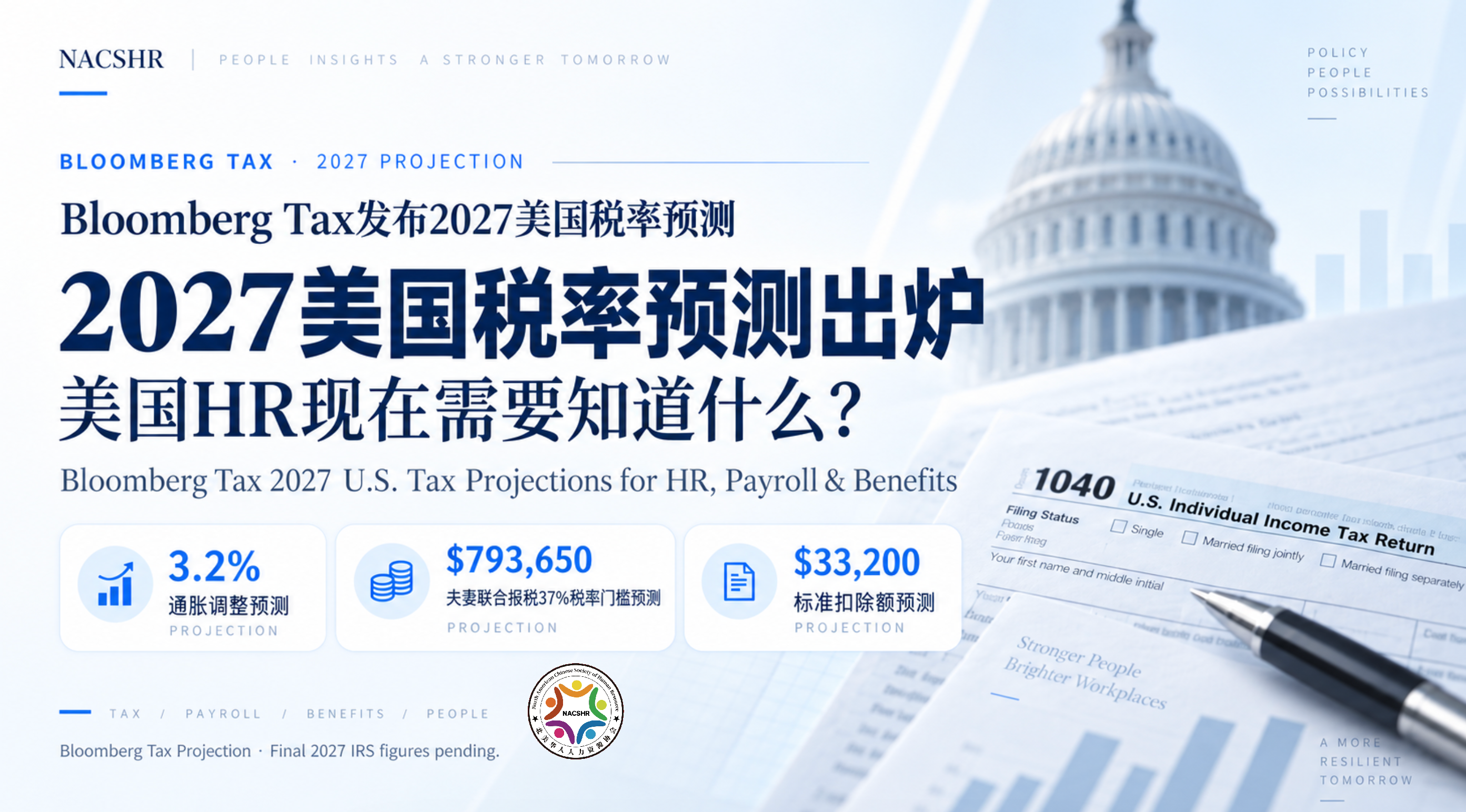
2027美国税率预测出炉:美国HR现在需要知道什么?税率没有简单“上涨”,真正变化的是收入门槛
2026年09月14日
From Local to Global|BIPO如何支持北美企业走向全球?
2026年09月10日
美国移民政策频变,HR该如何调整预期?|9月26日 Ji Mobility Law × NACSHR 硅谷现场
2026年09月10日
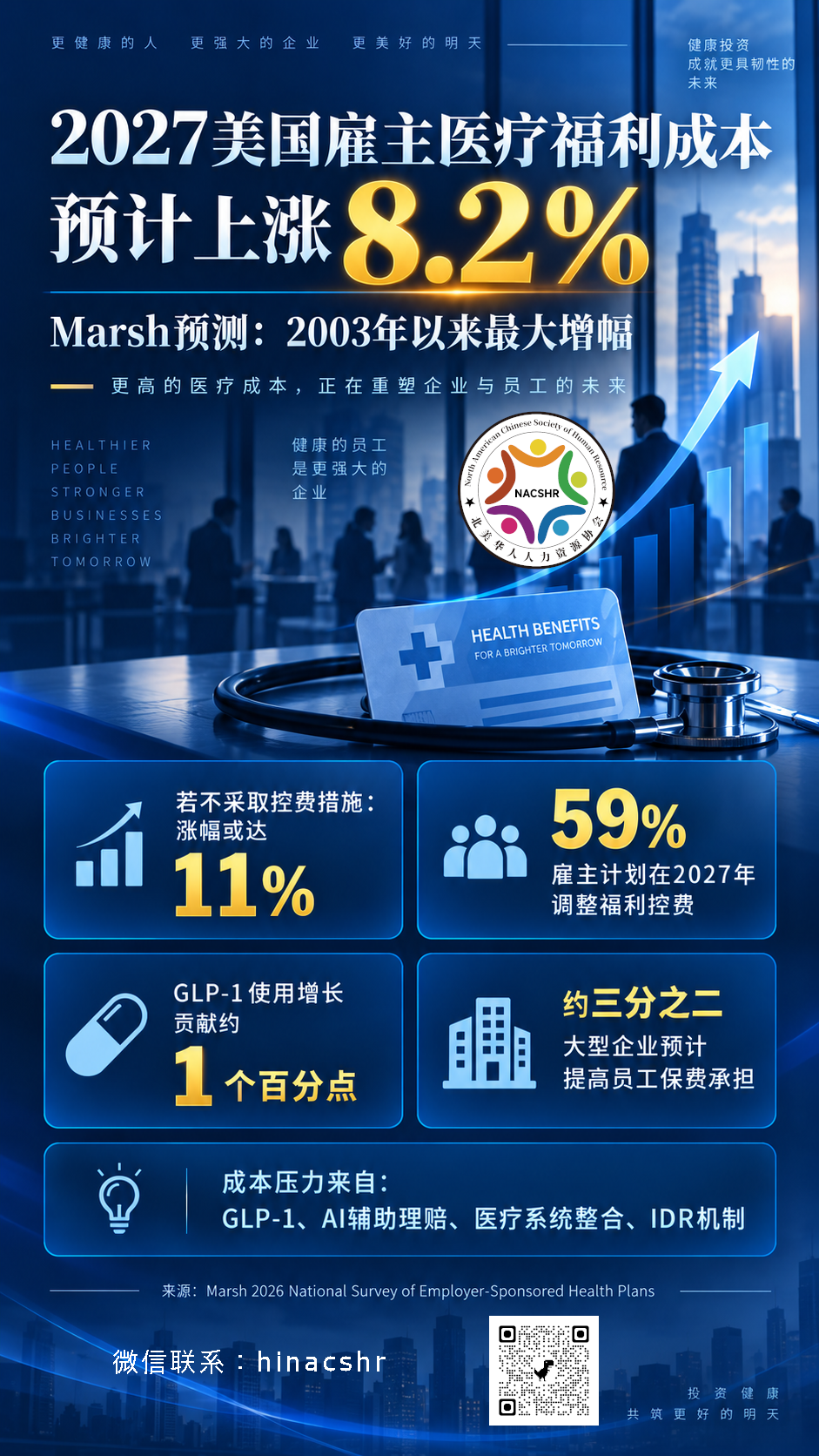
NACSHR观察|2027美国雇主医疗福利成本预计上涨8.2%:企业现在该如何准备?
2026年09月09日
【解读】美国2027年平均加薪3.2%:真正考验HR的,不是“涨多少”,而是“给谁涨”
2026年08月31日
热门文章
那年今日
NACSHR与ADP达成战略合作 打造华人企业在北美的人力资源管理专属通道
2025年09月17日
Workday签署最终协议收购Evisort,这是一家AI原生文档智能平台
2024年09月17日
扫一扫 添加客服
NACSHR招聘平台用户协议 & 免责声明
|
订阅NACSHR月报
|
NACSHR2024年度活动计划
|
NACSHR6月夏季论坛启动
|
Become a Speaker
|
北美HR需求指南-征集中
|
2024北美华人人力资源年度峰会
|
北美HR招聘平台-企业直招,内推
|
我有需求,想咨询
|
北美华人人力资源服务图谱
|
北美人力资源服务图谱
|
NACSHR在北美HR图谱
|
洛杉矶·NACSHR论坛
|
2025洛杉矶·华人HR年度论坛
|
NACSHR会员服务
|
NACSHR重磅发布企业高管签证与移民优选服务平台
|
官方邮箱:nacshr818@gmail.com
|
2026团体健康险报价开放中
|
免费发布北美HR职位
|
在线留言
|
联系我们
|
2026NACSHR夏季论坛·硅谷
|
付费方式
|
EPLI (雇主责任险)自主询价
|
福利保险
|
美国高官签证优选平台- L1、EB-1A等
|
2026NACSHR年度论坛9月26日
|
北美企业保险咨询
|
加州合规检测,仅需199一次
|
加州小企业医疗保险全指南
|
加州SB553
|
赞助合作
|
高管签证和移民优选服务
|
企业进入美国,HR 必须收藏的 30 个官方网站
|
30秒生成合规路线图
Email:
hi@nacshr.org
Copyright © 2026 NACSHR.org All Rights Reserved.
×
登录
用户注册
Email
密码
保持登录
忘记密码
登录

 快讯
快讯
 快讯
快讯
 快讯
快讯
 快讯
快讯
 快讯
快讯
 快讯
快讯
 快讯
快讯
 快讯
快讯
 快讯
快讯




 扫一扫
添加客服
扫一扫
添加客服


