警惕升级:英国招聘诈骗案激增,全球招聘诈骗都不少
英国伦敦警察局的最新数据显示,向行动欺诈部门报告招聘诈骗案件的人数增加了超过八倍,过去一年通过招聘诈骗短信和WhatsApp信息盗取的金额从2万英镑跃升至近100万英镑。然而,伦敦警察局临时指挥官奥利弗·肖表示,这可能只是“冰山一角”,因为此类欺诈行为“极其被低报”。
招聘诈骗涉及犯罪分子以额外工作或收入的承诺吸引受害者,然后骗取他们的银行详情或控制他们的手机来盗取钱款。
18岁的贝拉·贝特顿(Bella Betterton)来自德文郡,她上了招聘诈骗的当,被骗走了3000英镑。诈骗分子首先通过WhatsApp信息和电话与她联系。诈骗分子通过电话进行了一次贝拉以为是真实的面试,面试内容是关于远程工作,包括使用他们的钱购买和评估产品。犯罪分子通过数十条信息和电话与贝拉沟通,直到他们在她的手机上安装了她怀疑是恶意软件的东西,从而进行了四笔大额的信用卡支付,支付给了一个不明的加密货币交易所。诈骗分子可能会要求支付少量的预付款,他们声称这些款项将在受害者的第一份工资中报销,用于支付正当的费用——如DBS检查、安全检查和小型设备。
金斯顿大学的犯罪学家、也是欺诈者使用的语言和短语专家的伊丽莎白·卡特博士说,招聘诈骗是一种高数量、多阶段的犯罪。“这些短信只会对一部分人有意义……但这是一个数量游戏。犯罪分子只需要少数人回应,受害者就会自行筛选。
“欺诈者会让受害者经历几个阶段,这些阶段是你通常会期望一个人力资源部门会问的——姓名、地址、出生日期、银行详情。
“所有这些信息本身就是有价值的数据,所以即使这个案件没有变成欺诈,这些数据也是有价值的,可以在暗网上出售。”
许多人员招聘公司已经加入了Jobsaware计划,这是执法机关和英国政府为应对这一问题而成立的特别工作组的一部分。该计划是在大流行期间招聘诈骗案件增加后推出的。到目前为止,近500家英国招聘公司向其候选人推广JobsAware,每天有超过50万个在线职位广告展示JobsAware的标志。
The rise in recruitment scams in the UK, as reported by the City of London Police, is a concerning trend that highlights the evolving nature of online fraud. The statistics indicate a significant increase in these scams, with an eightfold rise in reports to Action Fraud and the amount of money stolen jumping from £20,000 to nearly £1 million in just one year. This dramatic escalation underscores the seriousness and growing sophistication of these scams.
Recruitment scams typically involve criminals offering fake job opportunities to lure individuals. They use the promise of work or extra income to deceive victims into providing bank details or gaining access to their phones, often leading to substantial financial losses. The case of 18-year-old Bella Betterton from Devon is a poignant example. She was deceived through WhatsApp messages and phone calls, believing she was participating in a legitimate job interview. The scammers groomed her with consistent communication before presumably installing malware on her phone, which resulted in significant financial loss.
The complexity of these scams is highlighted by Dr. Elisabeth Carter, a criminologist at Kingston University. She points out that recruitment scams are high-volume, multi-stage crimes, employing specific language and tactics to manipulate victims. By mimicking the processes of legitimate HR departments, fraudsters collect valuable personal data, which can be used for further fraud or sold on the dark web.
The response to this growing threat includes initiatives like the Jobsaware scheme, a collaboration between law enforcement, the UK government, and staffing firms. This program aims to combat recruitment scams, especially following their increase during the pandemic. Nearly 500 UK recruiters are participating in promoting JobsAware to their candidates, and more than half a million online job adverts display the JobsAware logo daily, demonstrating the scale of efforts to raise awareness and protect job seekers.
This situation serves as a stark reminder of the need for vigilance in the digital age, especially when seeking employment opportunities online. Individuals must be cautious and verify the legitimacy of job offers and recruiters. Additionally, this highlights the importance of ongoing efforts by authorities, organizations, and the public in combating such fraudulent activities.
头条
2024年01月15日
头条
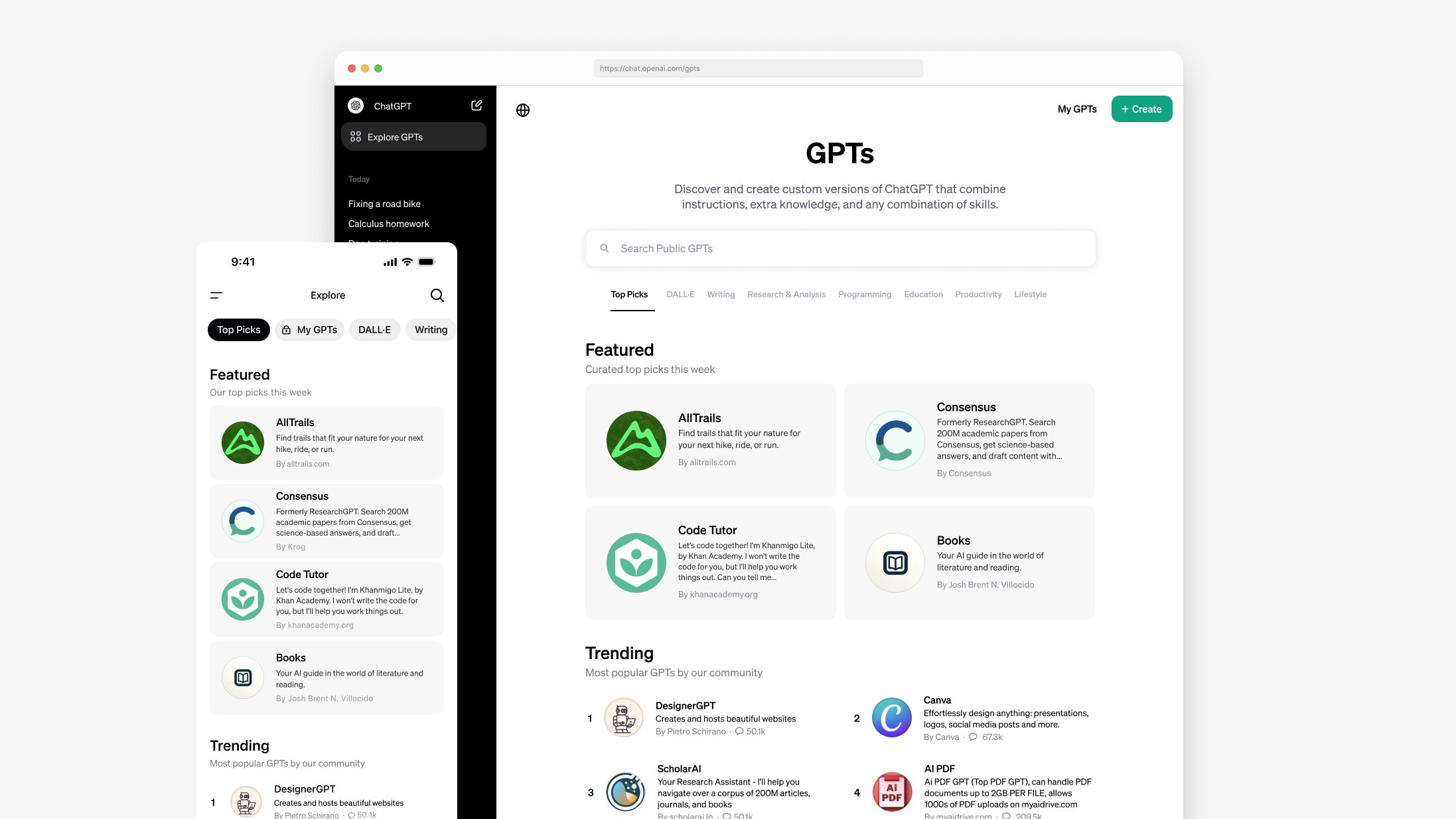
200 ChatGPT Prompts for Recruiters.Well, as ChatGPT (or similar tools) knows everything and nothing, I need to get the tool to understand a bit more about me before we get going. I’ll briefly explain the organization's industry, products/services, size, history, culture, and any other relevant background details. This gives the AI foundational knowledge, and the results are so much better. Here’s how you can do it.
(And for the love of god, remember NOT to share sensitive information)
Offer key company materials - Provide links to or copies of annual reports, press releases, case studies, marketing brochures, leadership bios, recent news articles, etc. This immerses the AI in how your company communicates and describes itself. (Yes, you might have to copy-paste here)
Highlight unique language - Point out any company or industry-specific lingo, acronyms, slogans, or branding terminology frequently used in your context. This allows the AI to converse using natural company diction.
Name competitors - List 3-5 of your top competitors in the market. Understanding adjacent players provides helpful context.
Outline leadership - Provide a brief overview of the CEO, executive team, founders, and any key employees. Details on key leaders provide perspective.
Summarize culture - Explain your values, mission, ethics, remote/in-office policies, perks, and anything that captures your organization's personality. This ensures prompts align with your culture.
(If the tool is connected to the internet) Share your website - Supply the URL for your company's website. Recommend the AI reviews the About Us, Careers, and any other pertinent pages to learn more.
(If the tool is connected to the internet) Share your social media - Supply links to company social media pages on LinkedIn, Twitter, Instagram, etc., to reveal culture, initiatives, events, and employee advocacy.
The copy-paste button will be hot after this, but I promise it will be worth it.
But that said, here’s a video where I show how to use prompts like the ones I’m sharing in this post. See all of this as inspiration; I’m not aiming to solve all your recruitment problems with ChatGPT or similar tools; no, I see this as a way to get going. To get started. It’s a vehicle to get your mind to a place where you see possibilities with this technology.
Prompt examples from the video:
Please write a detailed 550+ word job description for a Social Media Manager at an e-commerce startup seeking growth on Instagram and TikTok. Include responsibilities like developing campaigns, content creation, community management, monitoring engagement metrics, and project management. Highlight required skills like creativity, collaboration, analytical abilities, communication expertise, and extensive knowledge of algorithmic feeds.
Give me 10 targeted keyword search strings to find experienced social media managers with e-commerce expertise in Austin, Texas, on LinkedIn. Also, suggest 3 creative sources beyond job boards for sourcing relevant candidates.
Please provide 10 prescreening questions to evaluate skills and experience for a startup’s Social Media Manager opening through an online form.
Create an hour-long in-person interview template for a startup's final round Social Media Manager interview. Include 8-10 questions that assess hard and soft skills in a conversational way.
Please provide 5 suggestions for improving my startup's current interview process for hiring social media managers. How can we more efficiently and accurately assess candidates?
Please propose 5 creative, out-of-the-box ideas for sourcing qualified Social Media Manager candidates beyond traditional job board listings.
Recruitment Prompts
Here’s the list of the 200 prompts. Just like with the last list, see them as inspiration to get your mind to grasp the potential of generative AI tools. You can ask them almost anything when it comes to recruitment.
Job Analysis
Please analyze this job description and highlight the key responsibilities, required skills, and qualifications needed.
What are generally the most critical tasks and outcomes for the role of [job title]?
What certifications or licenses are legally required for a [job title] in [location]?
What soft skills are most important for [job title] at our company?
Help me understand the day-to-day responsibilities of a [job title] at our organization.
What are the most physically or mentally demanding aspects of a [job title] role?
What stakeholder relationships would a [job title] need to manage effectively in this role?
How could we best evaluate the job performance of a [job title] in their first year?
What changes in technology or industry practices are impacting the role of [job title] currently?
How could a [job title] position evolve or change responsibilities over the next 3-5 years at our company?
What aspects of company culture or values are most important for a [job title] hire?
What challenges might a new [job title] face transitioning into this role? How could we mitigate these?
Could you provide a detailed breakdown of the workflow and key outputs for a [job title] on a weekly basis?
What metrics would an ideal [job title] regularly track to assess their performance?
What qualifications or background experiences tend to prepare candidates well for [job title] roles?
What potential knowledge gaps should we anticipate providing training on for new [job title] hires?
How much supervision or guidance do high performers in [job title] roles typically require day-to-day?
What characteristics of top [job title] talent could we highlight to stand out to candidates?
What attributes make candidates risky hires for [job title] roles at our organization?
How could we get internal stakeholders involved in helping analyze requirements for [job title]?
Forecasting
Based on our current team size of [x] and growth plans to expand by [y]% this year, how many additional [job title] hires will we need in the next 6 months?
If we expect [x] employees to leave our organization annually, how many [job title] replacements should we anticipate hiring per quarter?
Our industry growth projections estimate a [x]% increase in demand this year. How many additional [job title] hires does this indicate we should budget for?
We expect [x] new projects launching this year that will require [job title] support. How many hires does this equate to based on bandwidth requirements?
What external data sources could provide helpful benchmarks for forecasting our [job title] hiring needs over the next 3 years?
How could we survey internal departments to forecast [job title] talent needs for upcoming initiatives?
What methodologies do leading firms use to accurately forecast staffing needs for roles like [job title]?
How far in advance should we aim to forecast and budget our hiring needs for [job title] to secure top talent?
What seasonal or cyclical factors should we consider when planning [job title] hiring throughout the year?
How could we build a forecast model to size hiring needs for [job title] based on business drivers like sales, production, etc?
What is the optimal ratio of [job title] to other roles like [role] or [role] at organizations like ours?
What is the expected churn or attrition rate for [job title] at comparable companies? How could this inform our hiring plans?
How should we factor in potential economic changes into our [job title] hiring forecasts for risk planning?
What organizational metrics or KPIs would be useful leading indicators to anticipate increased hiring demand for [job title]?
How can we create contingency plans for staffing [job title] in case of unexpected needs outside our projections?
What processes do leading firms use to update and validate their hiring forecasts frequently?
How could we leverage AI, machine learning, or people analytics to improve [job title] hiring forecasts?
What stakeholder input should we gather to make accurate [job title] hiring forecasts?
How far ahead do recruitment cycles typically run for specialized roles like [job title]?
What historical or benchmark data could we analyze to make data-driven [job title] hiring forecasts?
Drafting Job Descriptions
Please draft a 500 word job description for a [job title] at our company. Include key duties, required qualifications, and preferred skills.
What are 5-7 must-have hard skills and capabilities for an ideal [job title] candidate at our organization?
What soft skills and personality traits tend to result in success for [job title] at our company? Please incorporate 3-4 examples.
Please develop a prioritized list of the top 10 qualifications and competencies needed in a [job title] hire at our firm.
What technologies, tools, or instruments should we highlight as required expertise for [job title] candidates? Please list the 5 most essential.
What level of education or experience should we require for [job title] candidates?
What specialized certifications or licenses should we indicate are mandatory for [job title]?
What soft skills like communication, teamwork, problem-solving are essential for [job title] at our organization? Please include 3-4 examples.
What attributes reflect the ideal culture fit for a [job title] candidate?
How could we emphasize continual learning and development opportunities in the [job title] description?
What achievements, accolades or experiences would stand out on the resume of a top [job title] candidate? Please include 2-3 examples.
What departments, teams or stakeholders would a [job title] collaborate closely with? How can we reflect this cross-functionality?
How can we convey our organization's unique mission, values and culture in the [job title] description?
What specific accomplishments should a [job title] in this role aim to achieve in their first 6-12 months?
What challenges might a [job title] undertake at our rapidly scaling organization? How could we briefly reference growth opportunities?
What visibility or audience should the [job title] description target - active or passive candidates? Internal team members? Please advise.
What sample responsibilities could we highlight that utilize top-of-license skills for [job title]?
Should we emphasize broader scope or specialization in the [job title] description? Please provide guidance.
What requirements may deter otherwise qualified [job title] candidates? How might we reduce unnecessary barriers?
Beyond hard skills, what example behaviors or mindsets could a stellar [job title] bring to this role?
Sourcing and Advertising
What Boolean search string would you recommend on LinkedIn to source passive candidates for [job title] in [city]?
Please suggest 5 niche job boards or online communities we should post our [job title] opening to reach qualified candidates.
What information should we highlight about our employer brand and culture to attract top [job title] talent on social media?
What universities or academic programs produce strong talent pipelines for [job title] roles? Please list the top 5 recommendations.
If our ideal candidate is currently employed at [company], what employee referral incentives or campaigns could attract referrals from that organization?
What local networking or industry events would be worth sponsoring to gain visibility among [job title] talent?
Should we focus our sourcing for [job title] on active or passive candidates? What strategies would you suggest for each?
What skills or traits possessed by our current top [job title] performers could we target in sourcing new candidates?
Beyond job boards, what are 3 innovative ways we could source and engage prospective [job title] candidates?
What messaging or content strategy could we use via social media to interest passive [job title] prospects? Please provide 2-3 examples.
Which organization branding elements or achievements would attract high quality [job title] candidates? How should we feature these?
What recruiting events, hackathons or competitions could we sponsor to connect with promising [job title] prospects still in school?
How could current employees get incentivized to refer their networks for our open [job title] roles?
What sourcing channels would enable us to target more diversity among our [job title] candidates?
How could we better engage prospective [job title] candidates throughout the advertising and sourcing process? Please provide 2-3 strategies.
What unique value proposition could we highlight to make our [job title] role stand out versus competitors?
Which past or present employees could serve as influencers to endorse our employer brand to [job title] prospects online?
What creative multimedia content formats might captivate and inform potential [job title] talent about our culture and opportunities?
Where could we strategically advertise our employer brand storytelling content to attractively showcase our [job title] opportunity to top talent?
What differentiating factors or achievements make our company culture compelling to [job title] prospects? How can we highlight these?
Application Collection and Screening
Please develop a preliminary online application form with 6 screening questions to evaluate basic qualifications for [job title] candidates.
What are 5 red flags or disqualifiers in a [job title] resume or application that should warrant immediate rejection?
If we receive 250 applications for a [job title] opening, what is a realistic timeline and process for screening this down to 50 qualified candidates for interviewing?
What are 3 capabilities of software tools like [ATS name] that can automate or simplify the candidate screening process for high volume roles like [job title]?
How could we effectively screen a high volume of [job title] applications within one week? Please provide a detailed process.
What information or evidence should we request from [job title] applicants to preliminarily evaluate abilities?
How could we efficiently evaluate [job title] work samples or portfolios at the application screening stage?
What are 5 essential screening criteria we should use to identify the most promising [job title] applicants?
What objective minimum qualifications for [job title] could we establish to filter out underqualified applicants?
How might we incorporate skills testing into our [job title] application process to validate capabilities?
What initial screening questions could help identify the best cultural fits for [job title] at our organization?
What is an effective checklist or process our team could use to consistently evaluate [job title] applications at scale?
Should initial [job title] application reviews assess capabilities only, or also evaluate potential and coachability? What are the pros and cons?
How could we simplify or customize our application process for mobile and user-friendly [job title] recruiting?
What steps or tools could help us remove unconscious bias from our [job title] applicant screening process?
How should we handle applicants who lack the required qualifications for [job title] but have transferable skills from adjacent roles?
What selective criteria beyond experience and education may indicate a high potential [job title] candidate?
Which screening tasks or workflows for [job title] could we consider automating to increase efficiency?
What legal or ethical considerations should we keep in mind when screening [job title] applicants? Please explain 2-3 key areas.
How could we leverage data analytics or AI to identify the most promising [job title] applicants at the screening stage?
Assessment and Selection
What are 5 aptitude or skills tests relevant to assessing capabilities for [job title] candidates?
Please provide guidance on developing a structured 30 minute interview process and template for effectively evaluating [job title] candidates.
What are 5 important predictive indicators we should evaluate in reference checks to validate [job title] candidate qualifications?
How could we effectively assess problem-solving abilities for [job title] candidates through a case study or exercise during interviews?
What are 3 cognitive assessments or psychometric tests that would be useful predictors of success for [job title] hires?
What simulations or role play scenarios could we incorporate to evaluate [job title] hard and soft skills?
How can we assess the technical writing or documentation abilities of [job title] candidates? Please provide 2-3 strategies.
What prescreening phone interview questions would help identify the best [job title] prospects for in-person interviews? Please share 5 examples.
What presentation, teaching or explanation exercise could provide insight into a [job title] candidate's abilities beyond resumes?
How can we effectively check [job title] candidates' work ethic, motivation and grit during the interview process?
What metrics or examples from a [job title] candidate's portfolio or body of work should we evaluate?
What assessments or tools would provide useful data on a [job title] candidate's judgment, problem-solving and decision making?
What competency-based interview questions will reveal the behaviors, motivations and aptitudes that result in [job title] success? Please provide 5 examples.
What hypothetical scenarios could we present to [job title] finalists to assess their analytical or creative approach?
How can we implement a structured interview process that consistently evaluates [job title] candidates against the same criteria?
What assessments help determine a [job title] candidate's ability to cope with a high pressure role or environment?
Beyond task performance, what exercises or questions would offer insight into a [job title] candidate's teamwork, leadership and cultural fit?
How can we evaluate a [job title] candidate's ability to learn and apply new technical skills throughout assessment?
What ethical considerations are important when designing assessments and selecting [job title] candidates? Please explain 2-3 key factors.
What legal standards or compliance factors must we ensure when assessing and selecting [job title] candidates?
Interview Process
Please provide 8 initial phone screening questions to evaluate basic qualifications for a [job title] candidate in under 30 minutes.
How should we structure a 60 minute in-person panel interview process for [job title] candidates to gather feedback from 5 key stakeholders?
What is an ideal interview framework for comprehensively assessing both the hard and soft skills of a final round [job title] candidate in 90 minutes?
What questions will best evaluate the cultural fit of a [job title] candidate during a behavioral interview? Please provide 5 examples.
How can we design engaging case study or hypothetical exercises to assess problem-solving abilities of [job title] finalists? Please provide 2 examples.
How should we sequence or structure the overall [job title] interview process from screening to final round? Please outline and explain your approach.
What training, guides or other resources can help our interviewers effectively evaluate [job title] candidates? Please summarize 2-3 recommendations.
How can we gain useful insights into a [job title] candidate's strengths and development areas from their references? Please share 5 strategic questions.
What guidelines should panel interviewers follow to ensure fair and consistent evaluation of [job title] candidates?
How could we enhance our [job title] interview process to reduce bias and equitable evaluate diverse candidates? Please share 2-3 strategies.
What interview practices or questions could improve the candidate experience for [job title] applicants? Please recommend 2-3 improvements.
How might we effectively assess the decision making skills, judgment and problem-solving capabilities of [job title] candidates through interviews?
What methods or tools beyond resume review and interviews could enhance insights into [job title] candidates? Please recommend 2-3 supplemental assessments.
What strategies can help us benchmark or calibrate [job title] candidate evaluation standards across interviewers and hiring managers?
How could we implement an interview process that evaluates both current abilities and high potential for [job title] candidates?
What fair, legal and ethical hiring practices should we ensure when interviewing and assessing [job title] candidates?
What common interviewer biases or pitfalls should we caution against when evaluating [job title] candidates?
How might we survey [job title] candidates post-interview to improve their experience and our hiring insights?
What impression does our current [job title] interview process make on candidates about our employer brand? How could we enhance this?
How can we make reasonable accommodations in our [job title] interview process for candidates with disabilities?
Decision Making
What are 5 important criteria our interview panel should consider when debriefing and ranking [job title] candidates?
Please provide an example scoring rubric and methodology our team could use to evaluate and compare [job title] finalists.
How could we collect structured interview feedback in an organized, consistent way to facilitate data-driven [job title] hiring decisions?
What are 3 potential biases or decision pitfalls we should be aware of when evaluating [job title] candidates? How can we mitigate these?
Beyond interview performance, what additional data could provide valuable inputs into hiring decisions for [job title]?
What steps should we take to ensure objective, consistent hiring criteria free from bias or discrimination among [job title] candidates?
How might we incorporate skills testing, assessments or work samples into our [job title] decision process beyond just interviews?
What stakeholder perspectives or inputs should we gather to make well-rounded [job title] hiring decisions?
How can we implement an evidence-based [job title] hiring process focused on candidates' proven skills and future potential?
What training could help our team recognize unconscious biases when making [job title] hiring decisions?
How should we weight cultural fit versus skills fit when deciding on [job title] hires?
How should we weight cultural fit versus skills fit when deciding on [job title] hires? What are the risks of overemphasizing one or the other?
What is an ideal decision-making timeline for [job title] hiring from final interviews to offer stage? Please explain key factors.
How can we sustain sufficient talent pipelines and optionality among [job title] candidates to allow unhurried final hiring decisions?
What candidate data should we capture centrally throughout the [job title] hiring process to enable consistent comparisons and decisions?
How should we define, communicate and gain alignment on ideal [job title] candidate profiles across hiring managers and interviewers?
What decision tools or systems would you recommend to organize and track [job title] candidate assessments by multiple evaluators?
How can we balance speed with thoughtful deliberation when making time-sensitive [job title] hiring decisions?
What steps can we take to ensure ethical, fair and consistent decision-making among [job title] candidates?
How might we incorporate high-potential indicators into hiring decisions for candidates who meet some but not all [job title] qualifications? When is this risky?
Job Offer
What is the current median starting salary for [job title] with [x] years of experience in [location]?
Please provide guidance on structuring a competitive compensation package for a [job title] hire including base pay, annual bonuses, and benefits.
What standard components should we include in an offer letter for a [job title] position? Please provide an outline.
What non-financial incentives or perks could we highlight to make a [job title] offer more compelling? Please provide 5 examples.
If extended an offer for [job title], what questions or concerns might a candidate have? How should we prepare to address these?
How could we effectively evaluate and negotiate any counteroffers made by [job title] candidates? What are key considerations?
What sources would you recommend consulting to benchmark appropriate compensation for [job title] at our organization?
Beyond base compensation and benefits, what other terms should we consider when structuring [job title] offer packages? Please provide 3 examples.
What strategies and best practices should we follow when extending and negotiating job offers with [job title] candidates? Please summarize 5 key tips.
How might we highlight growth opportunities, career development investments, and long-term earnings potential when presenting [job title] offer packages?
What is an appropriate and compliant process for comprehensively verifying credentials, work authorization, and references for [job title] finalists before extending offers?
What considerations should determine whether we require signing bonuses, non-competes, or other binding terms when extending [job title] offers? Please explain 2-3 factors.
How generous should relocation and visa sponsorship packages be for [job title] roles in our city and industry? Please provide guidance.
Onboarding
Please outline a 90-day onboarding roadmap for integrating a new [job title] hire including milestones, resources, and check-ins.
What training programs or onboarding resources would most benefit new [job title] team members in their first 6 months?
How should a [job title] manager structure the first week on the job for a new direct report to facilitate quick ramp up? Please provide a sample schedule.
What are 5 cultural onboarding strategies that will best immerse new [job title] hires into our organizational values and environment?
How can we encourage knowledge sharing between existing employees and new [job title] team members during onboarding? Please provide 3 examples.
What onboarding resources or tools would be valuable for equipping [job title] hires ahead of their start date?
How should we structure the 30, 60 and 90 day milestones for [job title] onboarding to ensure progress and engagement?
What methods could we implement to continually solicit [job title] new hire feedback throughout their onboarding journey?
How can we foster effective mentorship and coaching relationships between new and experienced [job title] team members?
What potential knowledge gaps or risks should we proactively address through [job title] onboarding programs and training?
How might we utilize tools like chatbots or mobile messaging to make [job title] onboarding more scalable?
What metrics and data should we track during and after [job title] onboarding to quantify and improve its impact?
How could we enhance collaboration between HR and [job title] department managers to deliver outstanding onboarding?
How can we ensure onboarding provides early career development planning for [job title] roles?
What presentation strategies would help [job title] hires successfully introduce themselves to new coworkers and departments?
How might we structure mentor/buddy relationships to socialize [job title] new hires and make them quickly feel valued?
What special accommodations or adaptations should we make to onboarding programs for [job title] hires with disabilities?
How can we consistently follow up with [job title] managers to ensure high quality onboarding execution and persistence of new hire engagement?
How should we track [job title] new hire time-to-productivity metrics to quantify and improve onboarding efficacy?
What tactics help ensure equitable onboarding support across diverse [job title] hires? How can we mitigate disparities?
How might we stay updated on innovations in [job title] onboarding best practices across high performing companies and teams?
How could we increase senior leader visibility and storytelling during [job title] onboarding to inspire new hires?
What opportunities exist for peers, not just managers, to participate in welcoming and onboarding [job title] new hires?
What resources or support might help existing employees warmly receive and onboard [job title] new hires?
How can we celebrate successful [job title] onboarding milestones and progress both publicly and personally?
What mechanisms could we implement to incorporate [job title] new hire feedback into ongoing enhancement of our onboarding programs?
How should we periodically review and refresh onboarding practices to ensure they remain optimized for [job title] roles over time?
Phew!
What prompts did I miss?
美国劳工统计局发布12月就业数据US BLS Releases December Employment Situation
美国劳工统计局(BLS)今天发布的12月就业形势显示,经季节性调整后,12月非农就业总数增加了216,000余人,而临时帮助服务就业人数减少了近33,300人。12月临时代理渗透率为1.80%,低于11月修正后的1.82%。全国失业率维持在3.7%不变。
大多数行业群体的就业人数有所扩大。增幅最大的群体仍是卫生和社会援助,增加了58,900多个工作岗位;紧随其后的是政府,增加了52,000多个工作岗位;专业服务(不包括临时帮助),增加了46,300多个工作岗位。运输和仓储、自然资源和采矿业、其他服务业以及临时帮助服务业的就业人数下降。降幅最大的是临时帮助服务业,降幅为近33,300人;其次是运输和仓储业,就业人数下降了近22,600;自然资源和采矿业以及其他服务业就业人数均下降了近1,000人。
BLS修订:
10月份非农业就业人数总数的下调了45,000人,从150,000余人下调至105,000余人,11月份的变化下调了26,000人,从199,000余人下调至173,000余人。通过这些修订,10月和11月的就业人数合计比之前报告的少71,000人。
10月份临时帮助服务就业人数的下调,从增加200余人到损失近42,100人,之前估计的11月下降近13,600人被下调为22,100人。通过这些修订,和11月的就业人数合计比之前报告的低 近50,800 人。
SIA的观点:
美国经济在12月增加了216,000多个工作岗位,超过了彭博社对经济学家的调查中预测的175,000个中值。失业率稳定在3.7%,但劳动力参与率下降了30个基点,从62.8%下降到62.5%,黄金年龄(25-54岁)劳动力参与率从83.3%下降到83.2%。参与人数的下降,在一定程度上反映了住户统计调查中最新的季节性调整因素。
临时帮助服务行业继续与整体经济背道而驰,尽管非农就业人数增长速度快于预期,但就业人数仍下降了33,300人。上个月的修正仍是负面的,而且幅度很大,11月份的就业人数比一个月前的预期少50,800人。这种差异的持续明显指向了劳动力囤积现象,求职者和公司注重直接就业和长期就业,而不是临时工。临时帮工就业人数的急剧下降也与运输和仓储业(一个主要客户垂直行业)的就业岗位疲软高度一致。
竞争压力继续增加,但对于那些通过技术、服务产品或两者兼而有之而发展出竞争优势的人力资源公司来说,仍有持续和巨大的机会。
SOURCE SIA
头条
2024年01月12日
头条
Workday: It’s Time to Close the AI Trust GapWorkday, a leading provider of enterprise cloud applications for finance and human resources, has pressed a global study recently recognizing the importance of addressing the AI trust gap. They believe that trust is a critical factor when it comes to implementing artificial intelligence (AI) systems, especially in areas such as workforce management and human resources.
Research results are as follows:
At the leadership level, only 62% welcome AI, and only 62% are confident their organization will ensure AI is implemented in a responsible and trustworthy way. At the employee level, these figures drop even lower to 52% and 55%, respectively.
70% of leaders say AI should be developed in a way that easily allows for human review and intervention. Yet 42% of employees believe their company does not have a clear understanding of which systems should be fully automated and which require human intervention.
1 in 4 employees (23%) are not confident that their organization will put employee interests above its own when implementing AI. (compared to 21% of leaders)
1 in 4 employees (23%) are not confident that their organization will prioritize innovating with care for people over innovating with speed. (compared to 17% of leaders)
1 in 4 employees (23%) are not confident that their organization will ensure AI is implemented in a responsible and trustworthy way. (compared to 17% of leaders)
“We know how these technologies can benefit economic opportunities for people—that’s our business. But people won’t use technologies they don’t trust. Skills are the way forward, and not only skills, but skills backed by a thoughtful, ethical, responsible implementation of AI that has regulatory safeguards that help facilitate trust.” said Chandler C. Morse, VP, Public Policy, Workday.
Workday’s study focuses on various key areas:
Section 1: Perspectives align on AI’s potential and responsible use.
“At the outset of our research, we hypothesized that there would be a general alignment between business leaders and employees regarding their overall enthusiasm for AI. Encouragingly, this has proven true: leaders and employees are aligned in several areas, including AI’s potential for business transformation, as well as efforts to reduce risk and ensure trustworthy AI.”
Both leaders and employees believe in and hope for a transformation scenario* with AI.
Both groups agree AI implementation should prioritize human control.
Both groups cite regulation and frameworks as most important for trustworthy AI.
Section 2: When it comes to the development of AI, the trust gap between leaders and employees diverges even more.
“While most leaders and employees agree on the value of AI and the need for its careful implementation, the existing trust gap becomes even more pronounced when it comes to developing AI in a way that facilitates human review and intervention.”
Employees aren’t confident their company takes a people-first approach.
At all levels, there’s the worry that human welfare isn’t a leadership priority.
Section 3: Data on AI governance and use is not readily visible to employees.
“While employees are calling for regulation and ethical frameworks to ensure that AI is trustworthy, there is a lack of awareness across all levels of the workforce when it comes to collaborating on AI regulation and sharing responsible AI guidelines.”
Closing remarks: How Workday is closing the AI trust gap.
Transparency: Workday can prioritize transparency in their AI systems. Providing clear explanations of how AI algorithms make decisions can help build trust among users. By revealing the factors, data, and processes that contribute to AI-driven outcomes, Workday can ensure transparency in their AI applications.
Explainability: Workday can work towards making their AI systems more explainable. This means enabling users to understand the reasoning behind AI-generated recommendations or decisions. Employing techniques like interpretable machine learning can help users comprehend the logic and factors influencing the AI-driven outcomes.
Ethical considerations: Working on ethical frameworks and guidelines for AI use can play a crucial role in closing the trust gap. Workday can ensure that their AI systems align with ethical principles, such as fairness, accountability, and avoiding bias. This might involve rigorous testing, auditing, and ongoing monitoring of AI models to detect and mitigate any potential biases or unintended consequences.
User feedback and collaboration: Engaging with users and seeking their feedback can be key to building trust. Workday can involve their customers and end-users in the AI development process, gathering insights and acting on user concerns. Collaboration and open communication will help Workday enhance their AI systems based on real-world feedback and user needs.
Data privacy and security: Ensuring robust data privacy and security measures is vital for instilling trust in AI systems. Workday can prioritize data protection and encryption, complying with industry standards and regulations. By demonstrating strong data privacy practices, they can alleviate concerns associated with AI-driven data processing.
SOURCE Workday
头条
2024年01月11日
头条
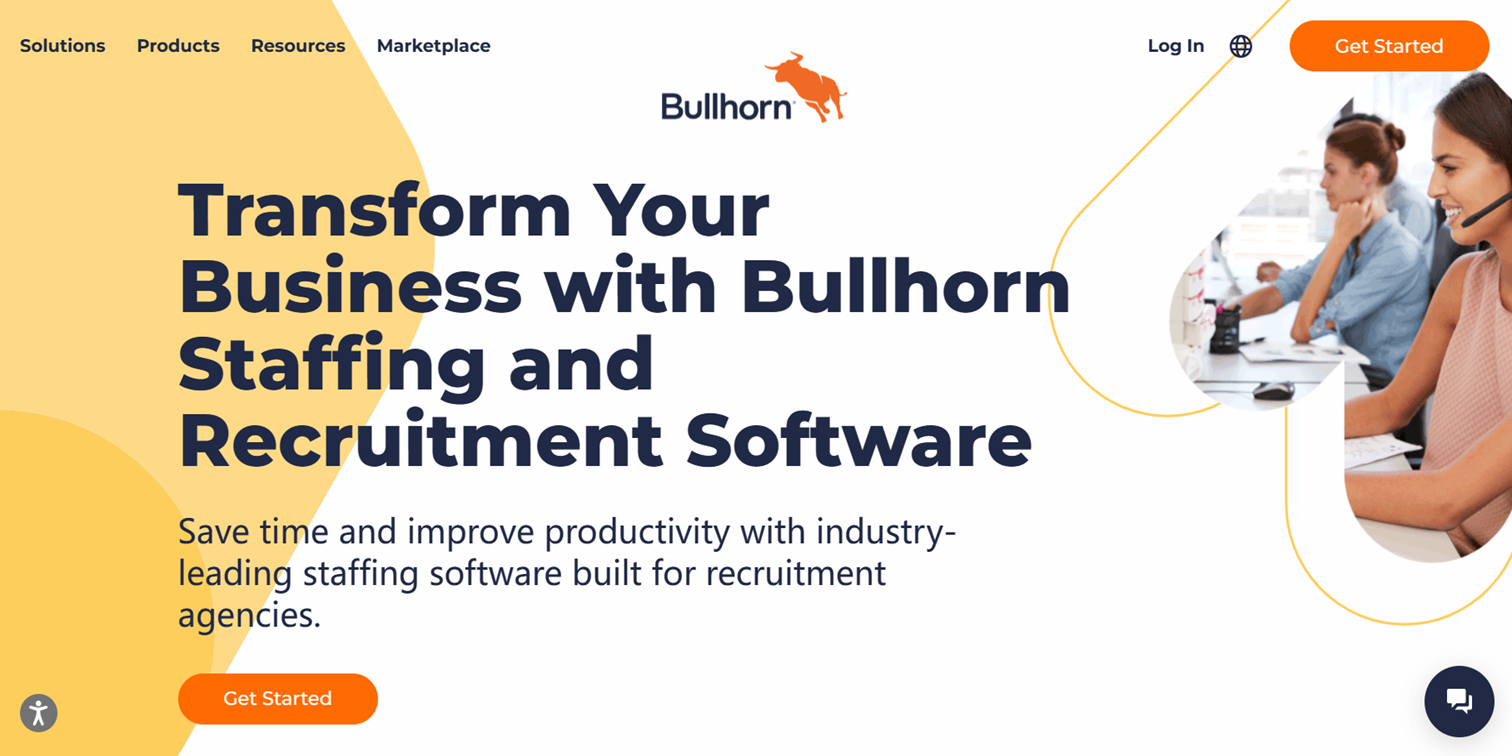
Bullhorn Acquires Mployee to Help Recruitment Agencies Accelerate Their Digital Transformation JourneyBullhorn's acquisition of Mployee will undoubtedly contribute to the digital transformation journey of recruitment agencies. By joining forces, Bullhorn will be able to leverage Mployee's expertise to enhance their offerings and provide agencies with the tools and technologies they need to thrive in the digital age.
The addition of this technology will help Bullhorn deliver an end-to-end enterprise solution for customers on the Salesforce platform
BOSTON,Jan. 5,2024 Bullhorn®, the global leader in software for the staffing and recruitment industry, today announced its acquisition of Mployee, a provider of Salesforce-based solutions for recruitment agencies, which is headquartered in the Netherlands. Mployee’s technology will accelerate Bullhorn’s vision to deliver a full, end-to-end, enterprise solution for Bullhorn customers using the Salesforce platform.
Mployee expands Bullhorn’s Salesforce-based enterprise offerings
Uncertainty over the economy, pricing pressure, and fewer job orders have all forced the recruitment industry to streamline internal operations as much as possible this year. Centralizing all recruitment activity on a single platform helps agencies gain those efficiencies. As a result, Bullhorn has seen a significant increase in adoption of the Salesforce platform, especially in Europe. It is now the largest independent software vendor (ISV) for Salesforce serving the recruitment industry. Bullhorn revenue on the Salesforce platform has grown at an average annual rate of nearly 30% since 2019.
Bullhorn products on the Salesforce platform are currently used across 40 countries, including by four of the five largest global recruitment agencies. By combining Mployee’s middle-office capabilities with Bullhorn’s front-office, Bullhorn can offer a true enterprise-grade, end-to-end solution built on the Salesforce platform. This solution will help solve a myriad of front- and middle-office challenges inhibiting agencies’ growth and differentiation.
Together, Bullhorn and Mployee will help global recruitment agencies excel
“We’ve seen tremendous growth in customers using Bullhorn for Salesforce globally in recent years, and this acquisition will help us better support those agencies throughout the world in delivering more efficient middle-office operations,” said Matt Fischer, President and Chief Operating Officer at Bullhorn. “We’re excited at the potential of combining Mployee’s offerings with Bullhorn for Salesforce to deliver a full, end-to-end solution.”
“We’re very excited to join Bullhorn to further our efforts to drive the digital revolution of the staffing industry,” said Mployee CEO Karen Weebers. “Bullhorn has the resources to invest in Mployee’s product roadmap and bring our solutions to even more recruitment agencies.”
About Bullhorn
Bullhorn is the global leader in software for the staffing industry. More than 10,000 companies rely on Bullhorn’s cloud-based platform to power their staffing processes from start to finish. Headquartered in Boston, with offices around the world, Bullhorn is founder-led and employs nearly 1,500 people globally. To learn more, visit www.bullhorn.com or follow Bullhorn on Linkedin or X.
About Mployee
Mployee is a leading front and mid office solution for the staffing and recruitment sector. The company has established a strong market position and is recognized as a rapidly growing technology company in the Netherlands by Deloitte Fast 50 and Main Software 50. Mployee has proven itself as an innovative player in the industry, with a commitment to optimizing workforce management.
SOURCE Bullhorn
头条
2024年01月10日
头条
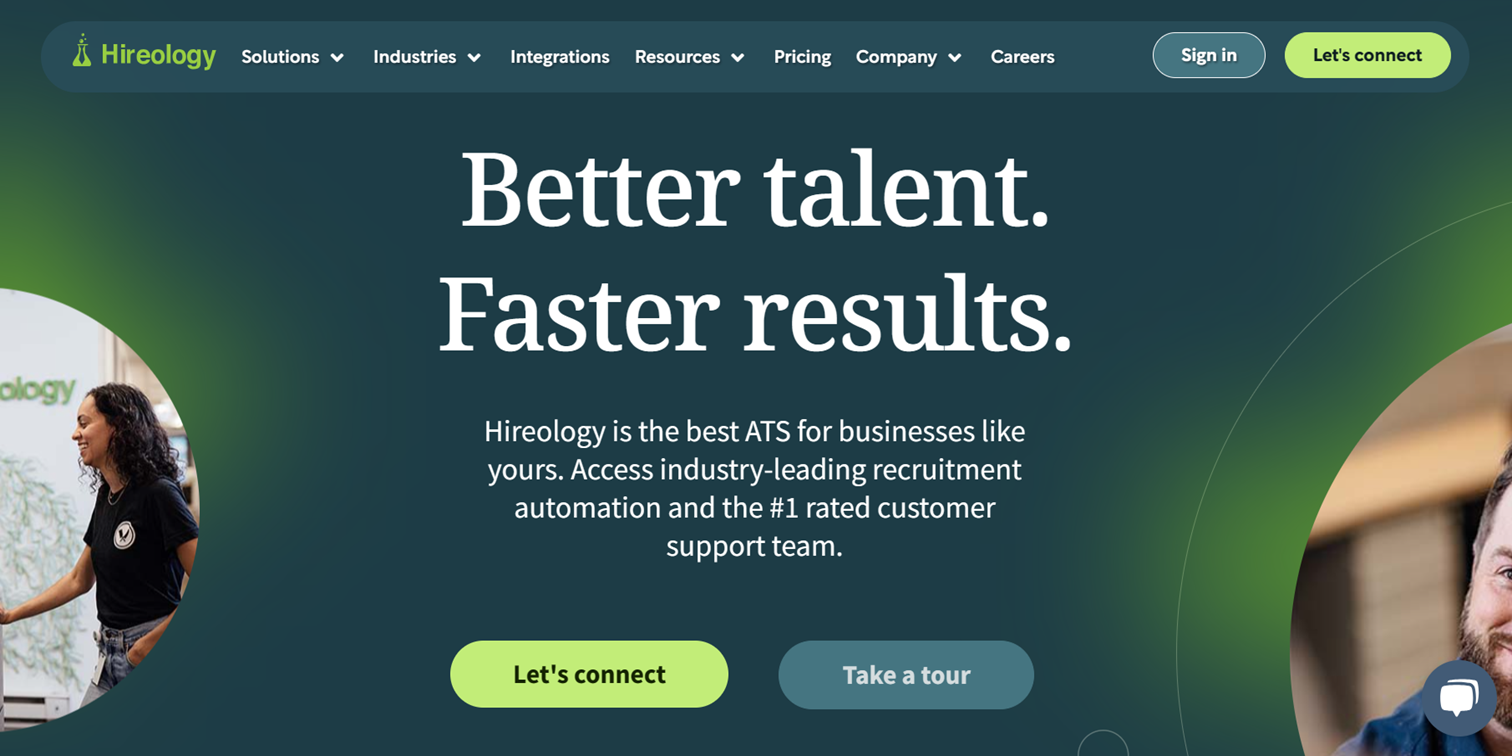
Hireology Named Best Applicant Tracking System of 2024 by Hotel Tech ReportHireology's recognition by Hotel Tech Report showcases their ability to understand the unique needs of the hotel sector and deliver innovative solutions. With an increasingly competitive job market, hiring the right personnel is crucial for hotels to maintain their high standards of service and guest satisfaction.
"We’re excited to announce that Hireology has ranked #1 overall on the Global Best Applicant Tracking Systems (ATS) list in the 2024 HotelTechAwards! The HotelTechAwards are produced by Hotel Tech Report, the leading authority on hotel software and digital transformation in the hotel industry."
Often referred to as “the Grammys of hotel tech,” the HotelTechAwards rank the world’s best hotel software companies and products based on authentic, timely reviews from real users. Winners have been selected from more than 200 of the top technology products around the world.
“The ranking process is simple, transparent, and unbiased — judging is based on time tested ranking factors developed specifically for the industry. Only verified hoteliers with hands-on experience using each product are allowed to participate in the voting process. This means that Hireology’s users decided the #1 ATS,” said Hotel Tech Report CEO, Jordan Hollander.
With more than 10,000 customers, Hireology is the only applicant tracking system built to power better hiring for multi-location businesses that largely rely on skilled talent like hotels. Our platform makes it easy for users to source quality talent across key channels, streamline hiring with innovative recruitment automation, and make smarter hiring decisions rooted in data.
“This recognition from Hotel Tech Report validates the work we’re doing at Hireology to help hotels capture more than their fair share of quality talent and fill critical revenue-driving roles faster,” said Adam Robinson, CEO at Hireology. “We’re grateful for every customer who helped us earn the top spot on this list, and we’re looking forward to helping even more hotels navigate today’s challenging hiring market and achieve their goals in 2024 and beyond.”
In 2023 alone, Hireology launched several critical product updates that are designed to help their hotel customers not only attract better quality talent but also streamline the hiring process to fill critical roles faster, including:
Indeed Sponsored Jobs integration: Sponsor jobs on Indeed directly from the Hireology platform — helping you maximize your reach to top candidates and make hires faster all without ever leaving Hireology
Innovative ChatGPT integration: Leverage generative AI to instantly craft quality descriptions for new open jobs
Enhanced candidate communication automations: Keep candidates engaged and reduce no-shows with automated messaging for routine updates
Employee referral campaign templates and manager: Quickly launch optimized text and email campaigns and start driving quality referrals faster
Hotel Tech Report’s lists are based on data from over 16,000 verified customer reviews during the HotelTechAwards period. These reviews were written and published between September 1,2023–December 15,2023, with participation from every major hotel brand and thousands of independents. In one review, a Hireology customer noted how they’ve driven better quality candidates and made smarter hiring decisions with our platform:
“With Hireology I am able to track all of my candidates from the various recruiting websites and see all the candidates in one spot. With their screening tools I am able to pick out the candidate that has the most potential to be a good fit for the position. I have a better turn out and response rate for candidates that I have considered, and I have had a better quality of candidates who show up to the interview. The candidates that I have hired have become invaluable assets to my property.”
Today’s announcement comes at the heels of the Winter G2 awards, where they placed in the top 10 in more than 200 reports and earned the top spot in 28—including referral programs, recruitment marketing, and HR analytics. Additionally, Hireology was recently named the American Hotel and Lodging Association’s (AHLA) Leadership Partner for Talent Technology. Learn more about this partnership here.
To learn more about Hireology’s hospitality-specific ATS, take a self-guided virtual tour today! Or reach out to one of our experts for a free 1:1 consultation.
SOURCE Hireology

 头条
头条
 头条
头条
 头条
头条
 头条
头条
 头条
头条
 头条
头条
 头条
头条
 头条
头条
 头条
头条
 头条
头条


 扫一扫
添加客服
扫一扫
添加客服


